
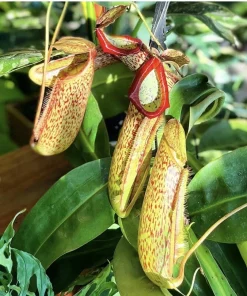
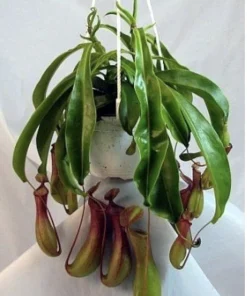
Nepenthes Pitcher Plant – Live Carnivorous Plant – Exotic Houseplant
Original price was: $81.99.$61.99Current price is: $61.99.
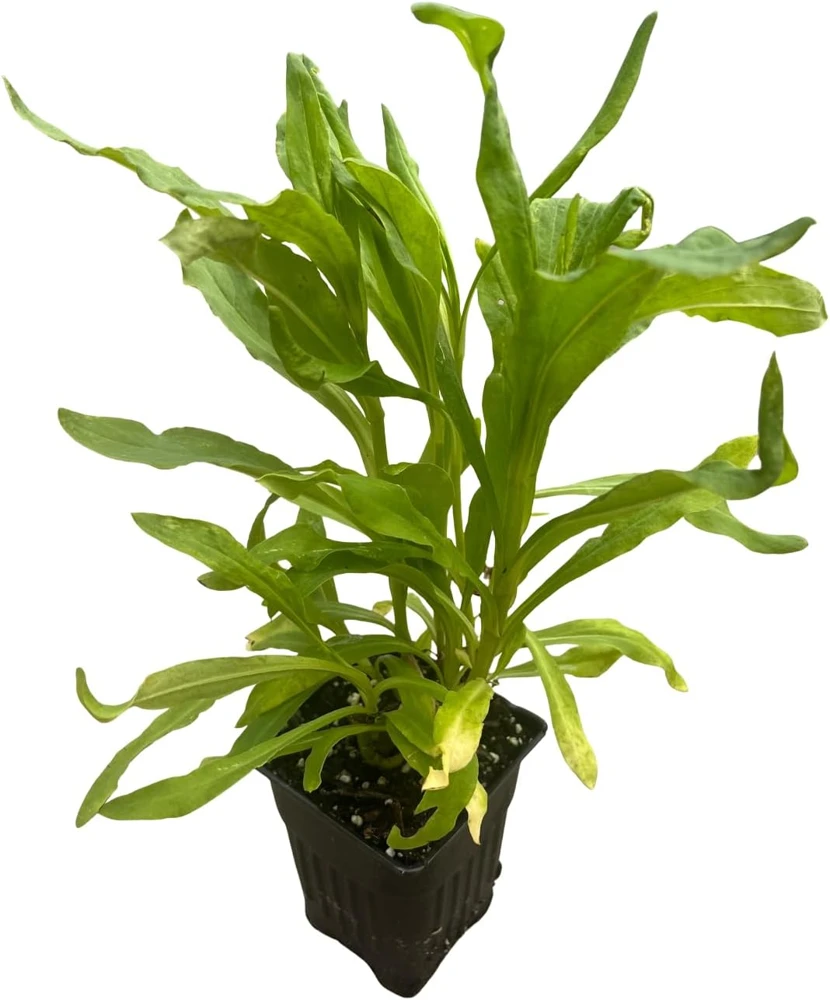
Bring the fascinating world of carnivorous plants into your home with a live nepenthes pitcher plant. This exotic houseplant features unique, vibrant pitchers that naturally attract and trap insects, making it a captivating and functional addition to any collection. Perfect for bright, humid environments, this carnivorous plant care is surprisingly straightforward for enthusiasts.
Estimated arrival
Oct 27
Nov 01 - Nov 03
Nov 06 - Nov 10
Shop With Confidence
30-Day Plant Health Guarantee
Arrives damaged? We’ll replace it free — see our return policy.
Responsive Support
Email us anytime, we reply within 1 business day.
Expert Packaging
Temperature-controlled shipping to protect your plants in transit.
Secure Checkout
Pay safely with Visa, Mastercard, PayPal.
Plant Specifications
-
USDA Hardiness Zone
USDA zones 10-11 (outdoors), typically grown indoors -
Soil Type
Sphagnum moss and perlite mix -
Sunlight Exposure
Bright indirect light -
Expected Planting Period
Year-round indoors
Overview
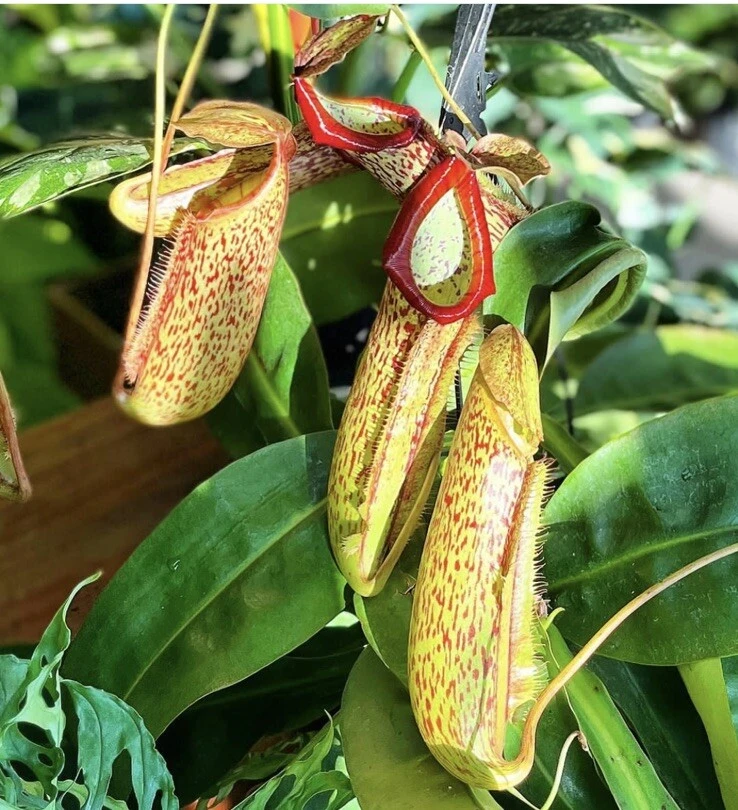
Introduce a touch of the extraordinary to your plant collection with a stunning nepenthes pitcher plant. Known for their distinctive, often colorful, pitcher-shaped leaves, these fascinating carnivorous plants are native to tropical regions and thrive in humid environments. Each pitcher acts as a natural trap, luring insects with nectar and then capturing them, making them not only beautiful but also incredibly intriguing to observe. This live plant offers a unique blend of decorative appeal and natural pest control, perfect for brightening up a sunny windowsill or a terrarium. Often referred to simply as a pitcher plant, the genus Nepenthes encompasses a wide variety of species, each with its own unique pitcher shapes and colors, adding to their allure as an exotic houseplant.
Our nepenthes pitcher plant specimen is carefully cultivated to ensure a healthy and robust addition to your home or office. These tropical plants are celebrated for their intricate beauty and the wonder of their carnivorous nature. They are an excellent choice for both seasoned plant collectors looking for something unique and beginners eager to explore the world of exotic flora. With proper care, your pitcher plant will flourish, producing more of its captivating traps and becoming a true conversation starter in any setting.
Key Benefits
The nepenthes pitcher plant offers a range of benefits beyond its striking appearance, making it a highly desirable addition to any plant enthusiast’s collection. Its unique characteristics contribute to both aesthetic and environmental advantages:
- Natural Pest Control: One of the primary benefits of the nepenthes pitcher plant is its ability to naturally catch and digest small insects like flies, mosquitoes, and gnats. This provides an eco-friendly solution for managing common household pests without the need for chemical sprays.
- Exotic Aesthetic Appeal: With its vibrant, often multicolored pitchers and graceful foliage, this plant adds an unparalleled exotic touch to any indoor space. It serves as a living piece of art, drawing attention and admiration.
- Educational Value: Growing a carnivorous plant offers a unique educational opportunity for both children and adults. Observing its feeding mechanism provides insight into the diverse strategies plants employ for survival.
- Air Purification: Like many houseplants, the Nepenthes contributes to improved indoor air quality by absorbing carbon dioxide and releasing oxygen, creating a fresher and healthier living environment.
- Humidity Indicator: Nepenthes plants thrive in high humidity, making them excellent natural indicators for the humidity levels in your home. Their health can signal when it’s time to increase ambient moisture.
- Unique Conversation Starter: Its unusual nature and striking appearance make the pitcher plant an instant conversation starter, perfect for engaging guests and sharing your passion for unique botanical specimens.
- Low Maintenance (Once Established): While specific conditions are required, once established in the right environment, carnivorous plant care for Nepenthes can be relatively low-effort compared to many other exotic plants.
Plant Care & Growing Tips
Caring for a nepenthes pitcher plant involves understanding its tropical origins and replicating those conditions as closely as possible. These plants thrive on consistency and attention to a few key environmental factors. For optimal growth, provide bright, indirect light. A spot near an east or west-facing window is often ideal, or a few feet away from a south-facing window. Avoid direct, harsh sunlight, which can scorch the delicate pitchers and leaves. If possible, aim for 4-6 hours of bright light daily. When considering growing pitcher plants, remember that proper lighting is crucial for vibrant pitcher development.
Watering is critical for the health of your nepenthes pitcher plant. Use only distilled water, rainwater, or reverse osmosis water, as minerals found in tap water can be detrimental to their sensitive roots. Keep the soil consistently moist but never waterlogged. Allow the top inch of the growing medium to dry slightly before watering again. High humidity is essential; aim for 60-80% relative humidity. This can be achieved by placing the plant on a pebble tray with water, using a room humidifier, or growing it in a terrarium. Temperatures between 65-85°F (18-29°C) are ideal during the day, with a slight drop at night.
The correct soil mix is vital for successful carnivorous plant care. A well-draining, nutrient-poor substrate is preferred. A common mix includes sphagnum moss, perlite, and sometimes orchid bark or coco coir. Avoid standard potting soil, as it contains too many nutrients and can harm the plant. Fertilization is generally not necessary; the plants derive their nutrients from the insects they catch. If your plant is not catching many insects, you can occasionally drop a small amount of diluted carnivorous plant fertilizer or a few dried bloodworms into a pitcher. Pruning is minimal, mainly removing old, dead leaves or spent pitchers to encourage new growth. Watch out for common pests like aphids or mealybugs, and treat with insecticidal soap if necessary. When looking for a healthy nepenthes plant for sale, ensure it comes with robust pitchers and healthy foliage.
Size & Details
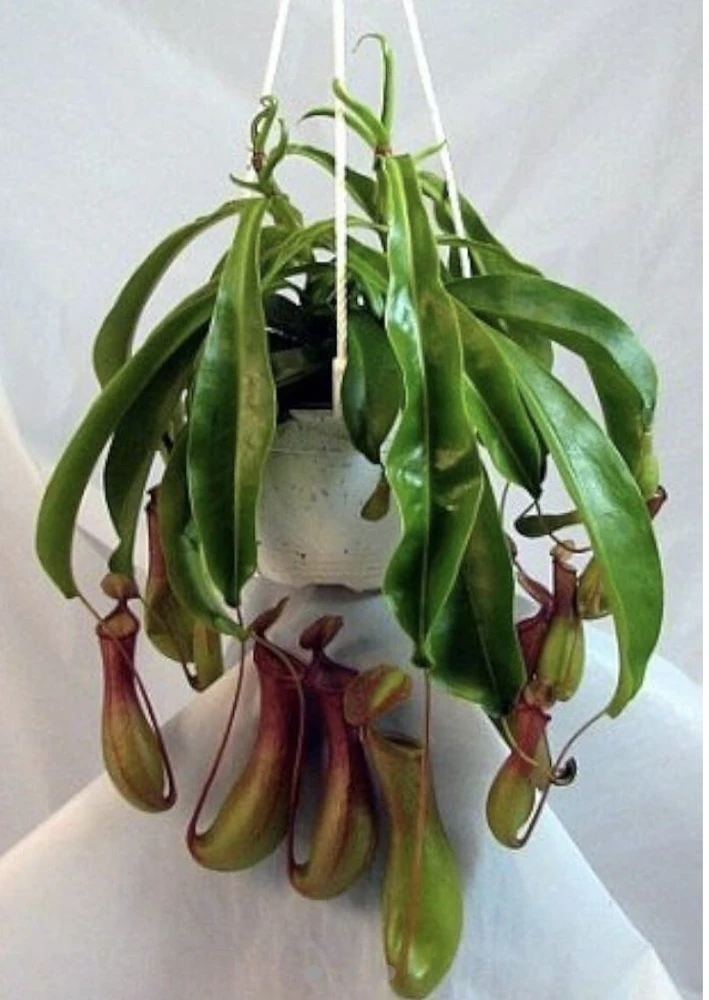
Our nepenthes pitcher plant is shipped as a healthy, established live plant, typically in a 2-4 inch nursery pot, ready for you to enjoy. The exact size will vary slightly based on the specific species and current growth stage, but you can generally expect a plant with several active pitchers and healthy foliage. The plant’s overall height, including the pot, usually ranges from 6 to 12 inches upon arrival. Nepenthes are vining plants, and with proper support and care, they can grow quite long over time, with some species producing pitchers that can reach impressive sizes. The growth rate is moderate, allowing you to observe its development over months and years.
Each plant is carefully packaged to ensure it arrives safely and in excellent condition, minimizing stress during transit. Once acclimated to its new environment, your nepenthes pitcher plant will begin to actively produce new pitchers, showcasing its unique carnivorous features. These plants are known for their longevity when provided with consistent care, making them a lasting and rewarding addition to your indoor garden. The vibrant colors and intricate designs of the pitchers add exceptional visual interest to any space, living up to its reputation as a truly exotic houseplant.
Frequently Asked Questions
- Q: How big does this plant get? A: While the plant arrives in a compact size, typically 6-12 inches tall in its nursery pot, Nepenthes are vining plants that can grow quite long over time, often several feet with proper support. The pitchers themselves can vary greatly in size depending on the species and maturity.
- Q: Is this an indoor or outdoor plant? A: The nepenthes pitcher plant is primarily an indoor plant in most climates, as it requires consistent high humidity and warm temperatures. It can be grown outdoors in very specific tropical or subtropical environments, but for most US customers, it thrives best as an indoor houseplant or in a greenhouse.
- Q: How much sunlight does it need? A: This carnivorous plant care requires bright, indirect light for optimal growth and pitcher development. Avoid direct, harsh sunlight, which can burn the leaves. An east or west-facing window is usually ideal.
- Q: Is this plant easy to care for? A: While Nepenthes have specific requirements for humidity and water quality, they are considered moderately easy to care for once these conditions are met. They are not as demanding as some other carnivorous plants, making them suitable for dedicated beginners interested in growing pitcher plants.
- Q: What condition will it arrive in? A: Your nepenthes plant for sale will arrive as a healthy, established live plant in its nursery pot, carefully packaged to ensure minimal stress during shipping. It will have active pitchers and healthy foliage, ready for you to place in its new home.
- Q: What type of water should I use? A: It is crucial to use only distilled water, rainwater, or reverse osmosis water for your pitcher plant. Tap water, even filtered, contains minerals that can build up in the soil and harm the plant over time.
- Q: Can I feed it insects? A: Yes, you can feed your Nepenthes small insects if it’s not catching enough on its own. However, avoid feeding it too frequently or giving it insects that are too large. It’s generally best to let the plant catch its own food naturally.
- Q: What makes this an exotic houseplant? A: The Nepenthes is considered an exotic houseplant due to its unique carnivorous nature, its tropical origins, and the striking, often intricate appearance of its pitcher-shaped leaves. It offers a distinctive aesthetic not found in common houseplants.
- Q: What is the best soil mix for a Nepenthes? A: The best soil mix for a nepenthes pitcher plant is a well-draining, nutrient-poor substrate. Common recommendations include a blend of long-fiber sphagnum moss and perlite, sometimes with added orchid bark or coco coir for aeration.
- Q: Will it survive winter? A: As a tropical plant, Nepenthes will not survive freezing temperatures. If grown outdoors in zones with cold winters, it must be brought indoors. As an indoor plant, maintaining consistent warm temperatures (above 60°F or 15°C) and high humidity is key for winter survival.
Be the first to review “Nepenthes Pitcher Plant – Live Carnivorous Plant – Exotic Houseplant”
People Also Viewed
Flower Bulbs
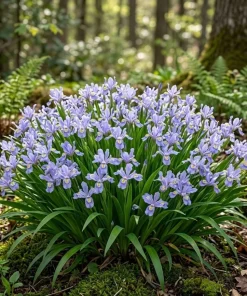
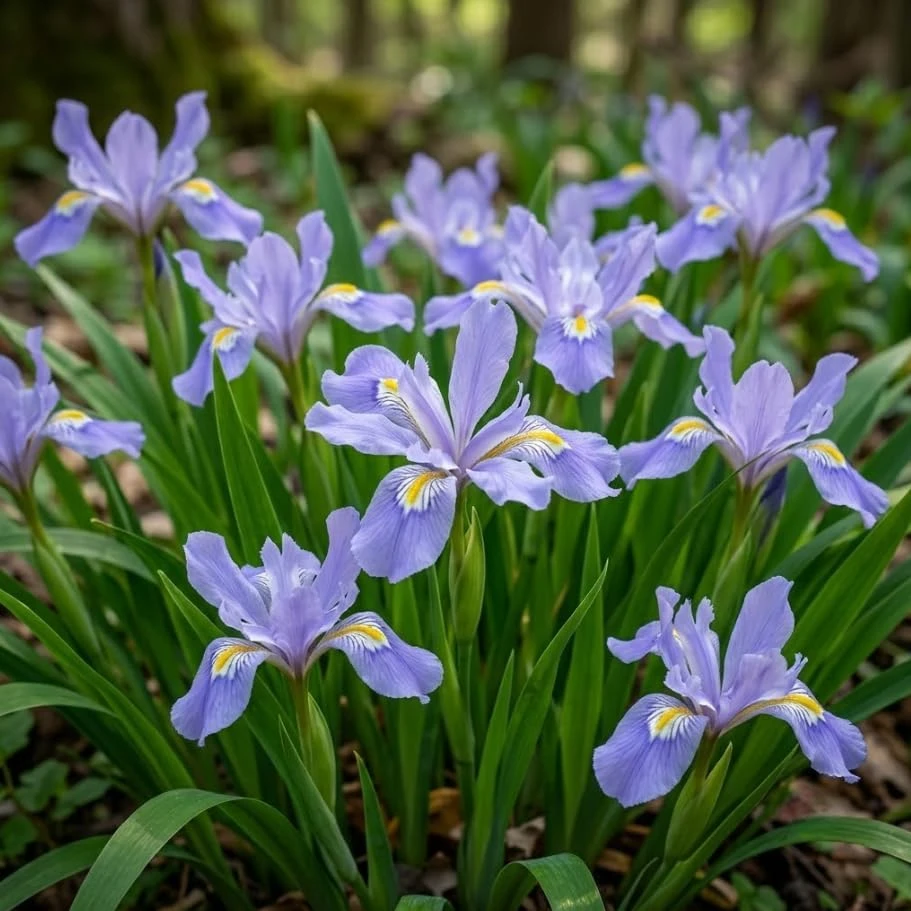
10 Crested Wild Iris Bulbs – Blue Spring Flowering Perennial Roots for Woodland Gardens
Reviews
There are no reviews yet.