
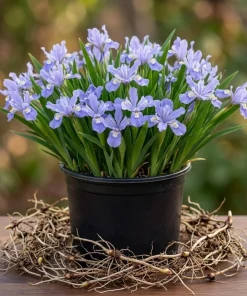
10 Crested Wild Iris Bulbs – Blue Spring Flowering Perennial Roots for Woodland Gardens
Original price was: $47.98.$23.99Current price is: $23.99.
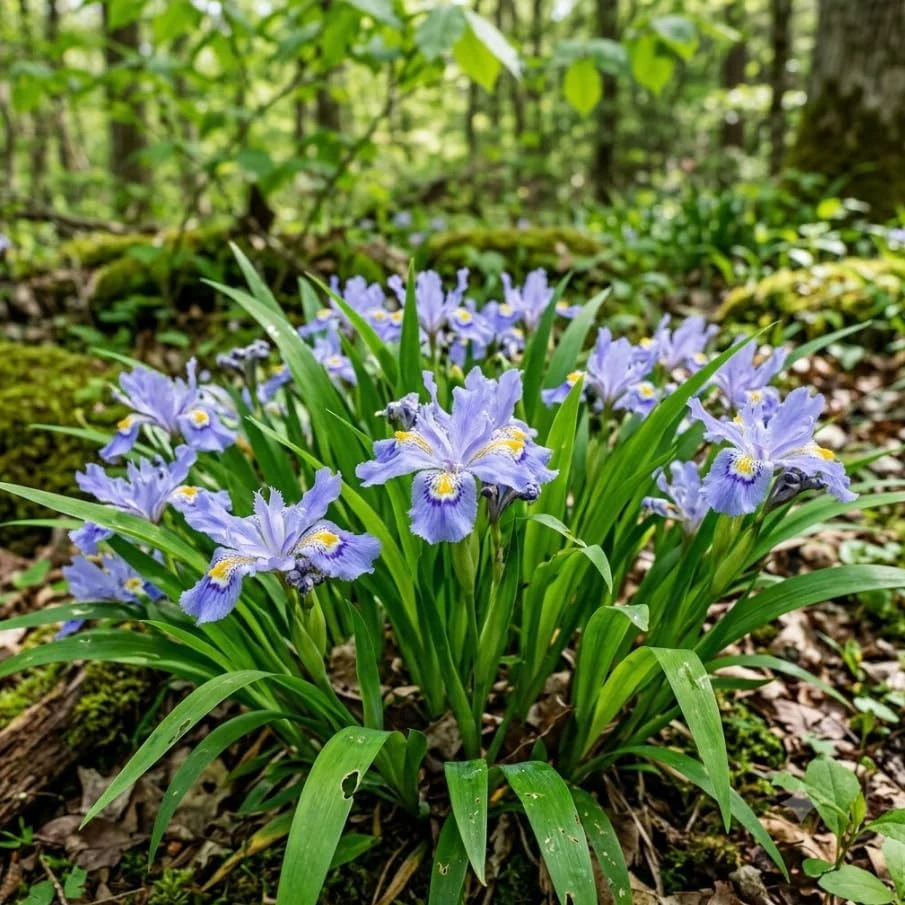
Introduce vibrant lavender-blue to your shaded landscape with 10 Crested Wild Iris bulbs. These hardy, low-maintenance perennial roots are perfect for woodland gardens, offering elegant spring blooms and returning reliably each year.
Estimated arrival
Oct 13
Oct 18 - Oct 20
Oct 23 - Oct 27
Shop With Confidence
30-Day Plant Health Guarantee
Arrives damaged? We’ll replace it free — see our return policy.
Responsive Support
Email us anytime, we reply within 1 business day.
Expert Packaging
Temperature-controlled shipping to protect your plants in transit.
Secure Checkout
Pay safely with Visa, Mastercard, PayPal.
Plant Specifications
-
USDA Hardiness Zone
USDA zones 3-9 -
Soil Type
Rich, well-draining soil -
Sunlight Exposure
Partial shade -
Expected Planting Period
Spring or Fall
Overview
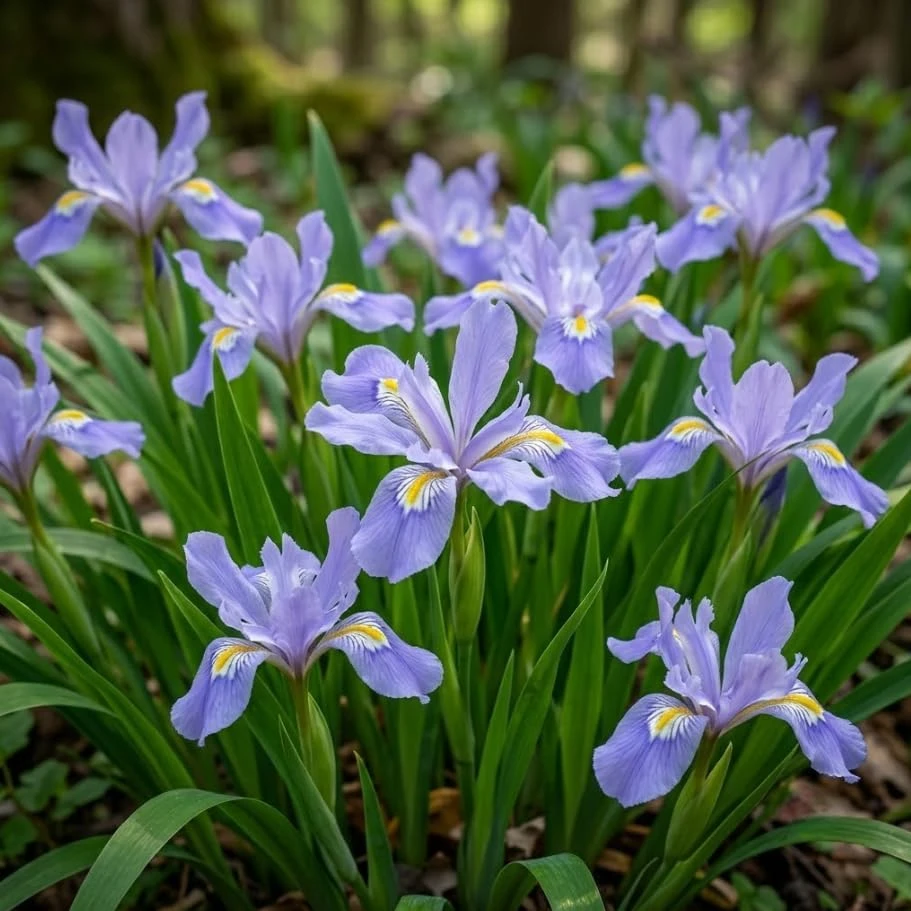
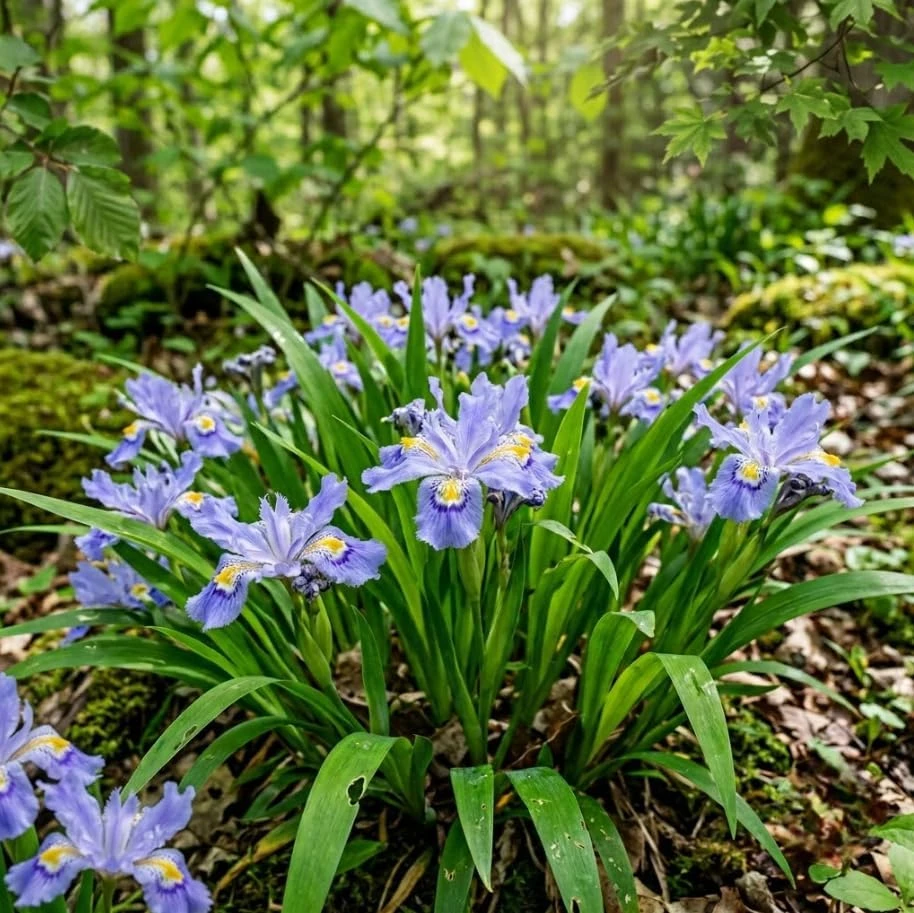
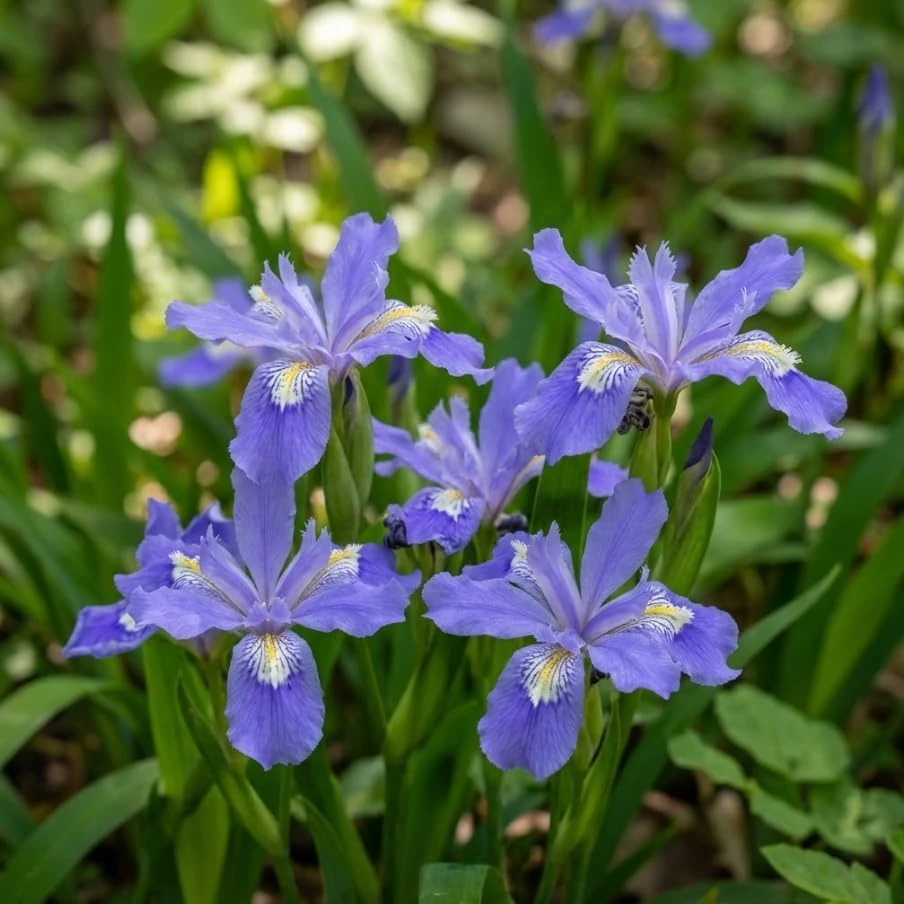
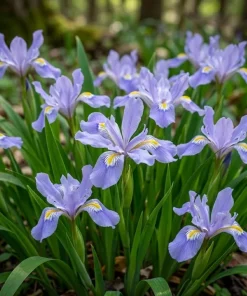
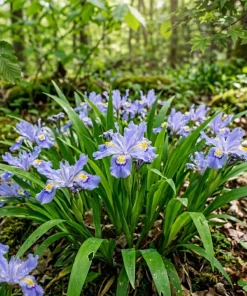
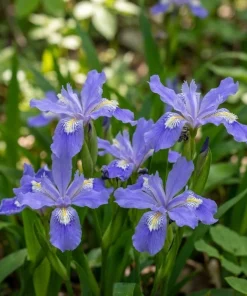
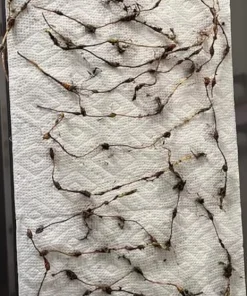
Transform your garden with the enchanting beauty of crested wild iris bulbs. This offering includes 10 healthy rhizomes, ready to establish and beautify shaded areas with their unique charm. Known botanically as Iris cristata, the Crested Wild Iris is a hardy perennial admired for its delicate yet striking lavender-blue flowers, each adorned with a distinct crest. These elegant blooms appear in spring, bringing a refreshing burst of color to woodland settings, borders, or any spot benefiting from partial shade. Easy to grow and remarkably low-maintenance, these perennial roots are a fantastic choice for gardeners seeking reliable, long-lasting beauty with minimal effort.
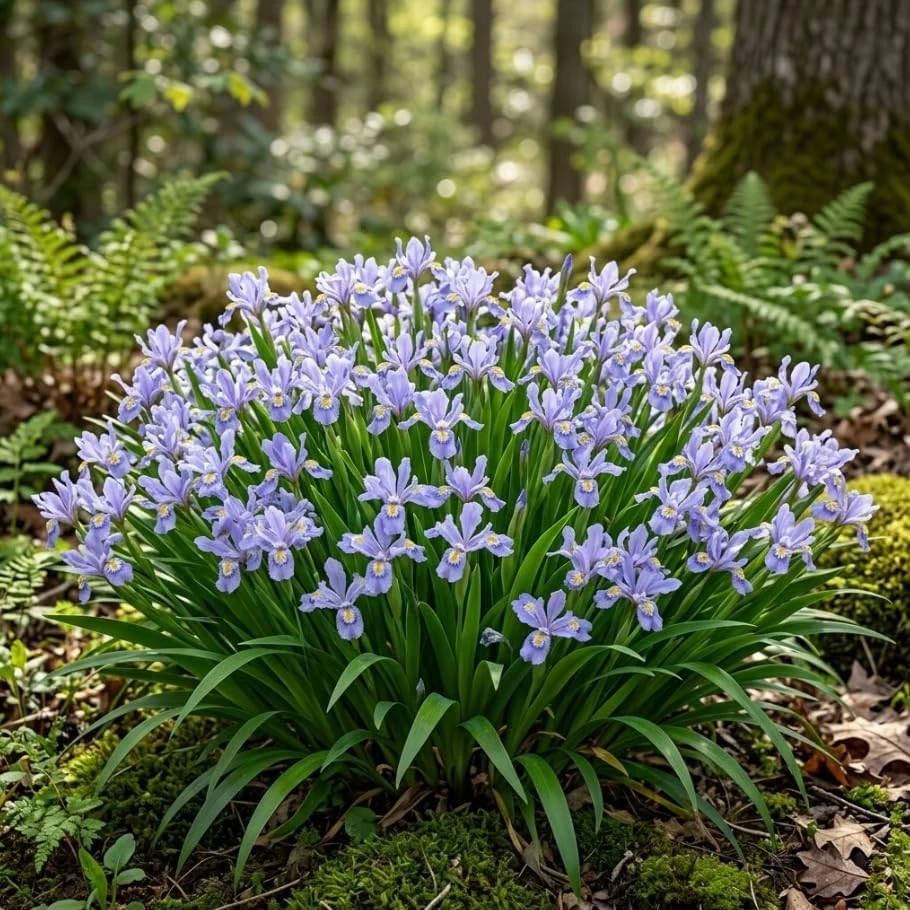
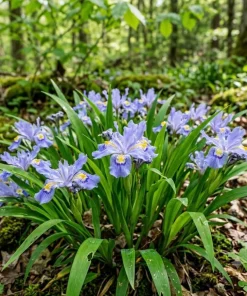
Our crested wild iris bulbs are ideal for creating a naturalized look in your landscape. They spread gracefully over time, forming attractive colonies that enhance the existing flora. Whether you’re a seasoned gardener or just starting, these rhizomes provide an effortless way to introduce a touch of wild elegance to your outdoor space. Enjoy the serene beauty and consistent performance of these remarkable iris varieties.
Key Benefits
Planting crested wild iris bulbs offers numerous advantages for your garden:
- Stunning Spring Blooms: Enjoy a spectacular display of elegant lavender-blue flowers each spring, adding a vibrant splash of color to your garden when many other plants are just beginning to emerge. The intricate crests on each petal make these flowers truly unique.
- Low Maintenance Perennial: Once established, these wild iris roots require very little attention. They are naturally resilient and will return year after year, providing continuous beauty without the need for replanting. This makes them perfect for busy gardeners.
- Ideal for Shaded Gardens: Unlike many flowering plants, Crested Wild Iris thrives in partial shade, making it an excellent choice for woodland gardens, under trees, or in other areas that receive filtered light. They fill often-challenging shady spots with vibrant life.
- Hardy and Adaptable: These rhizomes are incredibly tough and can adapt to various soil conditions, as long as they are well-drained. Their hardiness ensures they can withstand different environmental factors, providing reliable growth for years to come.
- Naturalizes Beautifully: Over time, the crested wild iris bulbs will spread gently, creating charming colonies and a natural, flowing look in your landscape. This naturalization effect can enhance biodiversity and add depth to your garden design.
- Pollinator Friendly: The attractive flowers of the Crested Wild Iris draw in beneficial pollinators like bees and butterflies, contributing to a healthier and more vibrant garden ecosystem. They are an excellent addition for those looking to support local wildlife.
- Erosion Control: Their spreading habit and fibrous root system can help stabilize soil on slopes or banks, making them a practical choice for erosion control in challenging garden areas.
Plant Care & Growing Tips
Caring for your crested wild iris bulbs is straightforward, ensuring beautiful blooms with minimal effort. These perennials prefer a location that receives partial shade, ideally morning sun with afternoon shade, or dappled light throughout the day. Avoid areas with intense, direct afternoon sun, which can scorch their delicate foliage and flowers. While they appreciate consistent moisture, good drainage is crucial; waterlogged soil can lead to root rot. Aim to keep the soil consistently moist but never soggy, especially during their active growing and flowering periods in spring.
For optimal growth, plant your blue iris perennial in rich, well-draining soil that is high in organic matter. Amending heavy clay soils with compost or peat moss can significantly improve drainage and provide essential nutrients. These plants are quite tolerant of various soil pH levels. Fertilization is generally not heavily required; a light application of a balanced, slow-release granular fertilizer in early spring can encourage vigorous growth and abundant flowering. Divide clumps every 3-5 years in late summer or early fall to maintain vigor and prevent overcrowding. The Crested Wild Iris is hardy in USDA zones 3-9, tolerating a wide range of climates.
Pest and disease issues are generally minimal for crested wild iris care. Keep an eye out for slugs and snails, especially during wet periods, and remove them manually if found. Ensuring good air circulation can help prevent fungal diseases. Deadhead spent flowers to maintain a tidy appearance, although this is not strictly necessary for plant health. With these simple care guidelines, your wild iris will thrive and provide years of delightful spring blooms.
Size & Details
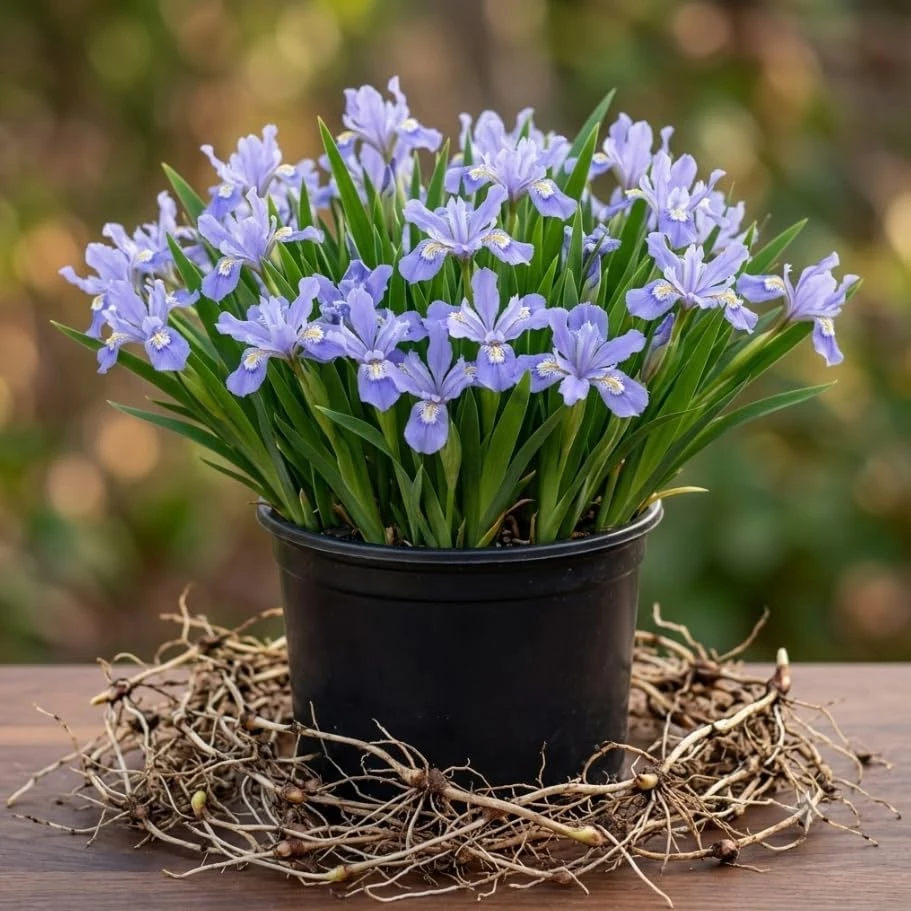
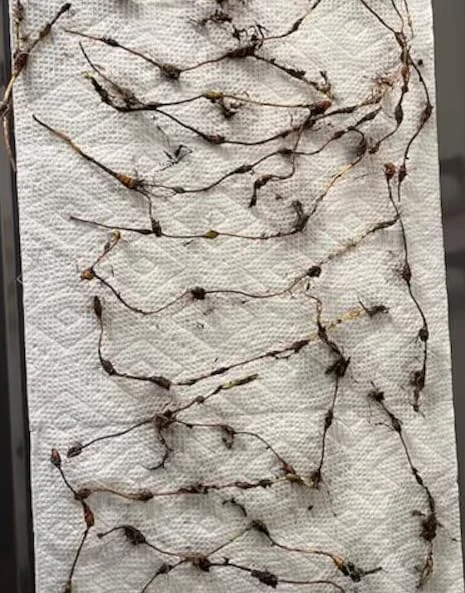
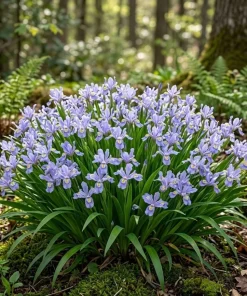
This offering includes 10 Crested Wild Iris bulbs (rhizomes), ready for immediate planting. Each rhizome is carefully selected to ensure viability and robust growth. The Crested Wild Iris typically grows to a compact height of 6-12 inches (15-30 cm) and spreads to about 6-12 inches wide, forming attractive, dense clumps over time. These perennial roots are shipped in a dormant state, making them ideal for spring or fall planting, allowing them to establish a strong root system before their active growth cycle. Expect to see their first beautiful lavender-blue flowers in the spring following planting, with the plant maturing and spreading in subsequent years.
These rhizomes are a fantastic addition to the understory of trees, along shaded pathways, or as a charming groundcover in woodland gardens. Their compact size makes them suitable for smaller garden spaces or container planting, provided adequate shade and drainage are maintained. With proper crested wild iris care, they will reliably return and multiply, enriching your landscape for many seasons.
Frequently Asked Questions
- Q: How big do these Crested Wild Iris plants get? A: The Crested Wild Iris typically grows to a compact height of 6-12 inches (15-30 cm) and spreads to a similar width, forming charming clumps over time.
- Q: Is this an indoor or outdoor plant? A: The Crested Wild Iris is an outdoor perennial, best suited for woodland gardens, shaded borders, or naturalized areas where it can thrive in partial shade.
- Q: How much sunlight does it need? A: These crested wild iris bulbs prefer partial shade, meaning they need about 2-4 hours of morning sun or dappled light throughout the day. Avoid intense afternoon sun.
- Q: Is this plant easy to care for? A: Yes, Crested Wild Iris is considered a low-maintenance perennial. Once established, it requires minimal care, making it an excellent choice for both new and experienced gardeners.
- Q: What condition will the bulbs arrive in? A: The crested wild iris bulbs (rhizomes) will arrive in a dormant state, ready for planting. This ensures they can safely travel and establish well in your garden.
- Q: When is the best time to plant these bulbs? A: The best times to plant these rhizomes are in spring or fall. This allows the plant to establish its root system before extreme temperatures.
- Q: What type of soil does the Crested Wild Iris prefer? A: It thrives in rich, well-draining soil that is high in organic matter. Good drainage is crucial to prevent root rot.
- Q: Will it survive winter in my zone? A: The Crested Wild Iris is hardy in USDA zones 3-9, meaning it can tolerate cold winter temperatures within this range and will return each spring.
- Q: How often should I water my Crested Wild Iris? A: Keep the soil consistently moist but not waterlogged, especially during dry periods and active growth. Reduce watering once the plant goes dormant.
- Q: Do these plants attract pollinators? A: Yes, the beautiful lavender-blue flowers of the Crested Wild Iris are known to attract beneficial pollinators such as bees and butterflies to your garden.
Be the first to review “10 Crested Wild Iris Bulbs – Blue Spring Flowering Perennial Roots for Woodland Gardens”
People Also Viewed

Houseplants
Black Queen ZZ Plant Live Plant – Zamioculcas Zamiifolia – 4 inch Pot – Easy Care Indoor Houseplant
Reviews
There are no reviews yet.