
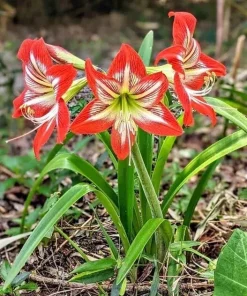
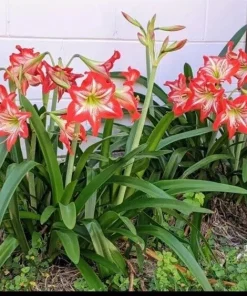
Red Star Amaryllis Plant – Live Bulb – Vibrant Red Blooms – Houseplant
Original price was: $60.99.$40.99Current price is: $40.99.
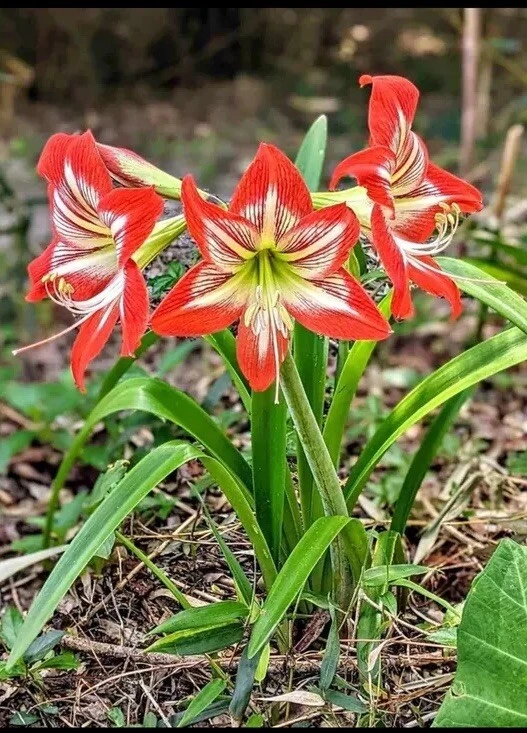
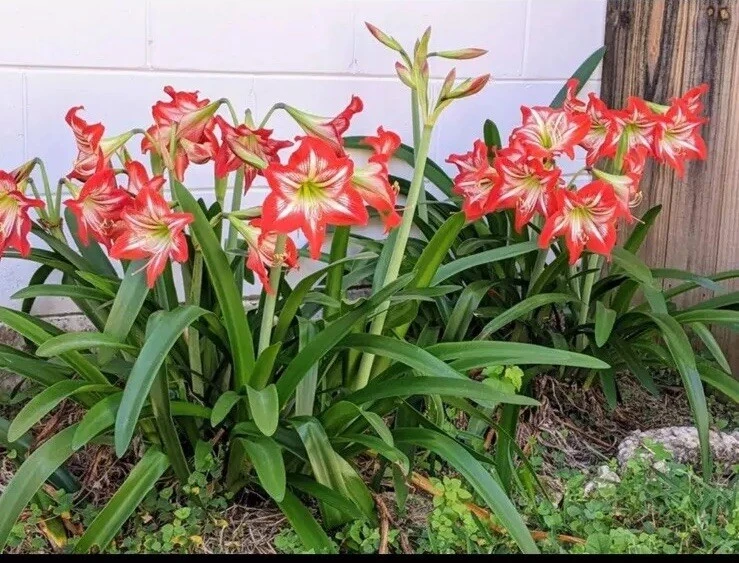
Bring vibrant color into your home with the Red Star Amaryllis Plant. This live bulb is easy to grow, producing magnificent, trumpet-shaped red flowers that brighten any indoor space, especially during the colder months.
Estimated arrival
Oct 27
Nov 01 - Nov 03
Nov 06 - Nov 10
Shop With Confidence
30-Day Plant Health Guarantee
Arrives damaged? We’ll replace it free — see our return policy.
Responsive Support
Email us anytime, we reply within 1 business day.
Expert Packaging
Temperature-controlled shipping to protect your plants in transit.
Secure Checkout
Pay safely with Visa, Mastercard, PayPal.
Plant Specifications
-
USDA Hardiness Zone
USDA zones 9–11 (outdoors), suitable for all zones indoors -
Soil Type
Well-draining potting mix -
Sunlight Exposure
Bright indirect light -
Expected Planting Period
Fall to early winter for winter blooms
Overview
Transform your living space with the dazzling beauty of the Red Star Amaryllis Plant. This exceptional live bulb is renowned for its spectacular, large, red, trumpet-shaped blooms that emerge from a single stalk, creating a dramatic focal point in any room. Amaryllis, botanically known as Hippeastrum, are popular houseplants, especially cherished for their ability to flower during the winter holiday season when other plants are dormant. The ‘Red Star’ variety is a classic choice, celebrated for its intense crimson hue and impressive flower size. Growing an Amaryllis from a bulb is a rewarding experience, offering a glimpse into the wonders of nature as the sturdy stalk unfurls and the magnificent flowers burst open. Whether you’re a seasoned gardener or a beginner, this indoor Amaryllis plant promises an unforgettable display.
The Amaryllis ‘Red Star’ is more than just a plant; it’s a living decoration that brings warmth and cheer. Its bold coloring and elegant form make it a perfect gift or a stunning addition to your own botanical collection. Each bulb is carefully selected to ensure vigorous growth and abundant flowering, providing a reliable source of beauty. Prepare to be captivated by the rapid development and grand floral show of this beloved houseplant.
Key Benefits
The Red Star Amaryllis Plant offers numerous advantages, making it a favorite among plant enthusiasts:
- Spectacular Blooms: Produces large, vibrant red, trumpet-shaped flowers that are truly breathtaking. These showy blooms can reach impressive sizes, making a bold statement in any decor.
- Easy to Grow: Amaryllis bulbs are incredibly forgiving and relatively simple to cultivate, even for novice gardeners. They require minimal effort to produce stunning results, making them an ideal choice for busy individuals.
- Winter Flowering: Provides a much-needed splash of color during the dreary winter months, often blooming from late fall through early spring. This characteristic makes it a perfect holiday plant.
- Long-Lasting Display: With proper care, the magnificent flowers can last for several weeks, offering an extended period of enjoyment. The sequential blooming of multiple flowers on a stalk prolongs the overall show.
- Versatile Decor: Its elegant form and striking color make it a versatile plant for various interior design styles, from traditional to modern. It can be a centerpiece, a desk accent, or part of a larger plant arrangement.
- Rewarding Experience: Watching the flower stalk emerge and the buds swell before opening into glorious blooms is an incredibly satisfying and educational experience for all ages. It’s a wonderful way to connect with nature indoors.
- Great Gift Idea: A dormant or sprouting Red Star Amaryllis Plant bulb makes a thoughtful and impressive gift that continues to give joy as it grows and flowers.
Plant Care & Growing Tips
Caring for your Red Star Amaryllis Plant is straightforward, ensuring a dazzling display year after year. For optimal growth and blooming, plant your Amaryllis bulb in a pot that is only slightly larger than the bulb itself, leaving about one-third of the bulb exposed above the soil line. Use a high-quality, well-draining potting mix. After planting, water thoroughly once, then sparingly until the sprout emerges.
Amaryllis thrive in bright, indirect light. Place your potted Amaryllis near a south-facing window where it can receive ample light without direct, intense sun, which can scorch the leaves. Once the stalk appears, begin watering more regularly, allowing the top inch of soil to dry out between waterings. Avoid overwatering, as this can lead to bulb rot. The ideal temperature for growing Amaryllis is between 65-75°F (18-24°C). Fertilize every 2-4 weeks with a balanced liquid fertilizer once the plant is actively growing and after it has bloomed to encourage the bulb to store energy for the next season. After flowering, cut the spent flower stalks but allow the leaves to continue growing to re-energize the bulb. The goal is to encourage strong foliage growth during summer to ensure future blooms. Many gardeners successfully encourage reblooming by providing a dormant period.
For successful reblooming, allow the foliage to grow throughout the spring and summer, watering and fertilizing regularly. In late summer or early fall, gradually reduce watering and stop fertilizing. The leaves will begin to yellow and die back. At this point, cut off the yellowed leaves and store the bulb in a cool, dark, dry place (around 50-55°F or 10-13°C) for 8-12 weeks. After this dormant period, you can repot the bulb in fresh soil and resume watering, initiating a new growth and bloom cycle. Following these steps will help you enjoy your Amaryllis bulb care for many seasons.
Size & Details
The Red Star Amaryllis Plant is shipped as a dormant bulb, ready for planting. The bulb size typically ranges from 24-28 cm in circumference, indicating a mature bulb capable of producing multiple flower stalks. Each bulb is carefully inspected to ensure health and vitality upon arrival. When planted, the sturdy flower stalk can reach heights of 18-24 inches, proudly displaying its magnificent blooms. The leaves, which emerge after or during the flowering period, are long and strap-like, adding a lush green backdrop.
Expect to see the first signs of growth within 2-8 weeks after planting, depending on environmental conditions. Flowering usually occurs 6-10 weeks after planting. Each bulb is capable of producing 1-2 flower stalks, with each stalk bearing 2-4 individual flowers. This creates a full and impressive display. The ‘Red Star’ variety is known for its robust growth and reliable performance, making it a favorite for both indoor cultivation and as a seasonal gift. This magnificent bulb offers a significant visual impact for a relatively small footprint, perfect for windowsills, tabletops, or as a centerpiece.
Frequently Asked Questions
- Q: How big does this plant get? A: The Red Star Amaryllis Plant produces a flower stalk that typically reaches 18-24 inches in height. The individual blooms are quite large, often 6-8 inches across, creating a very impressive display.
- Q: Is this an indoor or outdoor plant? A: While Amaryllis can be grown outdoors in very warm climates (USDA zones 9-11), it is primarily cultivated as an indoor Amaryllis plant in most regions, especially for its winter blooming habit.
- Q: How much sunlight does it need? A: Amaryllis bulbs thrive in bright, indirect light. A spot near a south-facing window is ideal, where it receives plenty of light without direct, scorching sun. Rotate the pot occasionally for even growth.
- Q: Is this plant easy to care for? A: Yes, Amaryllis is considered very easy to care for, making it a great choice for beginners. Consistent watering after sprouting and a dormant period are key to successful reblooming.
- Q: What condition will it arrive in? A: Your Red Star Amaryllis Plant will arrive as a dormant, healthy bulb, carefully packaged to ensure its safe journey. It will be ready for immediate planting upon arrival.
- Q: How long until it blooms? A: After planting, you can typically expect your Amaryllis to bloom within 6-10 weeks, depending on the growing conditions and the specific bulb. The initial growth usually appears within 2-8 weeks.
- Q: How do I store the bulb for reblooming? A: After the plant finishes blooming and the foliage dies back, store the bulb in a cool, dark, dry place (around 50-55°F) for 8-12 weeks. This dormant period is crucial for successful reblooming.
- Q: What is the best pot size for growing Amaryllis? A: Choose a pot that is only slightly larger than the bulb itself, leaving about 1-2 inches of space between the bulb and the pot’s edge. This helps the plant focus its energy on flowering.
- Q: Can I grow Amaryllis without soil? A: Yes, Amaryllis bulbs can be grown in water with a layer of pebbles for support. Ensure only the roots touch the water, not the bulb itself, to prevent rot. This method is often preferred for a clean, decorative display.
- Q: What pests or diseases should I watch out for? A: Amaryllis are generally robust, but watch for mealybugs, spider mites, or bulb mites. Overwatering can lead to bulb rot; ensure good drainage and allow soil to dry between waterings.
Be the first to review “Red Star Amaryllis Plant – Live Bulb – Vibrant Red Blooms – Houseplant”
People Also Viewed
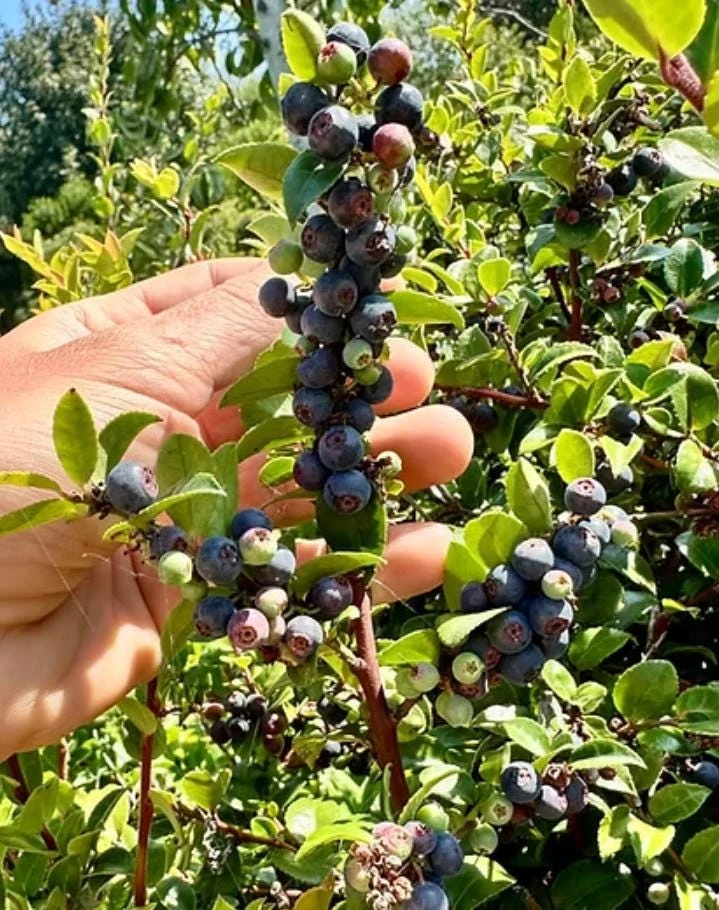
Shrubs
Set of 2 Evergreen Huckleberry Live Plants – Vaccinium ovatum – 3-7″ Tall – 3″ Pots – Edible Berries
Flower Seeds
Sedum obtusifolium ‘Listoniae’ Seeds – 50 Seeds, Pink Flowers, Deer Resistant Groundcover
Flower Seeds
Flower Seeds
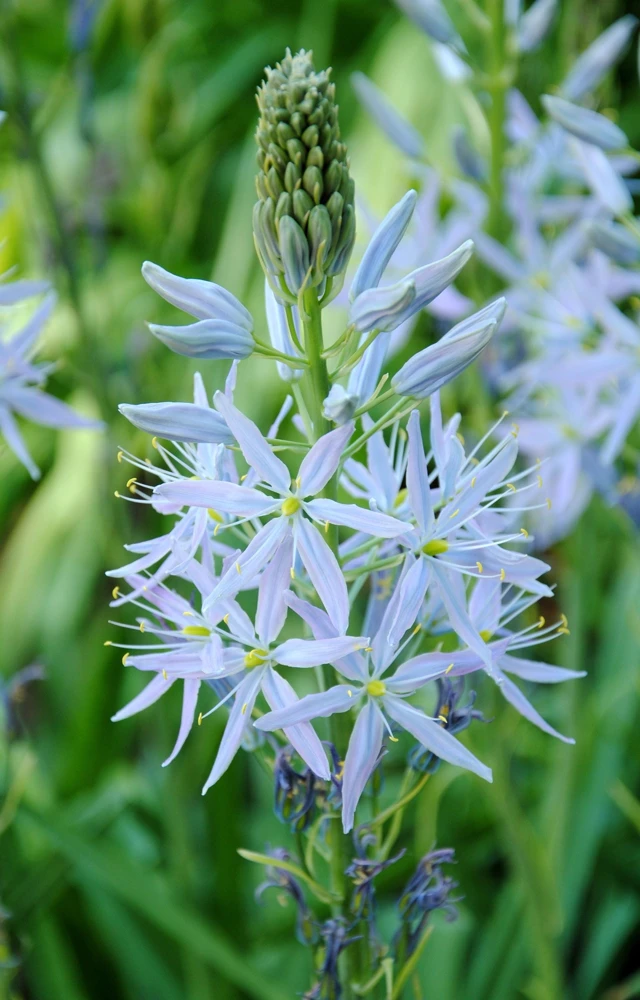
Wild Hyacinth Seeds – 25 Camassia Scilloides Native Flower Seeds, Pale Blue, 18-24″ Tall
Reviews
There are no reviews yet.