
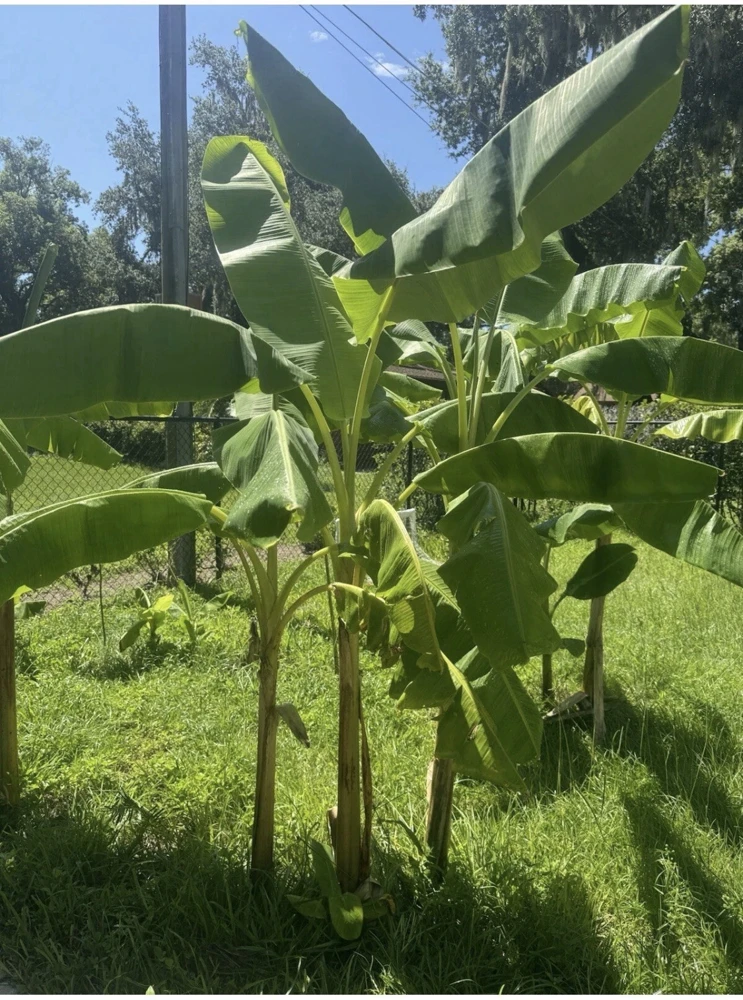
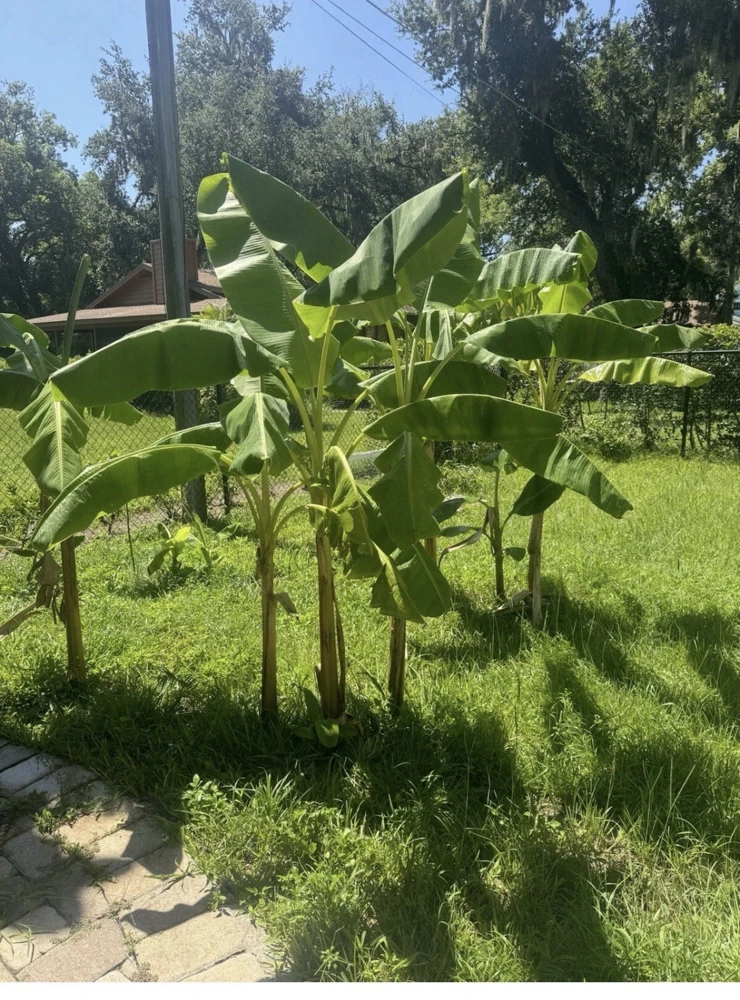
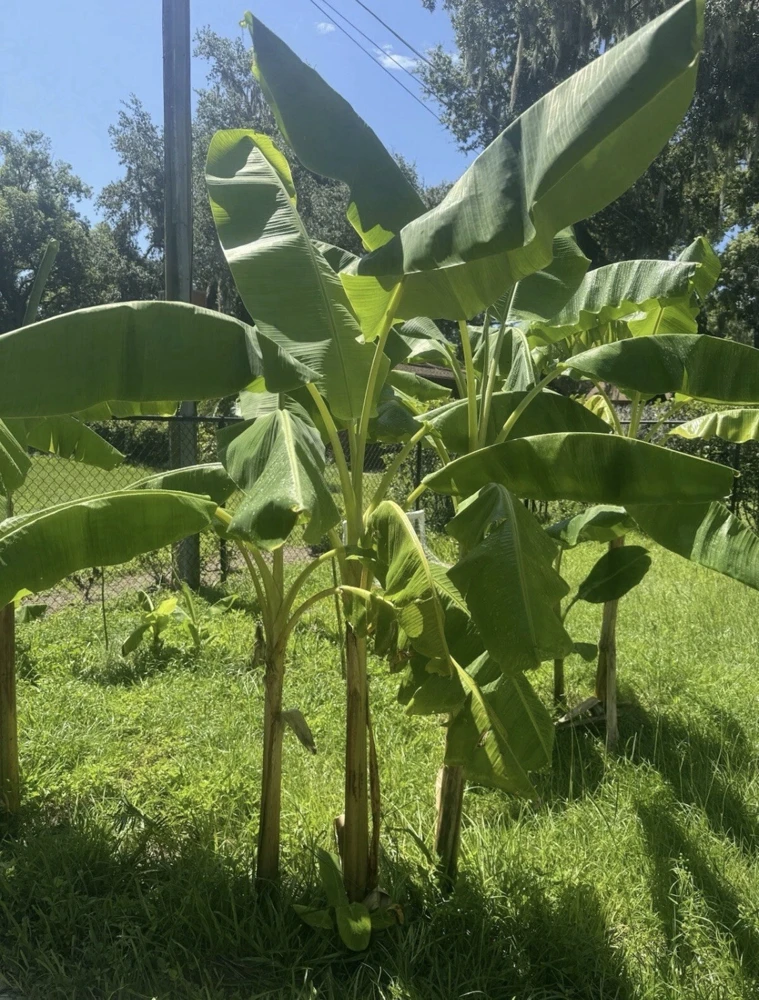
Dwarf Namwah Banana Tree Live Plant – Sweet Vanilla Flavor – Indoor/Outdoor
Original price was: $81.99.$61.99Current price is: $61.99.
Bring the tropics to your home with a Dwarf Namwah Banana Tree. This live plant produces delicious, sweet vanilla flavored bananas and is suitable for both indoor and outdoor cultivation in appropriate climates. Enjoy fresh, home-grown fruit with this compact and productive variety.
Estimated arrival
Oct 27
Nov 01 - Nov 03
Nov 06 - Nov 10
Shop With Confidence
30-Day Plant Health Guarantee
Arrives damaged? We’ll replace it free — see our return policy.
Responsive Support
Email us anytime, we reply within 1 business day.
Expert Packaging
Temperature-controlled shipping to protect your plants in transit.
Secure Checkout
Pay safely with Visa, Mastercard, PayPal.
Plant Specifications
-
USDA Hardiness Zone
USDA Zones 9-11 (outdoors), adaptable for indoor cultivation -
Soil Type
Rich, well-draining potting mix with compost -
Sunlight Exposure
Full sun (6-8+ hours direct light daily) -
Expected Planting Period
Year-round indoors; spring to early summer outdoors
Overview
Introduce a taste of the tropics to your garden or patio with the exceptional Dwarf Namwah Banana Tree. This highly sought-after live plant is renowned for its delicious fruit, boasting a unique sweet vanilla flavor that is truly a gourmet’s delight. Unlike many larger banana varieties, the ‘Dwarf Namwah’ offers a more compact growth habit, making it an excellent choice for home gardeners with limited space, or even for growing indoors in cooler climates. Originating from Southeast Asia, the Namwah banana (Musa acuminata x balbisiana ‘Namwah’) is a hybrid variety known for its resilience and prolific fruiting. This particular dwarf selection maintains all the desirable qualities of its larger counterpart but in a more manageable size. Whether you’re an experienced grower or a novice, cultivating a Dwarf Namwah Banana Tree can be a rewarding experience, providing you with an abundant supply of fresh, homegrown bananas.
The Dwarf Namwah Banana Tree is not only a source of incredible fruit but also an attractive ornamental plant with its large, lush green leaves. It creates a tropical ambiance wherever it’s placed, transforming your outdoor space or sunroom into an exotic retreat. This variety is celebrated for its vigorous growth and relatively quick fruiting, allowing you to enjoy its sweet harvest sooner than many other fruit trees. Its adaptability to various growing conditions, coupled with its compact size, makes it a superior choice for urban gardening, container planting, or as a focal point in a tropical-themed landscape. Experience the joy of harvesting your own sweet, creamy bananas right from your backyard or home with this fantastic dwarf variety.
Key Benefits
The Dwarf Namwah Banana Tree offers a multitude of benefits, making it a standout choice for any plant enthusiast looking to add a productive and ornamental specimen to their collection. Its unique characteristics contribute to both its aesthetic appeal and practical value:
- Exceptional Flavor: Enjoy bananas with a distinct sweet vanilla flavor, often described as having a creamy texture and rich taste, superior to common store-bought varieties. This makes the sweet vanilla banana a true culinary treat.
- Compact Growth Habit: As a dwarf variety, it reaches a more manageable height compared to standard banana trees, making it ideal for smaller gardens, patios, or even growing indoors in large containers. This characteristic also simplifies harvesting.
- Prolific Fruiting: Despite its smaller size, the Dwarf Namwah Banana Tree is known for its excellent fruit production, yielding abundant hands of delicious bananas. You’ll be amazed at the quantity of fruit a single plant can produce.
- Ornamental Appeal: With its large, vibrant green leaves and dramatic growth, this banana tree serves as a stunning tropical accent in any landscape or indoor setting, enhancing the beauty of your space.
- Adaptability: This variety is relatively hardy and adaptable, capable of thriving in a range of climates when given proper care and protection, allowing a wider audience to enjoy its benefits.
- Fresh, Homegrown Produce: Experience the satisfaction of harvesting your own fresh, organic bananas, free from pesticides and picked at peak ripeness for the best possible flavor. Growing a dwarf banana tree at home ensures you have access to nutrient-rich fruit.
- Educational Value: Growing a banana tree, especially an indoor banana plant, can be a fascinating educational experience for families, teaching about plant life cycles and food production.
Plant Care & Growing Tips
To ensure your Dwarf Namwah Banana Tree thrives and produces abundant fruit, consistent care and attention to its specific needs are crucial. Understanding proper Namwah banana plant care will lead to a healthy and productive specimen. Banana trees are heavy feeders and drinkers, so providing the right environment is key to success. This variety, while dwarf, still requires significant resources to grow and fruit.
Sunlight and Location: Banana trees, including the Dwarf Namwah Banana Tree, are tropical plants that require full sun to produce fruit. This means at least 6-8 hours of direct sunlight per day. If growing outdoors, choose a location that receives ample morning sun and some afternoon shade in extremely hot climates to prevent leaf scorch. For indoor cultivation, place your banana tree near a south-facing window or use supplemental grow lights to meet its light requirements. Insufficient light will result in slow growth and poor fruit production. Ensure good air circulation around the plant to prevent fungal issues.
Watering and Humidity: Consistent and ample watering is vital for banana trees. The soil should be kept consistently moist but not waterlogged. Water deeply when the top inch or two of soil feels dry to the touch. During hot, dry periods, this might mean daily watering. Reduce watering slightly in cooler months or if the plant is dormant. Good drainage is essential to prevent root rot. Banana trees also appreciate high humidity. Indoors, you can increase humidity by misting the leaves regularly, placing the pot on a pebble tray with water, or using a humidifier. This helps mimic their natural tropical environment and prevents leaf edges from browning.
Soil and Fertilization: A rich, well-draining soil mix is ideal for your Dwarf Namwah Banana Tree. A blend of potting mix, compost, and perlite or sand will provide both nutrients and good drainage. Banana trees are heavy feeders and require regular fertilization, especially during their active growing season. Use a balanced fertilizer (e.g., 8-10-8 or similar) every 4-6 weeks from spring through fall. Alternatively, a slow-release granular fertilizer can be applied according to package directions. Reduce or cease fertilization during winter months when growth slows. Regular feeding supports vigorous growth and fruit development, ensuring a healthy sweet vanilla banana harvest.
Temperature and Hardiness: The Dwarf Namwah Banana Tree thrives in warm temperatures, ideally between 65°F and 95°F (18°C-35°C). It is sensitive to cold and frost. If growing outdoors in USDA zones below 9, you will need to provide winter protection or bring the plant indoors. In zones 9-11, it can often be grown outdoors year-round with some mulching around the base in colder periods. Protect from strong winds, which can shred the large leaves. Proper care for your growing dwarf banana tree during cold snaps is crucial for its survival.
Size & Details
This offering is for a live Dwarf Namwah Banana Tree, a robust and healthy specimen ready for planting. The plant ships as a young, actively growing plant, typically in a nursery pot, ensuring it establishes quickly in its new environment. While specific dimensions may vary upon arrival, these dwarf varieties are known for their compact mature size, usually reaching 6-10 feet in height when grown in optimal conditions, making them manageable for home gardens and larger containers. The growth rate is relatively fast under ideal tropical conditions, allowing you to enjoy fruit within 1-2 years from planting, depending on care and climate. Each plant is carefully packaged to minimize stress during transit, arriving ready for immediate potting or planting in your garden. Expect lush green foliage and a sturdy stem, indicative of its vigorous growth potential. This Dwarf Namwah Banana Tree is an excellent investment for fresh, homegrown produce.
Frequently Asked Questions
- Q: How big does this plant get? A: The Dwarf Namwah Banana Tree typically reaches a mature height of 6-10 feet when grown in optimal conditions, making it a manageable size for most home gardens and container growing. Its compact nature is one of its key advantages.
- Q: Is this an indoor or outdoor plant? A: This banana tree can be grown both indoors and outdoors. It thrives outdoors in USDA zones 9-11. In cooler climates, it can be grown outdoors during warm months and brought inside as an indoor banana plant during winter, or grown permanently indoors with sufficient light.
- Q: How much sunlight does it need? A: The Dwarf Namwah Banana Tree requires a minimum of 6-8 hours of direct sunlight per day to produce fruit. Full sun is ideal for robust growth and optimal fruit development.
- Q: Is this plant easy to care for? A: While not entirely hands-off, the Dwarf Namwah Banana Tree is considered relatively easy for a fruit-bearing plant, especially compared to some other tropical fruit trees. Consistent watering, feeding, and ample sunlight are its primary requirements. Many find Namwah banana plant care rewarding.
- Q: What condition will it arrive in? A: Your Dwarf Namwah Banana Tree will arrive as a healthy, live plant, carefully packaged to ensure its safety during transit. It will be ready for immediate planting in its permanent location or a larger pot.
- Q: How long until it blooms and fruits? A: Under ideal growing conditions, you can expect your Dwarf Namwah Banana Tree to begin flowering and producing fruit within 1 to 2 years after planting. This timeline can vary based on care, climate, and initial plant size.
- Q: Can I grow this in a pot? A: Yes, the Dwarf Namwah Banana Tree is an excellent candidate for container growing due to its compact size. Choose a large pot (at least 15-20 gallons) to accommodate its root system and provide stability.
- Q: What does a sweet vanilla banana taste like? A: The fruit of the Dwarf Namwah Banana Tree is known for its exceptionally sweet flavor with distinct vanilla undertones. It has a creamy texture and is often preferred over common dessert bananas for its unique taste profile.
- Q: What type of soil is best for growing dwarf banana tree? A: A rich, well-draining soil mix is best. A blend of good quality potting mix, compost, and perlite or sand will provide the necessary nutrients and ensure proper drainage, which is crucial for preventing root rot.
- Q: Will it survive winter in my zone? A: If you are in USDA zones 9-11, the Dwarf Namwah Banana Tree can typically survive winter outdoors with some protection. In colder zones, it must be brought indoors or heavily protected from frost to survive.
Be the first to review “Dwarf Namwah Banana Tree Live Plant – Sweet Vanilla Flavor – Indoor/Outdoor”
People Also Viewed

Vegetable Seeds
Fordhook 242 Lima Bean Seeds – Bush Vegetable Seeds – 20 Count
Reviews
There are no reviews yet.