
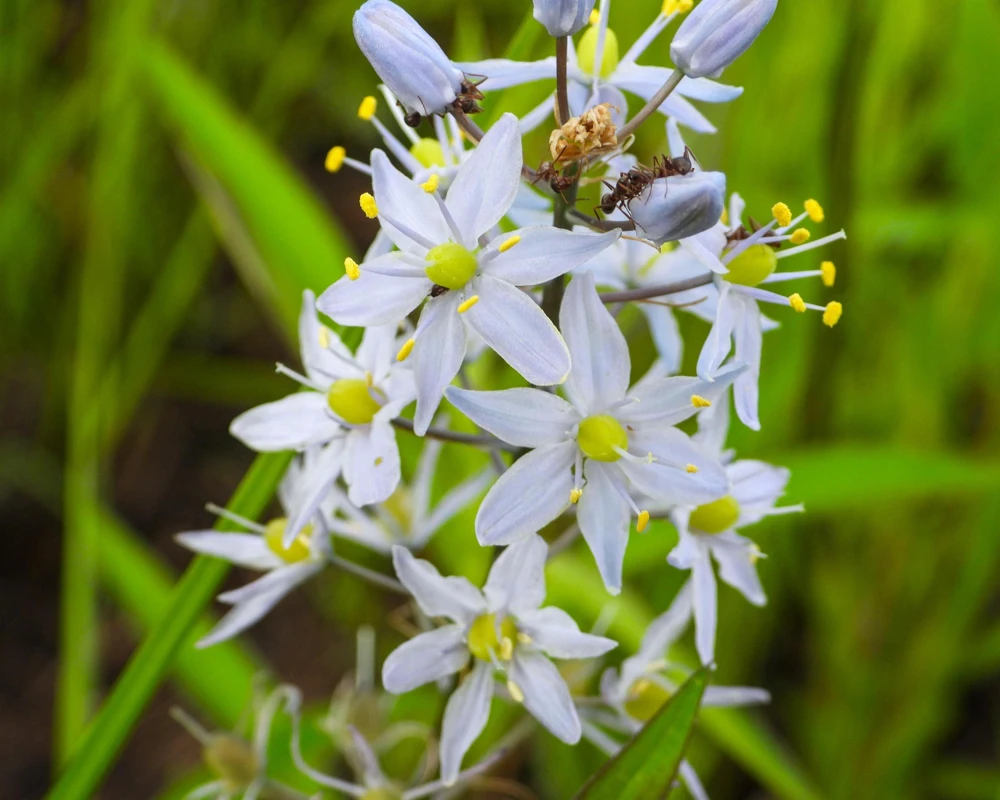
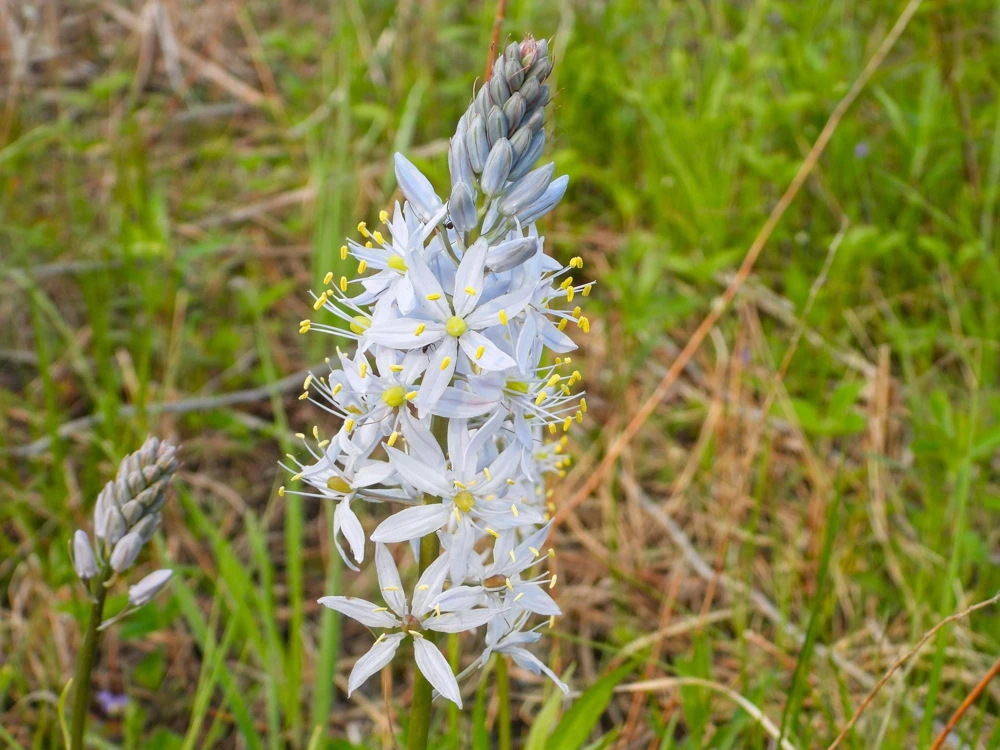
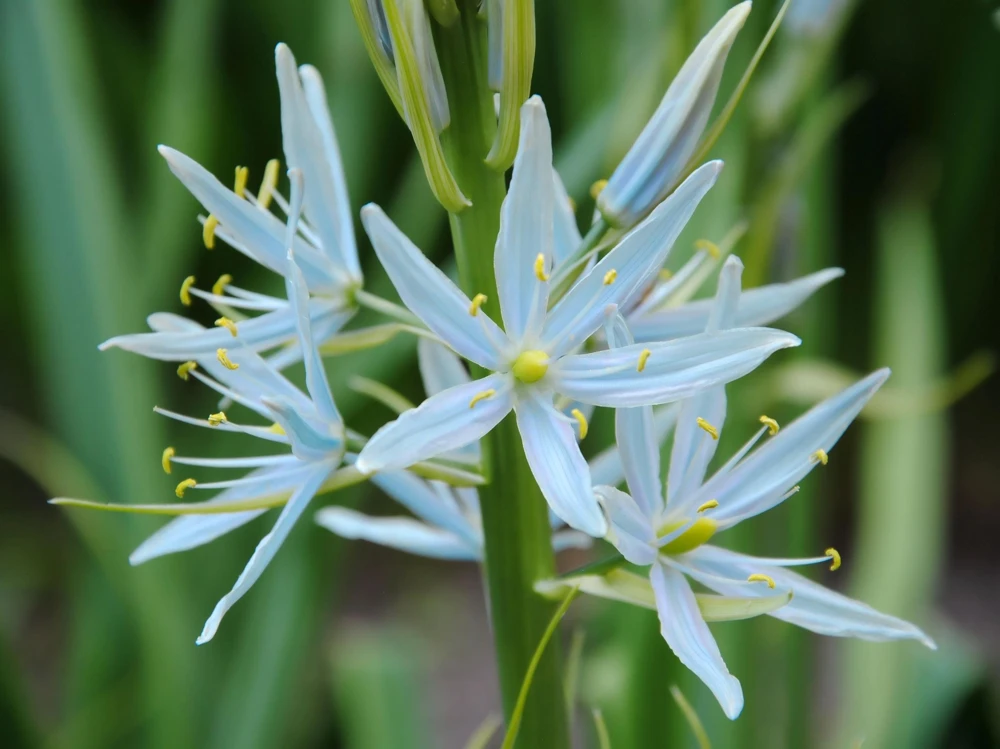
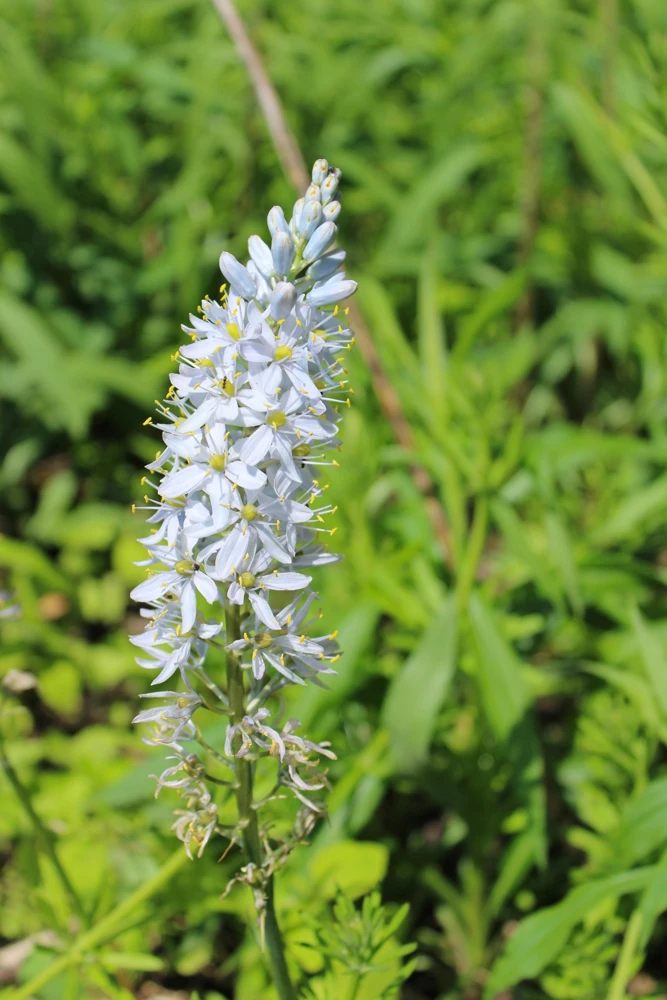
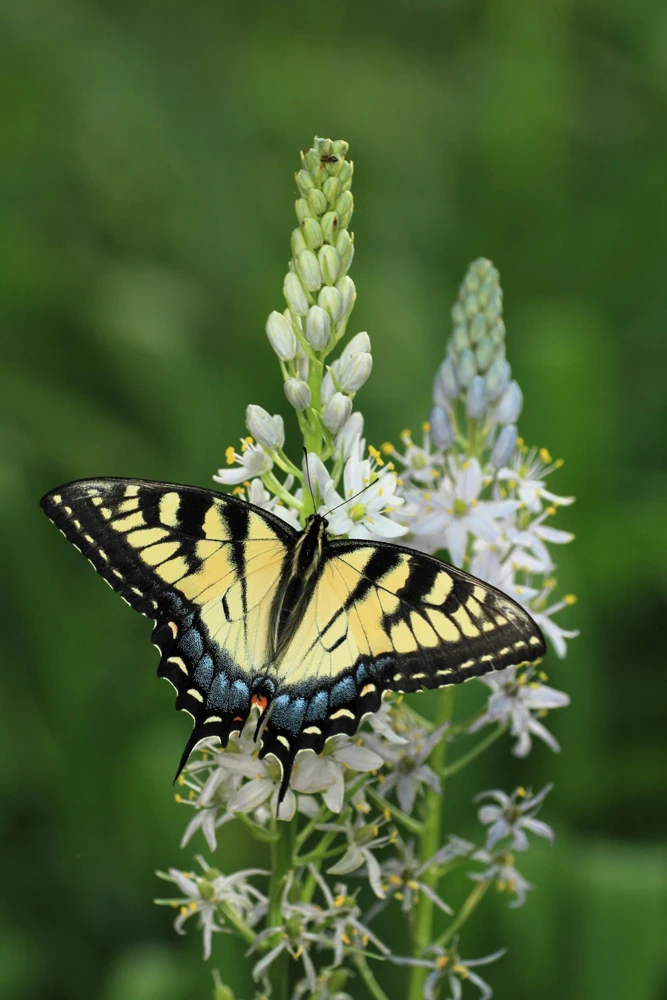
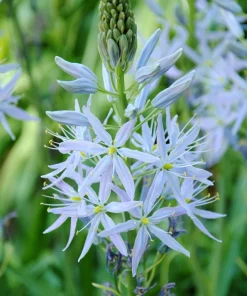
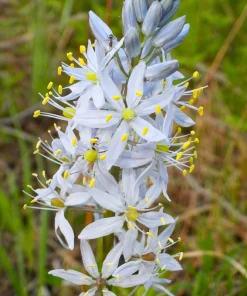
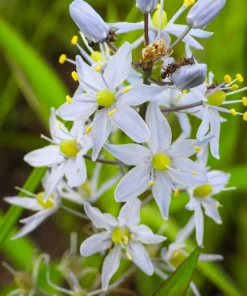
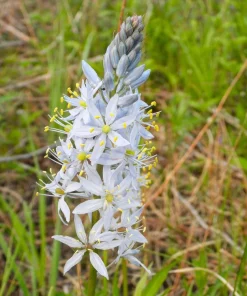
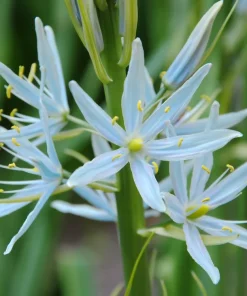
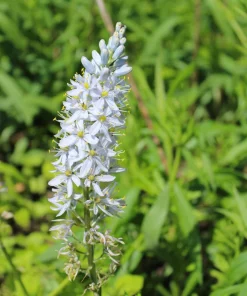
Wild Hyacinth Seeds – 25 Camassia Scilloides Native Flower Seeds, Pale Blue, 18-24″ Tall
Original price was: $38.04.$18.04Current price is: $18.04.
Discover the beauty of native flora with these wild hyacinth seeds. Each pack contains 25 Camassia Scilloides seeds, perfect for cultivating stunning pale blue flowers. Also known as Eastern Camas Lily, these adaptable plants thrive in USDA Zones 4-8 and attract beneficial pollinators to your garden. Enjoy their delicate blooms from May to June.
Estimated arrival
Sep 14
Sep 19 - Sep 21
Sep 24 - Sep 28
Shop With Confidence
30-Day Plant Health Guarantee
Arrives damaged? We’ll replace it free — see our return policy.
Responsive Support
Email us anytime, we reply within 1 business day.
Expert Packaging
Temperature-controlled shipping to protect your plants in transit.
Secure Checkout
Pay safely with Visa, Mastercard, PayPal.
Plant Specifications
-
USDA Hardiness Zone
4 - 8 -
Soil Type
Average, well-draining soil -
Sunlight Exposure
Full sun - Part shade -
Expected Planting Period
Fall or indoors weeks before last frost
Overview
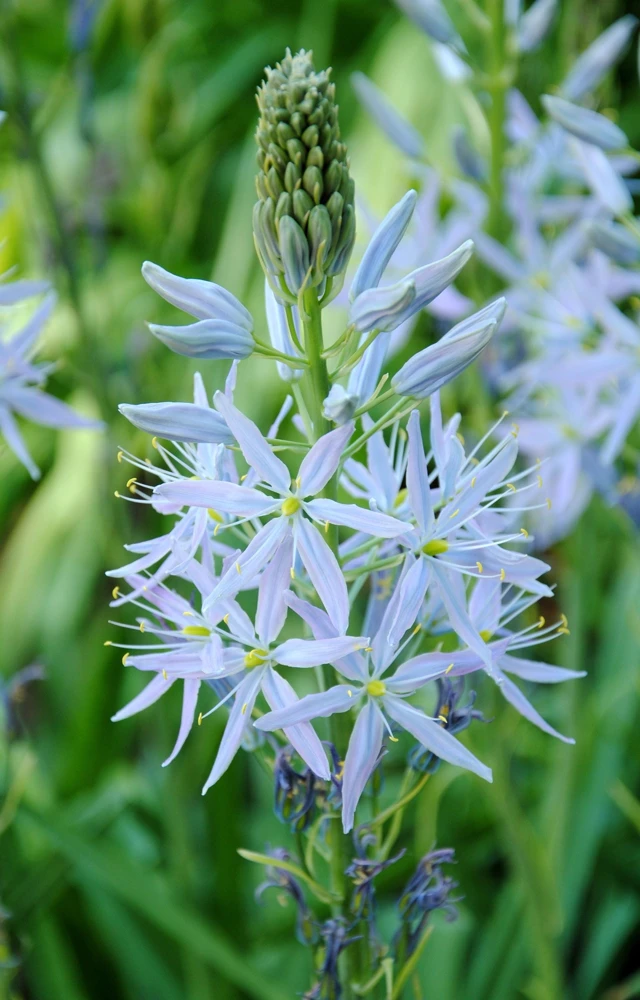
Cultivate a touch of wild elegance in your garden with our premium wild hyacinth seeds. Each packet contains 25 viable seeds of Camassia Scilloides, a beautiful native North American flower renowned for its charming pale blue blooms. Also known by common names such as Atlantic Camas and Eastern Camas Lily, this resilient perennial adds a graceful vertical element to naturalized areas, cottage gardens, and borders. These flowers are not only visually appealing but also play a vital role in supporting local ecosystems by attracting pollinators like bees and butterflies. Growing from seed offers a rewarding experience, allowing you to establish a robust stand of these lovely plants that will return year after year, brightening your landscape with their delicate, star-like flowers.
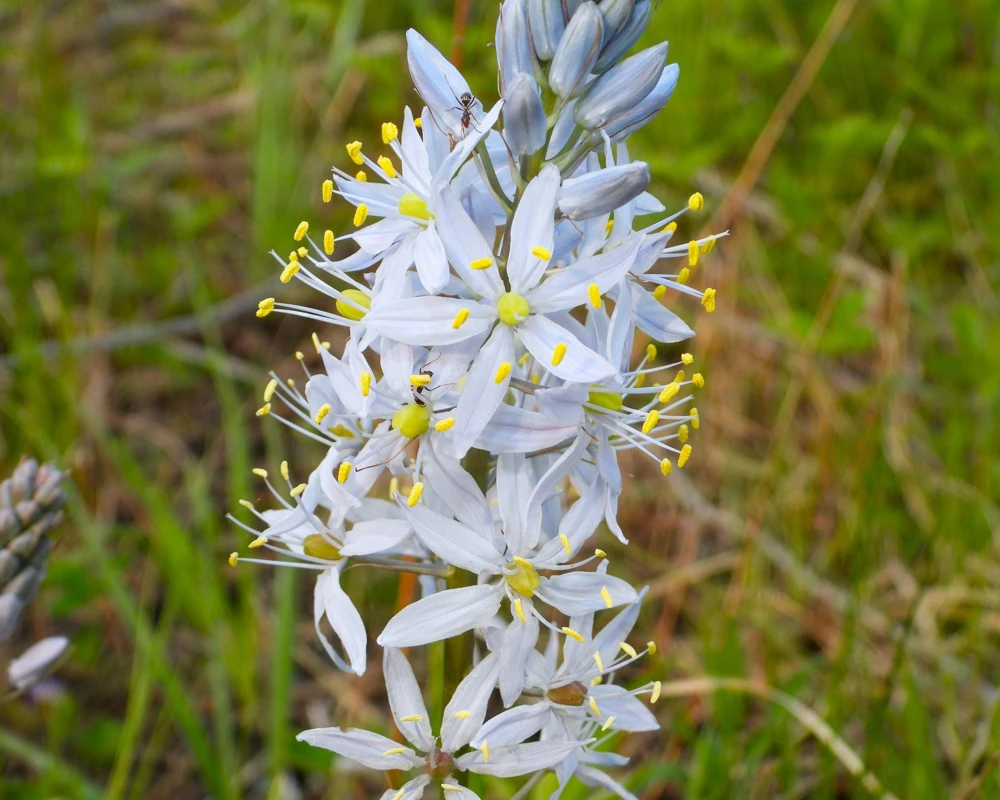
Our wild hyacinth seeds are carefully selected to ensure high germination rates, providing you with the best possible start for your garden project. Whether you’re an experienced gardener or just beginning, these seeds offer a straightforward path to growing a truly unique and beneficial plant. The pale blue petals, often accented with bright yellow anthers, create a serene and natural aesthetic. These adaptable plants are an excellent choice for gardeners looking to enhance biodiversity and introduce native species that are well-suited to their local environment, thriving with minimal intervention once established.
Key Benefits
Growing wild hyacinth seeds provides a multitude of benefits for both your garden and the local environment. These native flowers are a fantastic addition to any landscape, offering beauty and ecological value.
- Stunning Pale Blue Blooms: Enjoy a profusion of delicate, star-shaped pale blue flowers that emerge in late spring to early summer, adding a serene and natural charm to your garden. These blooms are a true spectacle, providing a soft color palette that complements various garden designs.
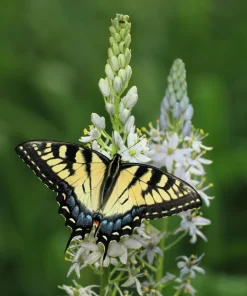
- Attracts Pollinators: As a native species, Camassia Scilloides is a magnet for bees, butterflies, and other beneficial insects, supporting local biodiversity and contributing to a healthy garden ecosystem. Planting these seeds helps provide essential nectar sources for these important creatures.
- Low Maintenance & Hardy: Once established, these plants are remarkably low-maintenance, tolerant of various conditions, and highly resistant to pests and diseases. They are an excellent choice for gardeners seeking beautiful flowers without constant fuss.
- Native Plant for Ecological Gardens: Incorporating Eastern Camas Lily into your landscape helps restore native habitats and provides a sustainable, resilient planting option that thrives in its natural range. It’s a great way to contribute to environmental conservation.
- Adaptable to Sun & Part Shade: These versatile flowers can flourish in a range of light conditions, from full sun to partial shade, offering flexibility in garden placement and design. This adaptability makes them suitable for many garden spots.
- Deer Resistant:Wild hyacinth seeds grow into plants that are generally unappealing to deer, making them a good choice for gardens in areas where deer browsing is a concern. Enjoy your blooms without worrying about them becoming a deer snack.
- Perennial Beauty: These plants will return year after year, establishing themselves and spreading over time to create a beautiful, naturalized display without the need for annual replanting. Your investment in camassia scilloides seeds will yield lasting beauty.
Plant Care & Growing Tips
Successfully growing wild hyacinth seeds, or Camassia Scilloides seeds, is a rewarding experience, and with the right care, you can enjoy their beautiful pale blue blooms for years. These native plants are relatively easy to grow once established. For optimal germination, cold stratification is often beneficial. You can achieve this by planting seeds outdoors in the fall, allowing nature to provide the necessary cold period, or by refrigerating seeds in a moist medium for several weeks before indoor sowing.
When it comes to planting, choose a location that receives full sun to partial shade. While they can tolerate some shade, more sun generally leads to more abundant flowering. The soil preference for Eastern Camas Lily is average, well-draining soil. Avoid overly wet conditions, especially during dormancy, as this can lead to bulb rot. Once planted, ensure consistent moisture until the seedlings are established. After establishment, these plants are quite drought-tolerant, requiring less frequent watering. They are hardy in USDA Zones 4-8, meaning they can withstand quite cold winters and hot summers within this range. Plant seeds approximately 1/4 inch deep and space them 8-12 inches apart to allow for mature plant growth. Expect blooms from May to June, typically in their second or third year from seed.
Fertilization is generally not heavily required for established wild hyacinth seeds plants, especially in rich garden soil. If your soil is poor, a light application of balanced, slow-release fertilizer in early spring can be beneficial. Watch out for common garden pests, though Wild Hyacinth is generally quite resistant. Slugs and snails might occasionally bother young seedlings, but mature plants are rarely affected. Ensure good air circulation to prevent fungal issues. By providing these basic care requirements, your blue flower seeds will flourish into a charming display.
Size & Details
Each packet contains 25 high-quality wild hyacinth seeds (Camassia Scilloides), ready for planting. These perennial plants typically reach a mature height of 18-24 inches, creating an attractive upright display in your garden. They spread to about 8-12 inches wide, forming lovely clumps over time. The pale blue flowers emerge on sturdy stalks from May to June, adding a delicate color to the late spring and early summer landscape. These plants are shipped in seed form, allowing you the joy of growing them from scratch. While germination can take several weeks, the first blooms usually appear in the second or third growing season, establishing a long-lived and beautiful addition to your garden. Their robust root system helps them naturalize well.
Frequently Asked Questions
- Q: How big does this plant get? A: The wild hyacinth seeds will grow into plants that typically reach a height of 18 to 24 inches, with a spread of 8 to 12 inches. They form attractive upright clumps in the garden.
- Q: Is this an indoor or outdoor plant? A: Camassia Scilloides seeds are intended for outdoor planting. They are hardy perennials that thrive in garden beds, naturalized areas, and borders in USDA Zones 4-8.
- Q: How much sunlight does it need? A: Wild Hyacinth performs best in full sun to partial shade. While it can tolerate some shade, you will generally see more abundant flowering in sunnier locations.
- Q: Is this plant easy to care for? A: Yes, once established, the Eastern Camas Lily is considered a low-maintenance plant. It’s quite resilient and tolerant of various conditions, making it suitable for gardeners of all experience levels.
- Q: What condition will the seeds arrive in? A: You will receive 25 fresh, viable wild hyacinth seeds in a protective packet, ready for planting according to the instructions provided.
- Q: How long until it blooms? A: While germination can occur within a few weeks, these perennial flowers typically take 2 to 3 years from seeding to produce their first blooms. Once established, they will bloom reliably each spring.
- Q: When is the best time to plant wild hyacinth seeds? A: The best time to plant wild hyacinth seeds is in the fall, allowing them to undergo natural cold stratification over winter. Alternatively, you can cold stratify them indoors and plant in early spring after the last frost.
- Q: Will it survive winter in my zone? A: Yes, these plants are hardy in USDA Zones 4 through 8, meaning they are well-adapted to survive the winter conditions within these regions.
- Q: Are these native flower seeds good for pollinators? A: Absolutely! These native flower seeds grow into plants that are excellent for attracting and supporting native pollinators like bees and butterflies, contributing to local biodiversity.
- Q: What kind of soil do these blue flower seeds prefer? A: Wild hyacinth seeds prefer average, well-draining soil. They are not particular about soil pH but do not tolerate consistently wet or waterlogged conditions, especially during dormancy.
Be the first to review “Wild Hyacinth Seeds – 25 Camassia Scilloides Native Flower Seeds, Pale Blue, 18-24″ Tall”
People Also Viewed
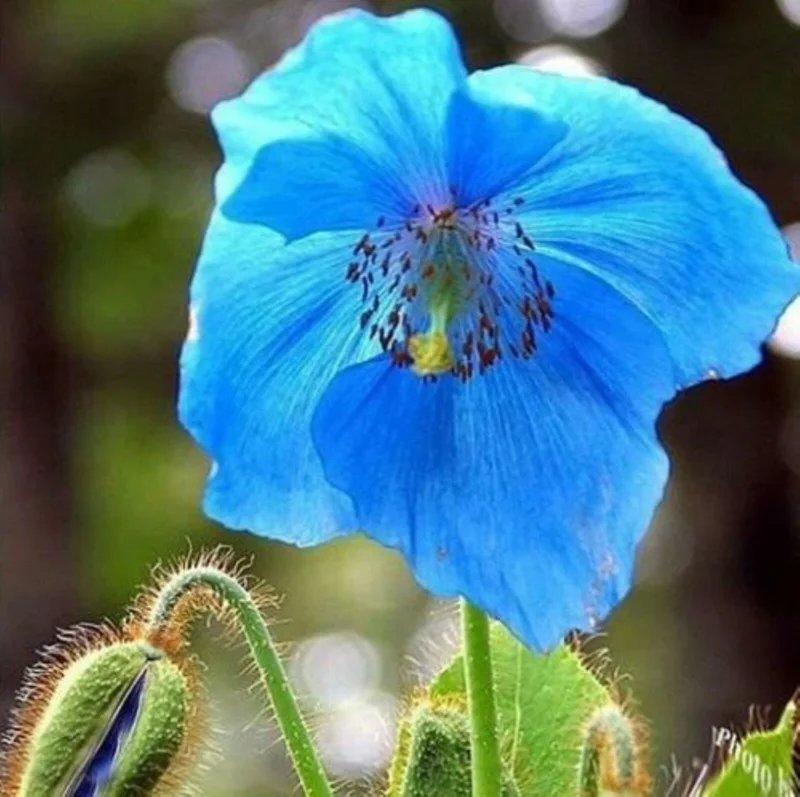
Flower Seeds
Himalayan Blue Poppy Seeds – Meconopsis Perennial Flowering – 200 Seeds – Indoor & Outdoor
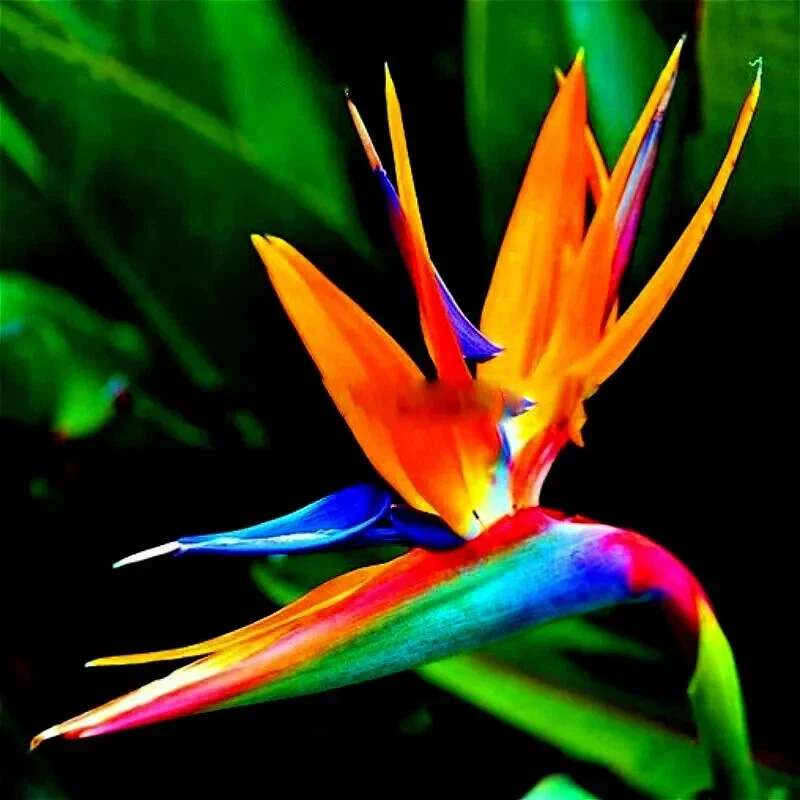
Flower Seeds
Orange Bird of Paradise Seeds – Strelitzia reginae Tropical Crane Flower 10 Seeds Perennial
Reviews
There are no reviews yet.