
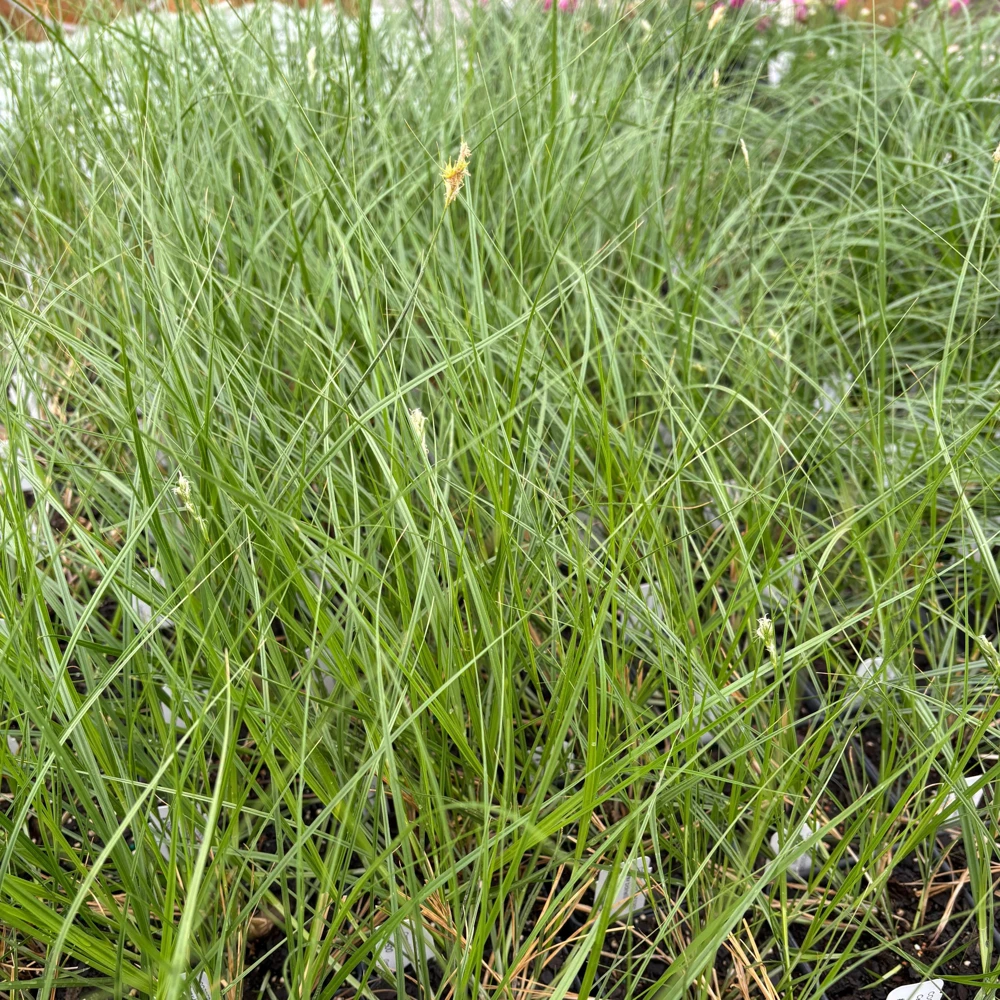
Bicknell’s Sedge Live Plant – Carex bicknellii – 3.5 Inch Pot – Native Grass
Original price was: $40.99.$23.99Current price is: $23.99.
Bring natural beauty to your landscape with this Bicknell’s Sedge live plant. Carex bicknellii is a versatile native grass, perfect for meadows, borders, or naturalized areas, thriving in various light conditions. Comes in a 3.5 inch pot.
Estimated arrival
Oct 25
Oct 30 - Nov 01
Nov 04 - Nov 08
Shop With Confidence
30-Day Plant Health Guarantee
Arrives damaged? We’ll replace it free — see our return policy.
Responsive Support
Email us anytime, we reply within 1 business day.
Expert Packaging
Temperature-controlled shipping to protect your plants in transit.
Secure Checkout
Pay safely with Visa, Mastercard, PayPal.
Plant Specifications
-
USDA Hardiness Zone
3-7 -
Soil Type
Well-draining soil -
Sunlight Exposure
Full Sun to Part Shade -
Expected Planting Period
Spring to Fall
Overview
Discover the resilient beauty of the Bicknell’s Sedge live plant (Carex bicknellii), a charming addition to any garden or naturalized landscape. This fine-textured perennial grass is celebrated for its adaptability and ecological value, making it an excellent choice for gardeners seeking low-maintenance native plants. Often referred to simply as Bicknell’s Sedge, this species is native to Eastern North America and plays a crucial role in local ecosystems, providing habitat and food for various wildlife. Our Bicknell’s Sedge live plant comes ready to thrive in a 3.5 inch pot, ensuring a strong start in your garden. It’s an ideal choice for creating naturalistic plantings, stabilizing soil, or adding subtle texture to perennial borders with its elegant, upright clumps.
Carex bicknellii is a robust and attractive sedge that can withstand a range of environmental conditions once established. Its slender, green foliage forms dense tufts, providing year-round interest. Unlike many ornamental grasses, sedges like Bicknell’s Sedge prefer slightly more moisture but are remarkably tolerant of drier conditions once mature. This makes it a versatile option for various garden settings, from rain gardens to dry meadow plantings. The subtle, inconspicuous flowers appear in spring, followed by unique seed heads that add architectural interest and provide food for birds. This native sedge plant is an ecologically sound choice that contributes to biodiversity and sustainability in your outdoor space.
Key Benefits
The Bicknell’s Sedge live plant offers a multitude of advantages for both the gardener and the environment. Its natural resilience and aesthetic appeal make it a standout choice:
-
Ecological Impact: As a native sedge plant, Carex bicknellii supports local ecosystems by providing food and shelter for native insects and wildlife, contributing to biodiversity in your garden.
-
Drought Tolerance: Once established, Bicknell’s Sedge is remarkably tolerant of dry conditions, making it an excellent choice for water-wise landscaping and challenging sites.
-
Versatile Light Adaptability: This sedge thrives in a wide range of light conditions, from full sun to part shade, allowing for flexible placement in various garden designs.
-
Low Maintenance: Requiring minimal care, Bicknell’s Sedge live plant is perfect for busy gardeners. It generally doesn’t need much pruning, fertilizing, or pest control.
-
Erosion Control: Its fibrous root system is excellent for stabilizing soil on slopes or in areas prone to erosion, making it a functional and beautiful groundcover.
-
Fine Texture: The delicate, grass-like foliage adds a soft, elegant texture to garden beds, contrasting beautifully with broader-leaved plants and creating a sense of movement.
-
Year-Round Interest: Even in winter, the persistent foliage of Carex bicknellii provides structure and subtle color to the landscape, especially in milder climates.
Plant Care & Growing Tips
Caring for your Bicknell’s Sedge live plant is straightforward, thanks to its robust nature and adaptability. This native sedge plant is well-suited to a variety of conditions, making it an excellent choice for both novice and experienced gardeners. For optimal growth, plant in a location that receives full sun to part shade. Full sun (6+ hours of direct sunlight daily) will encourage denser growth and more prolific seed production, while part shade (2-6 hours of sun, typically morning sun with afternoon shade) is also well tolerated, especially in hotter climates where it can help prevent scorching.
When considering Carex bicknellii care, soil type is important but not overly restrictive. Bicknell’s Sedge prefers well-draining soil but can adapt to sandy, loamy, or even clay soils, provided they do not remain waterlogged for extended periods. Once established, it is remarkably drought-tolerant, reducing the need for frequent watering. During its first growing season, ensure consistent moisture to help the root system develop. After that, supplemental watering is usually only needed during prolonged dry spells. This ornamental grass US native typically doesn’t require heavy fertilization; a light application of a balanced, slow-release fertilizer in spring can be beneficial, but often isn’t necessary in fertile soils. It is hardy in USDA Zones 3-7, making it suitable for a wide range of climates across the United States. Minimal pest or disease issues are typically encountered, further simplifying maintenance.
Propagation of Bicknell’s Sedge can be done through division in spring or by seed. While generally low-maintenance, a light tidy-up in late winter or early spring by cutting back any tattered foliage can rejuvenate the plant and encourage fresh new growth. Avoid cutting back too severely in fall, as the foliage provides winter interest and protection. This approach to Carex bicknellii care ensures a healthy, vibrant plant that will enhance your garden for years to come.
Size & Details
The Bicknell’s Sedge live plant provided is a healthy, actively growing specimen in a 3.5 inch nursery pot. This size is ideal for transplanting directly into your garden beds, containers, or naturalized areas. When mature, Carex bicknellii typically reaches a height of 1 to 3 feet, forming attractive, upright clumps that spread slowly by rhizomes to create a graceful, fine-textured display. The plant’s moderate growth rate allows it to establish well without becoming overly aggressive, making it an excellent choice for structured plantings or wilder landscapes.
This native sedge plant is shipped in its pot with soil, ensuring minimal transplant shock and a smooth transition to its new home. Expect the plant to begin actively growing shortly after planting, with its full mature size typically reached within 2-3 years. Its persistent foliage offers year-round visual appeal, particularly in regions with milder winters. Whether used as a groundcover, in mass plantings, or as an accent in a perennial border, this Bicknell’s Sedge live plant is a reliable and beautiful choice for adding natural elegance to your outdoor space.
Frequently Asked Questions
-
Q: How big does this Bicknell’s Sedge live plant get? A: This sedge typically grows to a height of 1 to 3 feet (30-90 cm) when mature. It forms neat, upright clumps that can slowly spread over time.
-
Q: What size pot does it come in? A: The Bicknell’s Sedge live plant is shipped in a convenient 3.5 inch nursery pot, ready for planting.
-
Q: Is this an indoor or outdoor plant? A: Bicknell’s Sedge live plant is primarily an outdoor plant, well-suited for gardens, meadows, and naturalized areas. It is not typically grown as an indoor houseplant.
-
Q: How much sunlight does it need? A: This plant is highly adaptable and thrives in full sun (6+ hours direct sunlight) to part shade (2-6 hours direct sunlight). It is one of the best choices for sedge for full sun conditions.
-
Q: Is this plant easy to care for? A: Yes, Carex bicknellii care is considered very easy. It is a low-maintenance native plant that is drought-tolerant once established and generally pest and disease free.
-
Q: What condition will it arrive in? A: Your Bicknell’s Sedge live plant will arrive as a healthy, actively growing plant in its nursery pot, carefully packaged to ensure its safe journey.
-
Q: When is the best time to plant Bicknell’s Sedge? A: The best time to plant is in spring or early fall, allowing the plant to establish its root system before extreme weather. However, container-grown plants can be planted throughout the growing season.
-
Q: Will it survive winter in my zone? A: Yes, Carex bicknellii is hardy in USDA Zones 3-7, meaning it is very cold tolerant and will overwinter successfully in these regions.
-
Q: What type of soil does this ornamental grass US native prefer? A: It prefers well-draining soil but is adaptable to various soil types including sandy, loamy, and clay soils. It’s an excellent choice for sedge for full sun conditions.
-
Q: Is Bicknell’s Sedge considered an ornamental grass? A: While technically a sedge, it is often used similarly to ornamental grasses in landscaping due to its grass-like appearance and texture, making it a great ornamental grass US native option.
Be the first to review “Bicknell’s Sedge Live Plant – Carex bicknellii – 3.5 Inch Pot – Native Grass”
People Also Viewed
Reviews
There are no reviews yet.