

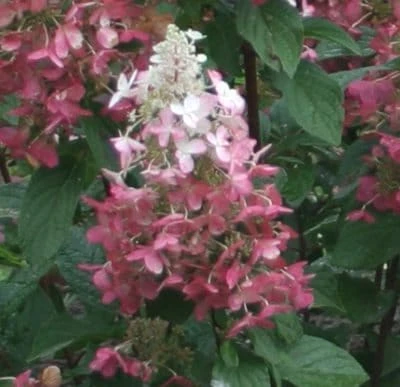
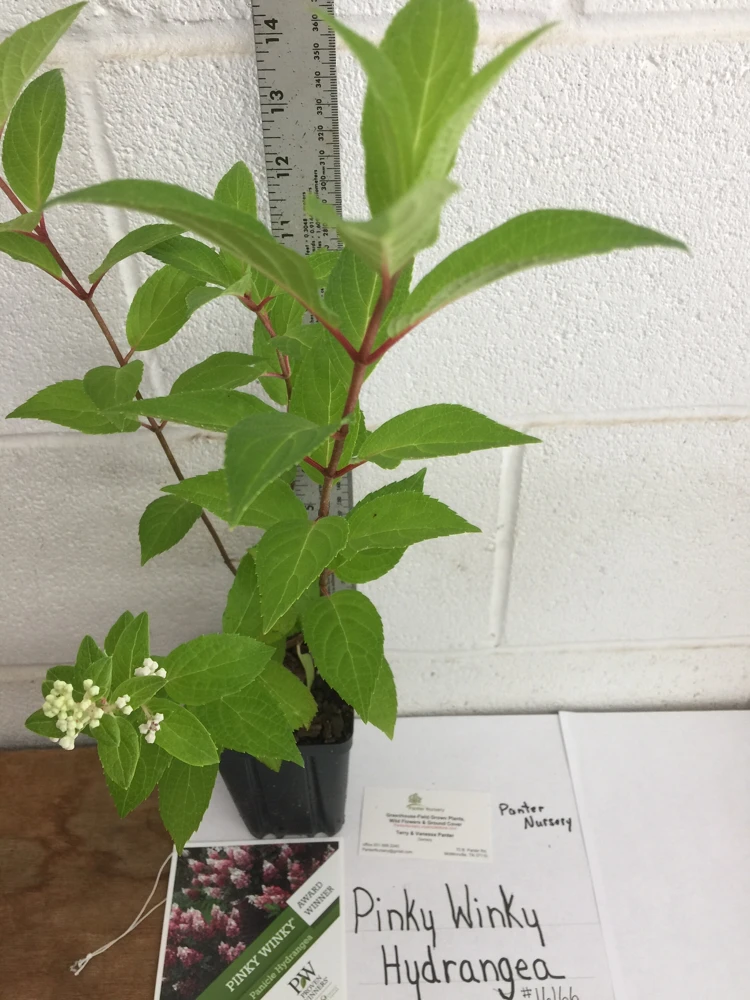
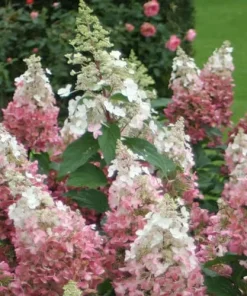
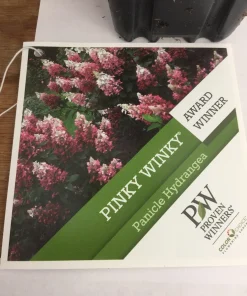
Pinky Winky Hydrangea Live Plant – Quart Pot, Two-Tone Flowers, Zones 4-9
Original price was: $56.99.$36.99Current price is: $36.99.
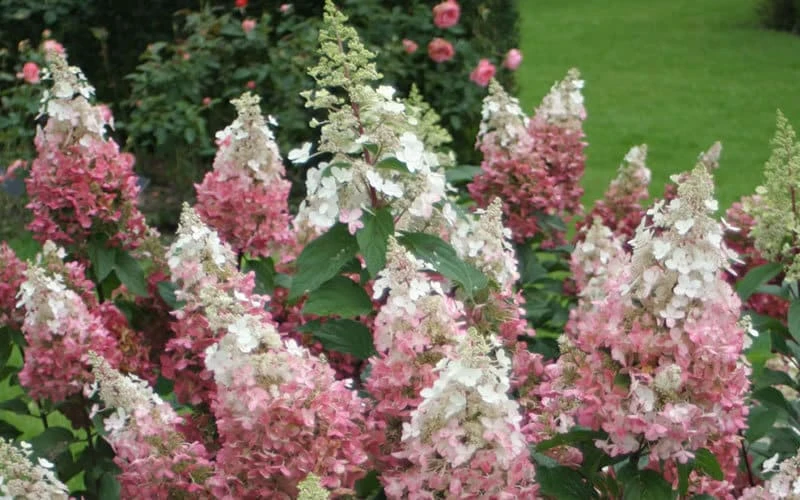
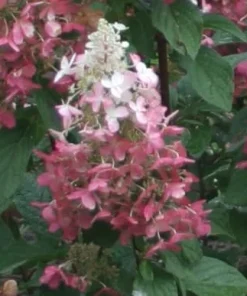
Enhance your garden with the captivating Pinky Winky Hydrangea live plant. This unique shrub produces large white panicles that gradually turn pink, creating a stunning two-tone effect. Ideal for outdoor landscapes, it’s hardy in USDA Zones 4-9 and can be maintained as a smaller plant or grown into a small tree.
Estimated arrival
Sep 20
Sep 25 - Sep 27
Sep 30 - Oct 04
Shop With Confidence
30-Day Plant Health Guarantee
Arrives damaged? We’ll replace it free — see our return policy.
Responsive Support
Email us anytime, we reply within 1 business day.
Expert Packaging
Temperature-controlled shipping to protect your plants in transit.
Secure Checkout
Pay safely with Visa, Mastercard, PayPal.
Plant Specifications
-
USDA Hardiness Zone
USDA Zones 4-9 -
Soil Type
Well-draining soil, slightly acidic to neutral -
Sunlight Exposure
Full sun to partial shade -
Expected Planting Period
Spring to early summer
Overview
Introducing the magnificent Pinky Winky Hydrangea live plant, a distinctive and highly sought-after variety of Hydrangea paniculata. This exceptional shrub is celebrated for its dynamic floral display, beginning with large, pristine white panicles that emerge in mid to late summer. As the season progresses into fall, the base of these panicles gracefully transitions to a lovely pink hue, while new white florets continue to form at the tips. This unique characteristic results in spectacular two-tone flower panicles that provide continuous visual interest and a vibrant splash of color in any garden. The Pinky Winky Hydrangea live plant is an excellent choice for gardeners looking to add long-lasting beauty and structure to their outdoor spaces, offering a truly unique aesthetic that evolves with the seasons.
This particular variety, often referred to simply as Pinky Winky, is known for its robust growth and adaptability. It blooms on new wood, making it remarkably easy to maintain and ensuring a consistent floral show each year. Whether you envision it as a compact accent in a mixed border or trained into a charming small tree, the Pinky Winky offers versatility in landscaping. Its ability to thrive in a wide range of climates makes it a popular selection for gardeners across various regions, providing reliable performance and breathtaking blooms.
Key Benefits
The Pinky Winky Hydrangea live plant offers a multitude of benefits that make it an outstanding addition to any garden. Its unique flowering habit and ease of care contribute to its widespread appeal, ensuring a rewarding gardening experience. You’ll find this plant to be a true garden performer.
- Spectacular Two-Tone Blooms: Enjoy a prolonged display of large panicles that start white and gradually turn pink from the base upwards, creating a captivating two-tone effect that adds depth and interest to your landscape. This dynamic color change is a hallmark of the Pinky Winky Hydrangea live plant.
- Extended Bloom Season: Flowers emerge in mid to late summer and continue to provide color well into the fall, offering one of the longest blooming periods among hydrangeas. This ensures your garden remains vibrant for months.
- Versatile Garden Use: Easily maintained as a smaller shrub for borders and containers, or allowed to grow naturally to form a striking specimen plant or even trained into a small tree. Its adaptability makes it suitable for various garden designs.
- Blooms on New Wood: This characteristic simplifies pruning, as you can prune in late winter to early spring without sacrificing the current season’s blooms. It also ensures consistent flowering year after year.
- Excellent Hardiness: The Pinky Winky Hydrangea live plant is hardy in USDA Zones 4-9, making it resilient and adaptable to a broad range of climates. It can withstand colder temperatures, ensuring its survival and beauty in many regions.
- Low Maintenance: Once established, this hydrangea requires minimal care, making it an ideal choice for both experienced and novice gardeners. Its robust nature means less fuss and more enjoyment.
- Attracts Pollinators: The large, showy flowers are attractive to butterflies and other beneficial pollinators, contributing to a healthy and biodiverse garden ecosystem.
Plant Care & Growing Tips
Proper care is essential to ensure your Pinky Winky Hydrangea live plant thrives and produces its stunning two-tone blooms year after year. This variety is relatively low maintenance, but understanding its specific needs will help it reach its full potential. For optimal growth, consider the unique requirements for Hydrangea paniculata care.
For sunlight, the Pinky Winky Hydrangea prefers full sun to partial shade. In northern climates (Zones 4-6), full sun (at least 6 hours of direct sunlight per day) will encourage the most abundant flowering and best color development. In hotter southern climates (Zones 7-9), some afternoon shade is beneficial to protect the plant from intense heat and prevent leaf scorch. Ensure the plant receives consistent moisture, especially during its establishment period and dry spells. While it tolerates a range of soil types, well-draining soil is crucial. Avoid heavy, waterlogged conditions, as this can lead to root rot. A slightly acidic to neutral soil pH (6.0-7.0) is generally preferred.
Watering should be consistent, particularly during dry periods and when the plant is establishing. Aim for deep watering sessions rather than frequent shallow ones to encourage deep root growth. Fertilize in early spring with a balanced slow-release fertilizer formulated for woody shrubs. Avoid over-fertilizing, which can promote leafy growth at the expense of flowers. Pruning is best done in late winter to early spring, as Pinky Winky Hydrangea blooms on new wood. You can prune to shape the plant, remove dead or weak branches, or reduce its overall size. If you’re interested in Pinky Winky pruning to maintain a specific size or shape, this timing is ideal. Regular pruning helps maintain plant vigor and encourages prolific flowering. This plant is generally pest and disease resistant, but monitor for common issues like aphids or powdery mildew, addressing them promptly if they appear. Understanding these aspects of Hydrangea paniculata care will ensure a healthy and beautiful plant.
Size & Details
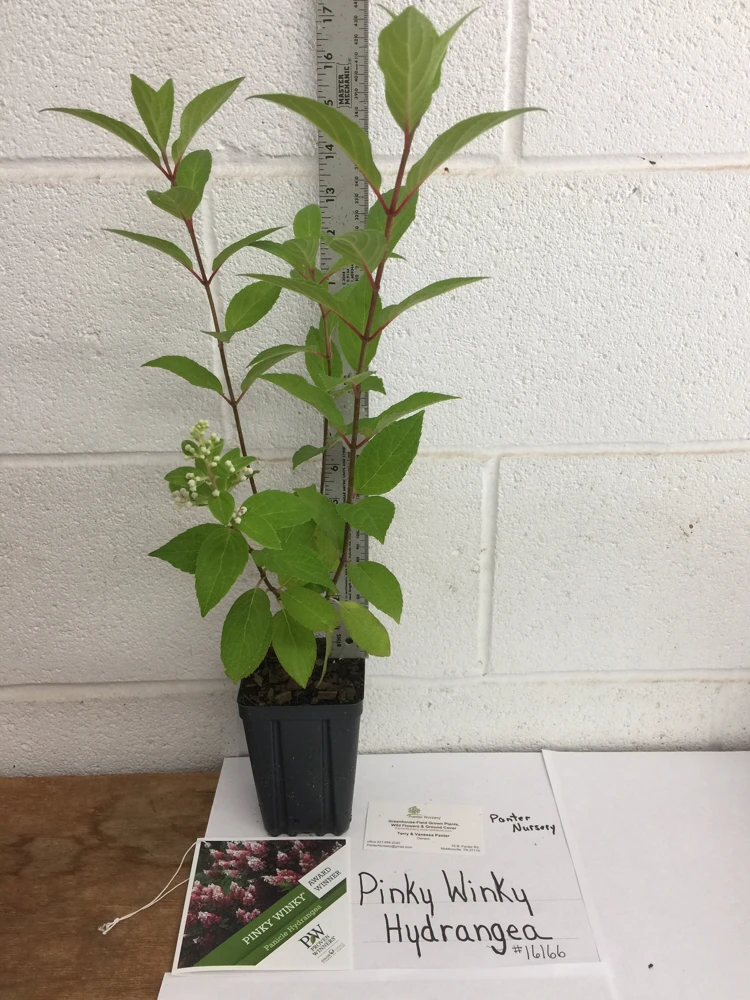
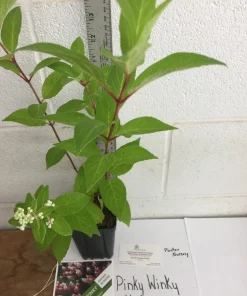
This offer is for one Pinky Winky Hydrangea live plant, shipped in a quart pot. Upon arrival, the plant will be well-rooted and ready for transplanting into your garden or a larger container. When left natural and unpruned, the Pinky Winky Hydrangea can reach an impressive height and width of 6-8 feet. However, its flexible growth habit allows it to be easily pruned to a desired, more compact height and spread, making it adaptable to various garden sizes and designs.
The growth rate is moderate, meaning it will establish and fill out within a few growing seasons, providing a substantial presence in your landscape. Expect the plant to begin blooming in mid to late summer of its first or second year after planting, with the stunning two-tone effect becoming more pronounced as the plant matures. It is a deciduous shrub, meaning it will lose its leaves in winter and re-emerge with fresh foliage and new growth in spring. The plant is typically shipped with appropriate packaging to ensure it arrives healthy and ready for planting, allowing you to quickly enjoy the beauty of this unique two-tone Hydrangea.
Frequently Asked Questions
- Q: How big does this plant get? A: The Pinky Winky Hydrangea live plant can naturally grow to a height and width of 6-8 feet if left unpruned. However, it responds very well to pruning and can be maintained at a smaller, more compact size according to your garden design preferences.
- Q: What size pot does it come in? A: This particular offering is for one Pinky Winky Hydrangea live plant, which will arrive in a quart-sized nursery pot. It will be well-rooted and ready for transplanting.
- Q: Is this an indoor or outdoor plant? A: The Pinky Winky Hydrangea is primarily an outdoor plant, best suited for garden beds, borders, or large outdoor containers. It is not typically grown as an indoor houseplant due to its size and light requirements.
- Q: How much sunlight does it need? A: For best flowering, the Pinky Winky Hydrangea live plant thrives in full sun (6+ hours) in northern climates. In hotter southern regions, it benefits from some afternoon shade to protect it from intense heat.
- Q: Is this plant easy to care for? A: Yes, the Pinky Winky Hydrangea is considered relatively low maintenance, especially once established. It blooms on new wood, simplifying its care and ensuring consistent flowering with proper Hydrangea paniculata care.
- Q: What condition will it arrive in? A: Your Pinky Winky Hydrangea live plant will be carefully packaged to ensure it arrives healthy, well-rooted, and ready for planting in your garden.
- Q: How long until it blooms? A: You can expect the Pinky Winky Hydrangea to start producing its beautiful two-tone flowers in mid to late summer, typically in its first or second growing season after planting.
- Q: Will it survive winter in my zone? A: This hydrangea is very hardy and reliably survives winters in hardy Hydrangea zones 4-9. It is a deciduous shrub, so it will lose its leaves in colder months and re-emerge in spring.
- Q: When is the best time to prune for a smaller plant? A: The best time for Pinky Winky pruning is in late winter to early spring, before new growth begins. This allows you to shape the plant and control its size without affecting the current season’s blooms.
- Q: What makes it a “two-tone” Hydrangea? A: The “two-tone” effect refers to its unique characteristic where the large white flower panicles develop a pink coloration at their base as they mature, while new white florets continue to form at the tips, creating a striking multi-colored appearance on the same bloom.
Be the first to review “Pinky Winky Hydrangea Live Plant – Quart Pot, Two-Tone Flowers, Zones 4-9”
People Also Viewed
Reviews
There are no reviews yet.