
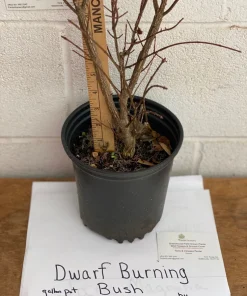
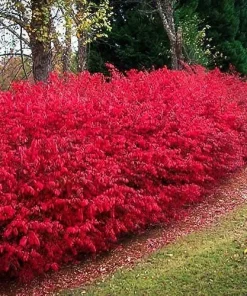
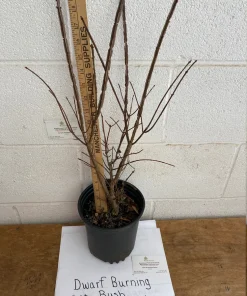
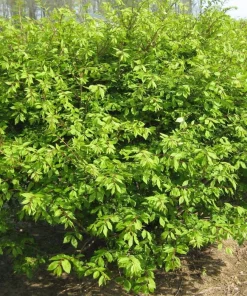
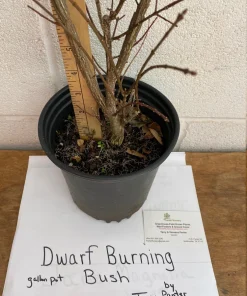
Dwarf Burning Bush Live Plant 12-18 inch, Gallon Pot, Outdoor Shrub
Original price was: $81.99.$61.99Current price is: $61.99.
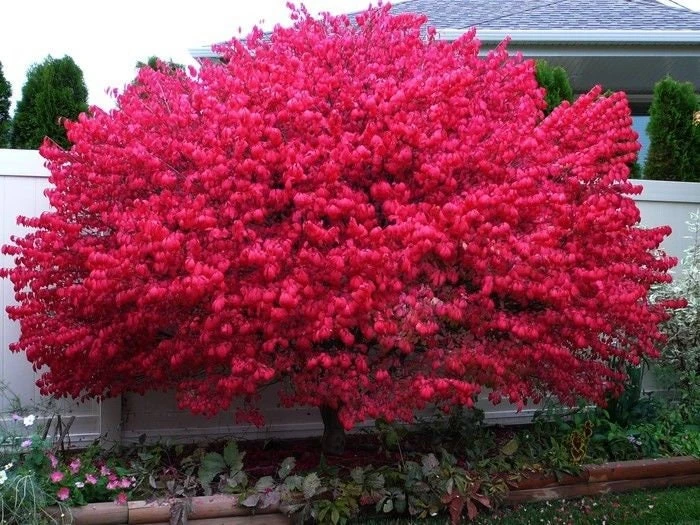
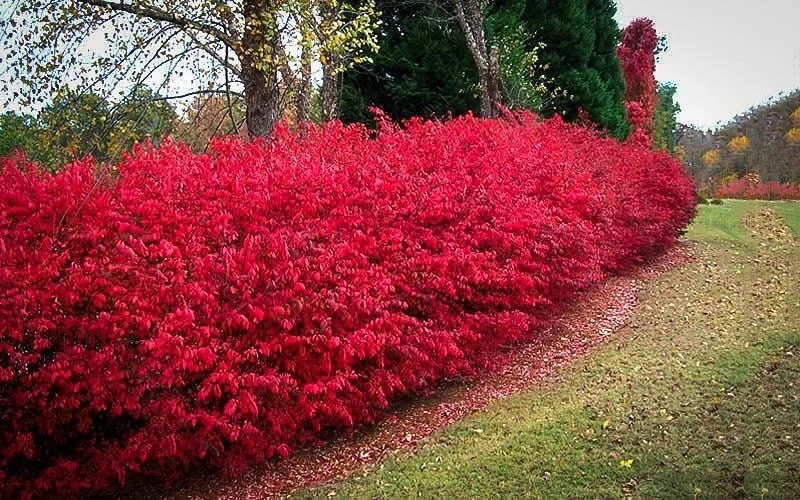
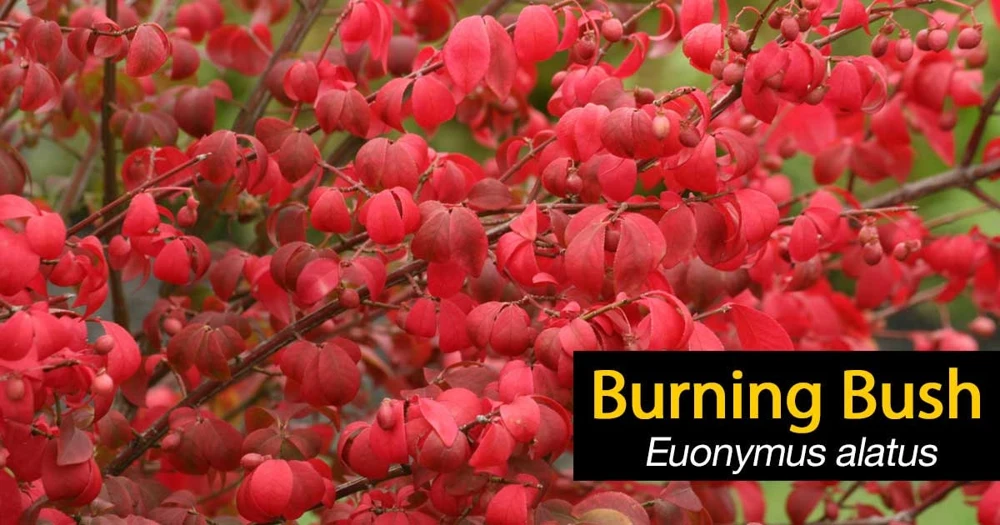
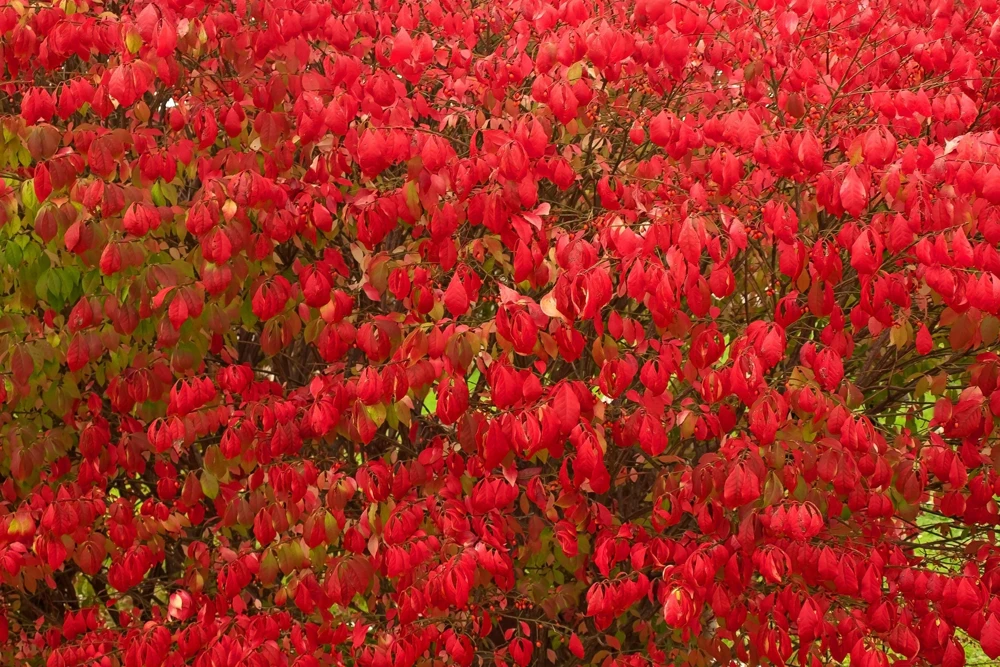
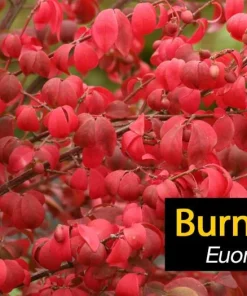
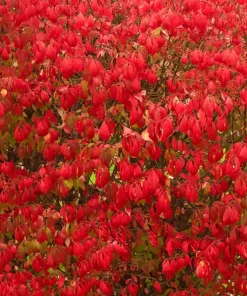
Add stunning seasonal color to your garden with a Dwarf Burning Bush live plant. This compact shrub, measuring 12-18 inches in a gallon pot, offers lush green summer foliage and transforms into brilliant pink to red hues in the fall. Ideal for hedges or as a striking accent plant.
Estimated arrival
Sep 20
Sep 25 - Sep 27
Sep 30 - Oct 04
Shop With Confidence
30-Day Plant Health Guarantee
Arrives damaged? We’ll replace it free — see our return policy.
Responsive Support
Email us anytime, we reply within 1 business day.
Expert Packaging
Temperature-controlled shipping to protect your plants in transit.
Secure Checkout
Pay safely with Visa, Mastercard, PayPal.
Plant Specifications
-
USDA Hardiness Zone
3-8 -
Soil Type
Any soil from sand to clay, well-draining -
Sunlight Exposure
Full sun to partial shade -
Expected Planting Period
Spring to fall
Overview
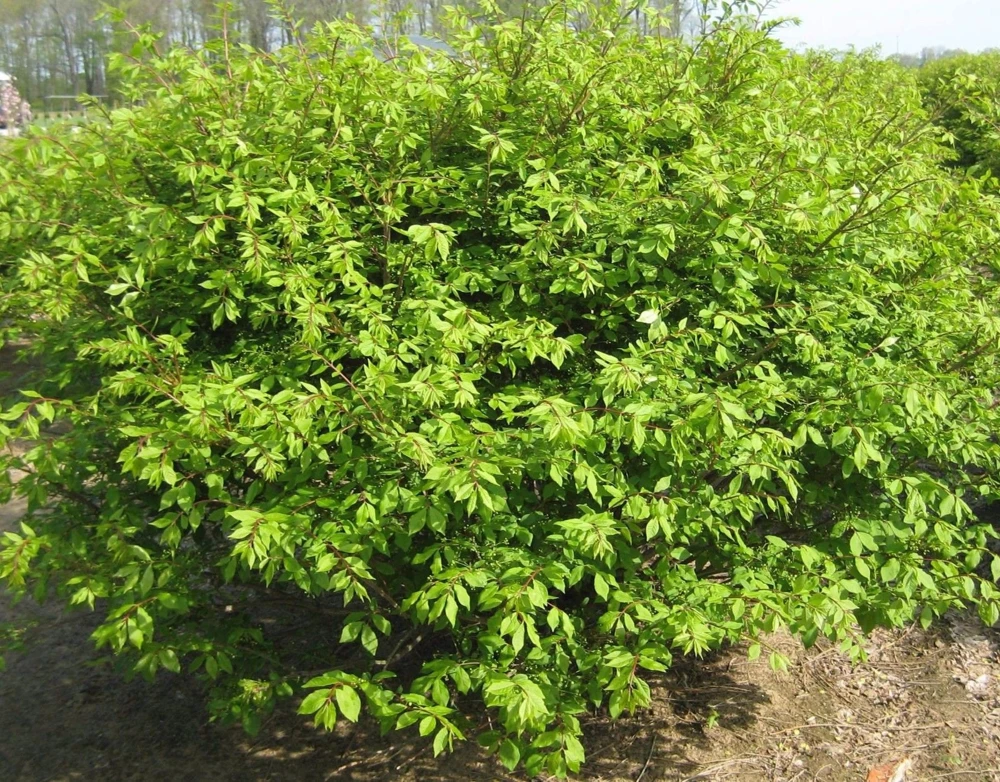
Introduce breathtaking seasonal color and structure to your landscape with the exceptional Dwarf Burning Bush live plant. This popular deciduous shrub, scientifically known as Euonymus alatus ‘Compactus’, is cherished for its dense, vibrant green foliage throughout the spring and summer, which then erupts into a spectacular display of fiery pink to scarlet red in the fall. Originating from Asia, the burning bush has become a beloved fixture in North American gardens, prized for its dramatic autumnal transformation. This particular offering is a healthy, established plant, ready to thrive in your garden, providing year-round interest and a brilliant focal point during the cooler months. Whether you’re looking to create a stunning hedge, add a pop of color to a border, or feature a standout specimen, the Dwarf Burning Bush live plant is an excellent choice for gardeners seeking reliable beauty.
This compact variety is perfect for various garden applications, from formal plantings to naturalized areas. Its dense growth habit makes it an ideal candidate for low-maintenance hedges, offering privacy and a beautiful backdrop. The intense fall color of the Dwarf Burning Bush live plant is truly unparalleled, making it one of the most sought-after shrubs for autumnal displays. It’s a resilient and adaptable plant that, with proper care, will enhance your outdoor space for many years, providing a consistent show of vibrant hues.
Key Benefits
The Dwarf Burning Bush live plant offers a multitude of benefits, making it a highly desirable addition to any garden. Its versatility and striking appearance contribute significantly to landscape aesthetics and function.
- Spectacular Fall Color: The most notable feature is its unparalleled, intense pink to scarlet red fall foliage, which provides a dramatic and long-lasting seasonal display. This vibrant transformation makes it a standout in any autumn garden.
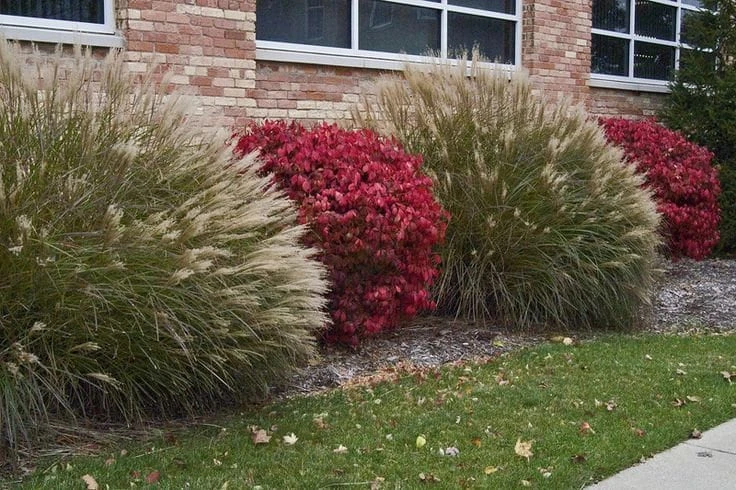
- Excellent for Hedges: With its naturally dense and compact growth habit, the burning bush forms an exceptional hedge. When planted 2-3 feet apart, these shrubs create a beautiful and effective living screen, offering privacy and structure.
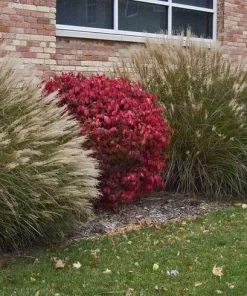
- Versatile Landscaping Plant: Beyond hedges, the Dwarf Burning Bush live plant is perfect as a specimen plant, in mixed borders, or for foundation plantings, adding year-round visual interest with its changing foliage.
- Hardy and Adaptable: This shrub is remarkably hardy and adaptable to a wide range of growing conditions, tolerating various soil types from sand to clay, and thriving in both full sun and partial shade.
- Low Maintenance: Once established, the dwarf burning bush requires minimal care. It’s relatively slow-growing, reducing the need for frequent pruning, though it can be shaped to maintain a desired size.
- Deer Resistant: Generally, burning bush is not a preferred food source for deer, making it a good choice for gardens in areas with deer populations.
- Attractive Summer Foliage: Before its dramatic fall show, the plant features lush, rich green leaves that provide a pleasant backdrop throughout the spring and summer months.
Plant Care & Growing Tips
Caring for your Dwarf Burning Bush live plant is relatively straightforward, ensuring it will flourish and provide stunning color for years. These plants are known for their resilience and adaptability, making them suitable for gardeners of all experience levels. For optimal growth and the most vibrant fall color, choose a location with full sun to partial shade. Full sun (at least 6 hours of direct sunlight per day) will generally produce the most intense red hues in autumn. Partial shade is also tolerated, though the fall color may be slightly less brilliant. Ensure adequate air circulation around the plant to prevent fungal issues.
The Dwarf Burning Bush live plant is tolerant of various soil types, from sandy to clay, but thrives best in well-draining soil. Avoid locations where water tends to pool, as consistently wet roots can lead to problems. Once established, it is fairly drought-tolerant, but regular watering during dry spells, especially in its first year, will promote strong root development. Water deeply rather than frequently, allowing the top few inches of soil to dry out between waterings. Fertilize in early spring with a balanced, slow-release granular fertilizer formulated for trees and shrubs to encourage healthy growth. Pruning can be done in late winter or early spring before new growth appears. You can prune to maintain a desired shape or size, or to remove any dead or damaged branches. This slow-growing plant typically grows about 12 inches or less per year, making it easy to manage.
The dwarf burning bush care routine is minimal once the plant is established. It is hardy in USDA zones 3-8, meaning it can withstand a wide range of winter temperatures. Protect young plants in the colder zones with a layer of mulch around the base. While generally pest and disease resistant, monitor for common issues like spider mites or powdery mildew and treat promptly if observed. The Euonymus alatus compactus is a robust shrub that rewards consistent, basic care with a spectacular seasonal display. Consider this hardy shrub for a reliable burst of vibrant color.
Size & Details
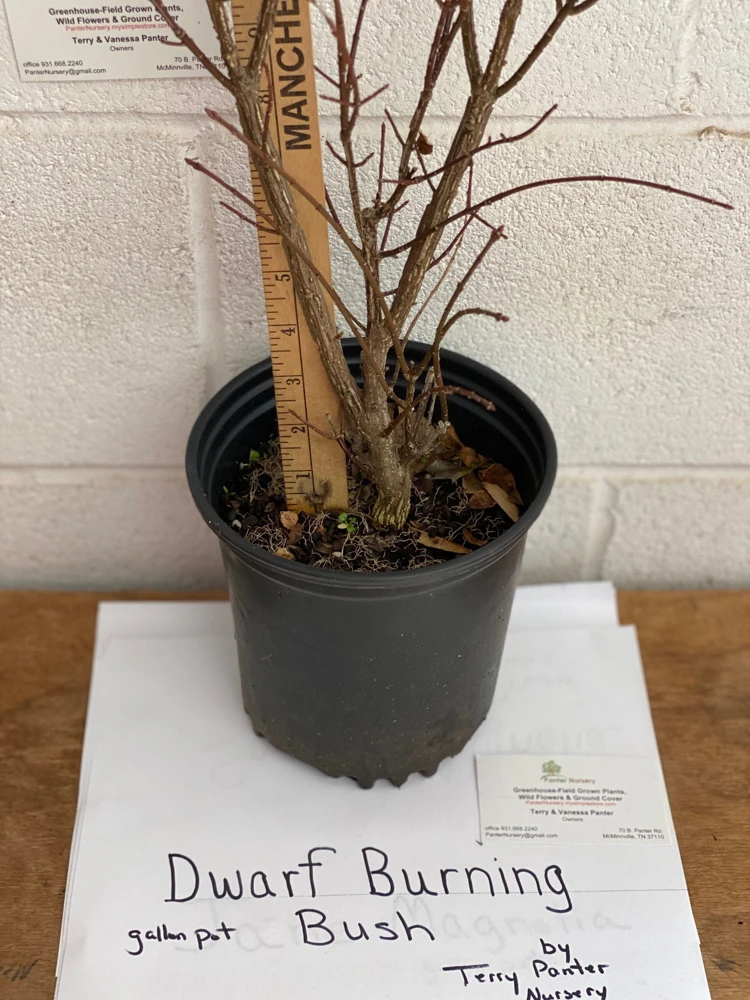
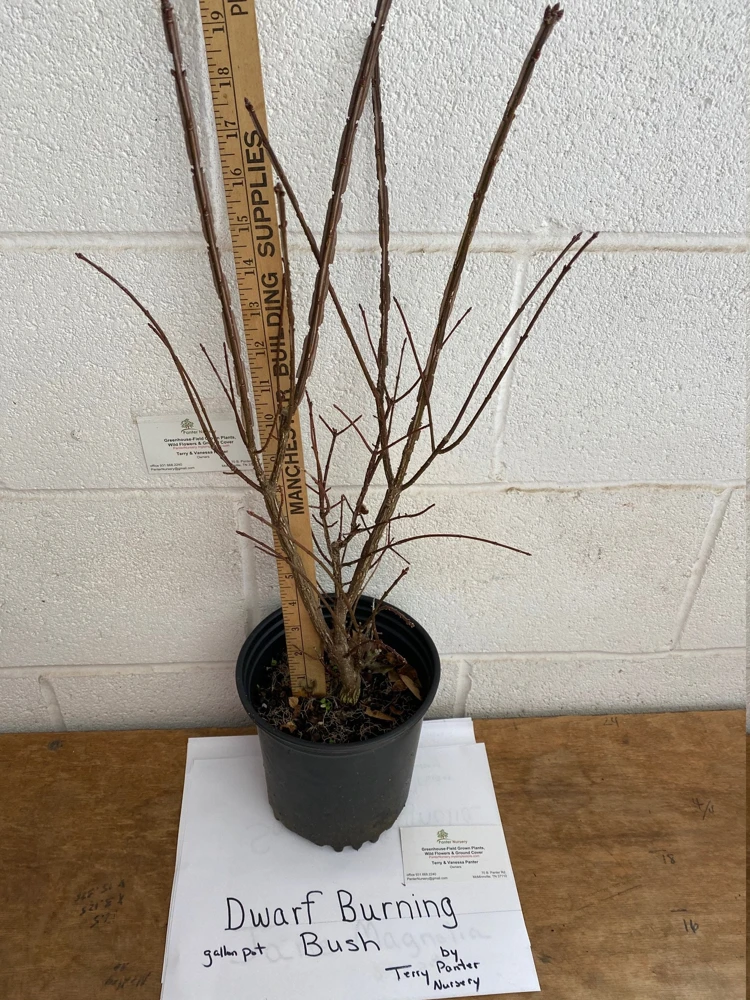
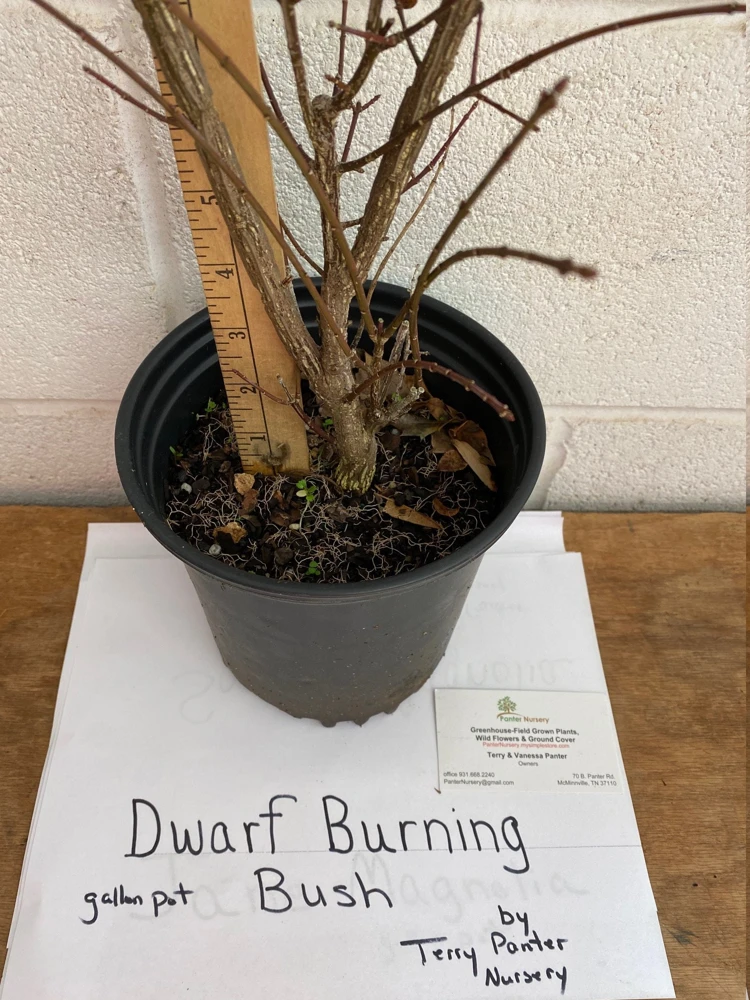
This offering is for a healthy Dwarf Burning Bush live plant, typically measuring 12-18 inches in height at the time of purchase. It arrives planted in a one-gallon nursery pot, ensuring a well-developed root system for successful transplanting into your garden. At maturity, if left natural and unpruned, these shrubs can reach an impressive height of up to 8 feet and spread about 5 feet wide, creating a substantial presence in the landscape. However, due to its slow-growing nature (approximately 12 inches or less per year), it can be easily maintained at a smaller size with annual pruning, making it adaptable to various garden scales. Plant these shrubs 2-3 feet apart if you intend to create a dense, colorful hedge. The plant is shipped with planting instructions to guide you through the establishment process, ensuring your burning bush for sale thrives in its new home.
Frequently Asked Questions
- Q: How big does this Dwarf Burning Bush live plant get? A: If left unpruned, a mature Dwarf Burning Bush can reach up to 8 feet in height and 5 feet in width. However, its slow growth rate makes it easy to maintain at a smaller size with annual trimming.
- Q: Is this an indoor or outdoor plant? A: The Dwarf Burning Bush is an outdoor shrub, perfectly suited for garden beds, hedges, and landscape plantings. It is not recommended as an indoor houseplant.
- Q: How much sunlight does the Euonymus alatus compactus need? A: For the most vibrant fall color, this plant prefers full sun (at least 6 hours of direct sunlight daily). It can tolerate partial shade, but the fall foliage may be less intense.
- Q: Is this plant easy to care for? A: Yes, the Dwarf Burning Bush is considered low-maintenance once established. It’s adaptable to various soil types and is quite hardy, making dwarf burning bush care relatively simple for beginners and experienced gardeners alike.
- Q: What condition will the plant arrive in? A: The plant will arrive healthy, actively growing, and well-rooted in its gallon nursery pot, ready for planting. We ensure careful packaging to protect it during transit.
- Q: When is the best time to plant a burning bush? A: The best times to plant a burning bush are in the spring after the last frost, or in the fall several weeks before the first hard frost, allowing roots to establish before extreme temperatures.
- Q: Will a vibrant fall foliage shrub like this survive winter in my zone? A: The Dwarf Burning Bush is hardy in USDA Zones 3-8. If you are within these zones, it will typically survive winter without special protection, though young plants in colder zones may benefit from mulching.
- Q: How far apart should I plant them for a hedge? A: For a dense hedge, plant your Dwarf Burning Bush shrubs 2-3 feet apart. This spacing allows them to grow together and form a continuous, colorful barrier.
- Q: What makes this shrub a ‘dwarf’ variety? A: The ‘Compactus’ cultivar is a naturally more compact and slower-growing form of the species Euonymus alatus, meaning it will not grow as large as the standard burning bush if left unpruned.
- Q: Can I prune my burning bush for sale to keep it small? A: Absolutely. Its slow growth rate makes it an excellent candidate for pruning. You can prune the new growth annually in late winter or early spring to maintain a desired height and shape.
Be the first to review “Dwarf Burning Bush Live Plant 12-18 inch, Gallon Pot, Outdoor Shrub”
People Also Viewed
Reviews
There are no reviews yet.