
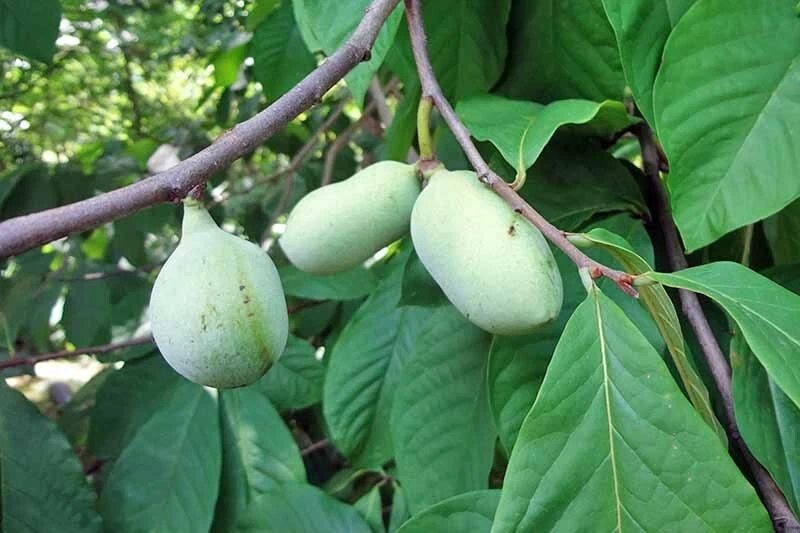
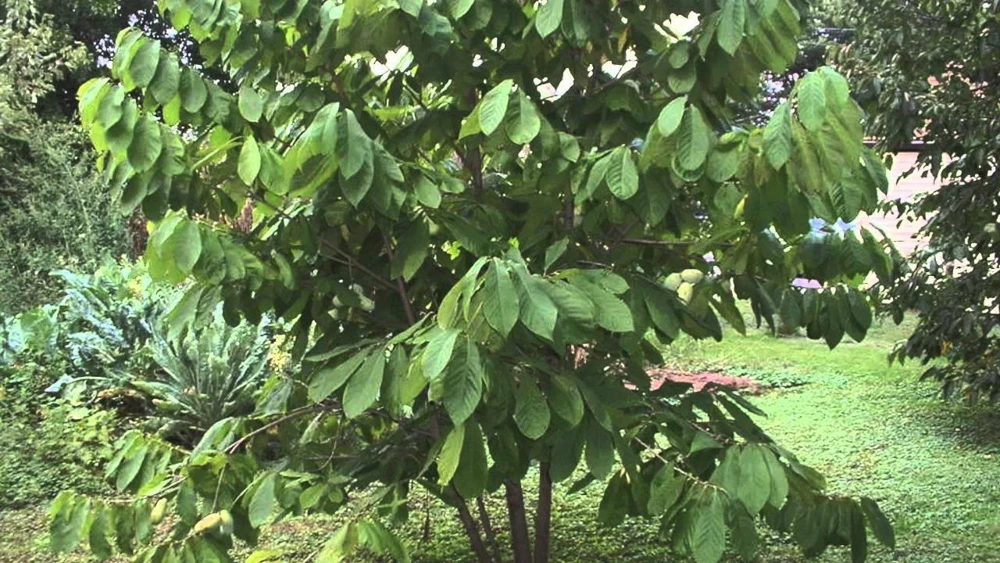
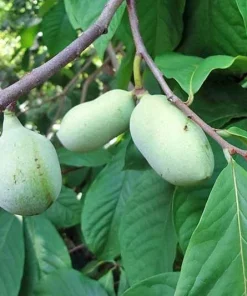
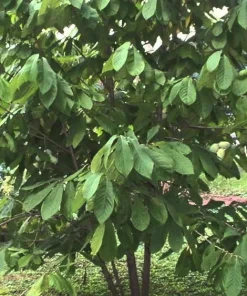
Paw Paw Tree Live Plant (Asimina triloba) – 8 to 12 Inches Tall, Bare Root, Outdoor Fruit Tree
Original price was: $41.79.$21.79Current price is: $21.79.
Cultivate your own delicious, custard-like fruit with this paw paw live plant (Asimina triloba). This native North American tree ships as a 8 to 12 inch tall bare root seedling, perfect for establishing in your outdoor garden for future harvests.
Estimated arrival
Oct 15
Oct 20 - Oct 22
Oct 25 - Oct 29
Shop With Confidence
30-Day Plant Health Guarantee
Arrives damaged? We’ll replace it free — see our return policy.
Responsive Support
Email us anytime, we reply within 1 business day.
Expert Packaging
Temperature-controlled shipping to protect your plants in transit.
Secure Checkout
Pay safely with Visa, Mastercard, PayPal.
Plant Specifications
-
USDA Hardiness Zone
USDA Zones 5-9 -
Soil Type
Deep, fertile, well-draining, slightly acidic to neutral soil -
Sunlight Exposure
Partial shade (young), Full sun (mature) -
Expected Planting Period
Early spring
Overview
Bring a piece of native American horticulture to your garden with the paw paw live plant. This unique and often overlooked fruit tree, scientifically known as Asimina triloba, produces delicious, creamy, tropical-tasting fruits that are a true delight. Often described as a blend of banana, mango, and pineapple, the paw paw is the largest edible fruit native to the United States. Our Asimina triloba tree arrives as a healthy, 8 to 12 inch tall bare root seedling, ready for planting and establishment in your landscape. Ideal for those looking to add an unusual and rewarding fruit-bearing tree to their outdoor space, the paw paw also offers beautiful foliage and contributes to local ecosystems.
Key Benefits
The paw paw live plant offers a multitude of benefits, from its unique fruit to its ecological contributions and aesthetic appeal. Cultivating this native gem is a rewarding experience for any gardener.
- Rare & Delicious Fruit: Enjoy the exotic, custard-like flavor of fresh paw paw fruit directly from your garden. This native fruit is hard to find in stores and offers a truly unique culinary experience.
- Native American Tree: Support local biodiversity by planting a tree that is indigenous to North America. The Asimina triloba tree provides food and habitat for native wildlife.
- Low Maintenance: Once established, paw paw trees are relatively low-maintenance, making them a great choice for both experienced and novice gardeners. They are naturally resistant to many pests and diseases.
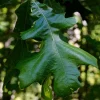
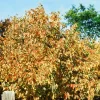
- Beautiful Foliage: Beyond its fruit, the paw paw tree boasts attractive, large, green leaves that turn a striking yellow in the autumn, adding seasonal interest to your landscape.
- Shade Tolerance: Young paw paw trees tolerate shade well, especially in their early years, making them suitable for underplanting larger trees or in partially shaded areas of your garden.
- Ecological Value: Provides nectar for pollinators and serves as a host plant for the zebra swallowtail butterfly, contributing to the health of your garden ecosystem.
Plant Care & Growing Tips
Caring for your paw paw live plant involves understanding its specific needs to ensure healthy growth and abundant fruit production. Paw paws thrive in conditions that mimic their natural woodland understory habitat, particularly when young.
Sunlight requirements: While mature paw paw trees prefer full sun (at least 6 hours of direct sunlight daily) for optimal fruit production, young seedlings like this 8 to 12 inch bare root plant benefit from partial shade, especially in hot afternoon sun. This protects their tender leaves from scorching. As they mature, gradually expose them to more sunlight. Soil type and drainage: Paw paw trees prefer deep, fertile, slightly acidic to neutral soil (pH 5.5-7.0) that is well-draining but consistently moist. They do not tolerate soggy or waterlogged conditions. Amending heavy clay soils with organic matter can improve drainage and aeration. Watering schedule: Consistent moisture is crucial, especially during the first few years after planting and during dry spells. Water deeply once or twice a week, checking the soil moisture before rewatering. Established trees are more drought-tolerant but will benefit from irrigation during prolonged dry periods. Temperature range and USDA hardiness zone: Paw paws are hardy in USDA Zones 5-9. They require a certain amount of chilling hours in winter to produce fruit. Fertilization: Fertilize sparingly, if at all, in the first year. Once established, a balanced slow-release fertilizer can be applied in early spring. Avoid high-nitrogen fertilizers which can promote foliage growth at the expense of fruit production. Common problems: Paw paws are generally pest and disease resistant. Watch for issues related to poor drainage or extreme drought. Proper site selection and care will help prevent most problems when growing paw paw.
Size & Details
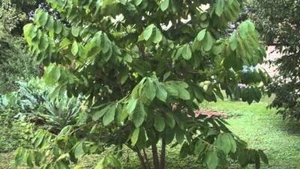
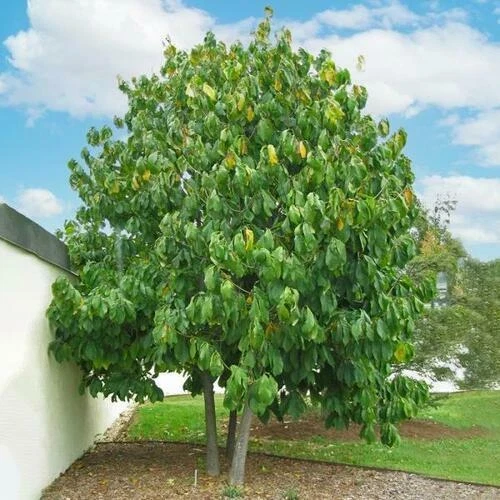
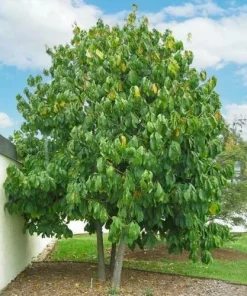
This offering is for one paw paw live plant, a bare root seedling that measures approximately 8 to 12 inches in height. Shipping the plant bare root ensures it is dormant and ready for planting upon arrival, minimizing transplant shock. Paw paw trees have a moderate growth rate, typically adding 1-2 feet per year once established. They can reach a mature height of 15-30 feet, with a spread of 15-20 feet, forming an attractive, pyramidal shape. Expect fruit production to begin in 3-5 years after planting, with peak production occurring around 7-10 years. For successful fruiting, it’s recommended to plant at least two genetically different paw paw trees for cross-pollination, as most varieties are not self-fertile. This ensures you’ll be well on your way to enjoying your own delicious harvest of paw paw fruit tree.
Frequently Asked Questions
- Q: How big does this plant get? A: This paw paw live plant is a bare root seedling, 8 to 12 inches tall. When mature, paw paw trees typically reach heights of 15-30 feet with a spread of 15-20 feet, depending on growing conditions.
- Q: What size pot does it come in? A: This product is a bare root seedling, meaning it ships without soil or a pot. It is ready for direct planting into your garden upon arrival.
- Q: Is this an indoor or outdoor plant? A: The Asimina triloba tree is an outdoor plant. It requires natural seasonal changes and chilling hours to thrive and produce fruit.
- Q: How much sunlight does it need? A: Young paw paw seedlings tolerate and even prefer partial shade. As the tree matures, it will need at least 6 hours of full sun daily for optimal fruit production.
- Q: Is this plant easy to care for? A: Once established, paw paw trees are relatively low-maintenance. They are quite hardy and resistant to many common pests and diseases, making growing paw paw a rewarding experience for various skill levels.
- Q: What condition will it arrive in? A: The plant will arrive as a dormant, bare root seedling, carefully packaged to ensure its health during transit. “LIVE PLANTS DUG UP AS ORDERED” indicates freshness.
- Q: When is the best time to plant this paw paw live plant? A: Bare root paw paw trees are best planted in early spring, as soon as the soil can be worked and after the last hard frost. This allows the plant ample time to establish its root system before summer heat.
- Q: Will it survive winter in my zone? A: Paw paw trees are hardy in USDA Zones 5-9. If you are within these zones, your tree should tolerate winter conditions. It requires a period of winter dormancy to produce fruit.
- Q: How long until it blooms and produces fruit? A: Typically, a paw paw tree grown from a seedling will begin to bloom and produce fruit in 3-5 years, with more significant harvests around 7-10 years once the paw paw fruit tree is well-established.
- Q: Do I need more than one tree for fruit? A: Yes, for successful pollination and fruit set, it is highly recommended to plant at least two genetically distinct paw paw trees. Most paw paw varieties are not self-fertile.
Be the first to review “Paw Paw Tree Live Plant (Asimina triloba) – 8 to 12 Inches Tall, Bare Root, Outdoor Fruit Tree”
People Also Viewed


Houseplants
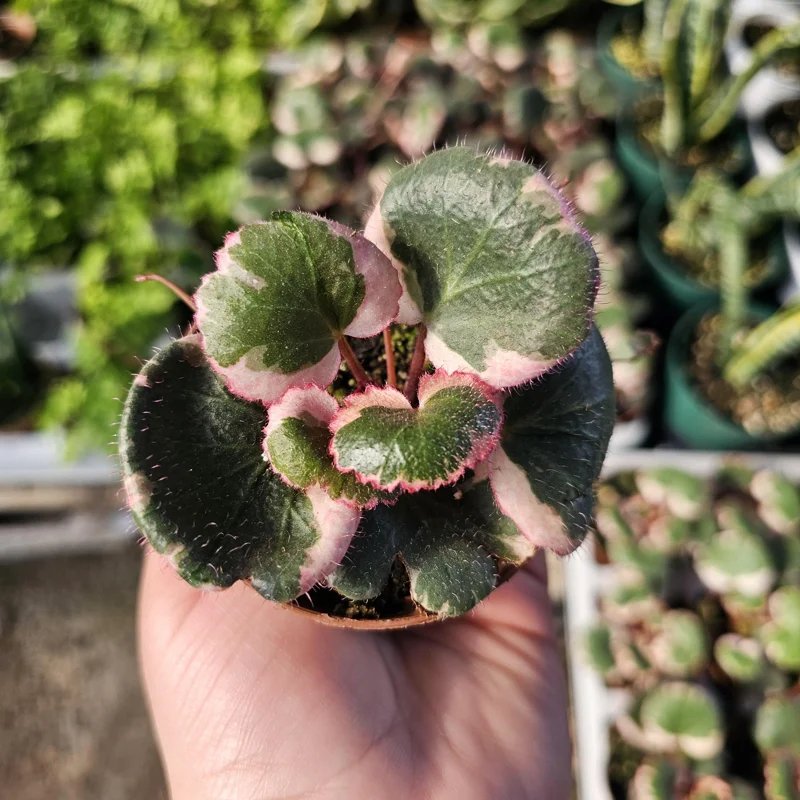
Tricolor Strawberry Geranium Live Plant – Saxifraga Stolonifera – 2in/4in Pot – Indoor/Outdoor
Reviews
There are no reviews yet.