
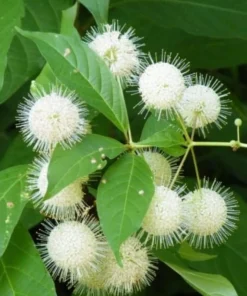
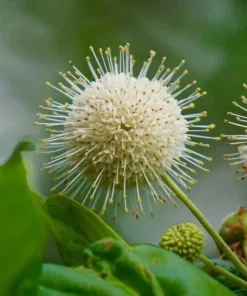
Buttonbush Live Plants – 3 Shrubs, 6-12″ Tall, Native Flowering Wetland Plant
Original price was: $89.98.$59.99Current price is: $59.99.
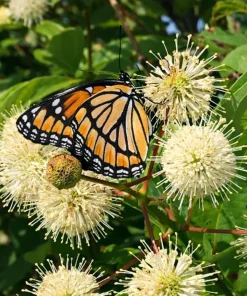
Enhance your landscape with buttonbush live plant, a stunning native shrub known for its unique spherical white flowers. These native wetland plant shrubs are a magnet for pollinators and ideal for wet areas, rain gardens, or pond edges. Enjoy continuous blooms and support local wildlife with this beautiful, low-maintenance choice.
Estimated arrival
Sep 20
Sep 25 - Sep 27
Sep 30 - Oct 04
Shop With Confidence
30-Day Plant Health Guarantee
Arrives damaged? We’ll replace it free — see our return policy.
Responsive Support
Email us anytime, we reply within 1 business day.
Expert Packaging
Temperature-controlled shipping to protect your plants in transit.
Secure Checkout
Pay safely with Visa, Mastercard, PayPal.
Plant Specifications
-
USDA Hardiness Zone
5-9 -
Soil Type
Moist to wet, rich organic soil -
Sunlight Exposure
Full sun to partial shade -
Expected Planting Period
Spring to early summer
Overview
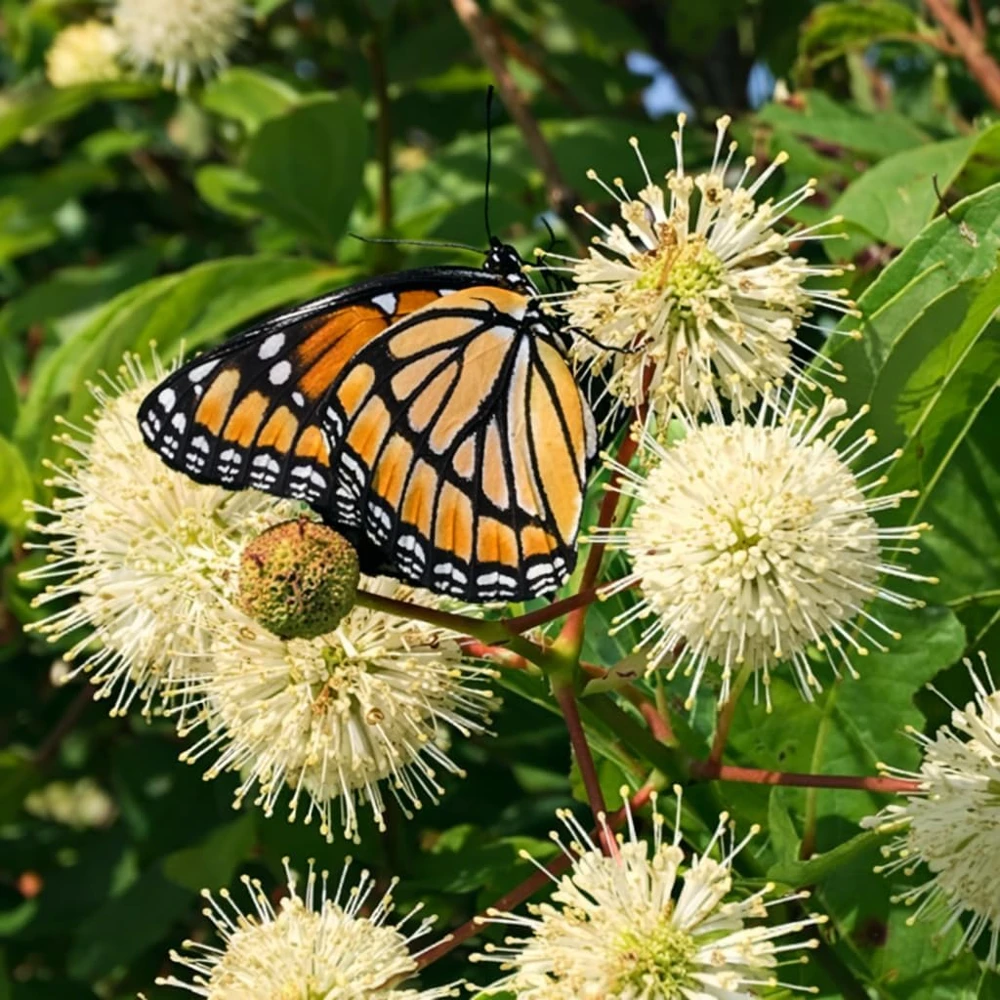
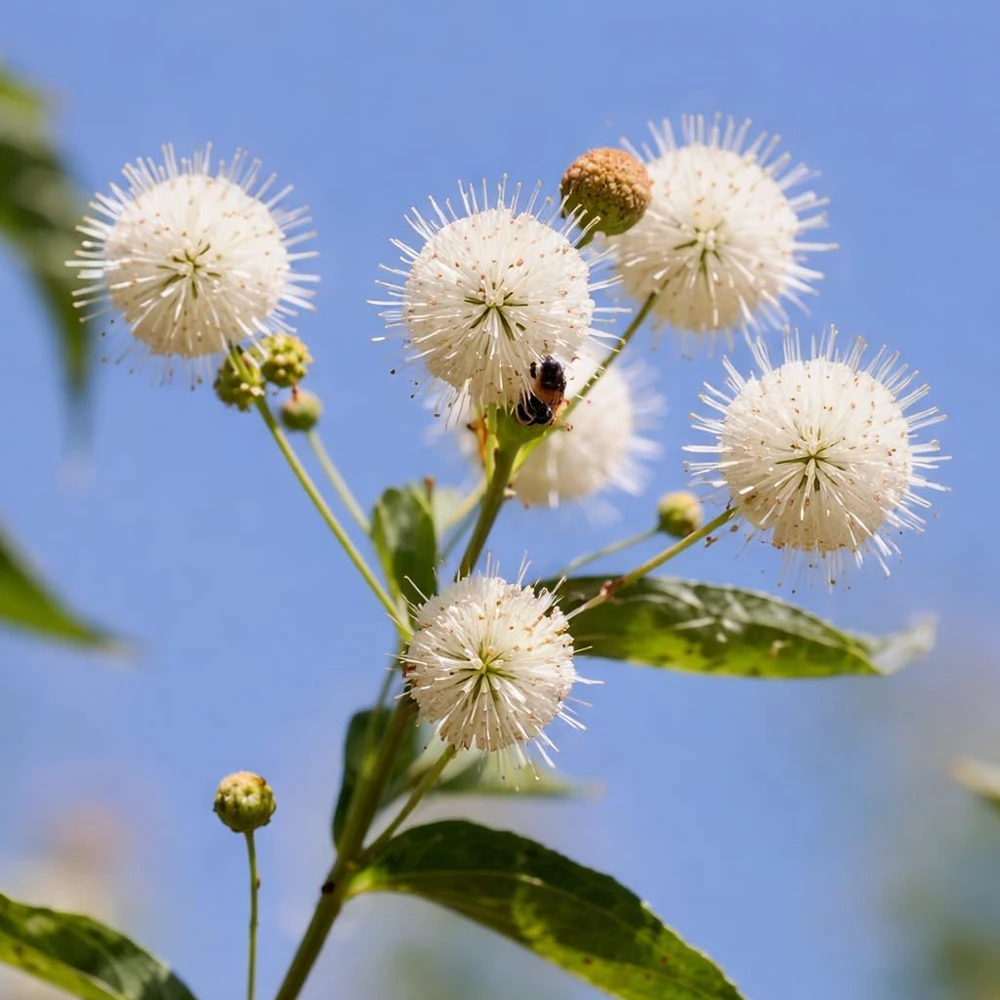
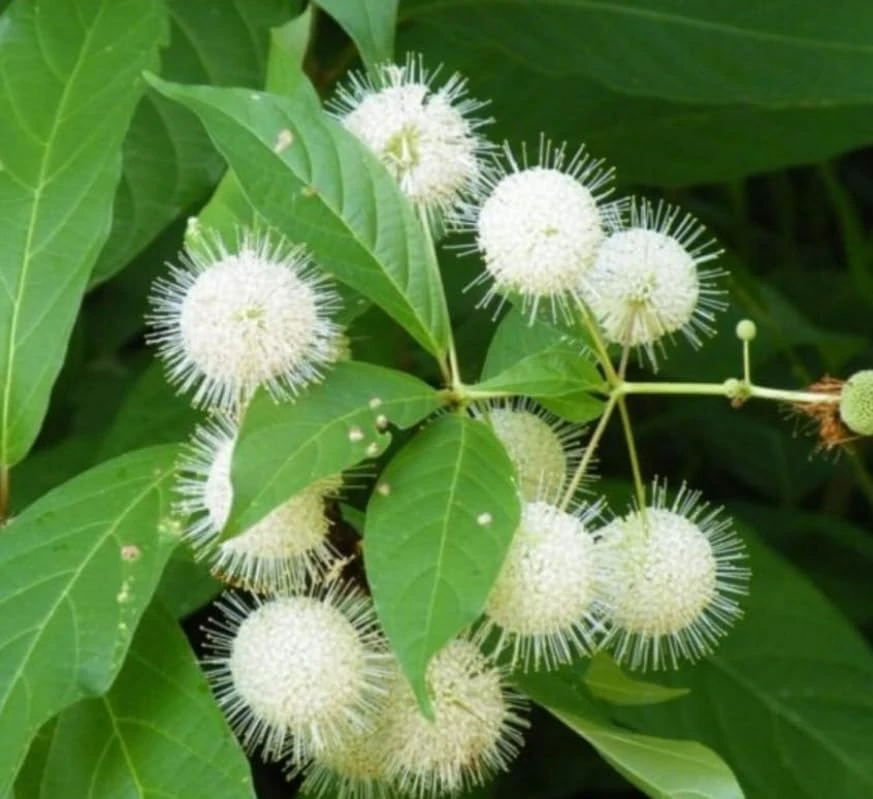
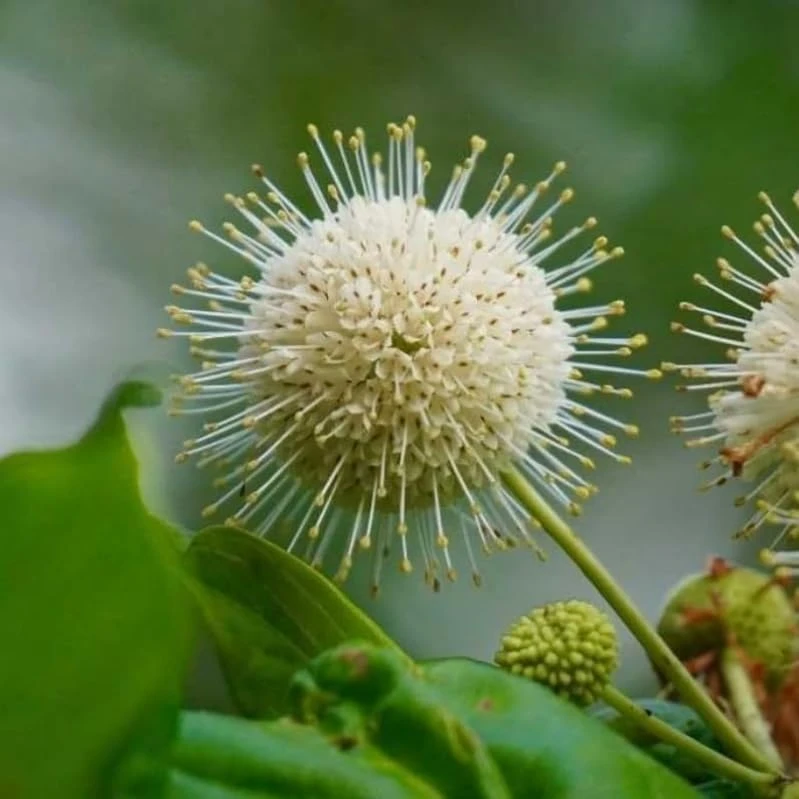
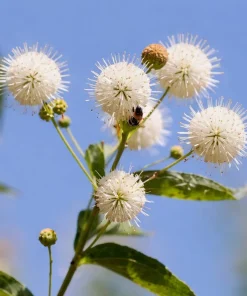
Introduce a touch of native elegance and vibrant wildlife activity to your garden with the buttonbush live plant. Also known by its scientific name, Cephalanthus occidentalis, this unique native flowering shrub is celebrated for its distinctive spherical white blooms that resemble tiny pincushion balls. These fascinating flowers emerge throughout the summer, creating a captivating display that is unlike anything else in the garden. Beyond their aesthetic appeal, buttonbush plants are ecological powerhouses, serving as a vital resource for various pollinators. If you’re seeking a resilient, beautiful, and ecologically beneficial addition to your landscape, the buttonbush live plant is an outstanding choice, particularly for those looking to create a thriving habitat.
The buttonbush is a truly versatile and resilient shrub. Its natural habitat includes stream banks, pond edges, and low-lying areas where water collects, making it perfectly suited for challenging wet locations in your yard. However, it also adapts remarkably well to average garden soil, provided it receives regular watering. This fast-growing shrub can reach an impressive height of 6 to 12 feet with a dense, rounded form, offering substantial visual interest and structure to your garden. Its ease of care and adaptability make it a favorite among both novice and experienced gardeners, especially those focused on sustainable and native landscaping.
After the exquisite white flowers fade, they are replaced by round, reddish-brown seed heads that persist on the branches through fall and winter. These seed heads not only add continued visual interest to the winter landscape but also provide a crucial food source for waterfowl and songbirds. By planting Cephalanthus occidentalis, you’re not just adding a beautiful shrub; you’re creating a dynamic ecosystem that supports local fauna and contributes to biodiversity, making it an excellent investment for any environmentally conscious gardener. Consider adding this remarkable native wetland plant to your collection.
Key Benefits
The buttonbush live plant offers a multitude of benefits, making it an indispensable addition to many landscapes. From its unique appearance to its ecological contributions, this shrub delivers continuous value and beauty throughout the seasons. Here are some of the standout advantages:
- Unique Pincushion Blooms: Enjoy stunning spherical white flowers that appear throughout the summer. These distinctive blooms are unlike anything else in the garden, creating a beautiful conversation piece and adding an exotic touch to your landscape with their unique texture and form.
- Top Pollinator Attraction: The flowers of this pollinator shrub are extremely attractive to bees, butterflies, and hummingbirds. Planting buttonbush significantly boosts local pollinator populations, making it a must-have for any pollinator garden or wildlife-friendly landscape, directly contributing to ecological health.
- Ideal for Wet Areas: Thrives along pond edges, stream banks, and low-lying areas where water collects. This makes the buttonbush live plant perfect for transforming problematic, soggy spots in your yard into beautiful and functional plantings, effectively managing moisture and preventing erosion.
- Low Maintenance & Fast Growing: Once established, this native shrub requires very little care, making it an excellent choice for busy gardeners. It grows quickly to its mature size, providing rapid landscape impact and requiring minimal intervention to maintain its health and vigor.
- Supports Wildlife: After flowering, the persistent seed heads provide an important food source for waterfowl and songbirds through fall and winter. This ensures continuous wildlife support and adds visual interest to the colder months, enhancing your garden’s ecological value.
- Hardy & Adaptable: Tolerant of a wide range of conditions, the buttonbush live plant is hardy in USDA zones 5 through 9. It adapts well to various soil types, from consistently moist to average garden soil with regular watering, showcasing its robust nature.
- Rain Garden Essential: As a rain garden plant, it is perfectly suited for managing stormwater runoff. Its ability to thrive in fluctuating water levels makes it an effective and beautiful component for sustainable landscape design, helping to filter water and recharge groundwater.
Plant Care & Growing Tips
Caring for your buttonbush live plant is relatively straightforward, as this native shrub is known for its resilience and adaptability. Understanding its basic needs will ensure a healthy and thriving plant that provides beauty and ecological benefits for years to come. One of the most critical aspects of buttonbush care is its preference for moisture. While it can adapt to average garden soil, it performs best in consistently moist to wet conditions, mimicking its natural habitat along waterways.
For sunlight, the Cephalanthus occidentalis thrives in full sun to partial shade. Full sun (at least 6 hours of direct sunlight per day) will generally result in the most abundant flowering, but it can still perform well with some afternoon shade, especially in hotter climates. When it comes to soil, buttonbush prefers rich, moist, organic soils. It is particularly tolerant of clay soils and can handle periodic flooding, making it an excellent choice for areas with poor drainage where other plants might struggle. Ensure good drainage if planting in an area that doesn’t naturally retain much water, though it’s less critical for this species compared to many other shrubs.
Regarding watering, consistent moisture is key, especially during dry spells or if planted in drier conditions. Young plants will require regular watering to establish a strong root system. Once established, while tolerant of some drought, supplemental watering during prolonged dry periods will keep your native wetland plant looking its best. Fertilization is generally not heavily required for buttonbush. A light application of a balanced, slow-release granular fertilizer in early spring can promote vigorous growth, but avoid over-fertilizing. Pruning can be done in late winter or early spring to maintain shape, remove dead or damaged branches, or to encourage a bushier habit. This pollinator shrub is generally pest and disease resistant, making it a truly low-maintenance option for your garden.
Size & Details
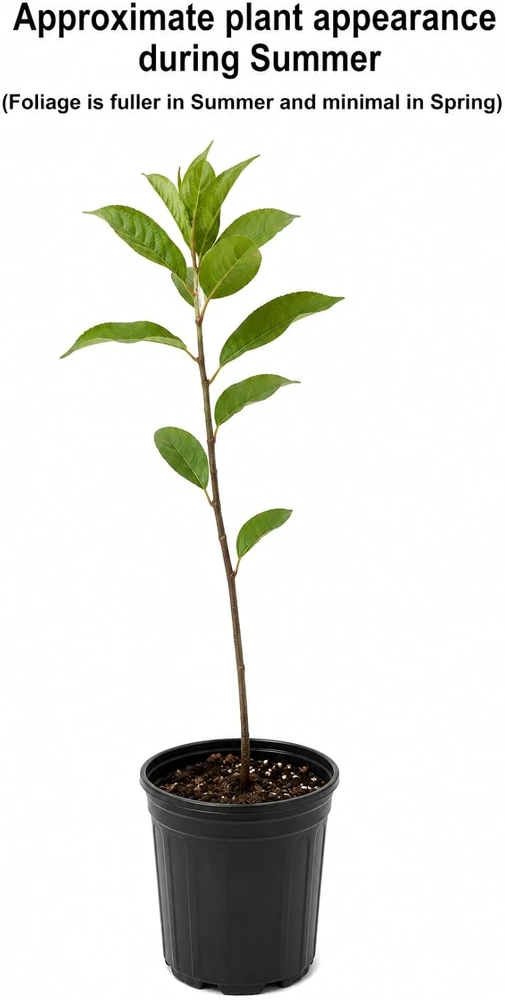
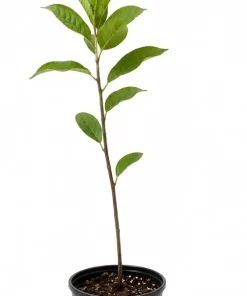
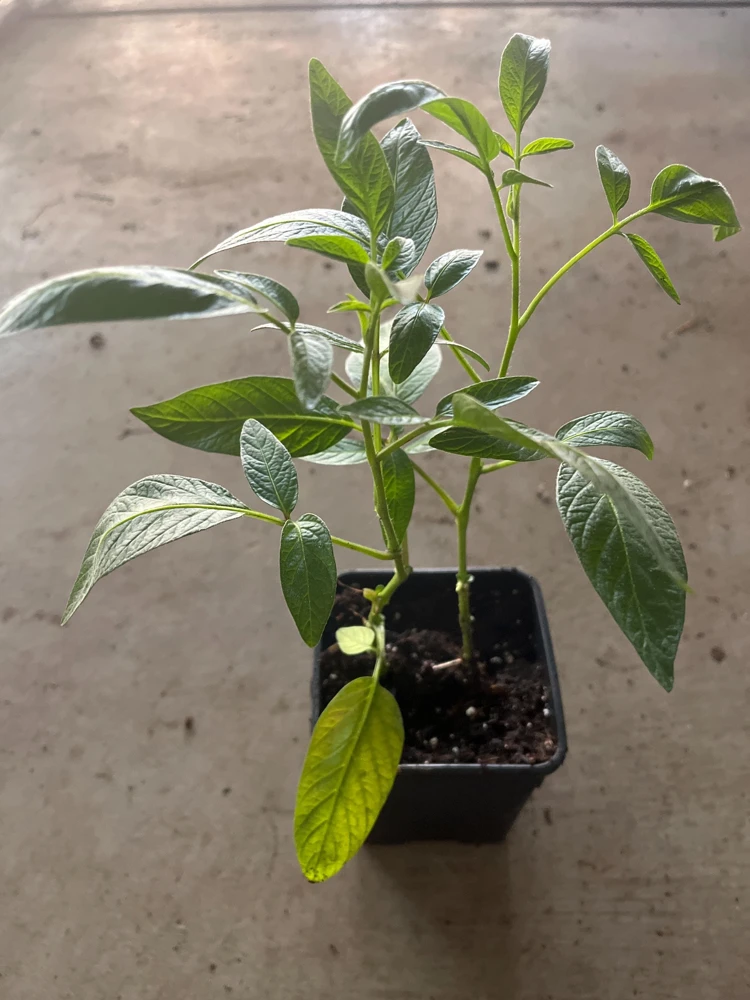
This offering includes three individual buttonbush live plant shrubs, each approximately 6 to 12 inches tall when shipped. These young plants are carefully grown and shipped in pots, ensuring they arrive healthy and ready for planting in your garden. Buttonbush (Cephalanthus occidentalis) is a fast-growing deciduous shrub that will quickly establish itself in your landscape. It typically matures to a size of 6 to 12 feet in height with an equal spread, forming a dense, rounded shape that provides excellent habitat and visual interest.
The growth rate of this native wetland plant is considered fast, meaning you can expect to see significant development in just a few seasons. The unique spherical white flowers typically appear from early to late summer, offering a long season of bloom. These are followed by attractive seed heads that provide winter interest. This resilient rain garden plant is hardy in USDA Zones 5 through 9, making it suitable for a wide range of climates across the US. Plant these buttonbushes to create an impactful and ecologically beneficial feature in your garden, whether in a dedicated rain garden or a traditional landscape setting.
Frequently Asked Questions
- Q: How big does this buttonbush live plant get? A: The buttonbush live plant typically grows to a mature height of 6 to 12 feet tall with a similar spread, forming a dense, rounded shrub. Its fast-growing nature means it will reach this size relatively quickly once established.
- Q: What size pot does the buttonbush come in? A: The buttonbush plants are shipped in pots, with each plant approximately 6 to 12 inches tall. This ensures they arrive with an intact root ball, ready for successful transplanting into your garden or a larger container.
- Q: Is this an indoor or outdoor plant? A: The buttonbush live plant is an outdoor shrub. It is a native wetland plant that thrives in various outdoor conditions and is not suited for indoor cultivation.
- Q: How much sunlight does the Cephalanthus occidentalis need? A: This Cephalanthus occidentalis performs best in full sun (at least 6 hours of direct sunlight daily) to partial shade. More sun generally leads to more abundant flowering.
- Q: Is this plant easy to care for? A: Yes, the buttonbush live plant is considered a low-maintenance shrub once established. It’s quite resilient and adaptable, making it a great choice for both beginner and experienced gardeners looking for a beautiful and easy-to-grow native.
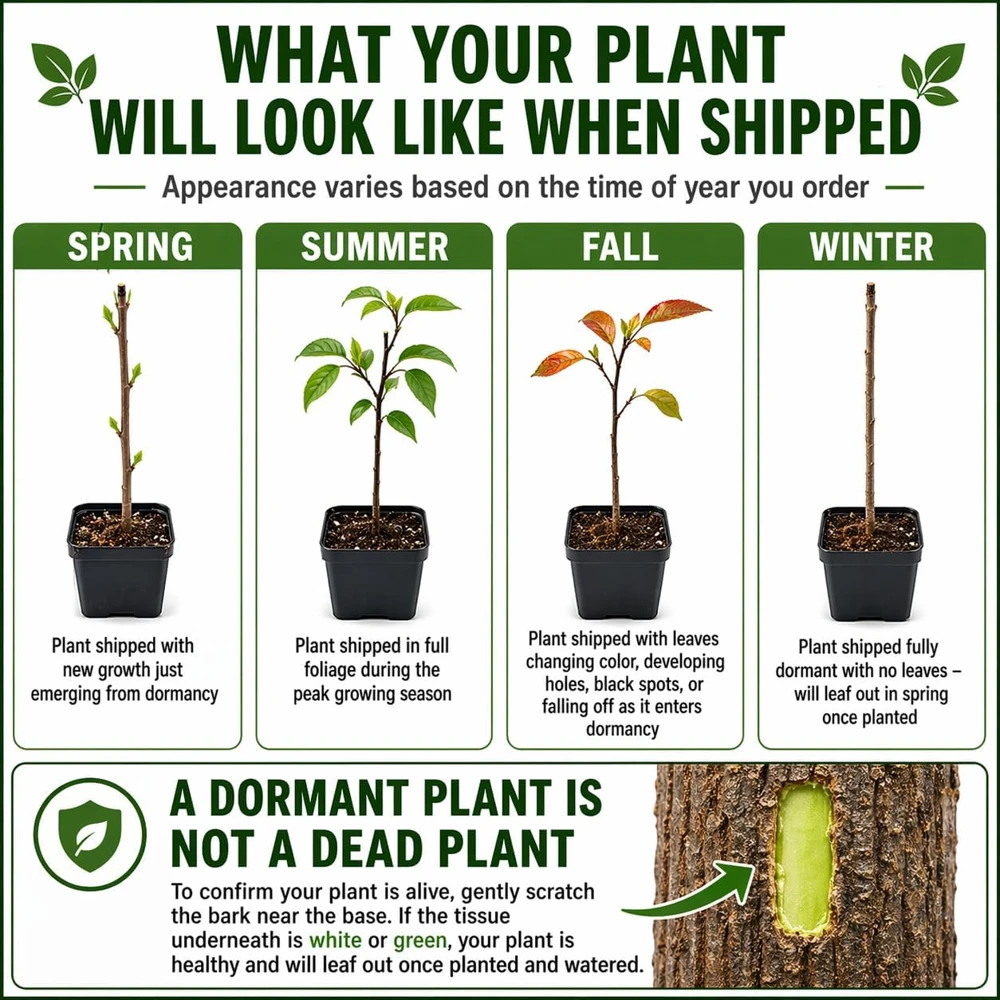
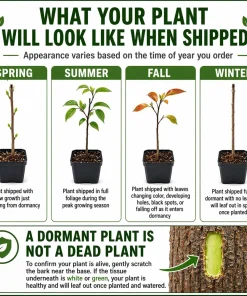
- Q: What condition will the plants arrive in? A: Your buttonbush plants will arrive as healthy, live plants, approximately 6 to 12 inches tall, and shipped in pots to ensure their vitality during transit. They are carefully packed to minimize stress.
- Q: How long until the buttonbush blooms? A: Young buttonbush live plant shrubs may begin to bloom in their first or second year after planting, with more prolific flowering as they mature. Blooms typically appear from early to late summer.
- Q: Will this native wetland plant survive winter in my zone? A: Yes, this native wetland plant is hardy in USDA Zones 5 through 9, meaning it is well-suited to survive winters in a wide range of temperate climates.
- Q: Is buttonbush a good rain garden plant? A: Absolutely! Buttonbush is an excellent rain garden plant because it naturally thrives in consistently moist to wet conditions and can tolerate occasional flooding, making it perfect for managing stormwater runoff.
- Q: Does this pollinator shrub attract many insects? A: Yes, the pollinator shrub is a magnet for bees, butterflies, and hummingbirds. Its unique flowers are a significant nectar source, making it a top choice for supporting local pollinator populations.
Be the first to review “Buttonbush Live Plants – 3 Shrubs, 6-12″ Tall, Native Flowering Wetland Plant”
People Also Viewed
Reviews
There are no reviews yet.