
Late Boneset Live Plant – Native Perennial Starter Plugs – 10-Pack
Original price was: $86.99.$61.99Current price is: $61.99.
Cultivate a vibrant native garden with this late boneset live plant 10-pack of starter plugs. These late boneset perennial plants are perfect for attracting pollinators and providing essential late-season nectar. Easy to establish, they are an excellent addition for gardeners seeking robust, low-maintenance native flora.
Estimated arrival
Sep 17
Sep 22 - Sep 24
Sep 27 - Oct 01
Shop With Confidence
30-Day Plant Health Guarantee
Arrives damaged? We’ll replace it free — see our return policy.
Responsive Support
Email us anytime, we reply within 1 business day.
Expert Packaging
Temperature-controlled shipping to protect your plants in transit.
Secure Checkout
Pay safely with Visa, Mastercard, PayPal.
Plant Specifications
-
USDA Hardiness Zone
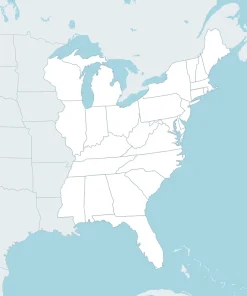
USDA Zones 4-8 -
Soil Type
Moist, well-draining soil -
Sunlight Exposure
Full sun to partial shade -
Expected Planting Period
Spring to early fall
Overview
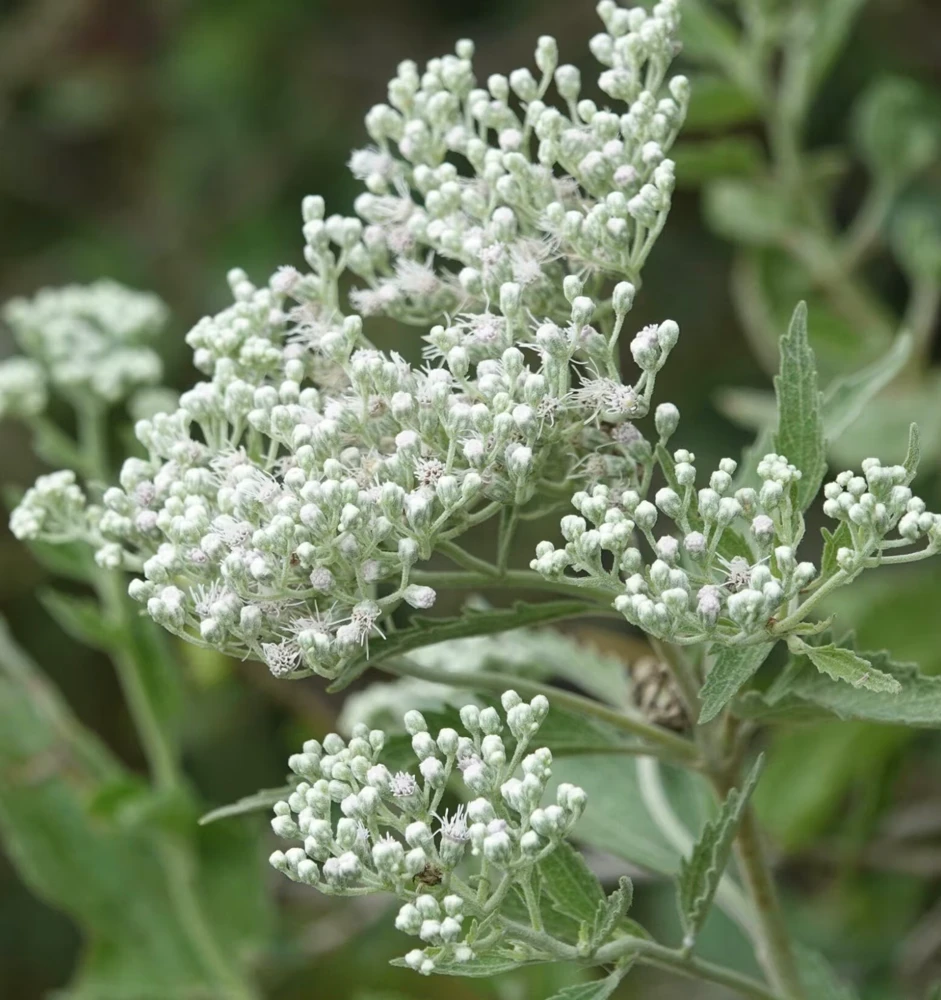
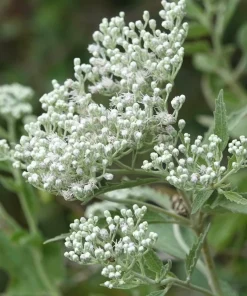
Transform your garden into a haven for local wildlife with our premium late boneset live plant starter plugs. This offering includes a convenient 10-pack of young, vigorous seedlings, ready to be transplanted and thrive in your outdoor space. Late Boneset, scientifically known as Eupatorium serotinum, is a remarkable native perennial celebrated for its clusters of fluffy white flowers that bloom from late summer into fall. These plants are not only aesthetically pleasing but also play a crucial role in supporting local ecosystems, providing vital nectar and pollen for a variety of pollinators, including bees and butterflies, when many other plants have finished their bloom cycle. Choosing a late boneset perennial means investing in a plant that is naturally adapted to regional conditions, making it a resilient and eco-friendly choice for any garden. Our native plant starter plugs ensure a strong start for these beneficial plants, allowing you to establish a robust and beautiful native landscape with ease.
Key Benefits
Incorporating late boneset live plant into your garden offers a multitude of advantages, enhancing both the beauty and ecological value of your outdoor environment. These benefits make it a top choice for gardeners committed to sustainable and vibrant landscapes.
- Pollinator Magnet: The late-season blooms of Late Boneset are a critical food source for bees, butterflies, and other beneficial insects, helping to sustain them as colder weather approaches. Planting these native plant starter plugs directly contributes to local biodiversity.
- Low Maintenance: Once established, Late Boneset is incredibly hardy and requires minimal care. It is tolerant of various soil conditions and generally resistant to pests and diseases, making it an ideal choice for busy gardeners.
- Extended Bloom Season: Enjoy a prolonged display of delicate white flowers from late summer through fall, adding visual interest to your garden when many other plants are fading. This extended bloom period is especially valuable for gardens.
- Erosion Control: With its fibrous root system, late boneset perennial can help stabilize soil, making it useful in areas prone to erosion or in rain gardens.
- Ecological Restoration: By planting native species like Eupatorium serotinum, you are actively participating in the restoration of natural habitats and supporting the health of local wildlife populations.
- Versatile Garden Use: These plants are well-suited for naturalized areas, meadows, borders, and rain gardens, adapting to a range of landscape designs. The late boneset live plant adds structure and texture.
- Drought Tolerance: While preferring consistent moisture, established Late Boneset shows good drought tolerance, making it resilient in varied weather conditions.
Plant Care & Growing Tips
Caring for your late boneset live plant is straightforward, especially when starting with our healthy starter plugs. To ensure your late boneset perennial thrives and provides abundant blooms, follow these essential guidelines. Late Boneset is known for its adaptability, but optimal conditions will lead to the most vigorous growth and impressive floral display. Understanding its specific needs will help you cultivate a robust and beautiful plant that enhances your garden for years to come.
Sunlight Requirements: Late Boneset performs best in full sun to partial shade. Aim for at least 6 hours of direct sunlight per day for the most prolific flowering. In hotter climates, some afternoon shade can be beneficial to prevent scorching. These native plant starter plugs will establish quickest with adequate light.
Watering Schedule & Soil Moisture: While established plants are somewhat drought tolerant, young late boneset live plant seedlings require consistent moisture to get established. Water regularly, especially during dry spells, ensuring the soil remains evenly moist but not waterlogged. Once mature, it can tolerate drier periods but will look its best with consistent moisture. Good drainage is key to prevent root rot.
Soil Type & Drainage: Late Boneset is adaptable to a variety of soil types, including clay, loam, and sand, as long as there is good drainage. It prefers moist, rich soils. Amending heavy clay soils with compost can improve drainage and fertility, while adding organic matter to sandy soils will help retain moisture and nutrients. The vigor of your Eupatorium serotinum largely depends on healthy soil.
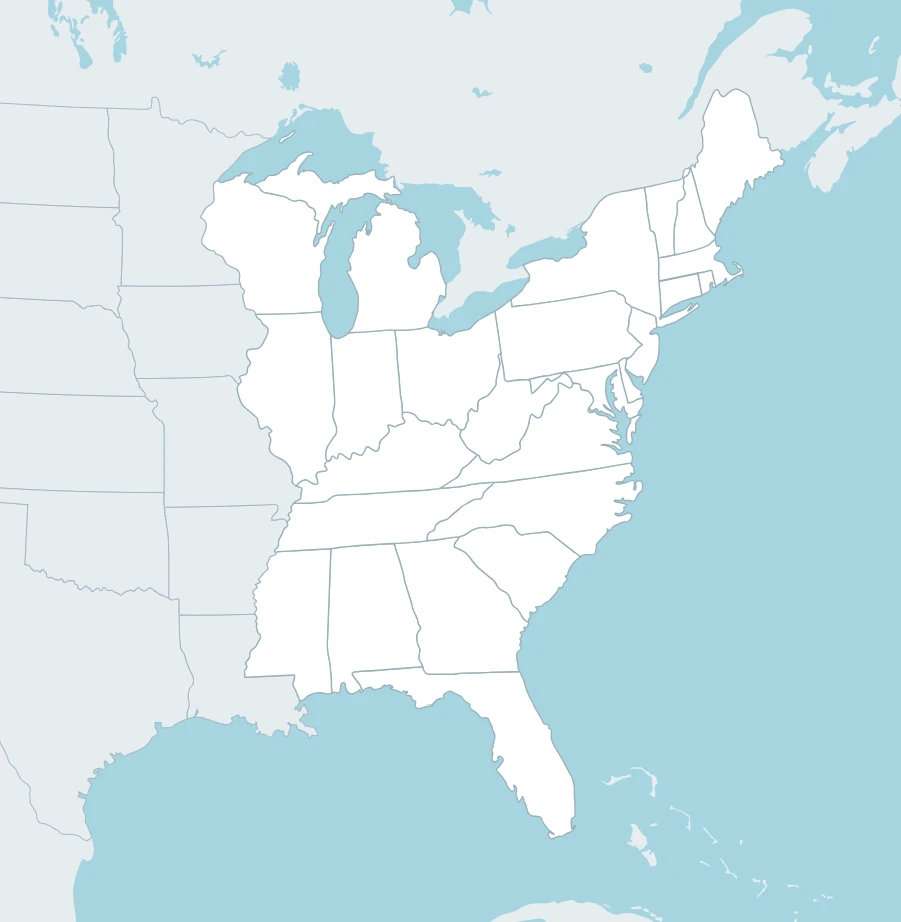
Temperature Range & USDA Hardiness Zone: This hardy perennial is suitable for USDA Zones 4-8. It can tolerate a wide range of temperatures, from cold winters to hot summers, making it a reliable choice for many regions. Frost will cause the foliage to die back, but the plant will re-emerge in spring.
Fertilization: Generally, Late Boneset does not require heavy fertilization. If your soil is poor, a light application of a balanced, slow-release granular fertilizer in early spring can be beneficial. Over-fertilization can lead to leggy growth and fewer flowers. Focus on improving soil health with compost rather than relying solely on synthetic fertilizers for your pollinator garden plants.
Common Problems & Solutions: Late Boneset is relatively pest and disease-free. Occasionally, powdery mildew can occur in humid conditions or with poor air circulation; ensure adequate spacing between plants. Aphids might appear but are rarely a serious issue and can often be managed with a strong spray of water or insecticidal soap. Leggy growth can be prevented by pinching back young plants to encourage bushier growth.
Size & Details
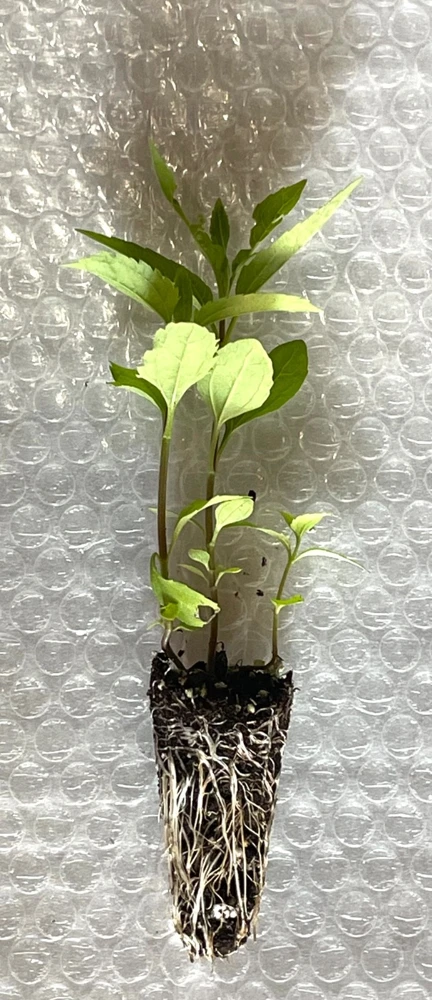
Each order includes a 10-pack of healthy late boneset live plant starter plugs. These young plants are typically 2-4 inches tall upon arrival, with well-developed root systems, ensuring a strong start in your garden. Late Boneset is a vigorous grower, typically reaching a mature height of 4-7 feet and a spread of 2-4 feet. Its upright, bushy habit makes it an excellent background plant or a specimen in a naturalized setting. The starter plugs are carefully packaged to minimize stress during transit, arriving ready for immediate planting. Expect rapid growth once established, with flowering beginning in the first or second year. These native plant starter plugs are an economical way to establish a large planting or add multiple specimens to your existing landscape. The robust nature of Eupatorium serotinum means it will quickly fill out its space, providing impressive visual impact and ecological benefits.
Frequently Asked Questions
- Q: How big does this late boneset live plant get? A: Late Boneset typically grows to a height of 4-7 feet and can spread 2-4 feet wide, forming an upright, bushy clump. Its mature size makes it a significant presence in the late-season garden.
- Q: What size pot do the starter plugs come in? A: The starter plugs are typically grown in small cell trays, meaning they are young plants with a developed root ball, ready for transplanting directly into your garden or a larger pot.
- Q: Is this an indoor or outdoor plant? A: Late Boneset is a native outdoor perennial. It thrives in garden beds, naturalized areas, and meadows, and is not suitable for long-term indoor cultivation. It is a true late boneset perennial designed for the landscape.
- Q: How much sunlight does it need? A: For the best flowering, Late Boneset requires full sun (at least 6 hours of direct sunlight daily) to partial shade. In very hot climates, some afternoon shade can be beneficial.
- Q: Is this plant easy to care for? A: Yes, once established, Late Boneset is very easy to care for. It’s drought-tolerant, pest-resistant, and requires minimal intervention, making it a great choice for beginners and experienced gardeners alike. These native plant starter plugs are a low-effort way to add beauty.
- Q: What condition will the native plant starter plugs arrive in? A: Your 10-pack of starter plugs will arrive healthy and well-rooted, carefully packaged to ensure they withstand transit and are ready for immediate planting upon arrival.
- Q: When is the best time to plant Late Boneset? A: The best time to plant these starter plugs is in spring after the last frost, or in early fall, allowing the roots to establish before extreme temperatures.
- Q: Will it survive winter in my zone? A: Late Boneset is hardy in USDA Zones 4-8, meaning it will reliably return each spring in these regions after going dormant in winter.
- Q: What kind of soil does Eupatorium serotinum prefer? A: While adaptable, Late Boneset prefers moist, well-draining soils. It can tolerate a range of soil types from clay to sandy loam, especially if organic matter is incorporated.
- Q: Is Late Boneset considered a good plant for pollinator garden plants? A: Absolutely! Late Boneset is a phenomenal choice for pollinator gardens, as its abundant late-season flowers provide crucial nectar for bees, butterflies, and other beneficial insects.
Be the first to review “Late Boneset Live Plant – Native Perennial Starter Plugs – 10-Pack”
People Also Viewed
Seeds
Potentilla Neumanni Nana Seeds – 1000 Seeds for Groundcover, Perennial, Yellow Flowers, Outdoor
Vegetable Seeds
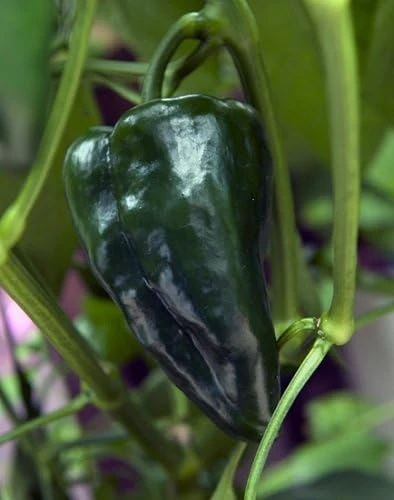
Ancho San Luis Pepper Seeds – 20 Seeds – Mildly Hot, High Yield
Reviews
There are no reviews yet.