
Jaboticaba Tree Live Plant – 1 Foot Tall – Tropical Fruit Tree with Grape-Like Berries – Brazilian Grape
Original price was: $75.40.$50.40Current price is: $50.40.
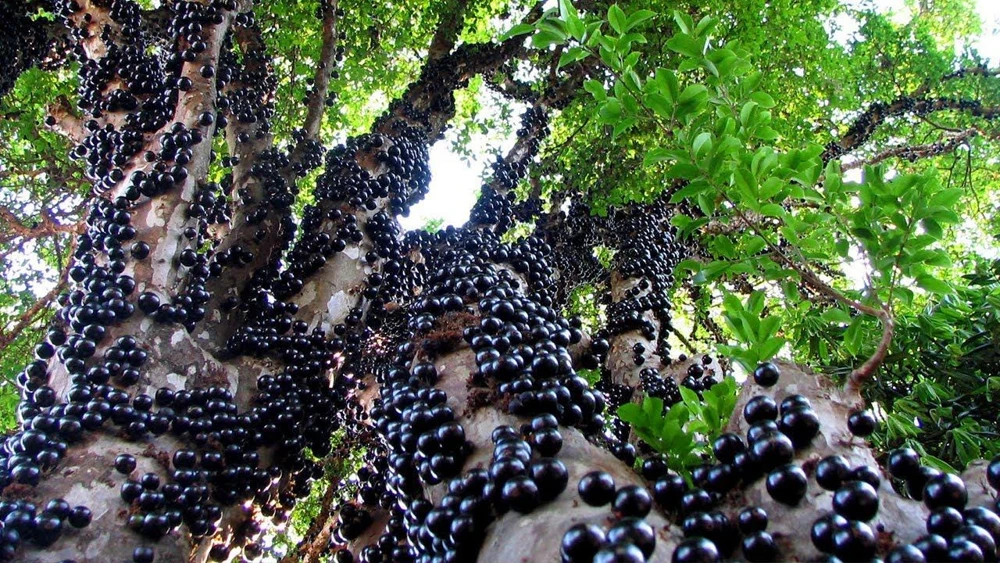
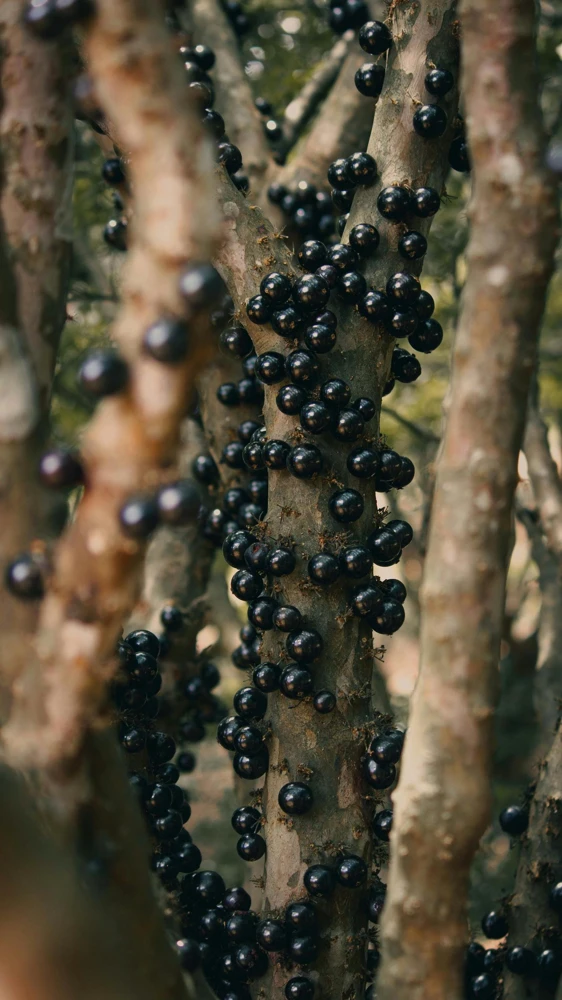
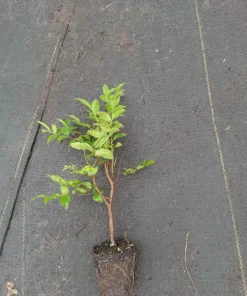
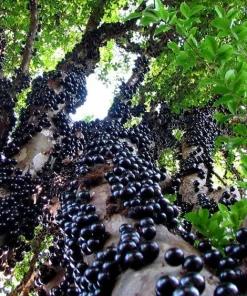
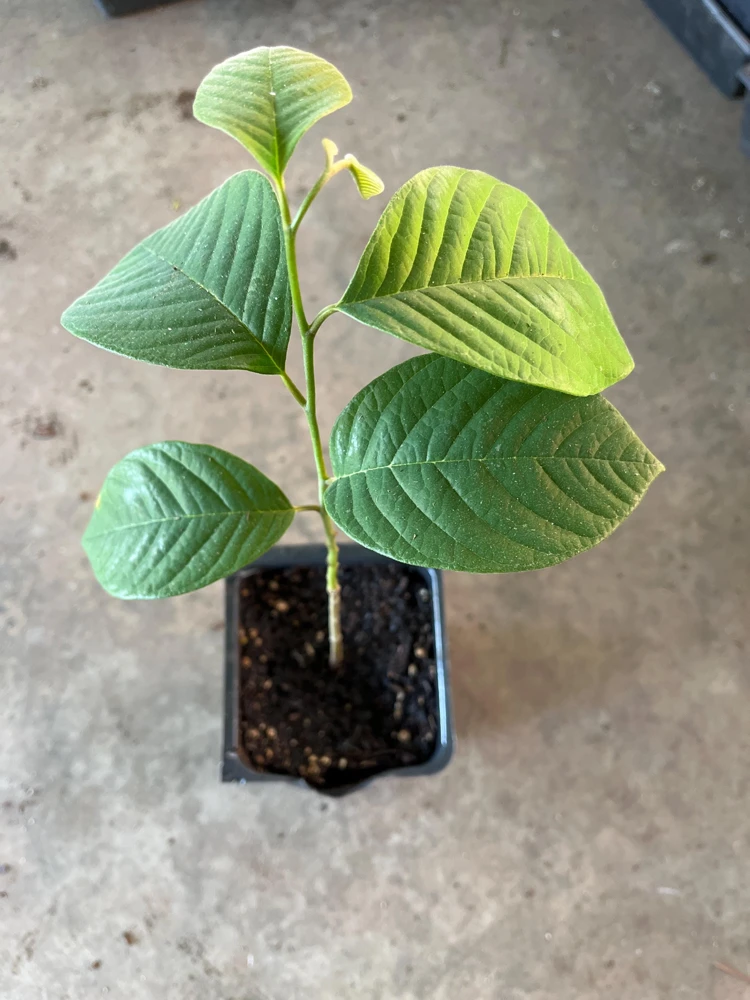
Bring home a unique Jaboticaba live plant, also known as the Brazilian Grape tree. This 1-foot tall tropical fruit tree is prized for its unusual fruiting habit, bearing delicious, sweet, grape-like berries directly on its trunk. Perfect for gardens or containers, it’s a stunning ornamental and productive addition to your landscape.
Estimated arrival
Oct 25
Oct 30 - Nov 01
Nov 04 - Nov 08
Shop With Confidence
30-Day Plant Health Guarantee
Arrives damaged? We’ll replace it free — see our return policy.
Responsive Support
Email us anytime, we reply within 1 business day.
Expert Packaging
Temperature-controlled shipping to protect your plants in transit.
Secure Checkout
Pay safely with Visa, Mastercard, PayPal.
Plant Specifications
-
USDA Hardiness Zone
USDA Zones 9-11 -
Soil Type
Moist, well-draining, slightly acidic to neutral soil -
Sunlight Exposure
Full sun to partial shade -
Expected Planting Period
Year-round in warm climates; spring to early summer in containers
Overview
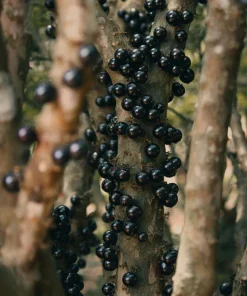
Introduce an extraordinary botanical specimen to your home or garden with the Jaboticaba live plant. Also known as the Brazilian Grape tree (scientific name: Plinia cauliflora or Myrciaria cauliflora), this tropical fruit tree is renowned for its captivating and unusual growth habit. Unlike most fruit trees, the Jaboticaba produces its delectable berries directly on its trunk and main branches, creating a truly spectacular visual display when in fruit. Each tree arrives as a healthy 1-foot tall specimen, ready to establish itself in your chosen environment. Native to South America, particularly Brazil, the Jaboticaba is a slow-growing, long-lived tree that offers both ornamental beauty and a bountiful harvest of sweet, juicy, grape-like fruit. It’s an ideal choice for those seeking a unique and rewarding tropical fruit experience.
The Brazilian Grape tree is not just a fruit producer; it’s also a beautiful evergreen ornamental with glossy green leaves and attractive peeling bark, adding year-round interest to any setting. Its compact size and adaptability make it suitable for a variety of growing conditions, whether planted directly in the ground in warm climates or cultivated in a container on patios and balconies. With proper care, this resilient tree will thrive and eventually reward you with its distinctive and delicious harvest, making it a valuable addition to any plant enthusiast’s collection.
Key Benefits
The Jaboticaba live plant offers a multitude of benefits, combining unique aesthetics with practical fruit production, making it a highly desirable addition to any garden or patio.
- Unique Fruiting Habit: Experience the wonder of fruit growing directly on the trunk and branches, providing an eye-catching ornamental feature unlike traditional fruit trees. This unusual characteristic makes the Brazilian Grape tree a captivating focal point.
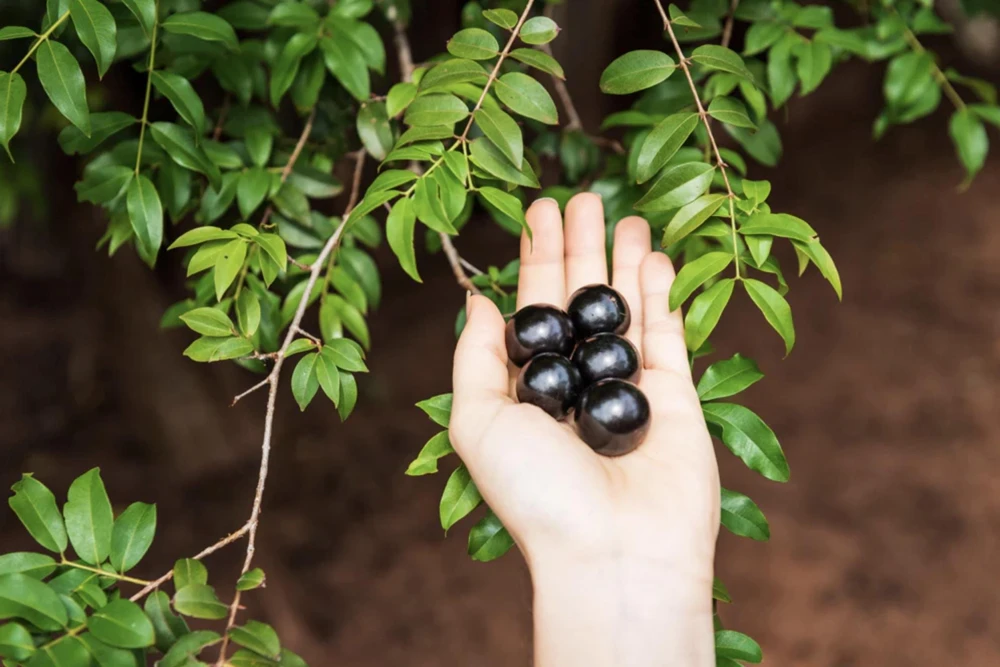
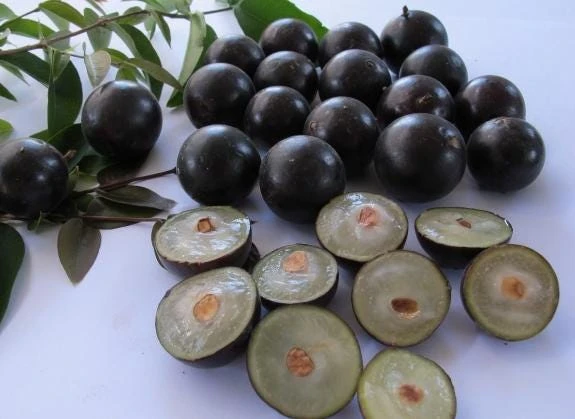
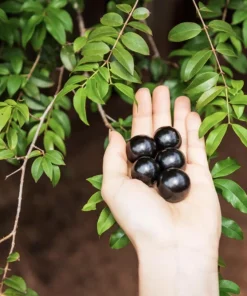
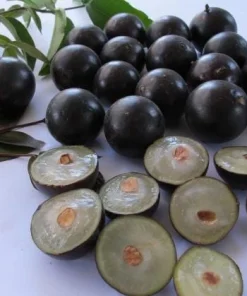
- Delicious Tropical Fruit: Enjoy an abundance of small, dark purple berries that boast a sweet, juicy, grape-like flavor. These versatile fruits are perfect for fresh eating, making jams, jellies, juices, and even wine.
- Ornamental Appeal: Beyond its fruit, the Plinia cauliflora features glossy green foliage and attractive, naturally peeling bark, adding an elegant tropical touch to your landscape throughout the year.
- Adaptable for Various Spaces: Its slow-growing nature and ability to thrive in containers make it an excellent choice for small gardens, patios, or even as an indoor plant in colder climates, allowing more people to cultivate this exotic tree.
- Long-Lived & Rewarding: With proper care, a Jaboticaba live plant can live for decades, providing a continuous supply of fresh fruit season after season once it reaches maturity.
- Low Maintenance Once Established: While initial care is important, once established, the Jaboticaba is relatively easy to care for, requiring consistent moisture and protection from extreme cold.
- Sustainability: Choosing a tropical fruit tree like Jaboticaba encourages sustainable gardening practices and provides fresh, home-grown produce.
Plant Care & Growing Tips
Caring for your Jaboticaba live plant is straightforward, ensuring a healthy and productive tree for years to come. This tropical gem thrives with consistent attention to its environmental needs. For sunlight, the Jaboticaba prefers full sun to partial shade. In hotter climates, some afternoon shade can protect it from scorching. Aim for at least 6 hours of direct sunlight per day if possible. Young trees may benefit from more filtered light initially. The ideal temperature range for this Plinia cauliflora is between 60°F and 85°F (15°C to 29°C), making it best suited for USDA Zones 9-11 outdoors. In colder zones, it can be grown in a container and moved indoors during winter.
When it comes to watering, the Jaboticaba prefers consistently moist, but not waterlogged, soil. Water regularly, especially during dry periods and when the tree is actively fruiting. Allow the top inch or two of soil to dry slightly between waterings, but avoid letting the root ball become completely dry. Well-drained soil is crucial to prevent root rot. A slightly acidic to neutral soil pH (5.5-7.0) is preferred. A good quality potting mix for tropical plants or a blend of loamy soil with added organic matter works well. Fertilize with a balanced slow-release fertilizer designed for fruit trees, typically in spring and mid-summer, following package instructions. Watch for common pests like aphids or scale, and treat with horticultural oil or insecticidal soap if necessary. Pruning is generally minimal, focused on shaping and removing dead or crossing branches.
To ensure your Brazilian Grape tree gets a strong start, plant it in a location with good air circulation. If growing in a container, choose a pot with ample drainage holes and gradually increase the pot size as the tree grows. Consistent moisture is key to successful fruiting. Protect young trees from strong winds and sudden temperature drops. With these care tips, your Jaboticaba live plant will flourish and bring you the joy of its unique fruit.
Size & Details
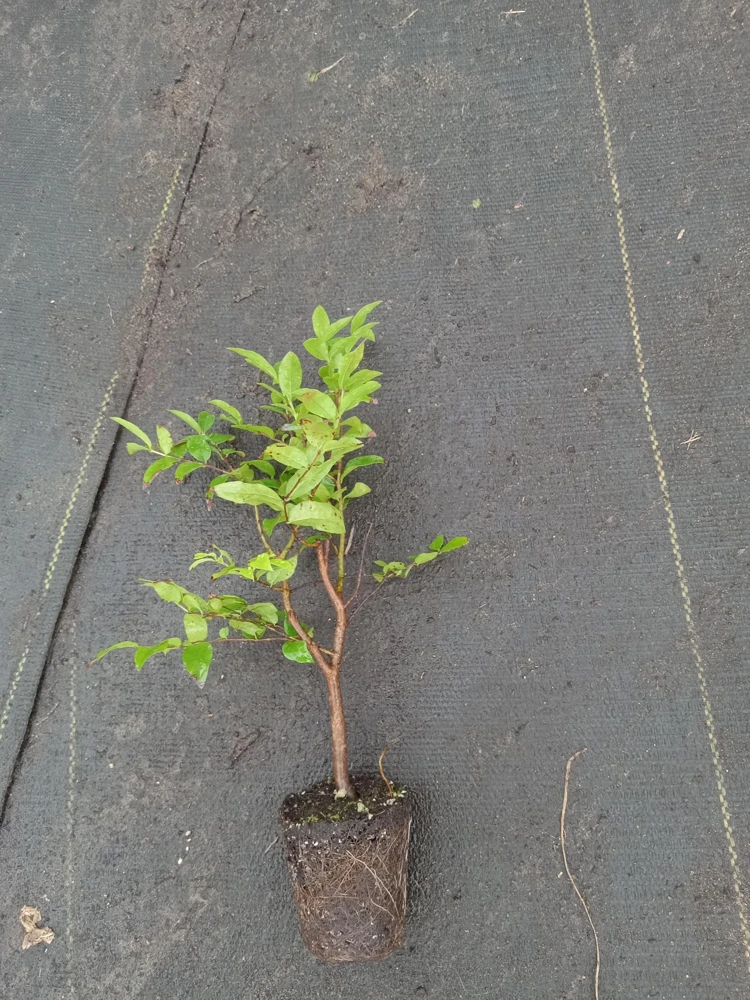
This offering is for one healthy Jaboticaba live plant, standing approximately 1 foot tall from the base of the stem to the top of the foliage. It is typically shipped bare root, carefully packaged to ensure its health and vitality upon arrival, ready for immediate planting in its new home. The Plinia cauliflora is a slow-growing tree, which contributes to its compact and manageable size, making it ideal for both garden landscapes and container cultivation. While exact mature size varies with growing conditions, a Jaboticaba can eventually reach 10-15 feet tall and wide when planted in the ground, but it can be maintained smaller with pruning, especially in containers. Expect the tree to begin fruiting within 5-7 years with proper care, providing a long-term source of delicious fruit.
The Brazilian Grape tree develops a strong root system and a sturdy trunk. Its attractive peeling bark becomes more pronounced with age, adding to its visual appeal. The glossy, evergreen leaves provide year-round greenery. When grown in a container, it’s recommended to start with at least a 3-gallon pot and gradually re-pot into larger containers as the tree matures, eventually reaching a size of 15-25 gallons or larger for optimal fruit production. Its adaptability to various growing environments makes this tropical fruit tree a versatile choice for many gardeners.
Frequently Asked Questions
- Q: How big does this Jaboticaba tree get? A: This Jaboticaba live plant is shipped at 1 foot tall. When mature, it can reach 10-15 feet tall and wide in the ground, but its slow growth and adaptability mean it can be kept smaller through pruning or by growing it in a container.
- Q: Is this an indoor or outdoor plant? A: The Brazilian Grape tree is a tropical plant best suited for outdoor planting in USDA Zones 9-11. In colder climates, it can be successfully grown in a large container and moved indoors during colder months.
- Q: How much sunlight does the Jaboticaba tree need? A: It thrives in full sun to partial shade. Aim for at least 6 hours of direct sunlight daily for best fruiting, though some afternoon shade is beneficial in very hot regions to protect the foliage.
- Q: Is this plant easy to care for? A: Once established, the Plinia cauliflora is relatively easy to care for. It primarily requires consistent moisture, well-draining soil, and protection from frost. It’s a great choice for gardeners looking for a unique tropical fruit tree.
- Q: What condition will the Jaboticaba tree arrive in? A: Your Jaboticaba live plant will be shipped bare root, carefully packaged to ensure it arrives healthy and ready for planting. This method helps reduce transplant shock and promotes a strong start.
- Q: How long until it blooms and fruits? A: With proper care, a Jaboticaba live plant typically begins fruiting within 5-7 years. The tree is known for its multiple fruiting cycles throughout the year in ideal conditions.
- Q: What is the best soil type for a Jaboticaba tree? A: The tropical fruit tree prefers moist, well-drained soil with a slightly acidic to neutral pH (5.5-7.0). A rich, loamy soil amended with organic matter is ideal for optimal growth and fruit production.
- Q: Can I grow a Jaboticaba in a pot? A: Yes, the Brazilian Grape tree adapts very well to container growing due to its slow growth rate and compact nature. Ensure the pot has good drainage and is gradually upsized as the tree grows.
- Q: What are the berries used for? A: The sweet, grape-like berries are excellent for fresh eating directly from the tree. They are also popular for making delicious jams, jellies, juices, and even homemade wine.
- Q: Will this Jaboticaba survive winter in my zone? A: This Jaboticaba is hardy in USDA Zones 9-11. If you live in a colder zone, you will need to grow it in a container and bring it indoors or provide significant winter protection when temperatures drop below freezing.
Be the first to review “Jaboticaba Tree Live Plant – 1 Foot Tall – Tropical Fruit Tree with Grape-Like Berries – Brazilian Grape”
People Also Viewed
Uncategorized


Flower Seeds
Court Jester Marigold Seeds – French Tagetes Patula Nana – Red Yellow Striped Flowers – 100 Seeds
Reviews
There are no reviews yet.