
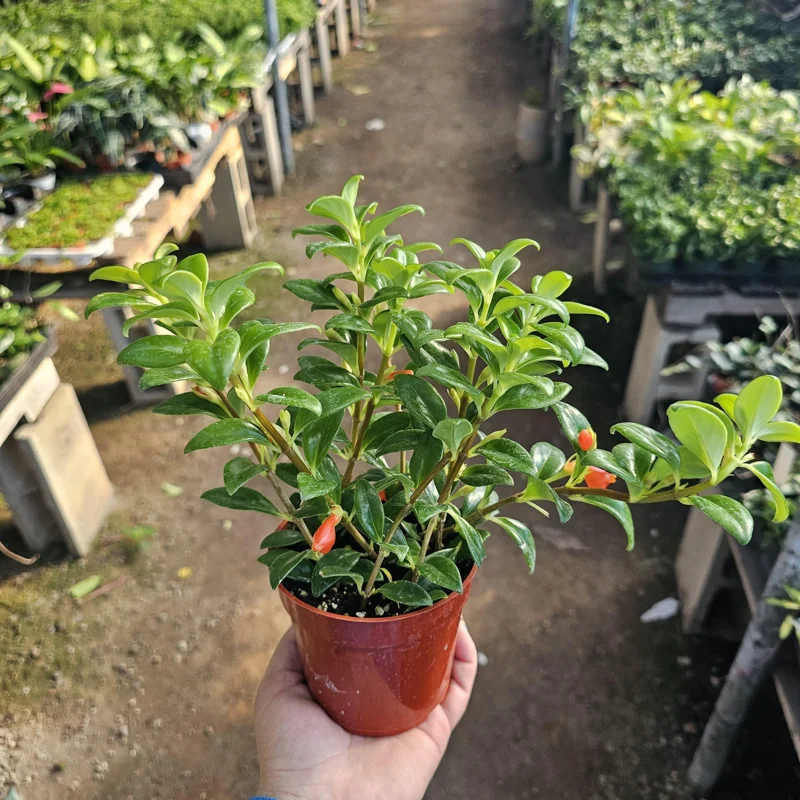
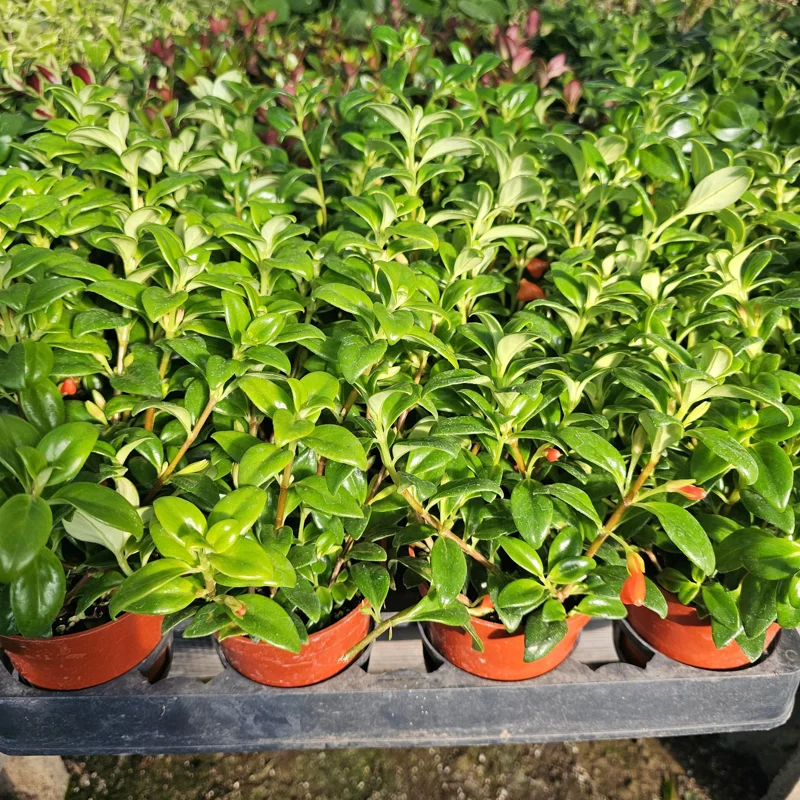
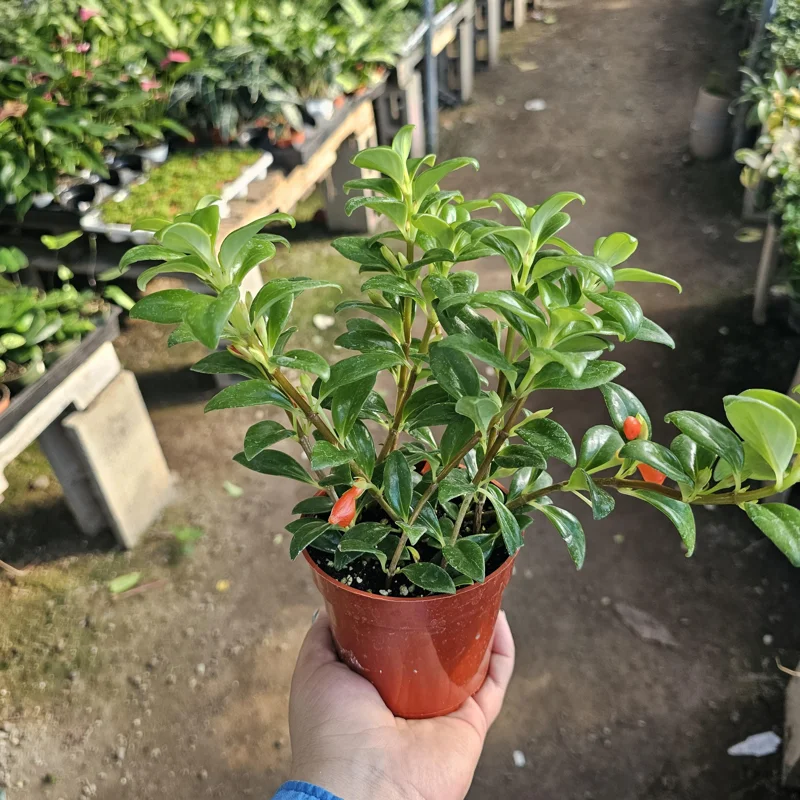
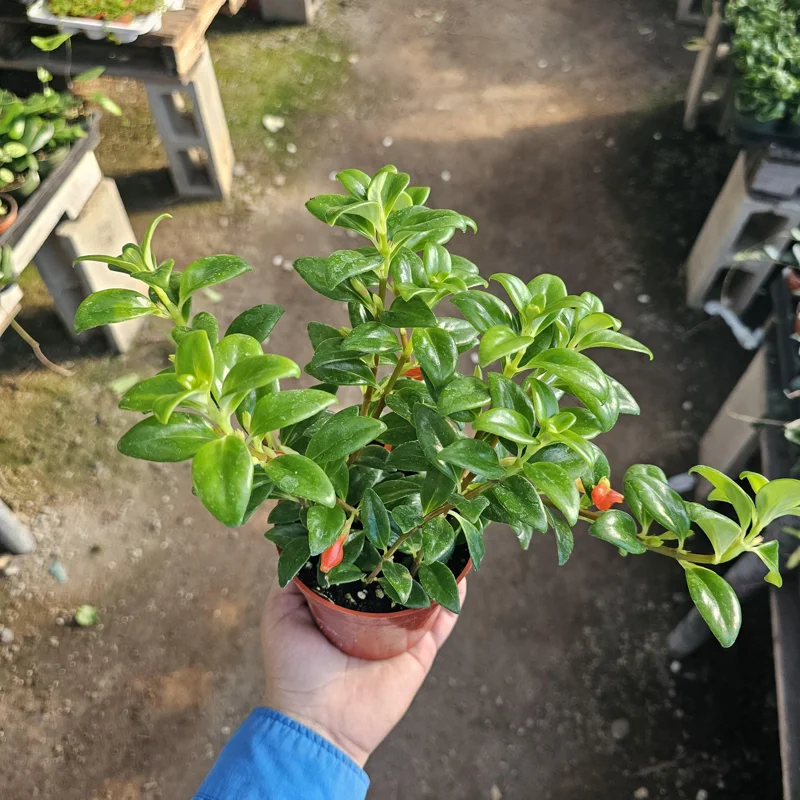
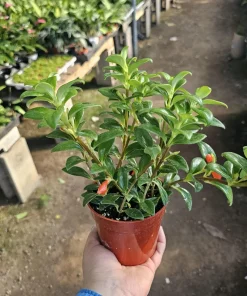
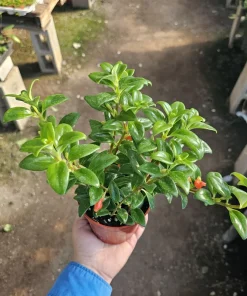
Goldfish Plant Nematanthus Hybrid Live Plant – 2in or 4in Pot – Indoor Houseplant
Original price was: $50.99.$25.99Current price is: $25.99.
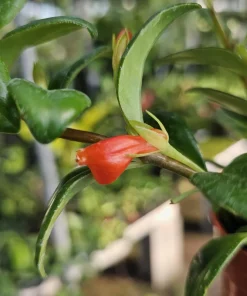
Bring home a vibrant goldfish plant live (Nematanthus hybrid), a delightful indoor houseplant known for its unique, pouch-like orange-red flowers. Available in 2in or 4in pot sizes, this ornamental beauty adds a cheerful touch to any room. Enjoy its easy-care nature and continuous blooming potential.
Estimated arrival
Oct 15
Oct 20 - Oct 22
Oct 25 - Oct 29
Shop With Confidence
30-Day Plant Health Guarantee
Arrives damaged? We’ll replace it free — see our return policy.
Responsive Support
Email us anytime, we reply within 1 business day.
Expert Packaging
Temperature-controlled shipping to protect your plants in transit.
Secure Checkout
Pay safely with Visa, Mastercard, PayPal.
Plant Specifications
-
USDA Hardiness Zone
USDA zones 10-11 (outdoors); typically grown indoors -
Soil Type
Well-draining potting mix -
Sunlight Exposure
Bright indirect light -
Expected Planting Period
Year-round indoors
Overview
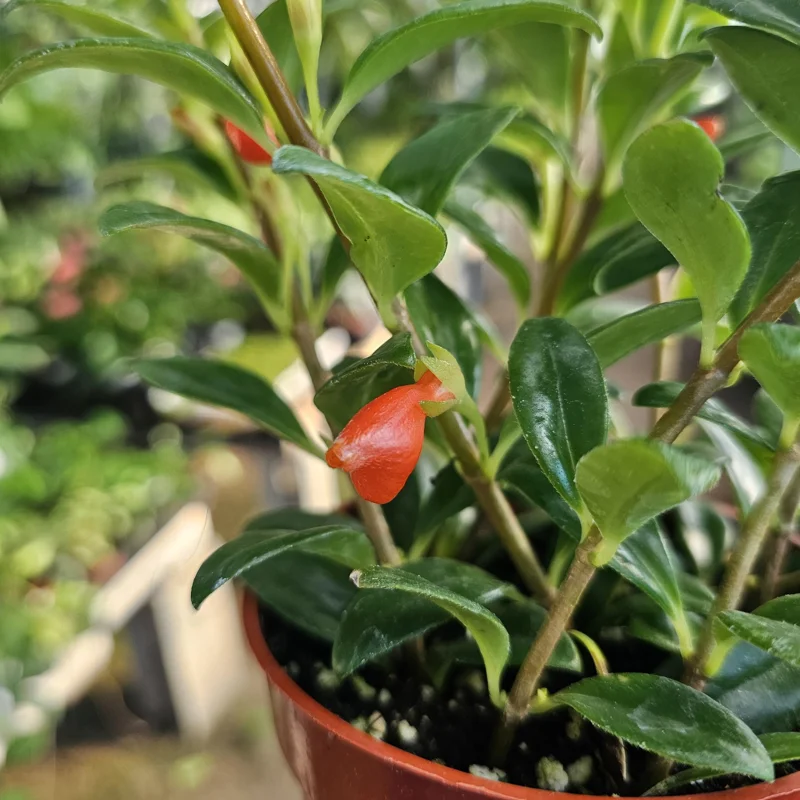
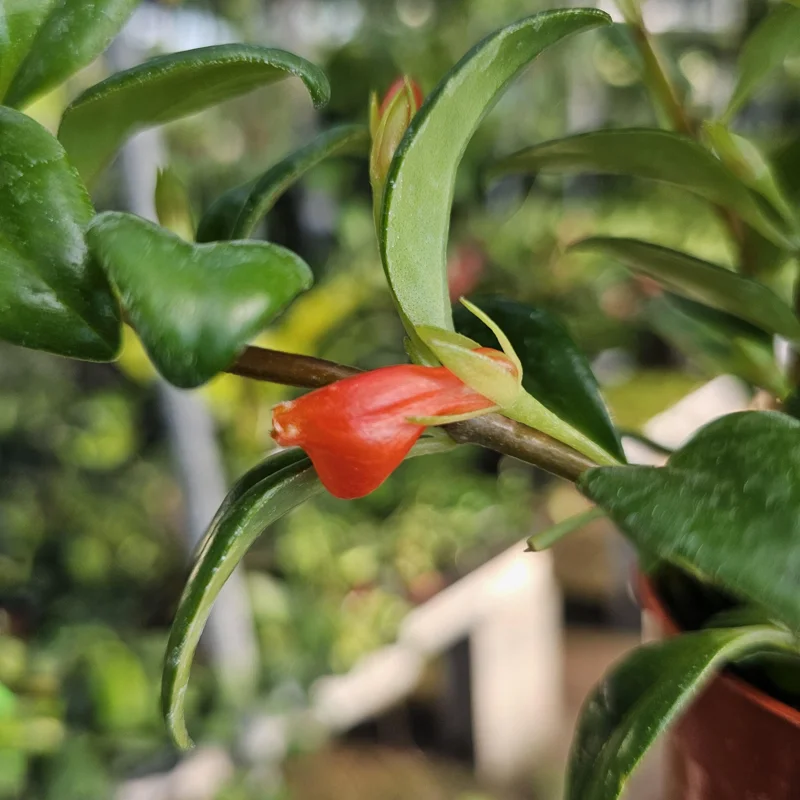
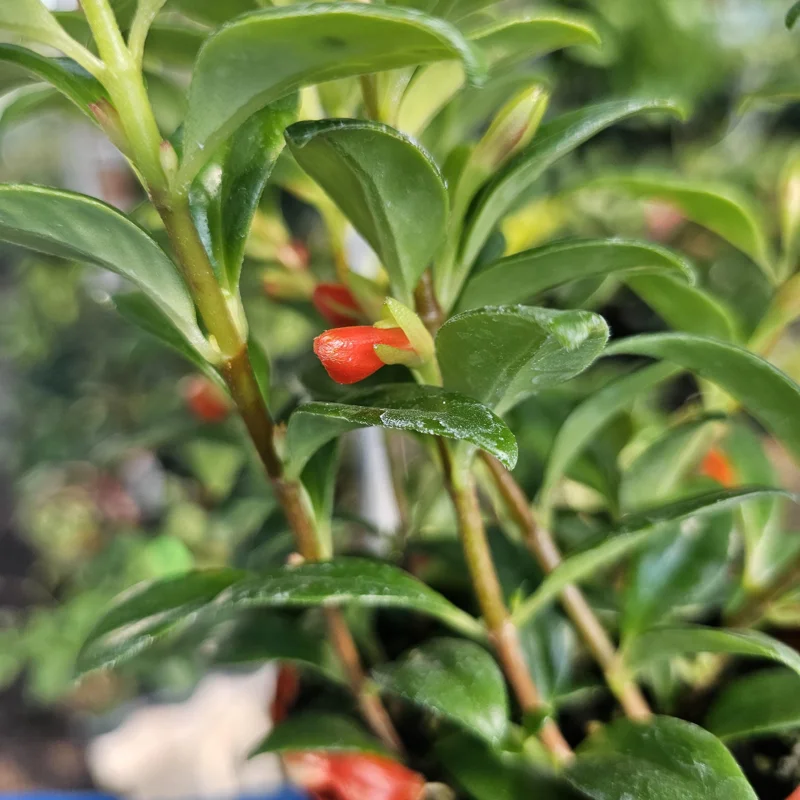
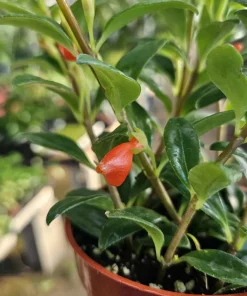
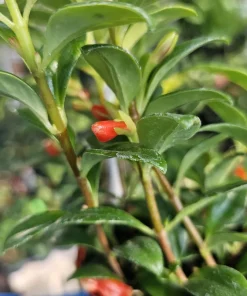
Welcome the charming goldfish plant live (Nematanthus hybrid) into your home! This captivating houseplant is celebrated for its distinctive, bright orange-red flowers that strikingly resemble tiny goldfish, hence its popular common name. A fantastic choice for adding a pop of color and unique texture to your indoor garden, the Nematanthus hybrid is a relatively low-maintenance plant that thrives in the right conditions. Originating from the tropical regions of Central and South America, this plant brings an exotic flair to any setting. Its glossy, dark green leaves provide a beautiful contrast to its vivid blooms, making it a true visual delight. Whether you’re a seasoned plant parent or just starting your green journey, the goldfish plant offers a rewarding and beautiful experience.
The nematanthus hybrid care is straightforward, making it an excellent option for busy individuals or those looking for an easy-to-grow flowering plant. It’s a wonderful addition to hanging baskets, shelves, or bright windowsills, where its trailing stems can cascade gracefully. The unique form of its flowers, which emerge from a calyx resembling a fish, truly sets it apart from other houseplants. Expect continuous blooms with proper care, providing long-lasting enjoyment and a cheerful atmosphere. This indoor goldfish plant will quickly become a favorite in your collection, offering both beauty and a touch of the extraordinary.
Key Benefits
The goldfish plant live offers numerous advantages, making it a highly desirable choice for any indoor plant enthusiast. Its unique aesthetic and relatively easy care contribute to its widespread appeal, providing both beauty and a sense of accomplishment.
- Unique Ornamental Appeal: The primary benefit is its stunning and unusual flowers, which are shaped uncannily like goldfish. These vibrant orange-red blooms add an exotic and whimsical touch, making it a fantastic conversation starter and a focal point in any room.
- Long-Lasting Blooms: With proper care, the nematanthus hybrid care can lead to continuous flowering throughout the year, providing consistent color and beauty, unlike many plants with short blooming seasons.
- Relatively Easy Care: This plant is quite forgiving and does not require overly complex care routines, making it suitable for both beginners and experienced plant enthusiasts looking for a rewarding yet manageable plant.
- Versatile Display Options: Its trailing growth habit makes it perfect for hanging baskets, elevated shelves, or even as a desk plant where its stems can gracefully spill over the edges.
- Enhances Indoor Aesthetics: The glossy, dark green foliage beautifully complements the bright flowers, creating a lush and vibrant display that brightens up any living space.
- Air Purifying Qualities: Like many houseplants, the indoor goldfish plant contributes to a healthier indoor environment by helping to filter common airborne toxins, improving air quality in your home or office.
- Boosts Mood and Well-being: Surrounding yourself with living plants, especially flowering ones, has been shown to reduce stress, improve focus, and generally enhance feelings of well-being.
Plant Care & Growing Tips
Providing the right environment is key to ensuring your goldfish plant live thrives and produces abundant blooms. Understanding the specific needs of this tropical beauty will help you cultivate a healthy and vibrant specimen. The nematanthus hybrid care involves attention to light, water, humidity, and soil.
For sunlight exposure, the goldfish plant prefers bright, indirect light. Place it near an east or west-facing window where it can receive plenty of light without direct, harsh sun, which can scorch its leaves. Too little light will result in sparse flowering and leggy growth, so finding the right balance is crucial for a happy indoor goldfish plant. Regarding watering, keep the soil consistently moist but never waterlogged. Allow the top inch of soil to dry out slightly between waterings. Overwatering can lead to root rot, which is a common issue for many houseplants. Ensure your pot has good drainage holes.
The ideal soil type for your goldfish plant is a well-draining potting mix. A mix designed for African violets or a general-purpose potting mix amended with perlite or orchid bark for extra drainage works well. This plant also appreciates high humidity, typical of its tropical origins. You can increase humidity by misting the foliage regularly, placing the pot on a pebble tray with water, or using a humidifier. Maintain indoor temperatures between 65-75°F (18-24°C) and avoid sudden temperature fluctuations. Fertilize every 2-4 weeks during the growing season (spring and summer) with a balanced liquid fertilizer diluted to half strength. Reduce feeding in fall and winter. Pruning leggy stems will encourage bushier growth and more flowers, contributing to a more attractive and full ornamental houseplant. Watch for common pests like spider mites or mealybugs; address them promptly with insecticidal soap if detected.
Size & Details
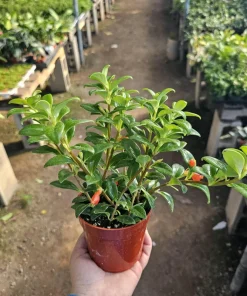
Our goldfish plant live is offered in two convenient sizes to suit your space and preference: a compact 2in pot and a more established 4in pot. These plants are shipped as healthy, actively growing specimens, ready to thrive in their new home. Typically, the Nematanthus hybrid can grow to have trailing stems up to 2-3 feet long, making it an excellent choice for hanging baskets or shelves where its foliage and unique flowers can cascade beautifully. Its growth rate is moderate, and with consistent care, you can expect it to fill out its space nicely over time. The plants are carefully packaged to ensure they arrive safely, minimizing stress during transit. You can expect to see the characteristic goldfish-shaped blooms shortly after acclimation, especially if it’s already in its blooming season. This vibrant goldfish plant flowering provides continuous beauty.
Frequently Asked Questions
- Q: How big does this plant get? A: The goldfish plant live typically develops trailing stems that can reach lengths of 2-3 feet. Its spread will depend on how often it’s pruned and the size of its container.
- Q: Is this an indoor or outdoor plant? A: The Nematanthus hybrid is primarily grown as an indoor goldfish plant in most climates. It can be moved outdoors in shaded areas during warm summer months, but it must be brought inside before temperatures drop.
- Q: How much sunlight does it need? A: This plant thrives in bright, indirect light. Avoid direct sunlight, which can scorch its leaves, but ensure it gets enough ambient light to encourage robust growth and abundant goldfish plant flowering.
- Q: Is this plant easy to care for? A: Yes, the nematanthus hybrid care is considered relatively easy, making it a great choice for both beginners and experienced plant enthusiasts. It primarily requires consistent watering and bright, indirect light.
- Q: What condition will it arrive in? A: Your plant will arrive as a healthy, live specimen in its original nursery pot, carefully packaged to protect it during shipping. Some soil may shift during transit, but the plant will be secure.
- Q: How often should I water my goldfish plant? A: Water when the top inch of soil feels dry to the touch. Keep the soil consistently moist but never soggy to prevent root rot. This is a crucial part of successful ornamental houseplant care.
- Q: What’s the best time to plant or repot it? A: The best time to repot your goldfish plant is in the spring, when it’s actively growing. It’s generally shipped year-round, suitable for planting at any time indoors.
- Q: Will it survive winter in my zone? A: As a tropical plant, the goldfish plant is not cold-hardy. It will only survive outdoors year-round in very warm, frost-free climates (USDA zones 10-11). For most regions, it must be kept indoors during winter.
- Q: Does this plant have any special humidity requirements? A: Yes, the goldfish plant appreciates high humidity. You can provide this by misting regularly, using a pebble tray, or placing it near a humidifier, especially in dry indoor environments.
- Q: Why is my goldfish plant not flowering? A: Lack of sufficient light is a common reason for a goldfish plant not flowering. Ensure it receives bright, indirect light. Proper watering and regular fertilization during the growing season also contribute to healthy blooming.
| Size Option | 2In Pot, 4In Pot |
|---|---|
| Option | 1, Bundle Of 2 |
Be the first to review “Goldfish Plant Nematanthus Hybrid Live Plant – 2in or 4in Pot – Indoor Houseplant”
People Also Viewed



Reviews
There are no reviews yet.