
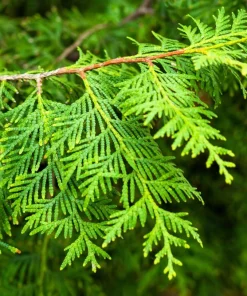
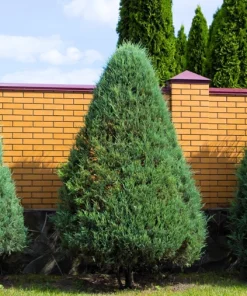
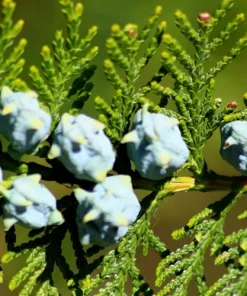
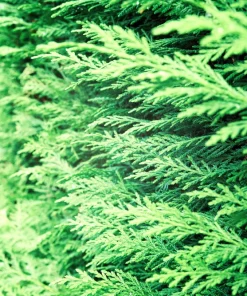
25 Thuja Occidentalis Cedar Tree Seeds – Evergreen Conifer for Zone 2-7
Original price was: $36.99.$16.99Current price is: $16.99.
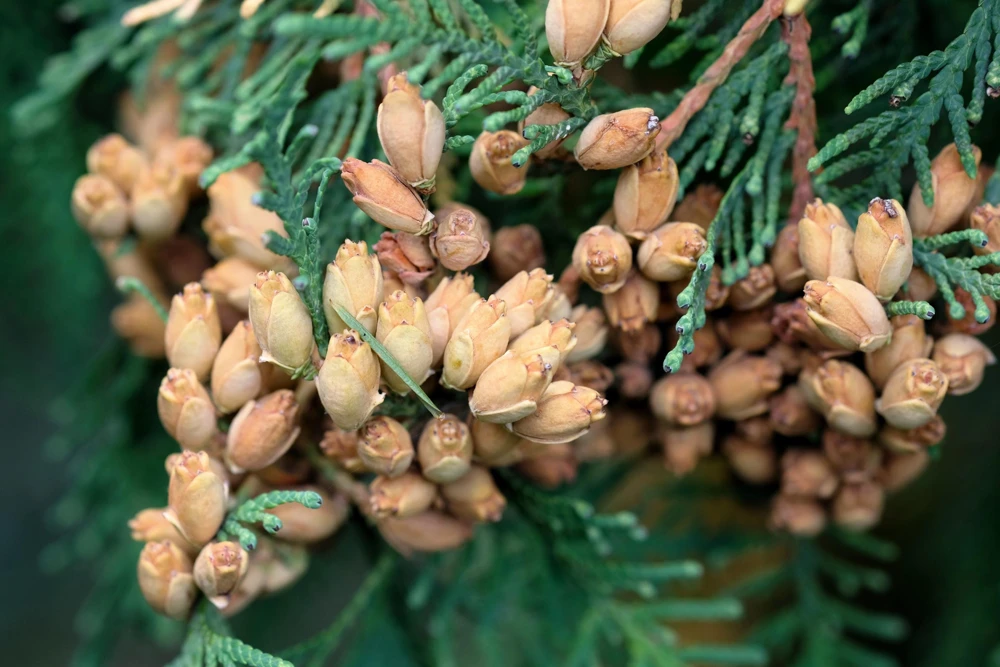
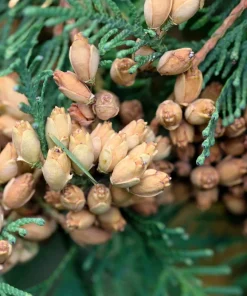
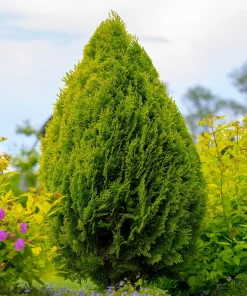
Cultivate beautiful, tall Thuja Occidentalis seeds, also known as Cedar Tree seeds. This pack of 25 seeds allows you to grow a hardy, evergreen conifer, ideal for creating natural privacy screens and thriving in cold climates (USDA Zones 2-7). Perfect for a structured landscape.
Estimated arrival
Sep 17
Sep 22 - Sep 24
Sep 27 - Oct 01
Shop With Confidence
30-Day Plant Health Guarantee
Arrives damaged? We’ll replace it free — see our return policy.
Responsive Support
Email us anytime, we reply within 1 business day.
Expert Packaging
Temperature-controlled shipping to protect your plants in transit.
Secure Checkout
Pay safely with Visa, Mastercard, PayPal.
Plant Specifications
-
USDA Hardiness Zone
2 - 7 -
Soil Type
Average, well-draining soil -
Sunlight Exposure
Full sun - Partial shade -
Expected Planting Period
Fall / Cold Stratify for Spring
Overview
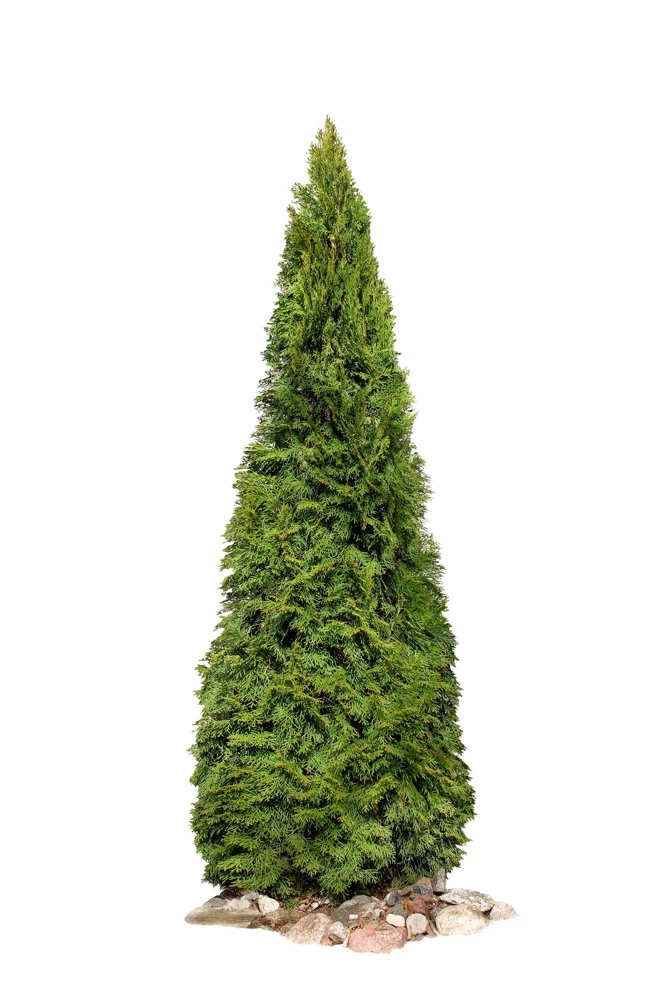
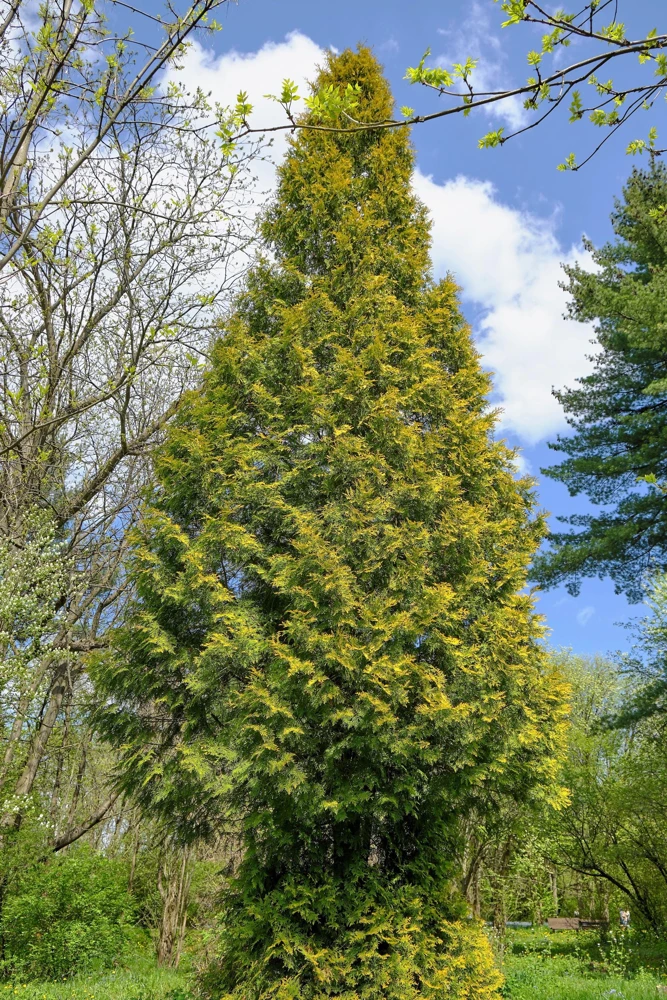
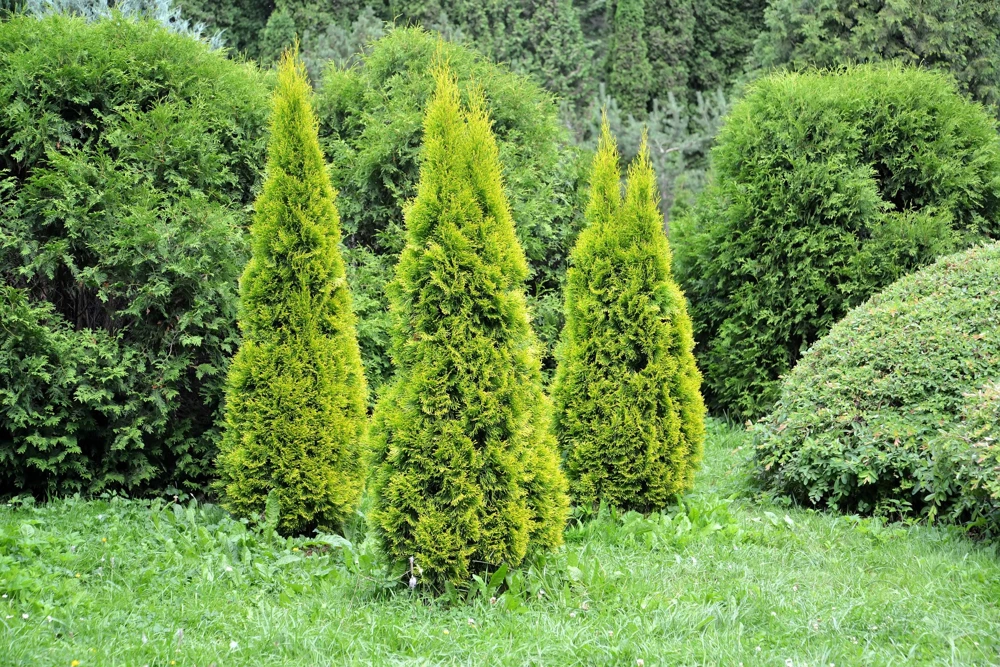
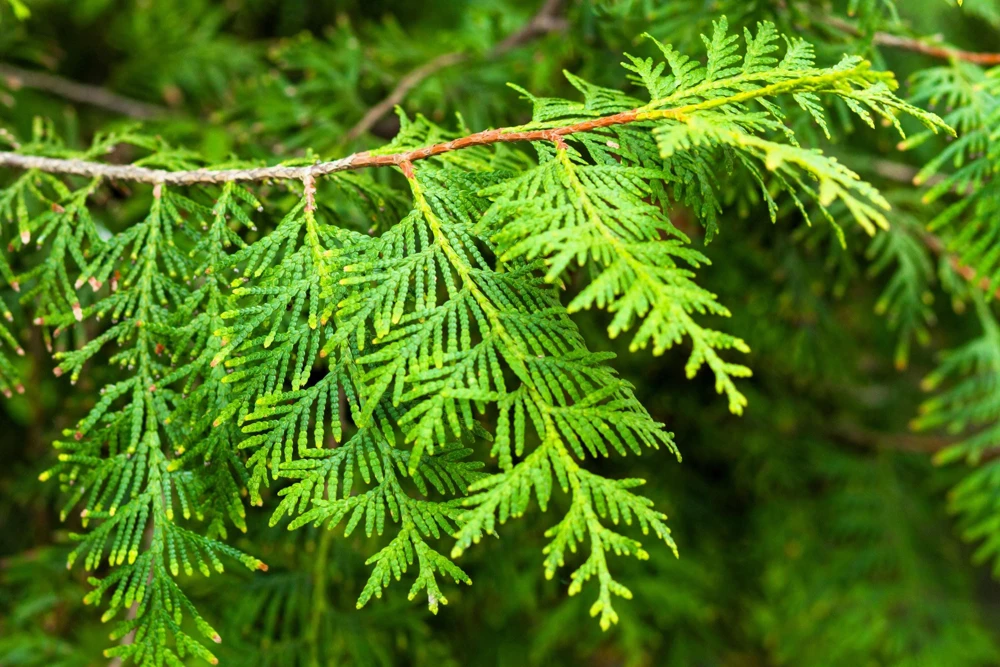
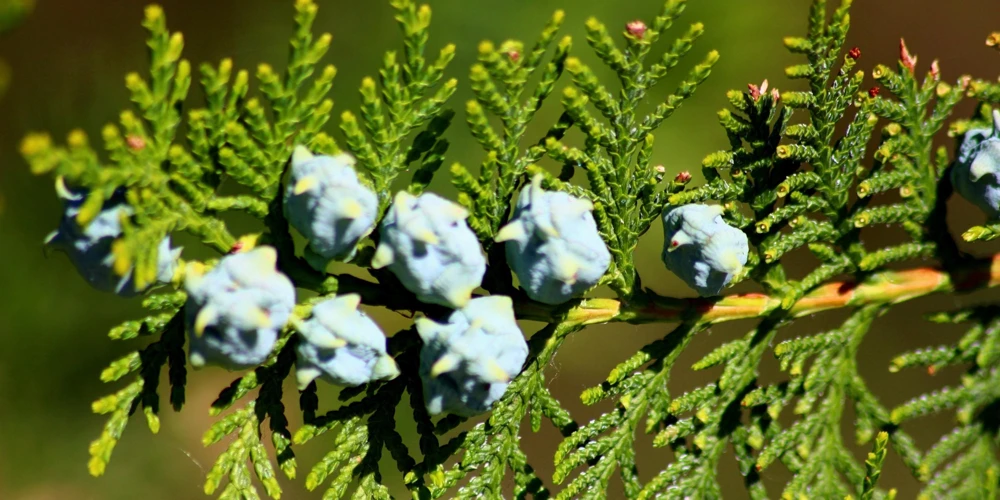
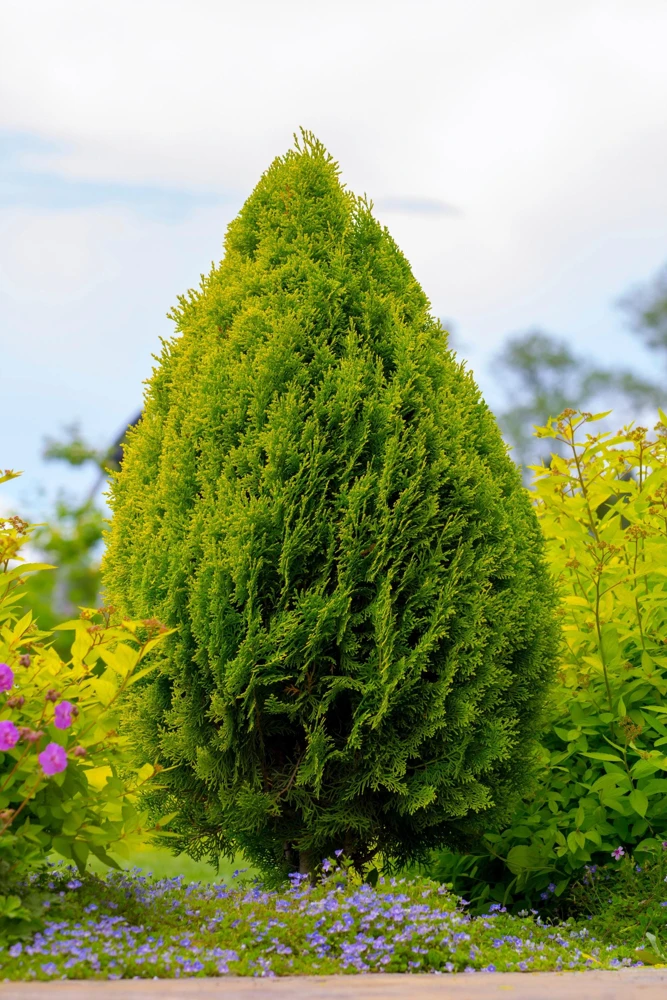
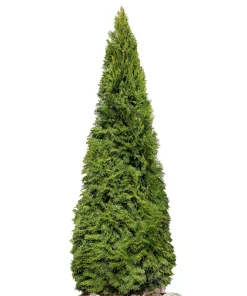
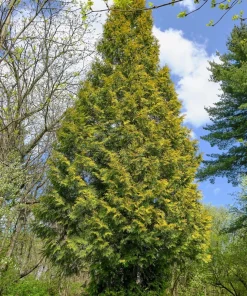
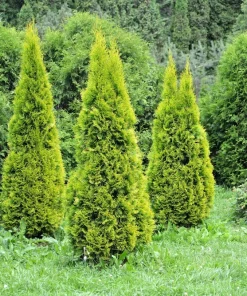
Embark on a rewarding gardening journey with our premium Thuja Occidentalis seeds. These seeds offer the opportunity to grow the stately Thuja Occidentalis, commonly known as the Cedar Tree, a magnificent evergreen conifer. Renowned for its neat, tall, and slender growth habit, this tree is an excellent choice for creating impressive privacy screens, windbreaks, or as a striking specimen plant in your landscape. Its scientific name, Thuja Occidentalis, highlights its native origins and resilience. This variety is celebrated for its exceptional cold tolerance, making it a reliable choice for gardeners in a wide range of climates. With proper care, these seeds will germinate into strong, healthy saplings, eventually maturing into grand trees that enhance the beauty and functionality of your outdoor space for decades.
Key Benefits
Growing Thuja Occidentalis seeds provides numerous advantages for any gardener looking to establish a robust and attractive landscape. These benefits extend from aesthetic appeal to practical environmental contributions, making them a wise investment for your garden:
-
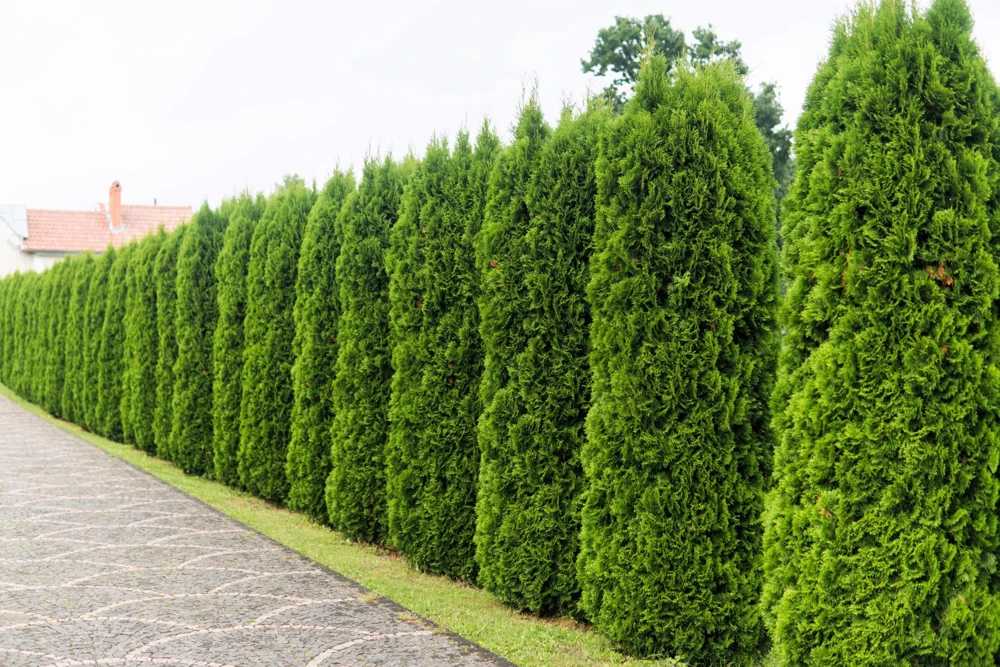
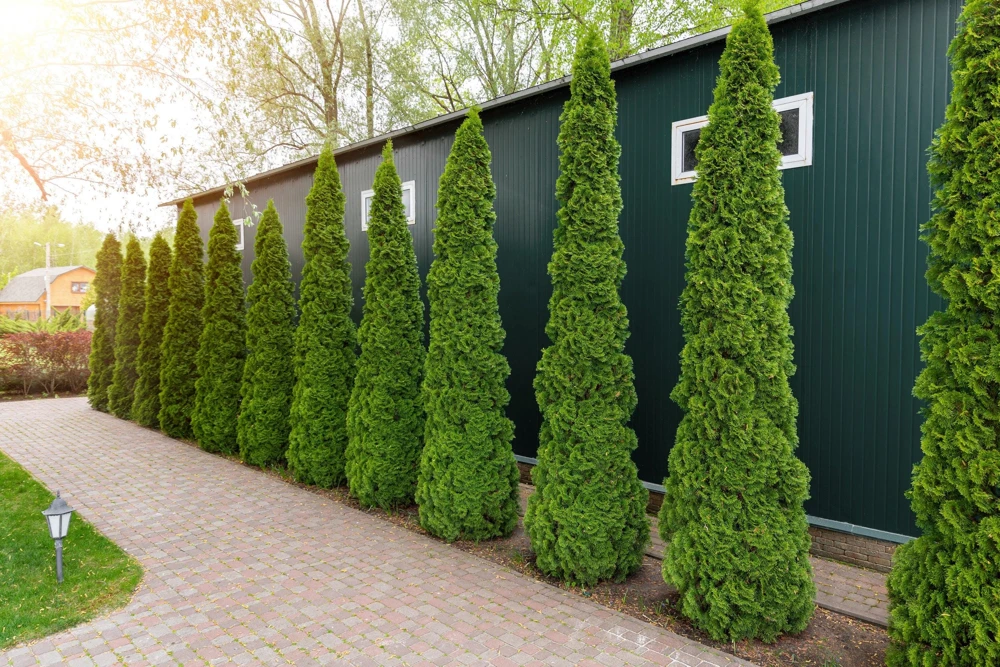
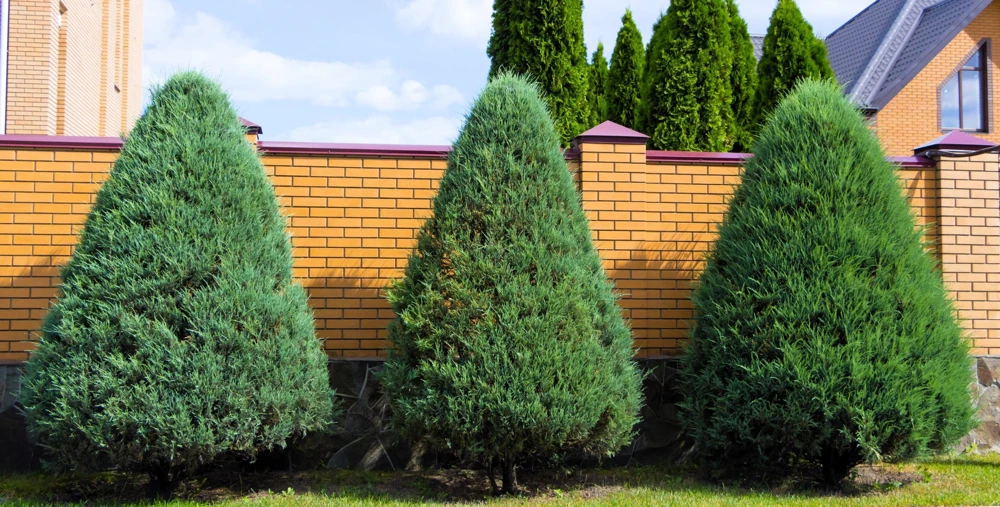
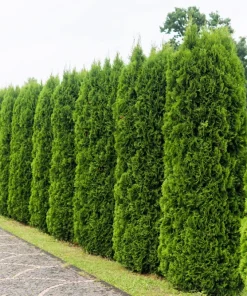
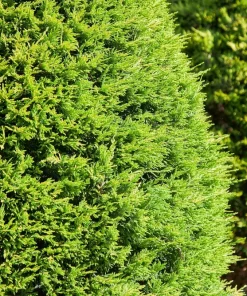
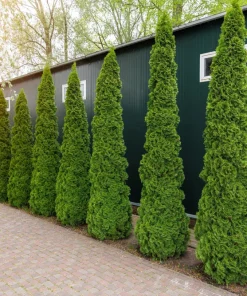
Excellent Privacy Screening: The dense, evergreen foliage of the Thuja Occidentalis forms a superb natural barrier, offering year-round privacy and seclusion for your property. Its tall and thin growth habit ensures effective screening without consuming excessive horizontal space.
-
Exceptional Cold Hardiness: Thuja Occidentalis is incredibly resilient, thriving in USDA Hardiness Zones 2-7. This makes it a perfect choice for regions experiencing harsh winters, as it maintains its vibrant green color even in freezing temperatures.
-
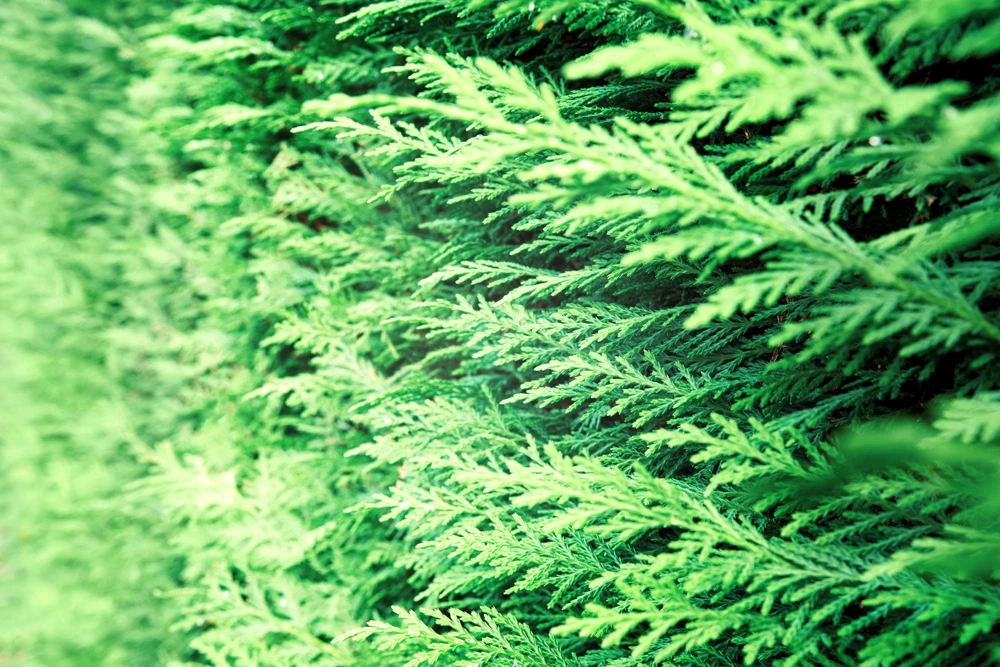
Low Maintenance Evergreen: Once established, these Cedar Tree seeds develop into trees that require minimal care. They are generally resistant to many pests and diseases, providing a hassle-free landscaping solution that stays green all year.
-
Versatile Landscape Use: Whether you’re aiming for a formal hedge, a dramatic backdrop, or an individual specimen, the Thuja Occidentalis adapts beautifully. Its classic columnar shape adds architectural interest to any garden design.
-
Wildlife Habitat: The dense branches offer shelter and nesting sites for various bird species, contributing to local biodiversity and creating a lively garden environment.
-
Windbreak and Noise Reduction: A row of mature Thuja trees can significantly reduce wind speeds and dampen noise pollution, creating a more tranquil and comfortable outdoor living area.
-
Air Quality Improvement: Like all trees, the Thuja Occidentalis helps to purify the air by absorbing carbon dioxide and releasing oxygen, contributing to a healthier environment.
Plant Care & Growing Tips
Successful germination and growth of Thuja Occidentalis seeds begin with understanding their specific needs. These seeds benefit from cold stratification to mimic natural winter conditions, which breaks their dormancy and encourages germination. Plant seeds in the fall or cold stratify them for 60-90 days before spring planting. Use a well-draining seed-starting mix in trays or small pots. Ensure the seeds are lightly covered with soil, about 1/8 to 1/4 inch deep.
For optimal growth, Thuja tree planting requires a location that receives full sun to partial shade. Full sun (at least 6 hours of direct sunlight daily) will generally result in denser foliage and faster growth, while partial shade can be tolerated, especially in hotter climates. The trees prefer average, well-draining soil. While they are adaptable to various soil types, avoid overly wet or poorly drained areas, which can lead to root issues. Water regularly during the first few growing seasons to establish a strong root system, keeping the soil consistently moist but not waterlogged. Once established, Thuja trees are quite drought-tolerant but will benefit from occasional deep watering during prolonged dry spells.
Thuja Occidentalis is remarkably cold tolerant, thriving in USDA Hardiness Zones 2-7. This resilience makes it an excellent choice for a wide range of northern climates. Fertilization is generally not heavily required for established trees, but a balanced, slow-release fertilizer can be applied in spring to young trees to encourage vigorous growth. Watch out for common issues like bagworms or spider mites, especially during dry periods; prompt treatment with appropriate organic or chemical controls can prevent serious damage. Adequate spacing is crucial for mature trees, with a recommendation of 10-12 feet between plants to allow for healthy development and air circulation, ensuring your evergreen conifer seeds grow into majestic trees.
Size & Details
This offering includes 25 Thuja Occidentalis seeds, providing a generous quantity for starting your cedar tree project. When mature, the Thuja Occidentalis typically reaches a height of 20-30 feet, making it a substantial addition to any landscape. The plant spacing should be approximately 10-12 feet apart to allow for proper air circulation and root development as the trees grow. These trees are evergreen, maintaining their lush foliage throughout the year, offering continuous beauty and screening. They do not have a prominent bloom time in the traditional sense, as their appeal lies in their foliage and form. The seeds are suitable for fall planting or require cold stratification for spring planting, ensuring successful germination. The robust nature of these cold tolerant tree seeds means they will develop into resilient specimens.
Frequently Asked Questions
-
Q: How big does this Thuja tree get? A: The Thuja Occidentalis typically grows to a height of 20 to 30 feet, providing significant vertical presence and excellent screening for your landscape.
-
Q: Is this an indoor or outdoor plant? A: The Thuja Occidentalis seeds are intended for growing outdoor trees. They are robust conifers that thrive in various outdoor garden settings.
-
Q: How much sunlight does it need? A: These trees prefer full sun to partial shade, meaning they should receive at least 6 hours of direct sunlight daily for optimal growth and foliage density.
-
Q: Is planting Thuja Occidentalis seeds easy for beginners? A: While Thuja tree planting requires cold stratification, the overall care for established trees is relatively low maintenance, making them suitable for gardeners of various experience levels.
-
Q: What condition will the seeds arrive in? A: You will receive 25 high-quality, viable Thuja Occidentalis seeds, carefully packaged to ensure their integrity during transit, ready for stratification and planting.
-
Q: When is the best time to plant Thuja Occidentalis seeds? A: The best time to plant these seeds is in the fall, allowing them to naturally cold stratify over winter. Alternatively, you can cold stratify them artificially for spring planting.
-
Q: Will these Cedar Tree seeds survive winter in my zone? A: Yes, Thuja Occidentalis is extremely cold tolerant and is hardy in USDA Zones 2-7, making it an excellent choice for regions with cold winters.
-
Q: What type of soil do Thuja trees prefer? A: Thuja Occidentalis prefers average, well-draining soil. While adaptable, ensuring good drainage is key to preventing root issues and promoting healthy growth of your evergreen conifer seeds.
-
Q: How far apart should I plant the Thuja trees? A: For mature trees, a spacing of 10 to 12 feet between plants is recommended to allow for adequate growth, air circulation, and to create an effective privacy screen.
-
Q: Do these trees attract wildlife? A: Yes, the dense foliage of mature Thuja trees provides excellent shelter and nesting sites for various birds and small wildlife, enhancing your garden’s ecosystem.
Be the first to review “25 Thuja Occidentalis Cedar Tree Seeds – Evergreen Conifer for Zone 2-7”
People Also Viewed
Succulents
Red Christmas Cactus Live Plant 4-6 Inch Tall, Holiday Cactus Houseplant, 2 Plants Per Pot

Reviews
There are no reviews yet.