
Stinging Nettle Seeds – Urtica Dioica – 200 Seeds – Outdoor Plant
Original price was: $36.99.$16.99Current price is: $16.99.
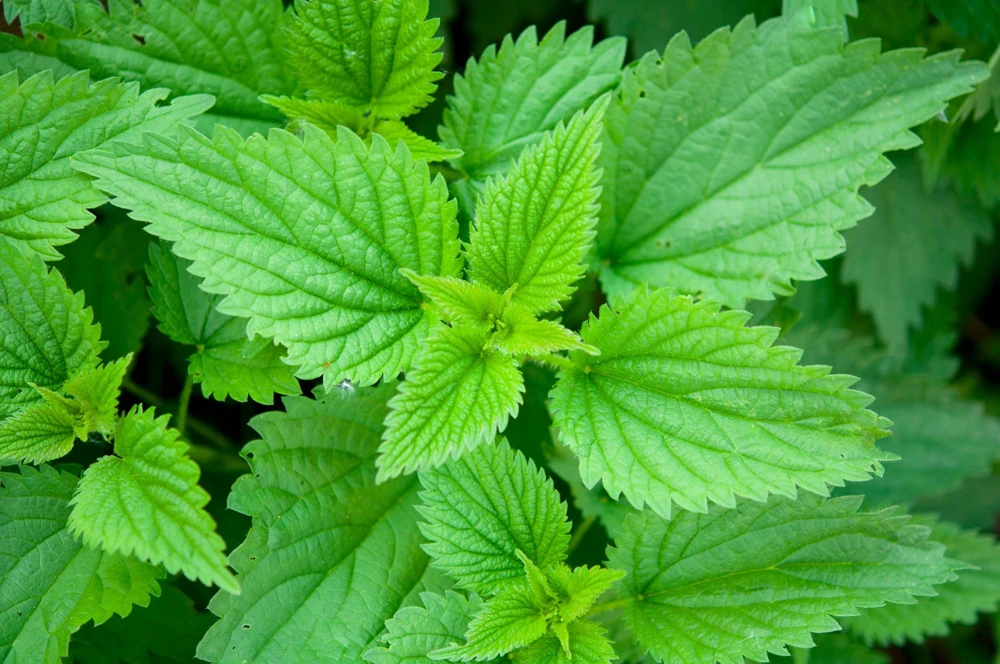
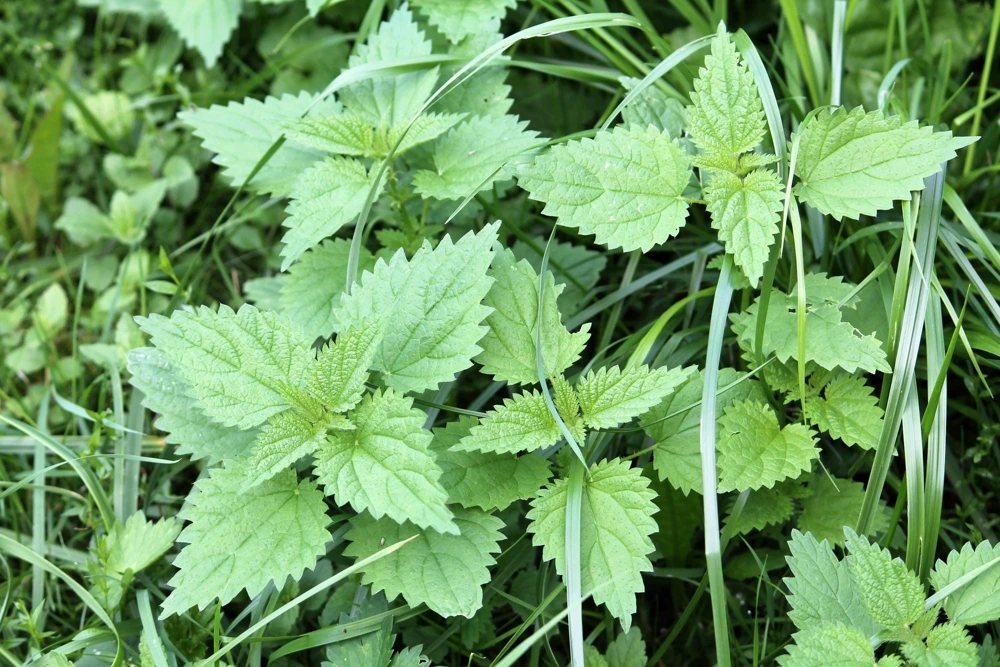
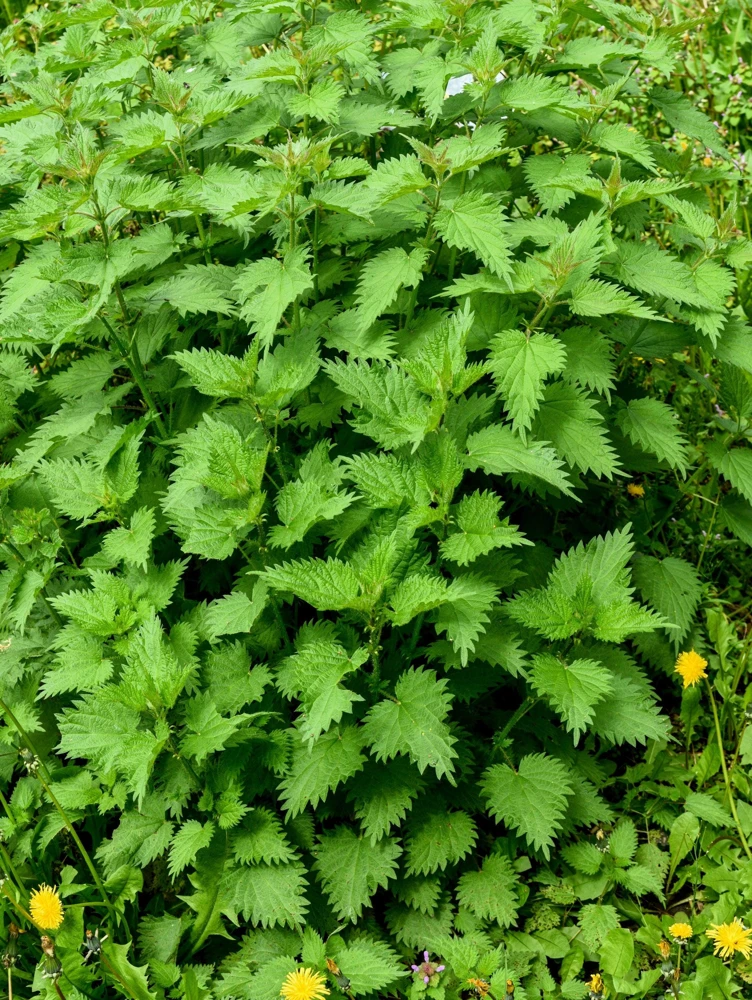
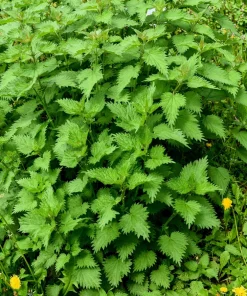
Cultivate stinging nettle seeds (Urtica dioica) for a distinctive addition to your garden. This pack contains 200 high-quality seeds, perfect for establishing a protective border or exploring its traditional uses. Known as Common Nettle or Tread Softly, this plant thrives outdoors with minimal care, offering unique benefits.
Estimated arrival
Sep 17
Sep 22 - Sep 24
Sep 27 - Oct 01
Shop With Confidence
30-Day Plant Health Guarantee
Arrives damaged? We’ll replace it free — see our return policy.
Responsive Support
Email us anytime, we reply within 1 business day.
Expert Packaging
Temperature-controlled shipping to protect your plants in transit.
Secure Checkout
Pay safely with Visa, Mastercard, PayPal.
Plant Specifications
-
USDA Hardiness Zone
2 - 10 -
Soil Type
Average - Dry, well-draining soil -
Sunlight Exposure
Full Sun -
Expected Planting Period
Outdoors after frost / Indoors weeks before last frost
Overview
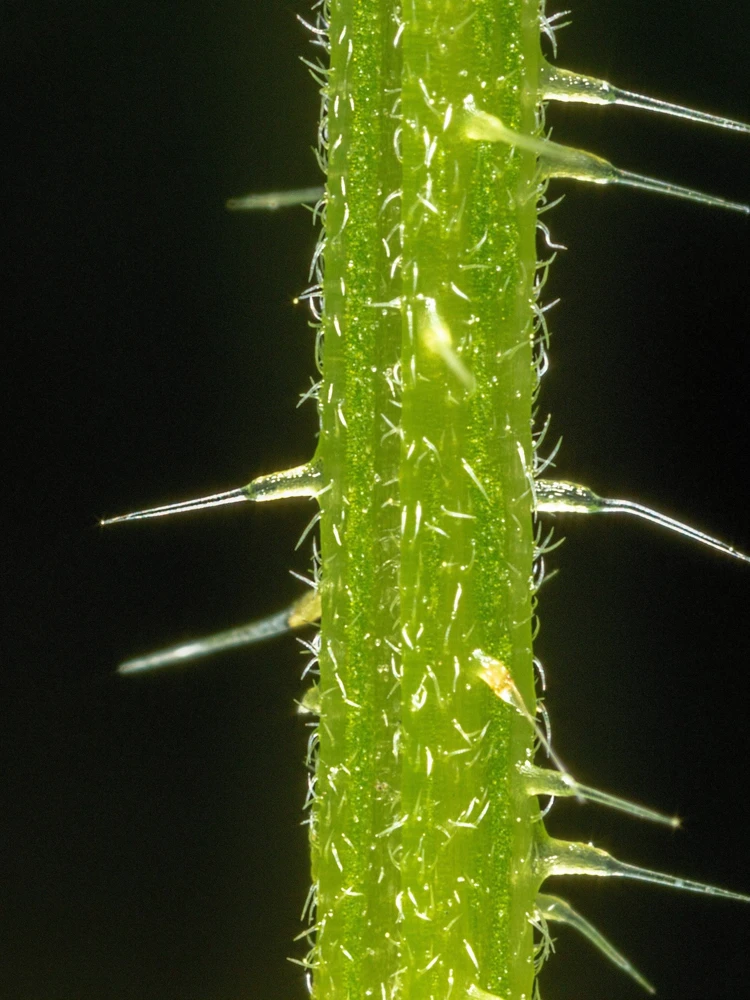
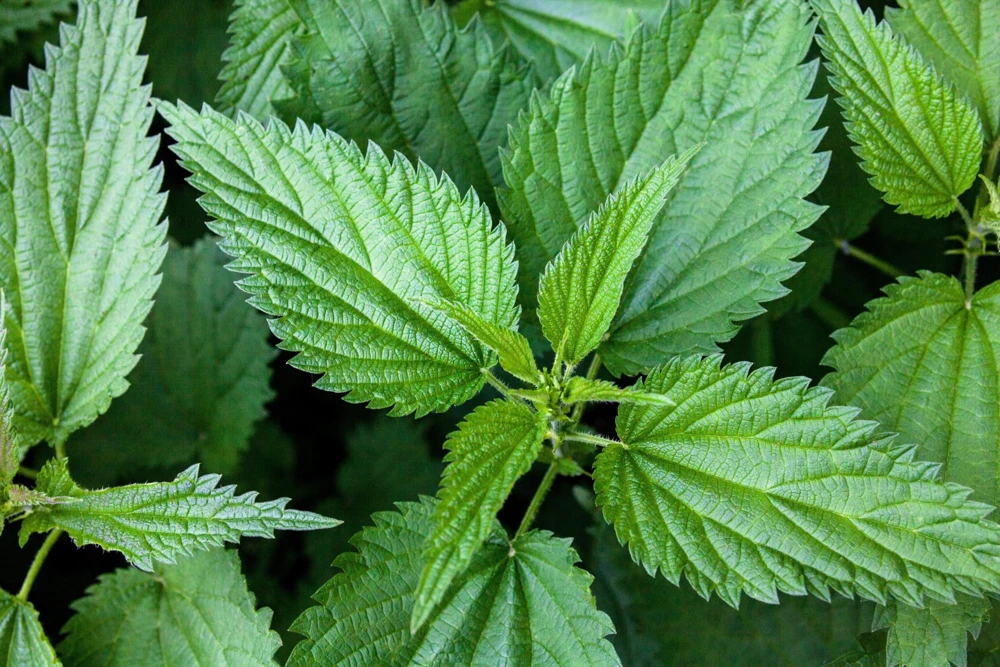
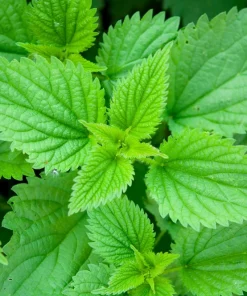
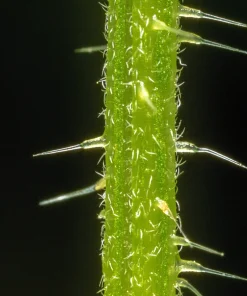
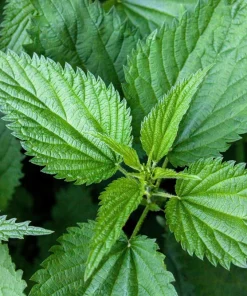
Discover the intriguing world of stinging nettle seeds, scientifically known as Urtica Dioica. This pack provides 200 seeds of this versatile plant, also recognized by common names such as Common Nettle, Tread Softly, Bull Nettle, or California Nettle. Stinging Nettle is a herbaceous perennial valued for its unique characteristics and various applications. While famously known for its stinging hairs that deter intruders, it also holds a place in traditional herbal practices and can be an interesting addition to a diverse garden. Growing from these seeds allows you to cultivate this resilient plant, observing its growth from a tiny seedling to a mature, protective presence in your outdoor space.
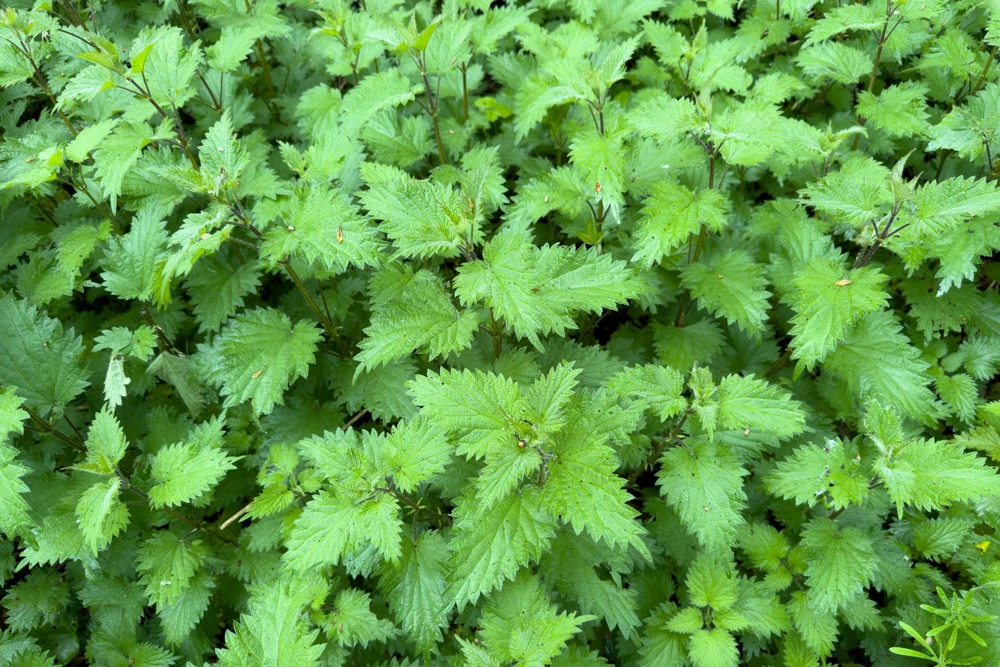
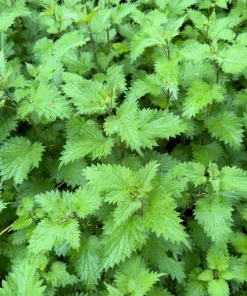
These Urtica dioica seeds are ideal for gardeners looking to add a plant with both historical significance and practical uses. Whether you’re interested in its defensive properties or its role in natural ecosystems, these seeds offer an opportunity to grow a robust and intriguing plant. The plant typically reaches a height of 36-48 inches, forming a dense patch that can serve as a natural barrier or an interesting specimen in a wild garden setting. With proper care, these seeds will germinate and grow into healthy, mature Stinging Nettle plants, ready to fulfill their purpose in your landscape.
Key Benefits
Cultivating stinging nettle seeds offers a range of unique benefits, making it more than just a common weed. From garden protection to ecological contributions, this plant provides several advantages for the discerning gardener.
- Natural Garden Protection: The stinging hairs of the Stinging Nettle act as an excellent deterrent, making it a perfect plant to grow underneath windows or along property lines to discourage unwanted visitors. Its protective nature is one of its most prominent features.
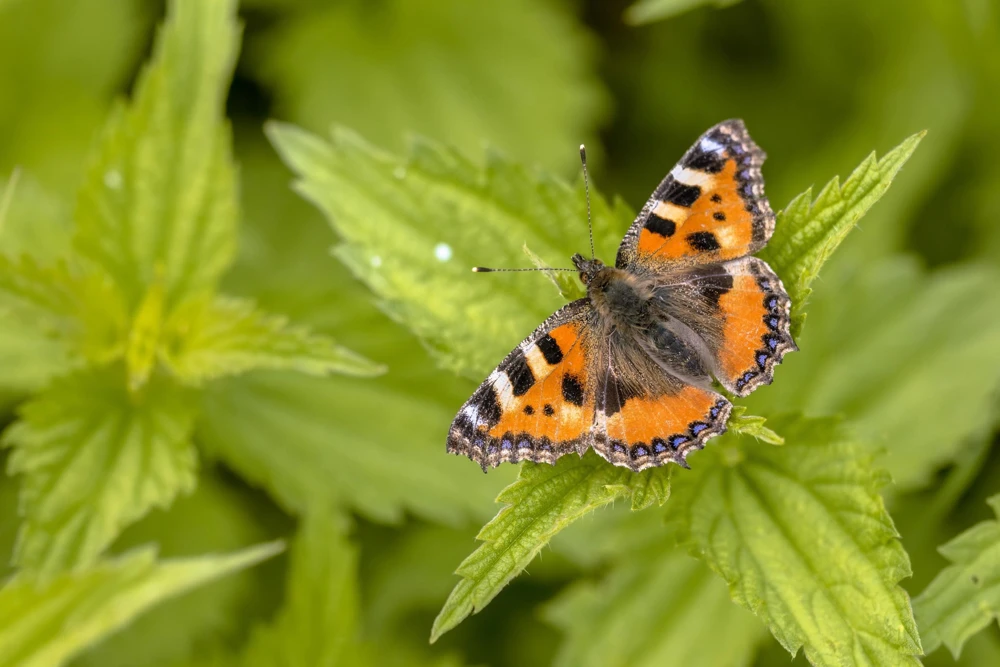
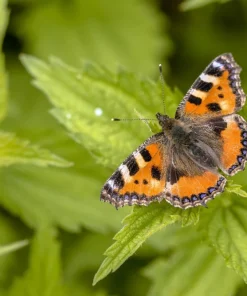
- Ecological Support: Stinging Nettle serves as a host plant for several butterfly species, including the Red Admiral, Comma, and Peacock butterflies, contributing to local biodiversity. Growing common nettle seeds can help support these pollinators.
- Soil Improvement: As a dynamic accumulator, Stinging Nettle draws up nutrients from deep within the soil, making them available to other plants when its leaves decompose. This natural process enhances soil fertility.
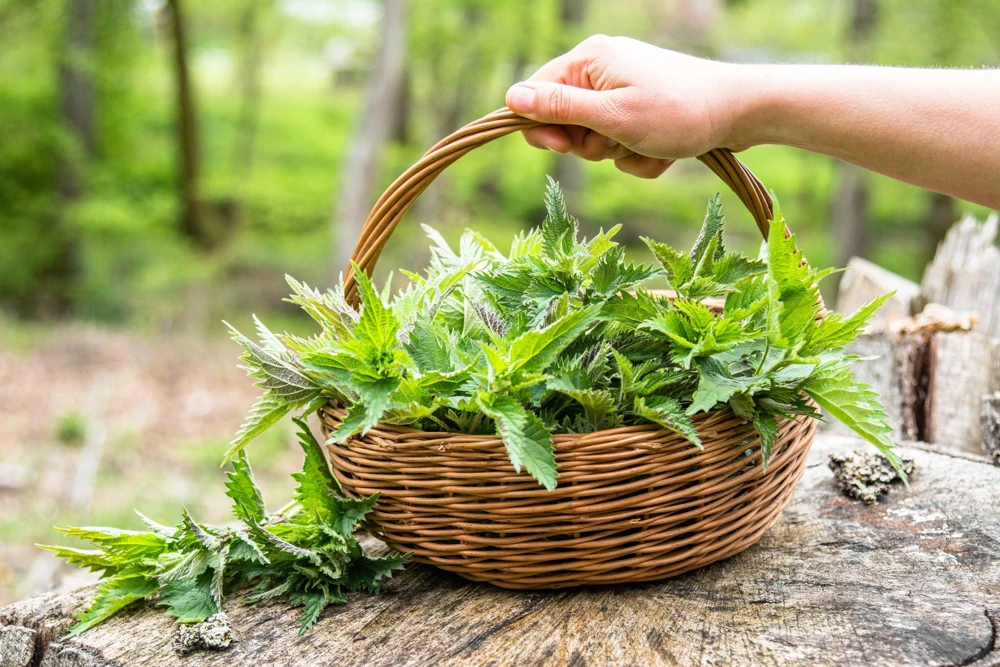
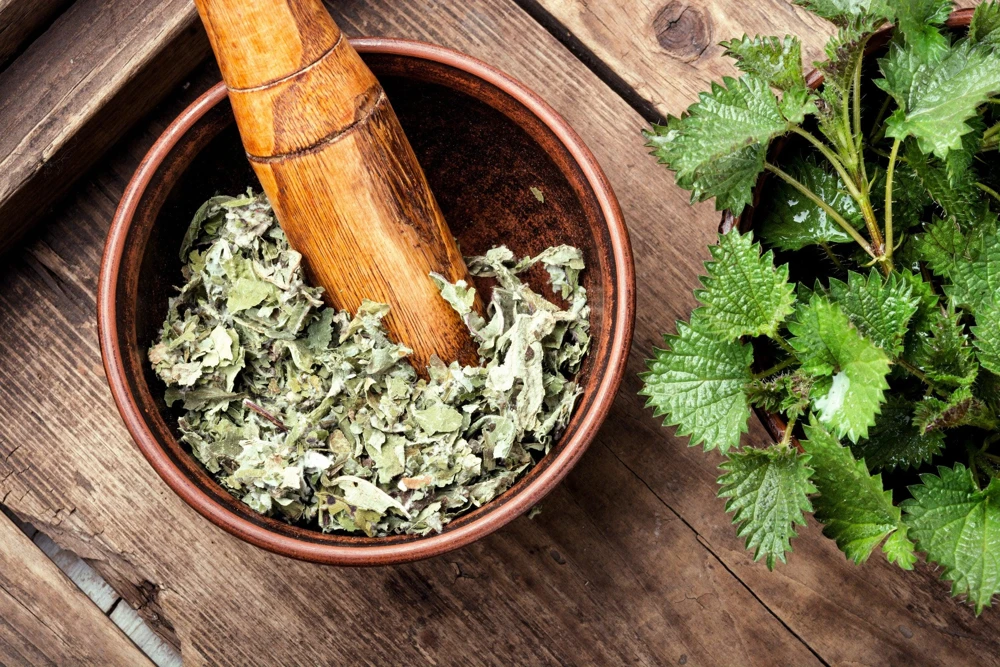
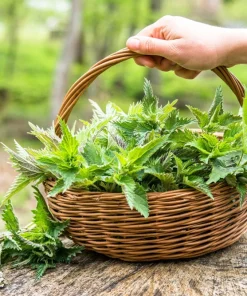
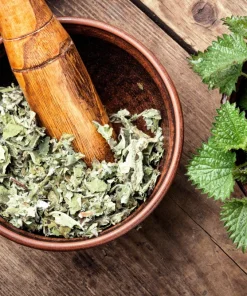
- Herbal and Culinary Interest: Historically, Stinging Nettle has been used for various herbal applications. Young leaves, when cooked or dried, lose their sting and can be used in teas, soups, and other dishes, offering nutritional benefits.
- Drought Tolerance: Once established, Stinging Nettle is relatively drought-tolerant, preferring average to dry soil conditions. This makes it a low-maintenance option for many garden types.
- Hardy and Resilient: This plant is incredibly hardy, thriving in USDA Zones 2-10, making it suitable for a wide range of climates. It can withstand various environmental conditions, establishing itself readily.
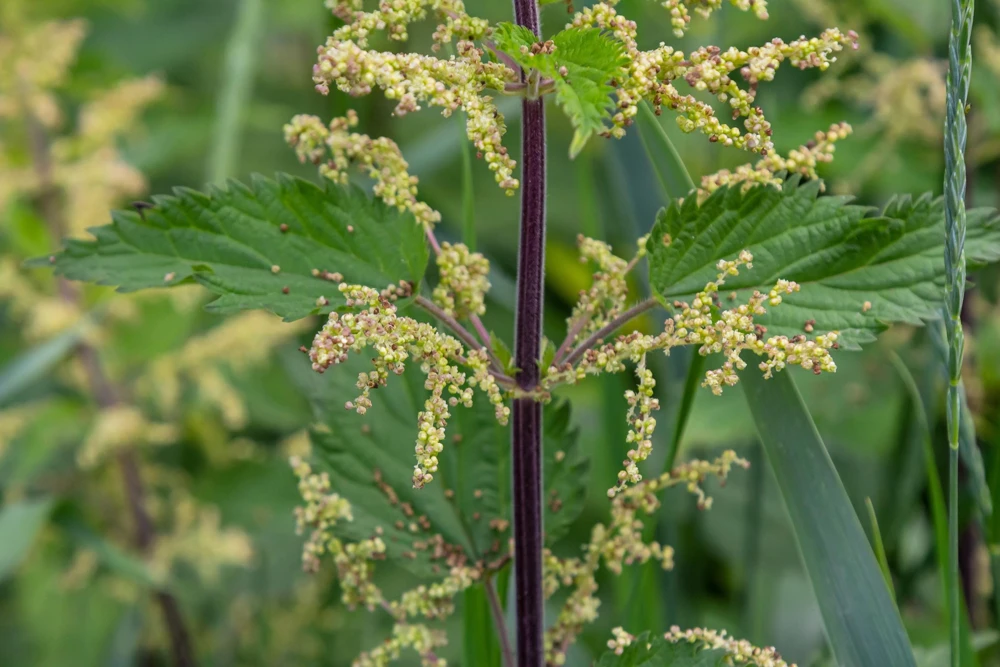
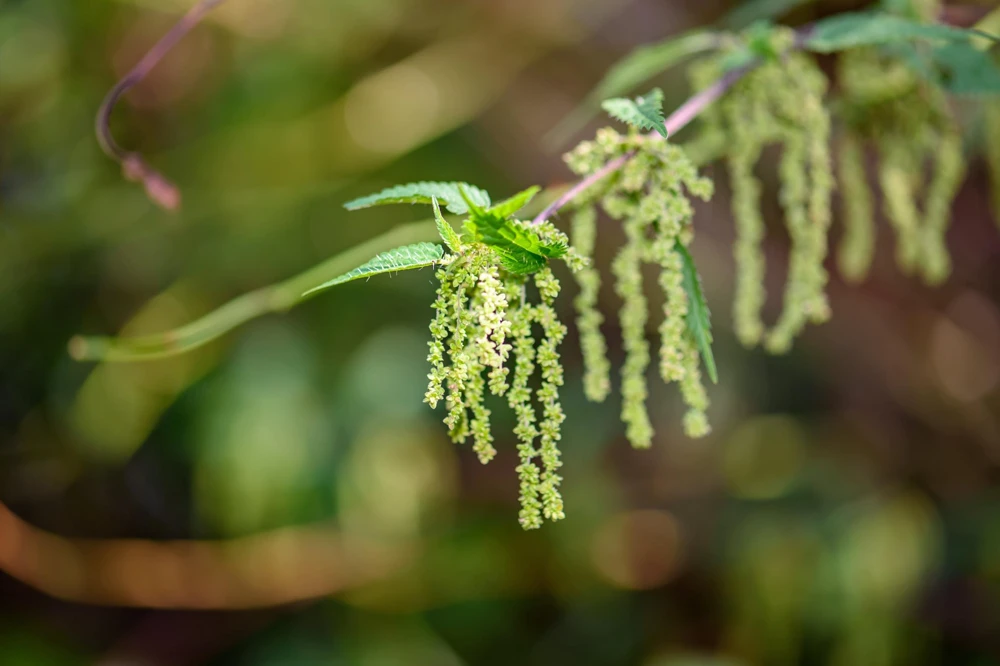
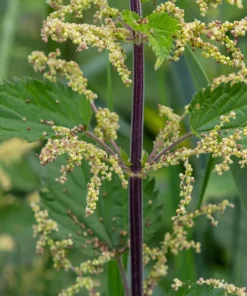
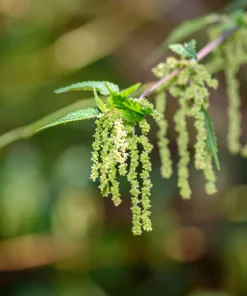
- Aesthetic Appeal: Despite its reputation, the Stinging Nettle produces small white flowers throughout the summer, adding a subtle, natural beauty to wilder garden areas.
Plant Care & Growing Tips
Growing stinging nettle seeds is a straightforward process, as this plant is known for its resilience and adaptability. For optimal germination, plant seeds outdoors after the last frost has passed, or start them indoors several weeks before the expected last frost date. Ensure the soil is well-draining and can range from average to dry. Stinging Nettle is not particularly fussy about soil type but will appreciate some organic matter. Once established, these plants are quite self-sufficient.
Stinging Nettle thrives in full sun conditions, requiring ample light to reach its full potential height of 36-48 inches. Space plants approximately 15-18 inches apart to allow for proper air circulation and growth. Watering should be moderate; while the plant tolerates average to dry conditions, consistent moisture during establishment will promote stronger growth. Fertilization is generally not necessary, as the plant is quite robust, but a balanced, slow-release fertilizer can be applied once in spring if the soil is particularly poor. Monitor for common garden pests, though Stinging Nettle is generally resistant. Remember to wear gloves when handling mature plants to avoid the stinging hairs, which are the plant’s natural defense mechanism. Understanding how to grow nettle successfully ensures a thriving and beneficial plant.
Size & Details
This product includes 200 Stinging Nettle seeds, Urtica Dioica, providing ample opportunity to establish a robust patch in your garden. Each seed has the potential to grow into a mature plant reaching an impressive height of 36-48 inches (approximately 3-4 feet). The ideal spacing for these plants is 15-18 inches apart, allowing them to spread and create a dense, protective barrier or a naturalized area. Stinging Nettle is a perennial, meaning it will return year after year, offering long-term benefits. The plant blooms throughout the summer, producing small white flowers. It is incredibly hardy, flourishing in USDA Zones 2-10, showcasing its adaptability to various climates. The seeds are packaged to ensure viability upon arrival, ready for planting either directly outdoors or started indoors.
Frequently Asked Questions
- Q: How big does the Stinging Nettle plant get? A: Stinging Nettle plants typically grow to a height of 36 to 48 inches (3 to 4 feet) when mature. They can form dense patches if given enough space to spread.
- Q: Is this an indoor or outdoor plant? A: Stinging Nettle (Urtica Dioica) is primarily an outdoor plant. It thrives in various outdoor conditions and is hardy in USDA Zones 2-10, making it suitable for most climates.
- Q: How much sunlight does Stinging Nettle need? A: This plant prefers full sun exposure. Ensuring it receives ample sunlight will promote healthy growth and robust development.
- Q: Is this plant easy to care for? A: Yes, Stinging Nettle is considered a relatively easy plant to care for. It is quite resilient and adaptable, requiring average to dry soil and full sun, making it suitable for beginners.
- Q: What condition will the stinging nettle seeds arrive in? A: The stinging nettle seeds will arrive in a sealed pack, ensuring their freshness and viability for planting. They are ready to be sown upon receipt.
- Q: When is the best time to plant stinging nettle seeds? A: You can plant common nettle seeds outdoors after the last frost, or start them indoors several weeks before the last frost for an earlier start to the growing season.
- Q: Will Stinging Nettle survive winter in my zone? A: Stinging Nettle is very hardy and can survive winters in USDA Zones 2-10. It is a perennial plant, meaning it will typically die back in winter and regrow in spring.
- Q: Can I use the nettle plant for anything other than protection? A: Yes, young Stinging Nettle leaves, when cooked or dried, lose their sting and have been historically used in herbal teas and culinary dishes. Many people also want to grow nettle for its ecological benefits.
- Q: What are some other names for this plant? A: Besides Stinging Nettle, it is also known as Common Nettle, Tread Softly, Bull Nettle, Stinger, Nettle, California Nettle, Tall Nettle, and Slender Nettle.
- Q: How many seeds are included in this pack? A: This pack contains 200 Urtica dioica seeds, providing a generous quantity for planting.
Be the first to review “Stinging Nettle Seeds – Urtica Dioica – 200 Seeds – Outdoor Plant”
People Also Viewed
Succulents
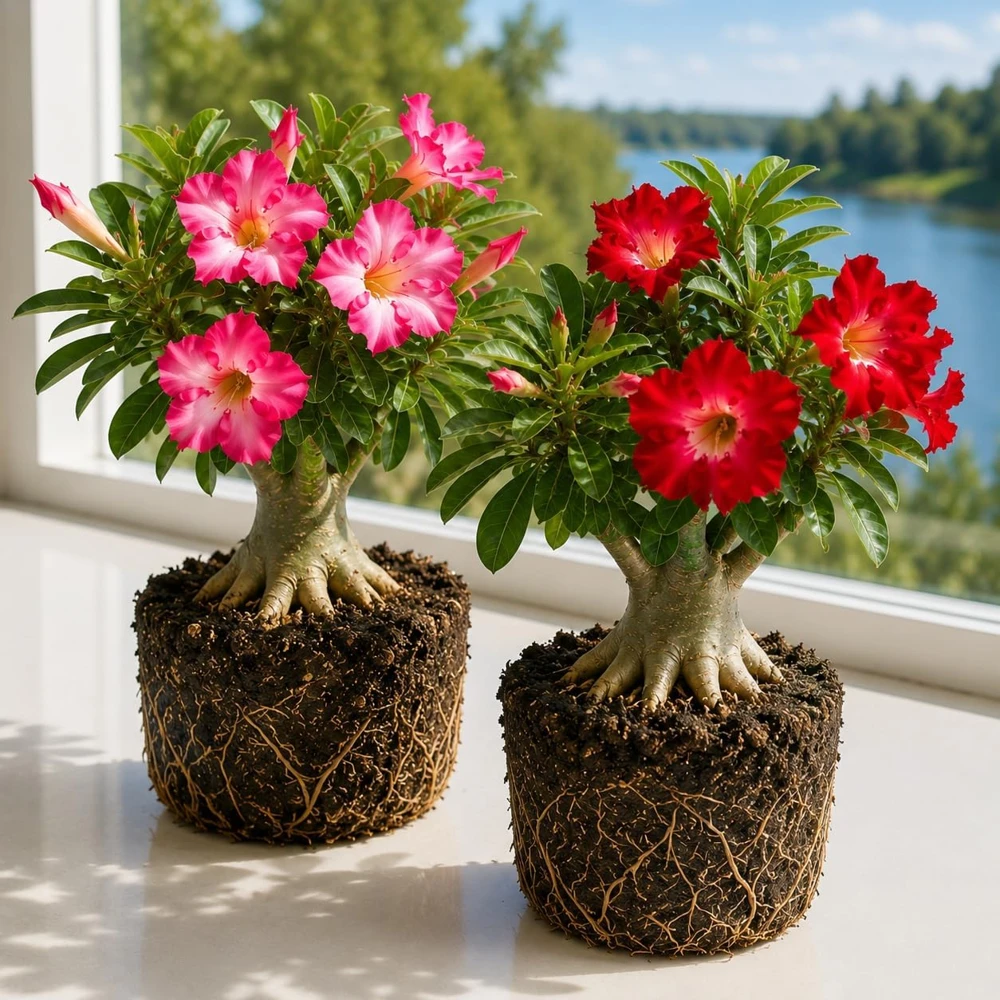
Set of 2 Desert Rose Live Plants (Adenium) – Vibrant Blooming Succulent – 5-8 Inch Tall – No Pot
Vegetable Seeds
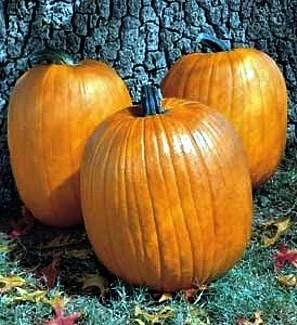
Howden Biggie Pumpkin Seeds – 15 Count – Large Dark Orange Fruit
Reviews
There are no reviews yet.