
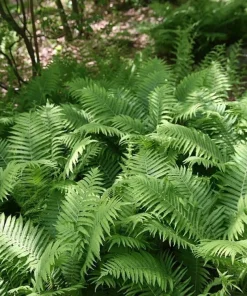
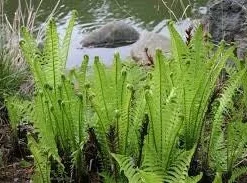
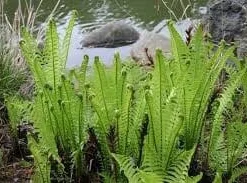
3 Ostrich Fern Bare Root Fiddlehead Matteuccia Struthiopteris Perennial Wildflower
Original price was: $67.99.$42.99Current price is: $42.99.
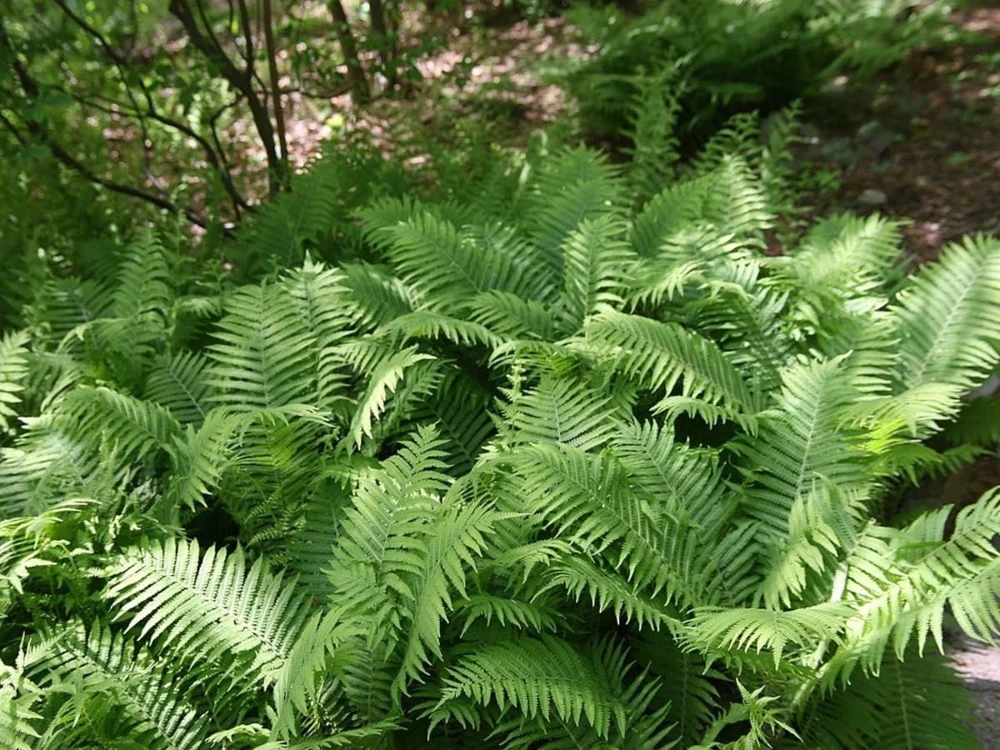
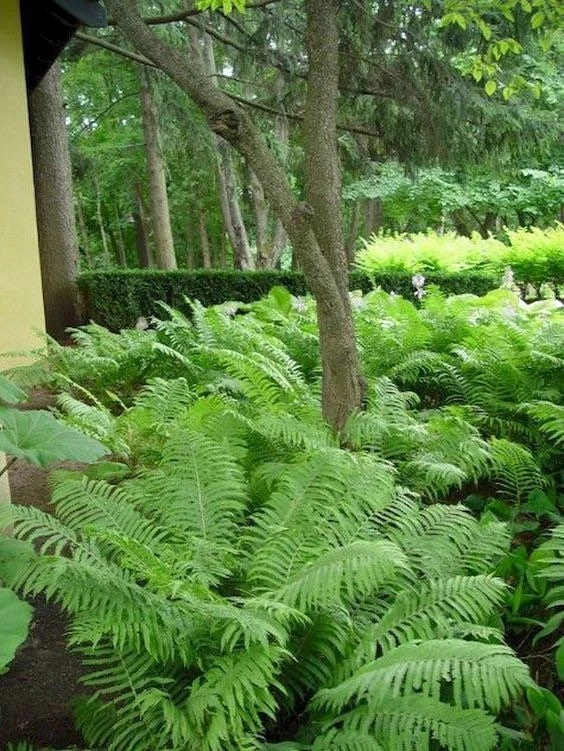
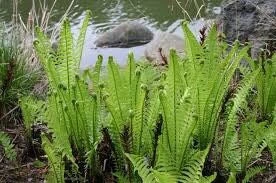
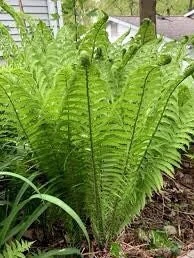
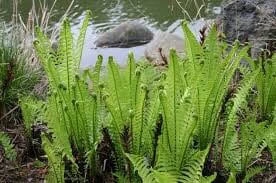
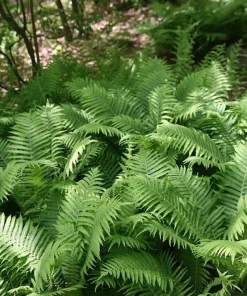
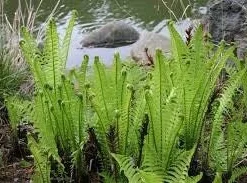
Introduce the beauty of the wild into your garden with this pack of 3 Ostrich Fern bare root plants. Known for their striking fiddleheads and lush, vibrant green fronds, these perennial fern plants are perfect for naturalizing shady areas and creating a serene, woodland aesthetic. Easy to grow and low maintenance, they’ll transform your landscape.
Estimated arrival
Sep 29
Oct 04 - Oct 06
Oct 09 - Oct 13
Shop With Confidence
30-Day Plant Health Guarantee
Arrives damaged? We’ll replace it free — see our return policy.
Responsive Support
Email us anytime, we reply within 1 business day.
Expert Packaging
Temperature-controlled shipping to protect your plants in transit.
Secure Checkout
Pay safely with Visa, Mastercard, PayPal.
Plant Specifications
-
USDA Hardiness Zone
USDA zones 3-7 -
Soil Type
Rich, moist, well-draining soil with high organic matter -
Sunlight Exposure
Partial to full shade -
Expected Planting Period
Spring or early fall
Overview
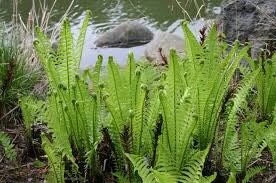
Transform your shaded garden spaces into a lush, vibrant oasis with our premium pack of 3 Ostrich Fern bare root plants. Scientifically known as Matteuccia struthiopteris, the Ostrich Fern is a highly sought-after perennial wildflower celebrated for its distinctive, upright fronds that resemble ostrich plumes. These elegant ferns are native to temperate regions and are a fantastic choice for gardeners looking to add texture and a naturalistic feel to their landscape. Our bare root plants are carefully harvested, ensuring they arrive healthy and ready to establish in your garden. With no foliage attached to the roots upon shipment, they are perfectly prepared for transplanting and will quickly regrow to their full splendor, producing beautiful fiddleheads in the spring.
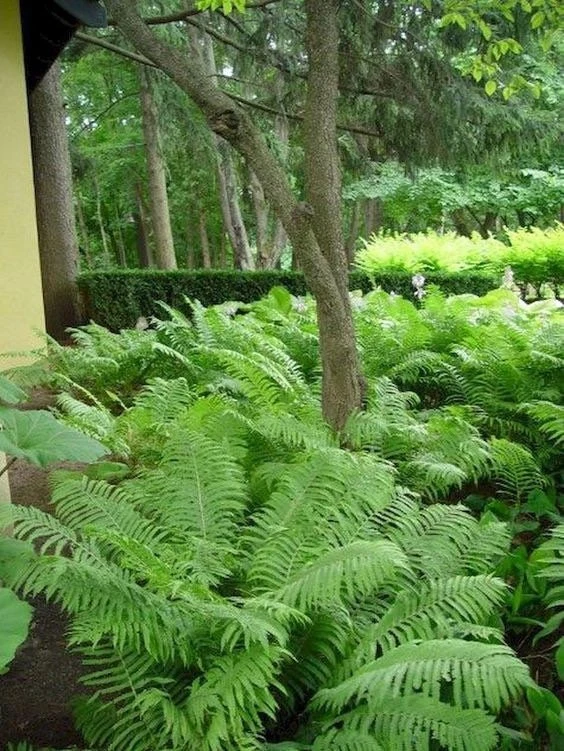
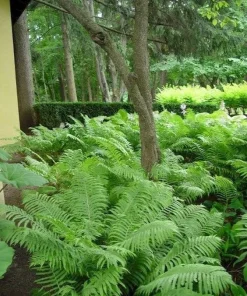
The Ostrich Fern is a robust and resilient plant, ideal for creating a woodland garden, lining a shady path, or naturalizing damp areas. As a perennial fern, it will return year after year, growing more magnificent with each season. Its ability to thrive in partial to full shade makes it an invaluable asset for those challenging garden spots where many other plants struggle. Experience the joy of watching these remarkable plants unfurl their iconic fiddleheads, a true sign of spring and a culinary delicacy for many.
Key Benefits
The ostrich fern bare root offers numerous advantages for any gardener, from aesthetic appeal to ecological benefits:
-
Exceptional Shade Tolerance: Unlike many plants that require abundant sunlight, Ostrich Ferns flourish in shaded environments. They are perfect for brightening up dark corners of your garden, under large trees, or along north-facing walls where other plants might fail to thrive. Their ability to grow in low light conditions makes them incredibly versatile for challenging landscape designs.
-
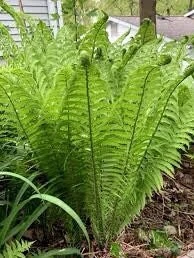
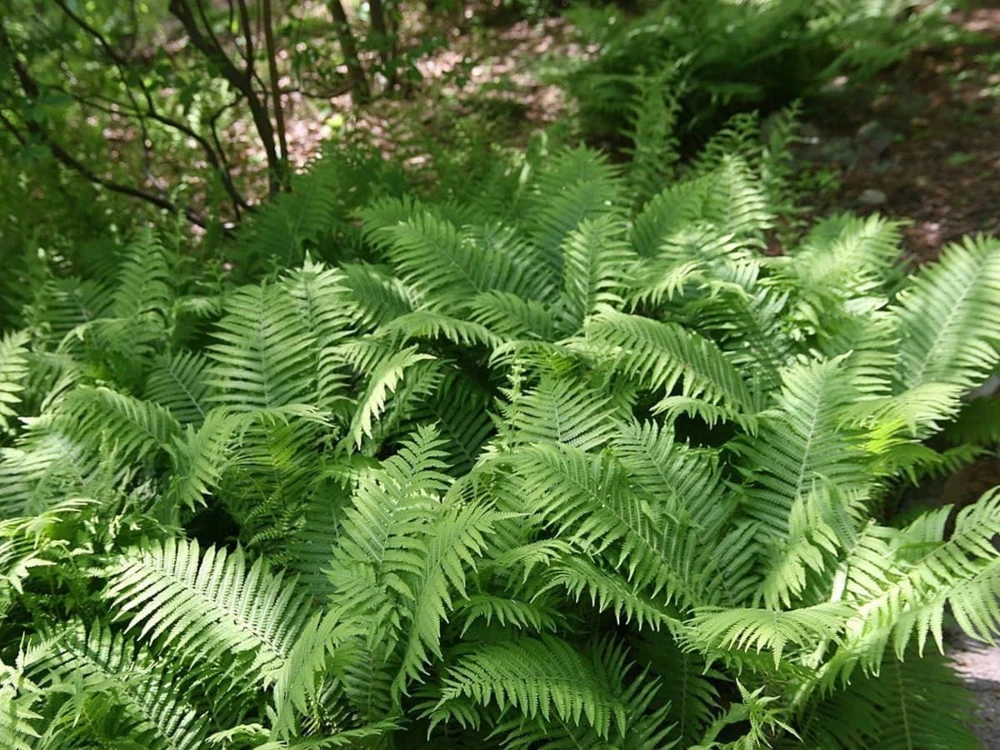
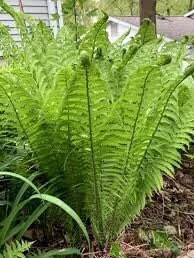
Striking Ornamental Value: The elegant, feathery fronds of the matteuccia struthiopteris add a sophisticated texture and lush green color to any garden. Their unique, vase-shaped growth habit creates a strong visual impact, making them excellent focal points or natural borders. The spring emergence of their tightly coiled fiddleheads is also a captivating spectacle.
-
Naturalizing and Spreading Habit: Ostrich Ferns are known for their ability to spread via underground rhizomes, forming beautiful colonies over time. This makes them ideal for naturalizing large areas, ground cover, or creating dense, maintenance-free woodland gardens. They are excellent for erosion control on slopes in shaded areas.
-
Edible Fiddleheads: In early spring, the young, coiled fronds, known as fiddleheads, are a prized edible delicacy. Harvested carefully, they can be steamed, sautéed, or blanched, offering a unique flavor profile. This dual benefit of ornamental beauty and culinary use adds an exciting dimension to your garden.
-
Low Maintenance and Deer Resistant: Once established, the ostrich fern bare root requires minimal care, making it a perfect choice for busy gardeners. They are generally resistant to deer and other common garden pests, reducing the need for protective measures or chemical treatments. This resilience contributes to a healthier and more sustainable garden ecosystem.
-
Perennial Hardiness: As a robust perennial fern, the Ostrich Fern returns reliably year after year, eliminating the need for annual replanting. It is extremely cold-hardy, surviving harsh winters and emerging with renewed vigor each spring, providing consistent beauty and structure to your landscape.
Plant Care & Growing Tips
Caring for your ostrich fern bare root plants is relatively straightforward, especially when provided with the right conditions. These ferns prefer a consistently moist environment, mimicking their natural woodland habitat. When planting, choose a location with partial to full shade; while they can tolerate some morning sun, direct afternoon sun can scorch their fronds. Ensure the soil is rich in organic matter and has excellent drainage to prevent waterlogging, which can lead to root rot. A slightly acidic to neutral pH is ideal for optimal growth.
Watering is crucial, particularly during dry spells and in their first year of establishment. Keep the soil consistently damp but not soggy. Mulching around the base of the plants with shredded leaves or wood chips will help retain soil moisture, regulate soil temperature, and suppress weeds. Fertilization is generally not heavily required; a light application of a balanced, slow-release granular fertilizer in spring can encourage vigorous growth, especially if your soil is poor. The matteuccia struthiopteris is remarkably resilient, but consistent moisture is its key to success. Proper care will ensure a thriving fiddlehead fern display for years.
Ostrich Ferns are cold-hardy and typically thrive in USDA zones 3-7. They are deciduous, meaning their fronds will die back in winter and re-emerge in spring. No special winter protection is usually needed in their hardiness zones. Division can be done in early spring or fall if you wish to propagate or control their spread. Simply dig up a clump, separate a section with a sharp spade, and replant. Watch for slugs and snails, especially on young fiddleheads, though these are generally minor issues for established plants. The beauty of these shade garden plants lies in their low-maintenance nature once they’ve settled in.
Size & Details
This offering includes 3 Ostrich Fern bare root plants. These are live starter plants, shipped without pots and with foliage cut back to ensure healthy transit and successful establishment. Each bare root is a robust specimen, ready to be planted directly into your garden. Ostrich Ferns typically grow to an impressive height of 3 to 6 feet tall and can spread equally wide over time, forming dense clumps through their rhizomatous growth. The fronds themselves can reach lengths of 2 to 5 feet, creating a dramatic visual impact.
Upon arrival, plant your bare roots as soon as possible. While they may appear dormant, they are packed with energy for new growth. Expect to see the first signs of green as the temperatures warm in spring, with the iconic fiddlehead fern emerging shortly thereafter. These ferns have a moderate to fast growth rate once established, quickly filling in shaded areas. They are long-lived perennials, offering decades of beauty with proper care.
Frequently Asked Questions
-
Q: How big will the 3 Ostrich Fern bare root plants get? A: Once established, Ostrich Ferns can grow quite large, typically reaching heights of 3 to 6 feet and spreading equally wide. They form a beautiful, vase-shaped clump over time, with individual fronds extending 2 to 5 feet in length.
-
Q: What condition will the plants arrive in? A: You will receive 3 Ostrich Fern bare root plants. They are live starter plants, shipped without pots, and any existing foliage is cut back to ensure they arrive healthy and ready for transplanting. This practice does not harm the plants, and they will regrow vigorously.
-
Q: Is this an indoor or outdoor plant? A: The Ostrich Fern (matteuccia struthiopteris) is primarily an outdoor perennial plant. It thrives in shaded garden environments and is not typically grown as an indoor houseplant due to its size and specific light and moisture requirements.
-
Q: How much sunlight does the Ostrich Fern need? A: Ostrich Ferns prefer partial to full shade. They can tolerate some morning sun but should be protected from direct afternoon sun, which can scorch their delicate fronds. They are excellent shade garden plants.
-
Q: Is this plant easy to care for? A: Yes, Ostrich Ferns are relatively easy to care for once established. Their primary needs are consistent moisture and a shaded location. They are low-maintenance and generally resistant to pests and diseases, making them a good choice for various gardeners.
-
Q: When is the best time to plant these bare roots? A: The best time to plant ostrich fern bare root plants is in the spring, after the last frost, or in early fall. This allows them ample time to establish their root system before extreme temperatures set in.
-
Q: Can I eat the fiddleheads from this fern? A: Yes, the young, coiled fronds of the Ostrich Fern are edible and known as fiddleheads. They are a spring delicacy and can be steamed, sautéed, or blanched. Ensure proper identification if foraging from the wild, but these cultivated plants will produce edible fiddleheads.
-
Q: Will it survive winter in my zone? A: The Ostrich Fern is a very cold-hardy perennial fern, typically thriving in USDA Hardiness Zones 3 through 7. It is deciduous, meaning its fronds will die back in winter, but the plant will reliably re-emerge in spring.
-
Q: What kind of soil does the Ostrich Fern prefer? A: Ostrich Ferns prefer rich, moist, well-draining soil with a high organic content. A slightly acidic to neutral pH is ideal. Amending your soil with compost or other organic matter will greatly benefit their growth.
-
Q: How quickly do these ferns grow? A: Once planted and established, Ostrich Ferns have a moderate to fast growth rate. You can expect to see significant new growth, including the emergence of fiddleheads, in the first spring after planting, with the plant filling out rapidly in subsequent years.
Be the first to review “3 Ostrich Fern Bare Root Fiddlehead Matteuccia Struthiopteris Perennial Wildflower”
People Also Viewed

Reviews
There are no reviews yet.