

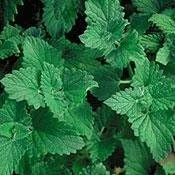
Lemon Catnip Seeds – Nepeta citrata – 100 Seeds – Aromatic Herb for Tea & Cats
Original price was: $23.99.$13.99Current price is: $13.99.
Cultivate aromatic lemon catnip seeds (Nepeta citrata) in your garden or indoors. This delightful herb provides fragrant leaves perfect for soothing teas, attracting and delighting cats, and acting as a beneficial companion plant. Each packet contains approximately 100 seeds for a bountiful harvest.
Estimated arrival
Sep 29
Oct 04 - Oct 06
Oct 09 - Oct 13
Shop With Confidence
30-Day Plant Health Guarantee
Arrives damaged? We’ll replace it free — see our return policy.
Responsive Support
Email us anytime, we reply within 1 business day.
Expert Packaging
Temperature-controlled shipping to protect your plants in transit.
Secure Checkout
Pay safely with Visa, Mastercard, PayPal.
Plant Specifications
-
USDA Hardiness Zone
unknown -
Soil Type
well-draining soil -
Sunlight Exposure
Full Sun/Partial Shade -
Expected Planting Period
Spring to early summer
Overview
Embark on a rewarding gardening journey with our premium lemon catnip seeds. Scientifically known as Nepeta citrata, this captivating herb is a fragrant variation of traditional catnip, offering a distinct lemon scent that is both refreshing and appealing. Unlike common catnip (Nepeta cataria), Nepeta citrata seeds produce plants with a delightful citrusy aroma, making it a favorite for culinary uses and aromatherapy. These lemon catnip seeds are perfect for gardeners looking to add a unique, easy-to-grow, and beneficial plant to their outdoor beds or indoor herb collections. Whether you’re a seasoned gardener or just starting, growing your own lemon catnip from seed is a fulfilling experience that yields a versatile and aromatic herb.
Our high-quality lemon catnip seeds ensure a robust germination rate, providing you with healthy, vigorous plants that can reach heights of 2-3 feet. This hardy perennial is known for its medicinal properties, traditionally used as a digestive aid or a calming sleep aid when brewed into a tea. The lemon-scented leaves are not only pleasant for humans but also a source of immense joy for feline companions. Beyond its personal and pet benefits, lemon catnip serves as an excellent companion plant in the garden, naturally deterring common pests like aphids and various types of beetles, thus contributing to a healthier ecosystem.
Key Benefits
Growing lemon catnip seeds offers a multitude of advantages for both your garden and your well-being. This versatile herb is a must-have for any enthusiast:
- Delightful Aroma: The distinct lemon-scented leaves provide a refreshing fragrance, making it a wonderful addition to potpourri or as a natural air freshener. This unique scent sets it apart from traditional catnip.
- Feline Favorite: Provide endless entertainment and relaxation for your cats. The plant produces compounds that many felines find irresistible, offering a natural and safe stimulant. Your cat will love the fresh or dried leaves.
- Medicinal Properties: Traditionally used for its calming and digestive benefits. Brew the leaves into a soothing tea to aid digestion or promote relaxation, making it a natural remedy for everyday discomforts.
- Pest Deterrent: Act as a natural pest deterrent in your garden. Planting lemon catnip near vegetables or other susceptible plants can help keep aphids and various beetles at bay, reducing the need for chemical pesticides.
- Easy to Grow: These lemon catnip seeds are relatively low-maintenance and thrive in a variety of conditions, making them suitable for beginner gardeners and experienced cultivators alike.
- Versatile Use: Enjoy fresh leaves for immediate use or dry them for long-term storage. The leaves are perfect for teas, cat toys, or culinary experiments, enhancing your daily life with its unique flavor and aroma.
- Attractive Foliage: The plant’s lush green foliage adds an appealing texture to garden beds or containers, enhancing the aesthetic beauty of your outdoor or indoor space.
Plant Care & Growing Tips
Successfully growing lemon catnip seeds requires attention to a few key environmental factors to ensure healthy, vigorous plants. To aid germination, it is recommended to scarify the seeds by lightly rubbing them back and forth 3 or 4 times between sheets of extra-fine sandpaper. This process helps to break dormancy and allows moisture to penetrate the seed coat more easily. You can start your seeds indoors 6-8 weeks before the last frost or sow them directly outdoors up to two months before the last expected frost date. Plant the seeds at a shallow depth of 1/8″-1/4″. Maintain a soil temperature between 60-70 degrees F for optimal germination, which typically occurs within 10-21 days.
Once seedlings emerge and reach 3-4 inches tall, thin them to achieve a plant spacing of 10-14 inches apart. Lemon catnip thrives in locations that receive full sun to partial shade, meaning at least 4-6 hours of direct sunlight daily. While it prefers moderate water, mature plants are quite drought-tolerant once established, making them suitable for xeriscaping or low-water gardens. Ensure the soil is well-draining to prevent root rot. A balanced, well-draining soil mix is ideal for robust growth. Fertilize sparingly, as catnip generally does not require heavy feeding. Over-fertilization can reduce the potency of the aromatic compounds.
Lemon catnip plant care is relatively straightforward. Regularly pick leaves for use, which also encourages bushier growth and prolongs the harvest. Leaves can be picked anytime, especially when your feline friends desire them! For continuous growth and to prevent the plant from self-seeding excessively, you can prune back faded flower stalks. This hardy perennial can provide enjoyment for many years. Monitor for any signs of pests, although the plant itself acts as a natural deterrent for many common garden invaders. Understanding how to grow lemon catnip successfully will lead to a bountiful supply of this beneficial herb.
Size & Details
Each packet contains approximately 100 high-quality lemon catnip seeds (Nepeta citrata), providing ample opportunity to establish a thriving patch of this wonderful herb. The plants typically reach a mature height of 2-3 feet (approximately 60-90 cm) with a spread of 10-14 inches, forming an attractive, bushy perennial. From planting, the Days to Maturity: 90, meaning you can expect to begin harvesting leaves within about three months. These seeds are suitable for both indoor starting and direct outdoor sowing, adapting well to various planting schemes. The plants are drought-tolerant once established and thrive in conditions ranging from full sun to partial shade, making them highly adaptable to different garden environments. This hardy plant is a great choice for long-lasting enjoyment.
Frequently Asked Questions
- Q: How big does this plant get? A: Lemon catnip typically grows to a height of 2-3 feet (60-90 cm) and spreads about 10-14 inches wide, forming a bushy plant.
- Q: Is this an indoor or outdoor plant? A: While it thrives outdoors in full sun to partial shade, it can also be grown indoors in a sunny location, making it versatile for various growing environments.
- Q: How much sunlight does it need? A: It requires full sun to partial shade, ideally at least 4-6 hours of direct sunlight per day, to ensure vigorous growth and strong aromatic qualities.
- Q: Is this plant easy to care for? A: Yes, lemon catnip is considered an easy-to-care-for plant, suitable for beginners. It’s relatively low-maintenance once established, especially if you follow basic lemon catnip plant care guidelines.
- Q: What condition will the seeds arrive in? A: The seeds will arrive in a protective packet, ensuring they are fresh and ready for planting, preserving their viability for optimal germination.
- Q: Can I use lemon catnip in cooking? A: Yes, the lemon-scented leaves can be used to make refreshing teas or as an aromatic addition to various dishes, offering a unique citrusy note.
- Q: How long until it blooms? A: You can expect to begin harvesting leaves within approximately 90 days from planting. The plant will produce small, lavender-like flowers later in the season.
- Q: When is the best time to plant lemon catnip seeds? A: You can start seeds indoors 6-8 weeks before the last frost or sow them directly outdoors up to two months before the last frost date for best results.
- Q: Will it survive winter in my zone? A: As a hardy perennial, lemon catnip can survive winter in many regions. Its hardiness depends on your specific USDA zone.
- Q: What’s the minimum temperature it can tolerate? A: Once established, it is quite hardy and can tolerate cooler temperatures, thriving as a perennial in many temperate climates.
Be the first to review “Lemon Catnip Seeds – Nepeta citrata – 100 Seeds – Aromatic Herb for Tea & Cats”
People Also Viewed


Flower Seeds

Vines
Confederate Jasmine Live Plant – Set of 2, 3-6″ Tall in 3-4″ Pots – Fragrant Evergreen Climbing Vine


Reviews
There are no reviews yet.