





Madagascar Hibiscus Moscheutos Mallow Live Starter Plant – Perennial Rose of Sharon
Original price was: $75.99.$50.99Current price is: $50.99.
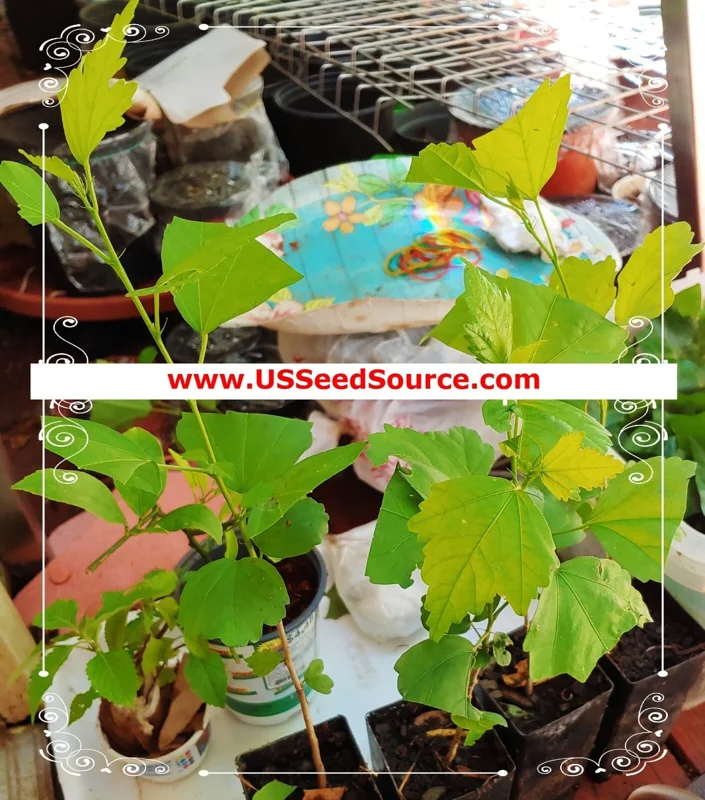
Add a touch of tropical beauty to your landscape with this Madagascar hibiscus live plant. This Moscheutos mallow care is straightforward, making it a perfect perennial for vibrant, showy blooms. Ideal for both indoor and outdoor settings, this starter plant is ready to thrive.
Estimated arrival
Oct 15
Oct 20 - Oct 22
Oct 25 - Oct 29
Shop With Confidence
30-Day Plant Health Guarantee
Arrives damaged? We’ll replace it free — see our return policy.
Responsive Support
Email us anytime, we reply within 1 business day.
Expert Packaging
Temperature-controlled shipping to protect your plants in transit.
Secure Checkout
Pay safely with Visa, Mastercard, PayPal.
Plant Specifications
-
USDA Hardiness Zone
USDA zones 5-9 -
Soil Type
Well-draining, fertile soil -
Sunlight Exposure
Full sun to partial shade -
Expected Planting Period
Spring to early summer
Overview
Introduce the exotic beauty of the Madagascar hibiscus live plant to your garden or indoor space. This stunning perennial, scientifically known as Hibiscus moscheutos, is a member of the Malvaceae family and is often referred to by its common name, Rose of Sharon. Originating from Madagascar, this plant is celebrated for its large, captivating flowers that bring a splash of vibrant color wherever it grows. As a live starter plant, it provides an excellent foundation for gardeners looking to cultivate a robust and floriferous specimen. The Madagascar hibiscus live plant is known for its impressive growth habit and ability to produce abundant blooms throughout its growing season, making it a focal point in any setting. Whether you’re an experienced gardener or just starting out, this plant offers a rewarding cultivation experience with its relatively easy care requirements and spectacular display.
This particular offering is for a live starter plant, ensuring you receive a healthy, young specimen ready for planting and establishment. The Madagascar hibiscus live plant is highly adaptable, thriving in a variety of climates and soil conditions, provided its basic needs are met. Its striking flowers, often large and brightly colored, can attract pollinators like butterflies and hummingbirds, adding dynamic life to your garden. Cultivating this plant allows you to enjoy its natural beauty and contribute to a healthier ecosystem. The robust nature of this Moscheutos mallow means it can withstand different environmental pressures once established, ensuring a long-lasting and enjoyable presence in your green space.
Key Benefits
The Madagascar hibiscus live plant offers numerous advantages for any plant enthusiast. Its captivating beauty and ease of care make it a highly desirable addition to any garden or home. Here are some of the key benefits:
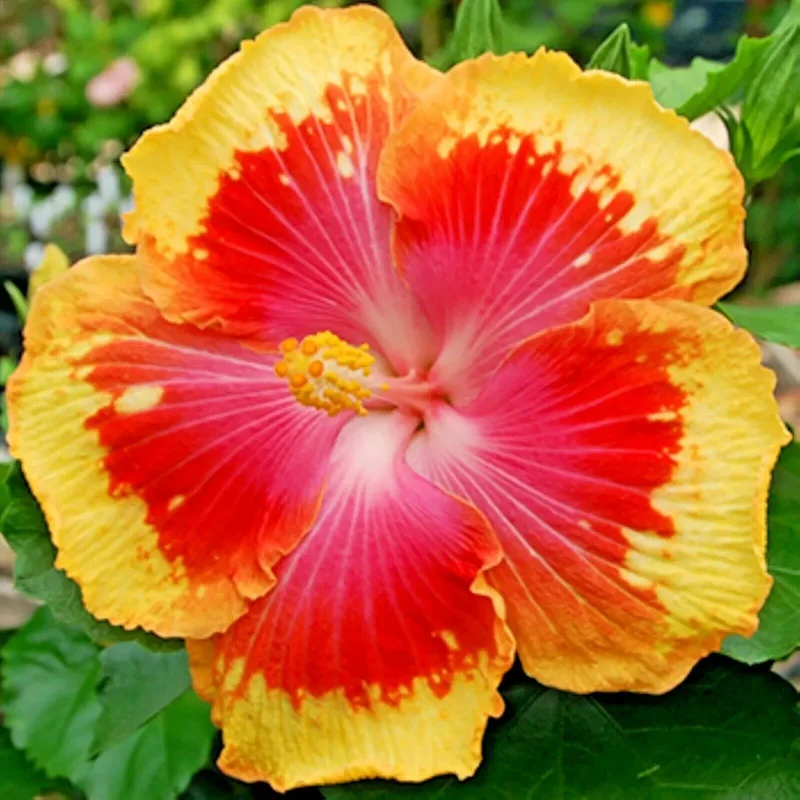
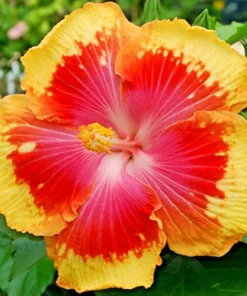
- Spectacular Blooms: Enjoy large, showy flowers that provide a stunning visual display throughout the blooming season, instantly enhancing aesthetic appeal. The vibrant colors of the Madagascar hibiscus live plant are a true showstopper.
- Attracts Pollinators: The colorful flowers are a magnet for butterflies, bees, and hummingbirds, contributing to the biodiversity and health of your garden ecosystem.
- Versatile Growth: Suitable for both indoor and outdoor cultivation, this plant can be grown in containers on patios or directly in garden beds, offering flexibility in placement.
- Low Maintenance: Once established, the Moscheutos mallow care is relatively simple, requiring minimal intervention to thrive, making it ideal for busy gardeners.
- Drought Tolerant: This plant exhibits good drought resistance, making it suitable for regions with less frequent rainfall or for gardeners looking for water-wise options.
- Perennial Beauty: As a Rose of Sharon perennial, it returns year after year, providing continuous beauty without the need for annual replanting.
- Air Purifying Qualities: Like many plants, the Hibiscus moscheutos can contribute to improved air quality, making it a beneficial presence in indoor environments.
Plant Care & Growing Tips
To ensure your Madagascar hibiscus live plant flourishes, understanding its specific care requirements is crucial. This perennial is generally forgiving, but optimal conditions will lead to the most vibrant blooms and healthiest growth. For successful Moscheutos mallow care, start by choosing the right location. It thrives in full sun, meaning it needs at least 6-8 hours of direct sunlight per day to produce its best flowers. In hotter climates, some afternoon shade can be beneficial to prevent scorching, especially for young plants. When growing indoors, place it near a bright, south-facing window or under grow lights to simulate ample sunlight.
Watering is a key aspect of Moscheutos mallow care. While established plants are somewhat drought-tolerant, consistent moisture is essential for vigorous growth and abundant flowering. Water thoroughly when the top inch of soil feels dry to the touch, ensuring good drainage to prevent root rot. Reduce watering frequency during cooler months or if the plant is dormant. The ideal soil type for this Madagascar hibiscus live plant is a well-draining, fertile mix. It prefers a slightly acidic to neutral pH. Incorporating organic matter like compost can improve soil structure and nutrient content. For container-grown plants, use a high-quality potting mix designed for flowering plants.
The Rose of Sharon perennial is hardy in USDA zones 5-9, but this Madagascar variety may prefer warmer climates or protection in colder zones. Fertilize your plant every 2-4 weeks during the growing season (spring and summer) with a balanced liquid fertilizer or a slow-release granular fertilizer formulated for flowering plants. Reduce or stop fertilization during fall and winter. Pruning can be done in late winter or early spring to shape the plant, remove dead or damaged branches, and encourage bushier growth and more blooms. Watch out for common pests like aphids and spider mites, and treat with insecticidal soap if necessary. Proper air circulation also helps prevent fungal diseases. Following these guidelines will help your tropical hibiscus starter grow into a magnificent specimen.
Size & Details
This offering is for a Madagascar hibiscus live plant provided as a healthy starter plant. While specific dimensions can vary, starter plants typically range from 4 to 8 inches in height, ready to be transplanted into a larger pot or directly into your garden. The plant will arrive in a bare root or small nursery pot, carefully packaged to ensure its safe journey. The growth rate of this Rose of Sharon perennial is moderate to fast, allowing it to establish quickly and begin producing blooms within its first year under optimal conditions. Expect it to grow into a substantial shrub, reaching heights of 5-8 feet and a similar spread, creating a dramatic presence in your landscape.
The tropical hibiscus starter will typically begin to bloom in late spring through summer, continuing into early fall, providing months of continuous color. For those in colder climates, it can be grown as an annual or overwintered indoors. The mature plant will develop a clumping growth habit, making it an excellent choice for hedges, borders, or as a specimen plant. This Malvaceae plant is a fantastic addition for anyone seeking a vibrant, long-flowering perennial. Ensure you have adequate space for its mature size, or plan for regular pruning to maintain a desired shape and size.
Frequently Asked Questions
- Q: How big does this Madagascar hibiscus live plant get? A: This plant typically grows to a height of 5-8 feet with a similar spread when mature. As a starter plant, it will be smaller upon arrival but will grow quickly with proper care.
- Q: Is this an indoor or outdoor plant? A: The Madagascar hibiscus live plant can thrive both indoors and outdoors. Outdoors, it performs best in full sun. Indoors, it requires a very bright location, such as a south-facing window.
- Q: How much sunlight does it need? A: For optimal growth and blooming, this hibiscus requires at least 6-8 hours of direct sunlight per day. In very hot climates, some afternoon shade can be beneficial.
- Q: Is this plant easy to care for? A: Yes, Moscheutos mallow care is considered relatively easy. It’s a forgiving plant that, once established, requires consistent watering and adequate sunlight to flourish.
- Q: What condition will the tropical hibiscus starter arrive in? A: Your plant will arrive as a healthy starter plant, either bare root or in a small nursery pot, carefully packaged to minimize stress during transit. It will be ready for immediate planting.
- Q: How long until it blooms? A: Under ideal growing conditions, your Rose of Sharon perennial starter plant may produce its first blooms within the first growing season. Established plants bloom from late spring through fall.
- Q: Will it survive winter in my zone? A: This Malvaceae plant is hardy in USDA zones 5-9. In colder zones, it can be grown as an annual or brought indoors for the winter to protect it from frost.
- Q: What is the ideal soil type for this hibiscus? A: It prefers a well-draining, fertile soil mix with a slightly acidic to neutral pH. Good drainage is crucial to prevent root rot.
- Q: Is this plant pet-safe? A: Hibiscus plants are generally considered mildly toxic to pets if ingested. It’s best to keep pets from chewing on the plant.
- Q: How often should I fertilize my Madagascar hibiscus live plant? A: During the active growing season (spring and summer), fertilize every 2-4 weeks with a balanced liquid fertilizer. Reduce or stop fertilizing in fall and winter.
Be the first to review “Madagascar Hibiscus Moscheutos Mallow Live Starter Plant – Perennial Rose of Sharon”
People Also Viewed

Trees
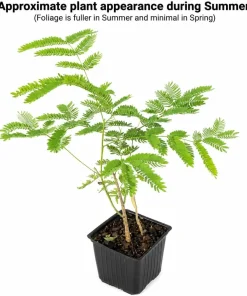
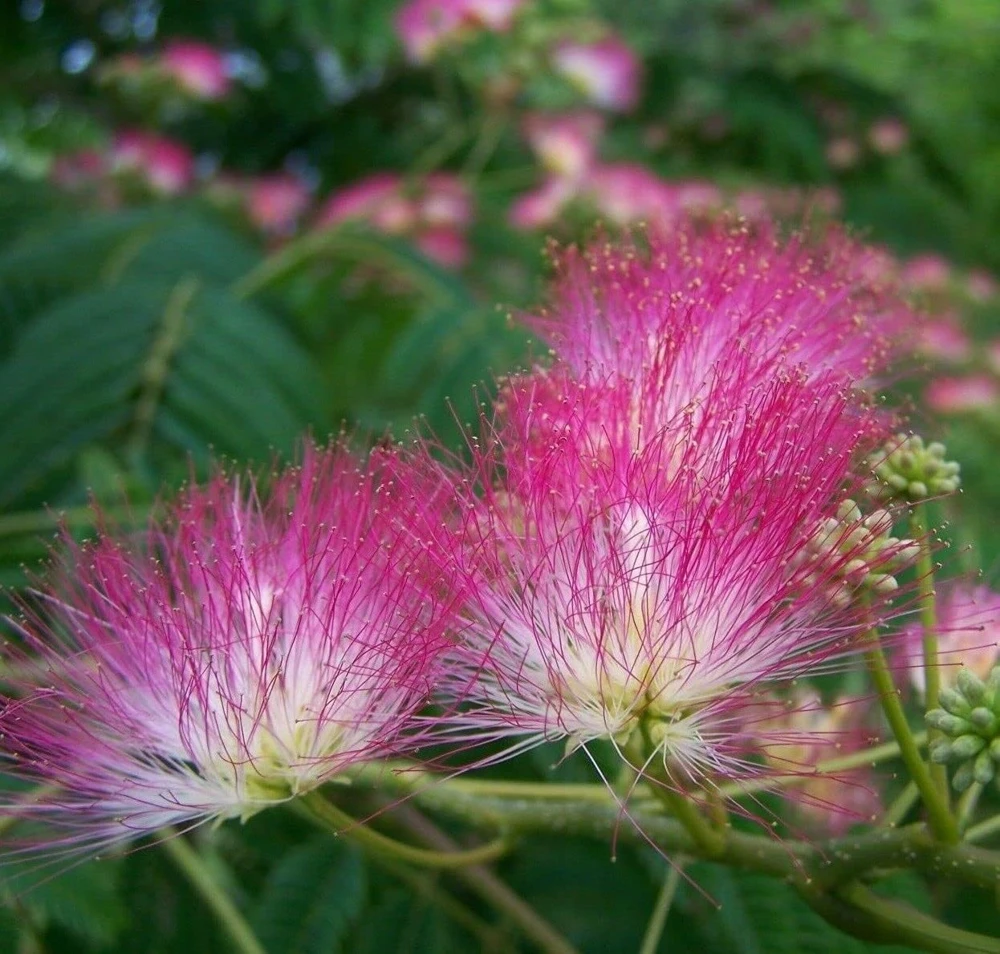
Mimosa Silk Tree Live Plant – 2 Pink Persian Silk Tree Seedlings 6-10″ Tall in 3.5″ Pots, Outdoor
Reviews
There are no reviews yet.