

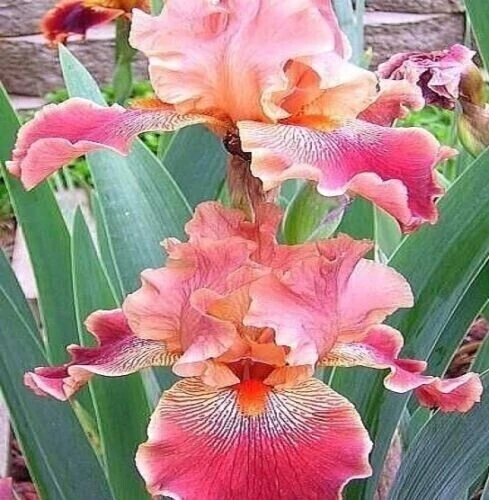
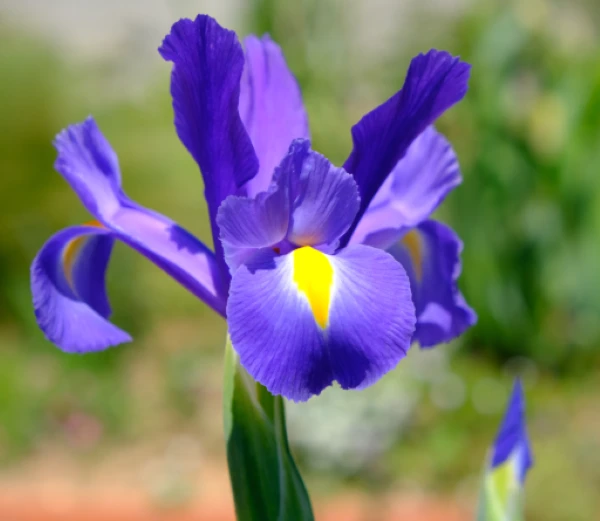
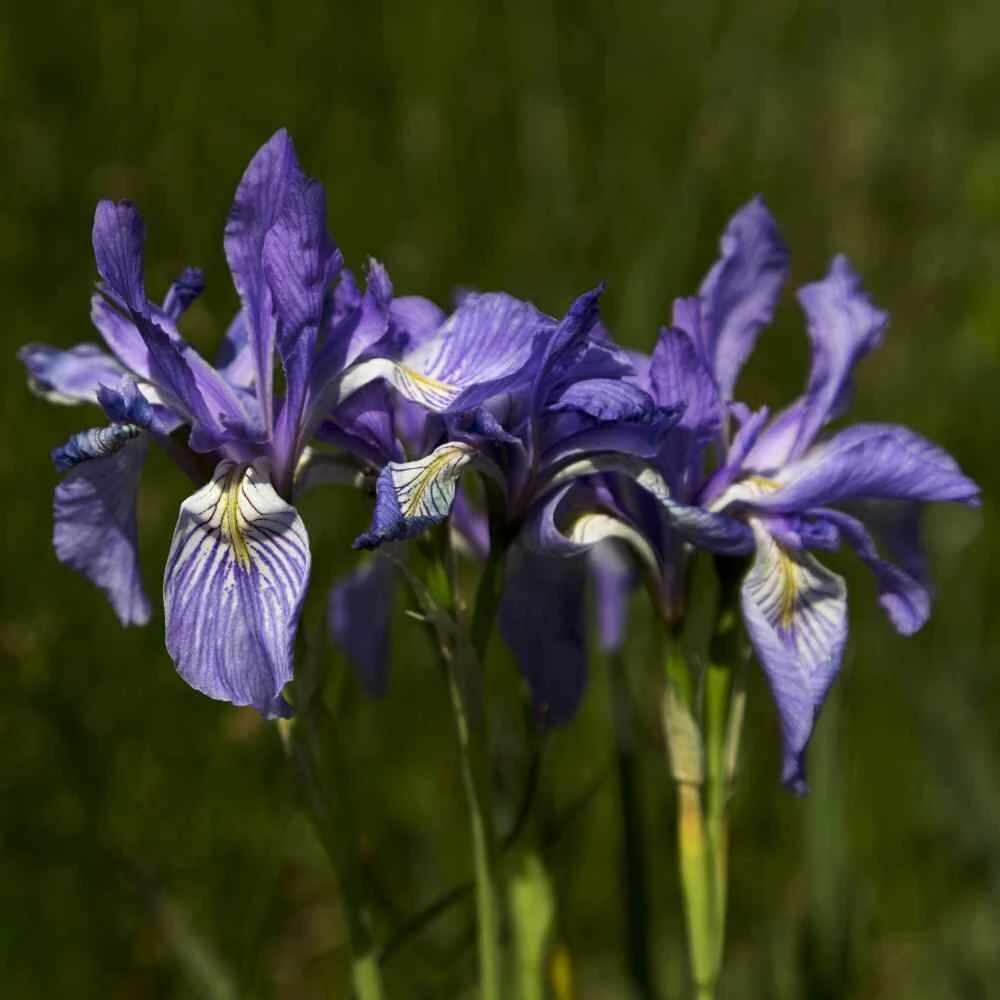
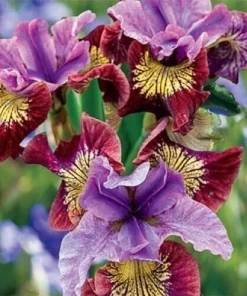
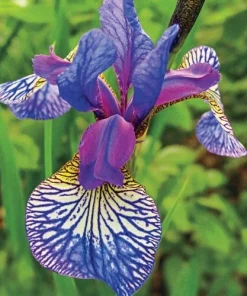
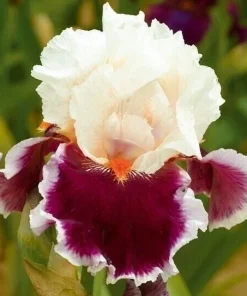
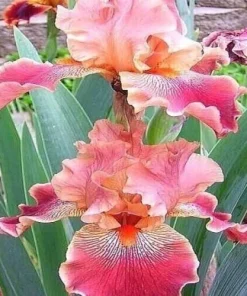
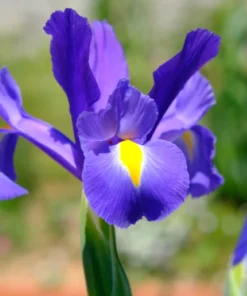
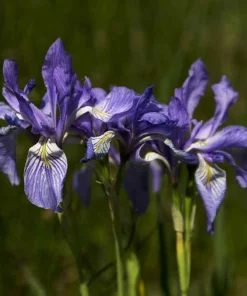
100 Mixed Color Iris Seeds – Fresh Flower Seeds for Garden
Original price was: $55.99.$30.99Current price is: $30.99.
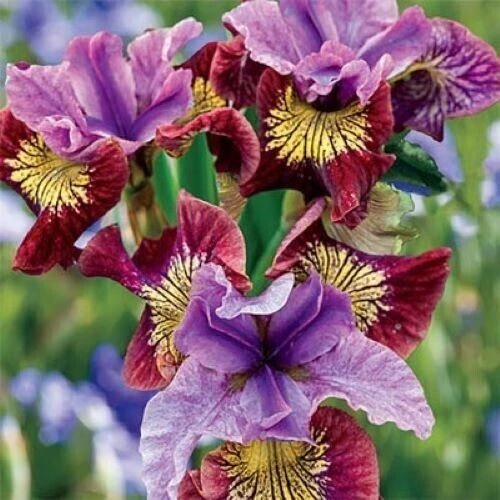
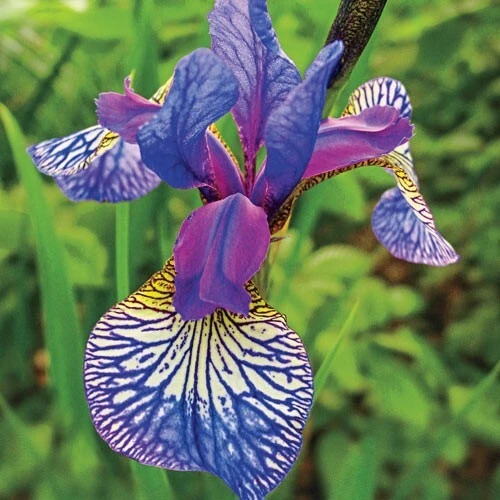
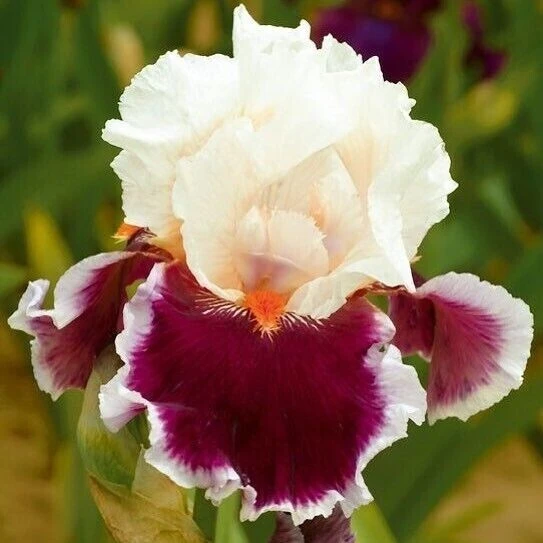
Cultivate a stunning display with these 100 mixed iris seeds. Perfect for gardeners seeking vibrant, diverse blooms, these fresh flower seeds promise a rewarding growing experience. Enhance your landscape with an array of beautiful iris flowers.
Estimated arrival
Oct 25
Oct 30 - Nov 01
Nov 04 - Nov 08
Shop With Confidence
30-Day Plant Health Guarantee
Arrives damaged? We’ll replace it free — see our return policy.
Responsive Support
Email us anytime, we reply within 1 business day.
Expert Packaging
Temperature-controlled shipping to protect your plants in transit.
Secure Checkout
Pay safely with Visa, Mastercard, PayPal.
Plant Specifications
-
USDA Hardiness Zone
USDA Zones 3-9 (general for Iris) -
Soil Type
Well-draining, rich in organic matter -
Sunlight Exposure
Full sun to partial shade -
Expected Planting Period
Late winter to early spring (after stratification)
Overview
Introduce a kaleidoscope of color to your garden with these premium mixed iris seeds. Each packet contains 100 fresh seeds, offering an excellent opportunity to grow a diverse collection of Iris flowers, known for their intricate beauty and vibrant hues. Iris, a genus of 260–300 species of flowering plants with showy flowers, derives its name from the Greek word for a rainbow, aptly describing the wide range of flower colors found within the genus. Growing iris from seed allows for a unique gardening journey, yielding plants that might surprise you with their varied patterns and shades, making every bloom a delightful discovery. These seeds are perfect for creating stunning garden beds, borders, or even unique container arrangements. Embark on a rewarding horticultural adventure and watch your garden transform with these exquisite iris flower seeds.
Key Benefits
Planting these mixed iris seeds offers numerous advantages, from enhancing garden aesthetics to supporting local ecosystems. Discover the joy and beauty these incredible flowers bring:
- Stunning Visual Appeal: Enjoy a breathtaking array of colors and patterns as each iris bloom unfurls, creating a truly spectacular garden display. The mixed colors ensure a dynamic and ever-changing landscape throughout the blooming season.
- Attracts Pollinators: Iris flowers are known to attract beneficial pollinators like bees and butterflies, contributing to the health and biodiversity of your garden ecosystem. This makes them an excellent choice for a pollinator-friendly garden.
- Versatile Landscaping: Whether you’re planning a formal garden, a casual cottage garden, or a modern minimalist space, these colorful iris plants fit seamlessly into various designs. They are excellent for borders, mass plantings, or as focal points.
- Cost-Effective Gardening: Purchasing 100 seeds offers a much more economical way to acquire a large number of iris plants compared to buying mature bulbs, providing excellent value for expanding your garden.
- Rewarding Growing Experience: There is immense satisfaction in nurturing plants from seed to bloom. Watching your iris garden ideas come to life from tiny seeds is a truly fulfilling experience for any gardener.
- Unique Varieties: Growing from seed often results in genetic variations, meaning you might discover unique color combinations or patterns not commonly found in commercially available bulbs.
- Drought Tolerance: Once established, many iris varieties are relatively drought-tolerant, making them a sustainable choice for water-wise gardening in appropriate climates.
Plant Care & Growing Tips
Growing mixed iris seeds requires patience and attention, but the results are incredibly rewarding. Start by preparing a well-draining seed-starting mix in trays or small pots. Iris seeds often benefit from a stratification period to aid germination. This can be achieved by placing the seeds in a moist medium (like peat moss or sand) in a sealed bag and refrigerating them for 4-12 weeks before planting. Once stratified, sow the seeds about 1/4 inch deep. Maintain consistent moisture but avoid waterlogging, as this can lead to rot.
For optimal growth, colorful iris plants prefer full sun to partial shade, meaning at least 6 hours of direct sunlight per day. In hotter climates, some afternoon shade can be beneficial. The ideal soil for iris is well-draining, slightly acidic to neutral (pH 6.0-7.0), and enriched with organic matter. Avoid heavy clay soils, which can retain too much moisture. Once established, water regularly during dry periods, especially when the plants are actively growing or flowering. Reduce watering after the blooming season and during dormancy.
Fertilize lightly in early spring with a balanced, slow-release fertilizer. Avoid high-nitrogen fertilizers, which can promote foliage growth at the expense of flowers. Pests and diseases are generally not a major issue for iris, but watch out for iris borers or fungal spots. Ensure good air circulation and avoid overhead watering to minimize disease risk. Proper care will lead to robust iris flower seeds developing into stunning, healthy plants for your garden.
Size & Details
This product includes 100 mixed iris seeds, offering a generous quantity for planting a significant area or experimenting with various planting locations. When mature, iris plants typically grow to a height of 18 to 36 inches, with a similar spread, depending on the specific varieties that germinate from the mixed seeds. The flowers themselves can range in size but generally present a striking visual impact. These seeds are shipped in a protective packet, ensuring their freshness and viability upon arrival. Expect germination to occur over several weeks or even months after stratification, and plants typically bloom in their second or third year, offering a long-term investment in your iris garden ideas. The growth rate is moderate, allowing for steady development of strong, healthy plants.
Frequently Asked Questions
- Q: How do I prepare the 100 mixed iris seeds for planting? A: Iris seeds often require a period of cold stratification to break dormancy. Place the seeds in a moist paper towel or peat moss inside a sealed plastic bag and refrigerate for 4-12 weeks before sowing. This mimics natural winter conditions and encourages germination.
- Q: How much sunlight do these colorful iris plants need? A: For best results, iris plants prefer full sun, meaning at least six hours of direct sunlight per day. In regions with intense summer heat, some afternoon shade can help protect the blooms and foliage.
- Q: Is it difficult to grow iris from seed? A: Growing iris from seed can be a bit more challenging than planting bulbs, primarily due to the stratification requirement and slower germination. However, with proper care and patience, it is a very rewarding experience for gardeners of all levels.
- Q: What kind of soil is best for iris flower seeds? A: Iris thrives in well-draining soil that is rich in organic matter. A slightly acidic to neutral pH (6.0-7.0) is ideal. Avoid heavy, waterlogged soils which can lead to root rot.
- Q: When is the best time to plant these iris seeds? A: After stratification, you can sow the seeds in late winter or early spring indoors, or directly outdoors in spring after the last frost. For some varieties, fall planting after stratification can also be successful.
- Q: How long until these mixed iris seeds produce flowers? A: Iris grown from seed typically takes 2 to 3 years to reach maturity and produce their first blooms. This patience is rewarded with unique and beautiful flowers.
- Q: Will the resulting colorful iris plants be hardy in my climate? A: Iris varieties have varying hardiness. Most commonly grown iris are hardy in USDA Zones 3-9. It’s recommended to check local gardening resources for specific guidance on iris cultivation in your particular zone.
- Q: What do I need to know about fertilizing my iris plants? A: Fertilize established iris plants in early spring with a low-nitrogen, balanced fertilizer. Avoid over-fertilizing, especially with high-nitrogen formulas, as this can lead to lush foliage but fewer flowers.
- Q: How often should I water my iris garden ideas? A: Once established, iris are relatively drought-tolerant. Water deeply when the top few inches of soil are dry, especially during active growth and blooming periods. Reduce watering after flowering and during dormancy.
- Q: What pests or diseases should I watch out for with my iris? A: Common issues include iris borers and fungal leaf spot. Good air circulation, proper spacing, and avoiding overhead watering can help prevent fungal problems. Inspect plants regularly for any signs of pests or disease.
Be the first to review “100 Mixed Color Iris Seeds – Fresh Flower Seeds for Garden”
People Also Viewed

Flower Seeds
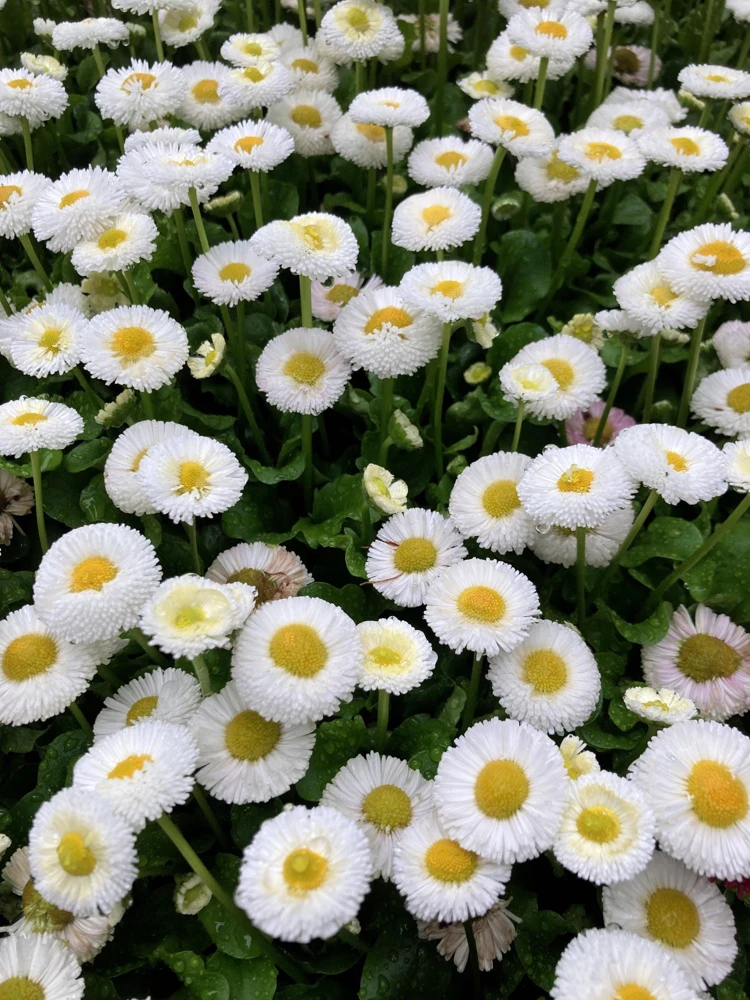
Dwarf White English Daisy Seeds – Bellis Perennis Flower Seeds – 500 Count – Hardy Perennial
Reviews
There are no reviews yet.