
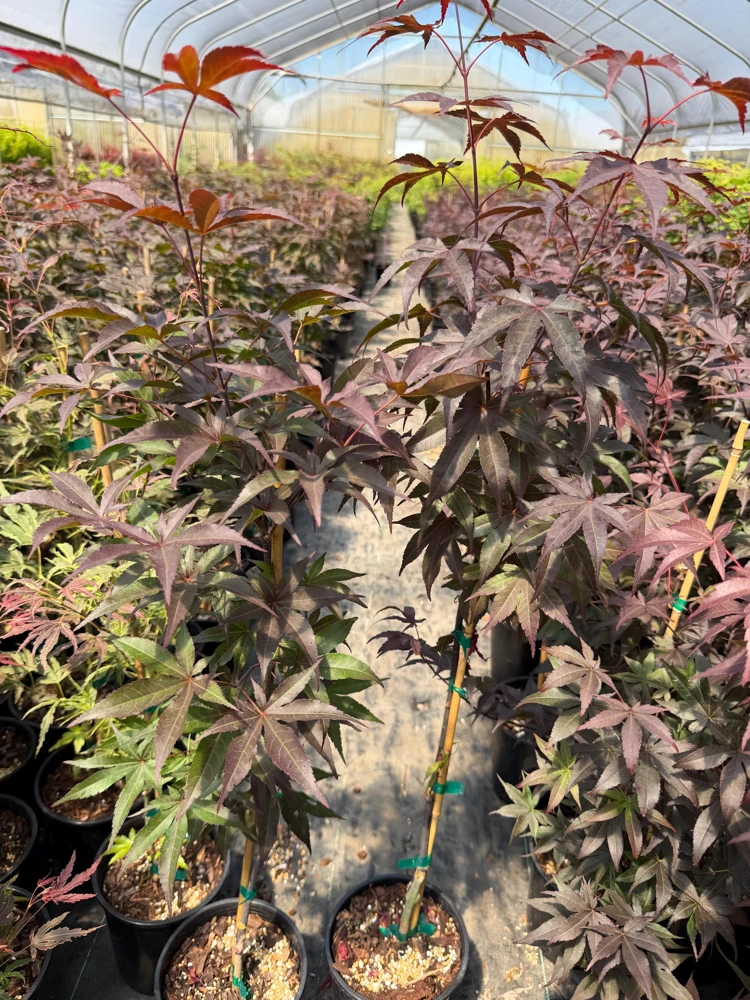
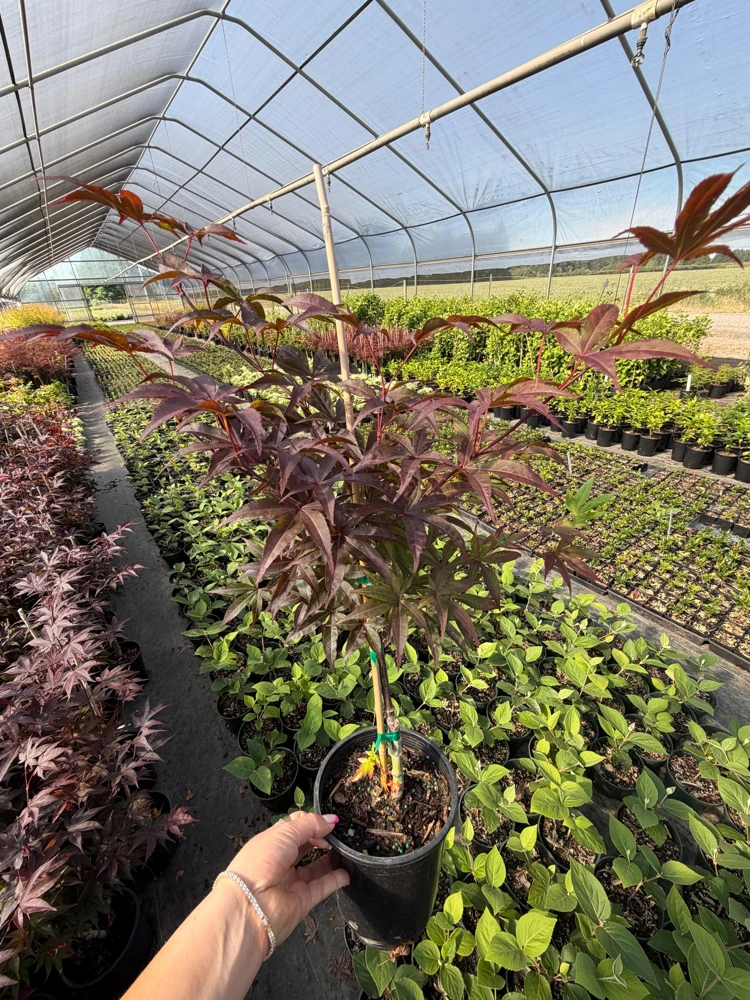
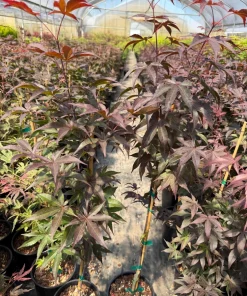
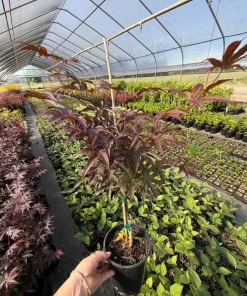
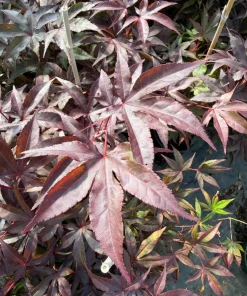
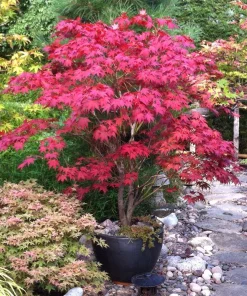
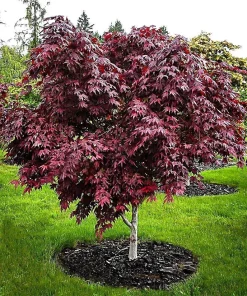
Bloodgood Japanese Maple Tree Live Plant – Red Upright Form – #1 Container – Zones 5-9
Original price was: $139.49.$92.99Current price is: $92.99.
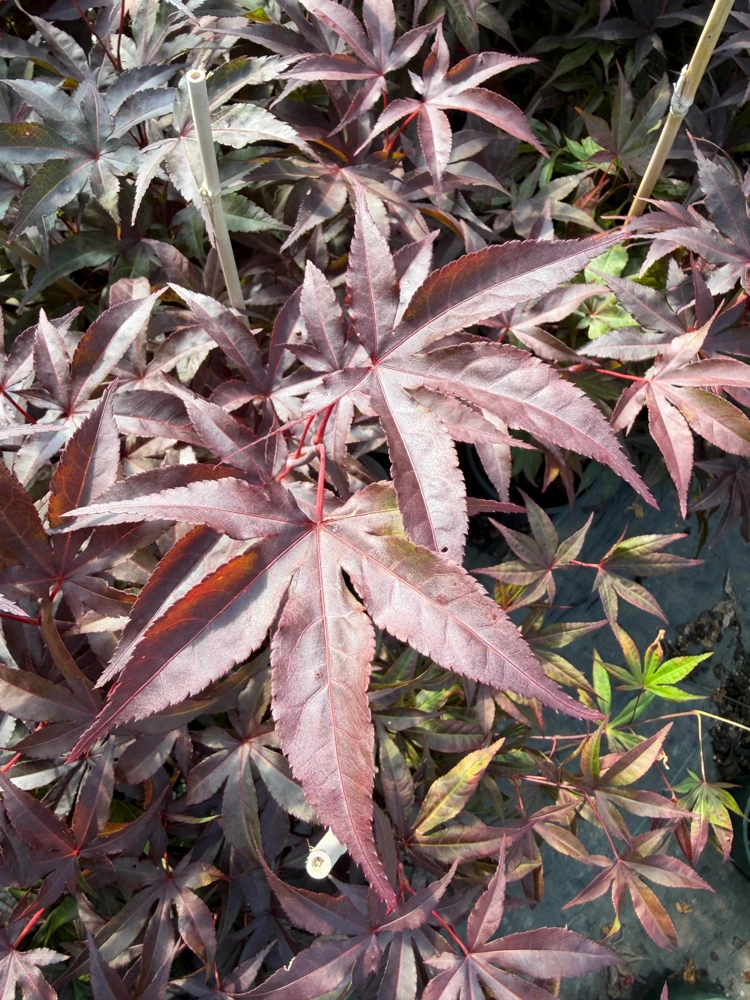
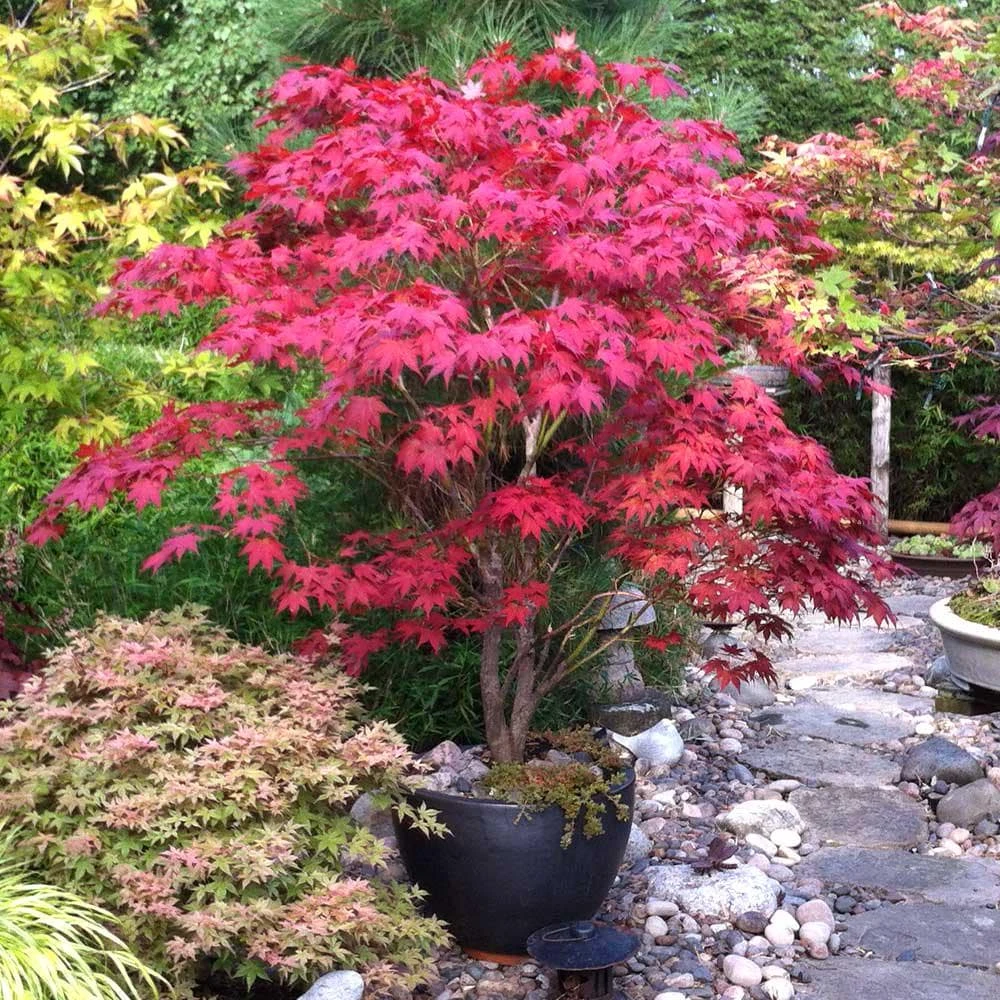
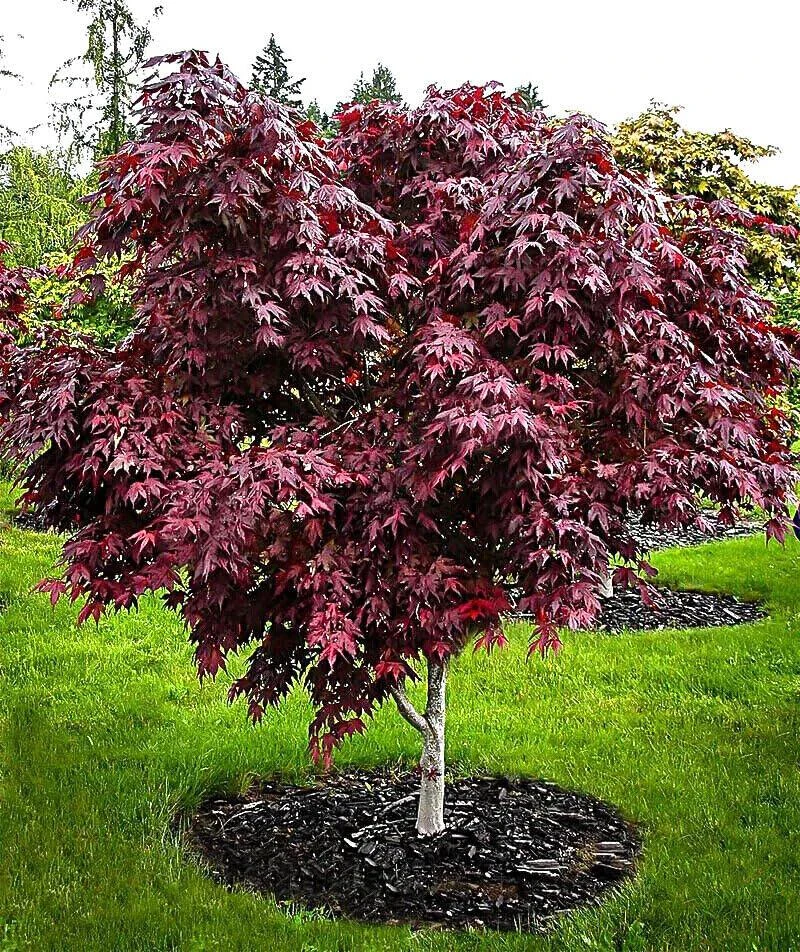
Elevate your garden with the iconic Bloodgood Japanese Maple Tree, a stunning red Japanese Maple known for its rich maroon foliage and elegant upright form. This classic live plant thrives in USDA Zones 5-9, offering vibrant seasonal color from spring to fall. Perfect as a focal point or for adding timeless beauty to any landscape.
Estimated arrival
Oct 25
Oct 30 - Nov 01
Nov 04 - Nov 08
Shop With Confidence
30-Day Plant Health Guarantee
Arrives damaged? We’ll replace it free — see our return policy.
Responsive Support
Email us anytime, we reply within 1 business day.
Expert Packaging
Temperature-controlled shipping to protect your plants in transit.
Secure Checkout
Pay safely with Visa, Mastercard, PayPal.
Plant Specifications
-
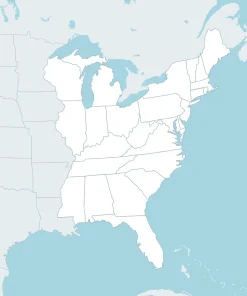
USDA Hardiness Zone
5–9 -
Soil Type
Well-draining, slightly acidic to neutral loam -
Sunlight Exposure
Full sun to filtered light -
Expected Planting Period
Spring to early fall
Overview
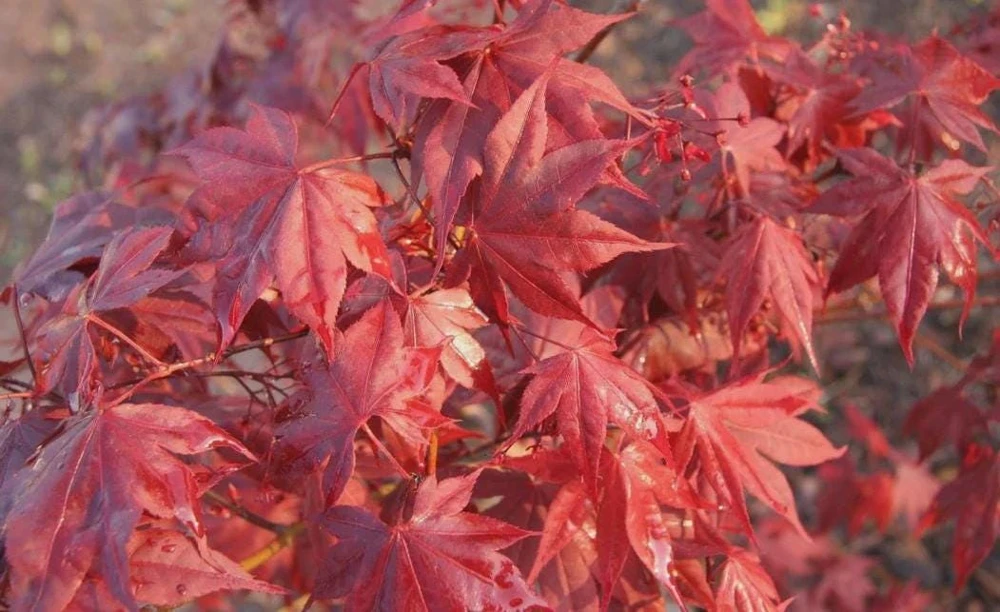
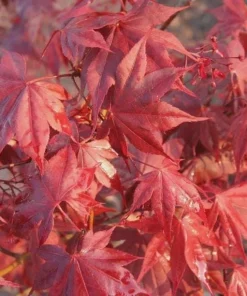
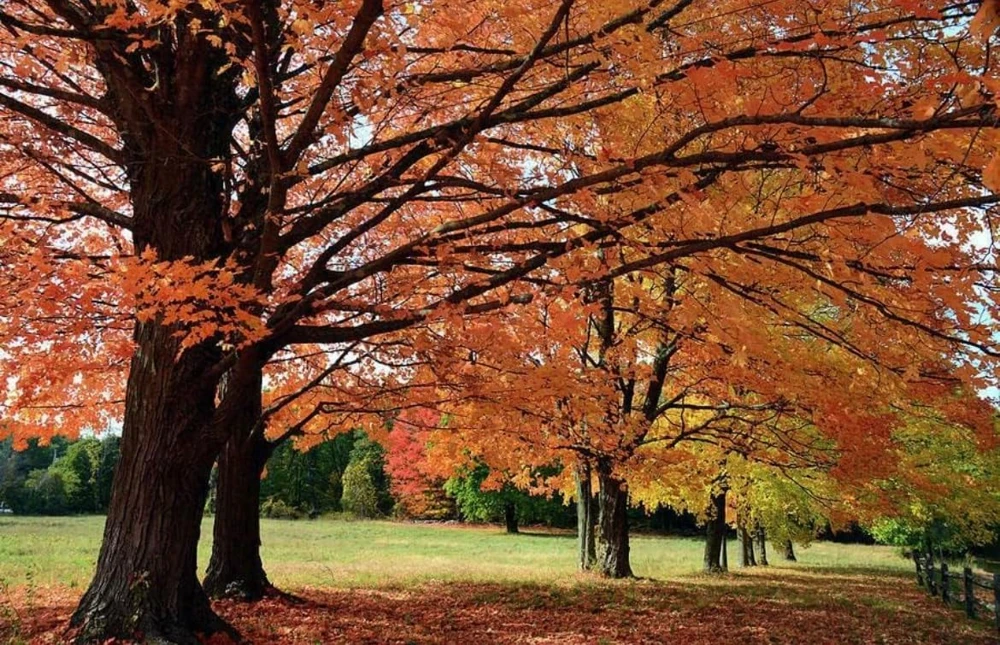
Introduce timeless elegance to your garden with the Bloodgood Japanese Maple Tree, an iconic live plant that has graced American landscapes for decades. Renowned for its striking red foliage and graceful upright growth habit, this cultivar, scientifically known as Acer palmatum ‘Bloodgood’, is a must-have for both seasoned collectors and novice gardeners. Its vibrant leaves emerge bright red in spring, deepen to a rich maroon through summer, and transform into brilliant crimson and orange hues in the fall, ensuring year-round visual interest. This adaptable and strong-growing tree is an excellent choice for creating a dramatic focal point or adding sophisticated color to your outdoor space.
The Bloodgood Japanese Maple Tree is celebrated for its robust nature and ability to thrive in a variety of conditions, making it a reliable and enduring addition to your garden. Whether you’re looking to plant your first Japanese maple or expand an existing collection, ‘Bloodgood’ offers unparalleled beauty, color, and elegance through every season. Its stately form and bold color contrast make it a showstopper in any setting, from expansive lawns to intimate garden beds.
Key Benefits
The Bloodgood Japanese Maple Tree offers a multitude of benefits, making it a favored choice among gardeners seeking beauty and resilience:
- Rich Seasonal Color: Enjoy a spectacular display of color as bright red spring leaves deepen to a rich maroon in summer, culminating in brilliant crimson and orange shades that light up the autumn landscape. This continuous color transformation ensures your garden remains vibrant throughout the growing season.
- Classic & Timeless Appeal: As a beloved staple in landscape design, this red Japanese Maple is admired for its bold color contrast and elegant, stately form. It brings a sense of tradition and sophistication to any garden, complementing various architectural styles.
- Vigorous & Hardy Growth: The ‘Bloodgood’ cultivar is known for its adaptability and strong growth, thriving in a wide range of conditions and climates. This hardiness ensures a healthy, long-lasting tree that will be a cornerstone of your garden for years.
- Versatile Focal Point: Its striking appearance makes it an ideal centerpiece for gardens, yards, or along driveways and walkways. The upright form and vibrant foliage draw the eye, creating an impressive and memorable landscape feature.
- Moderate Mature Size: Reaching a mature height of 20-25 ft tall over 30 years, this upright maple tree provides significant visual impact without overwhelming smaller garden spaces. Its managed growth allows for strategic placement in various landscape designs.
- Low Maintenance: Once established, the Acer palmatum Bloodgood requires relatively low maintenance, making it suitable for gardeners who appreciate beauty without excessive upkeep. Its natural resilience contributes to its ease of care.
- Enhanced Property Value: Adding a mature and well-cared-for Japanese maple can significantly enhance the aesthetic appeal and value of your property, providing a lasting investment in your home’s curb appeal.
Plant Care & Growing Tips
Caring for your Bloodgood Japanese Maple Tree involves understanding its preferences for sunlight, water, and soil to ensure its vibrant growth and health. This variety thrives in USDA Zones 5–9, indicating its tolerance to a range of temperatures. For optimal color and growth, plant your tree in a location that receives full sun to filtered light. In hotter climates, some afternoon shade can protect the leaves from scorching, while in cooler regions, more sun will intensify the red coloration. Ensure the planting site has good air circulation to prevent fungal issues.
When it comes to watering, consistent moisture is key, especially during the tree’s establishment phase and dry spells. The soil should be kept consistently moist but never waterlogged, as poor drainage can lead to root rot. A layer of mulch around the base of the tree can help retain soil moisture, regulate soil temperature, and suppress weeds. The ideal soil type for Acer palmatum Bloodgood is well-draining, slightly acidic to neutral loam, rich in organic matter. Avoid heavy clay soils or overly sandy soils; amendments like compost can improve soil structure.
Fertilization is generally minimal for established Japanese maples. A light application of a balanced, slow-release fertilizer in early spring can support healthy growth, but avoid over-fertilizing, which can lead to excessive growth and weaker wood. Pruning should be done in late winter or early spring while the tree is dormant, focusing on removing dead, damaged, or crossing branches. Minimal shaping may be done to maintain its elegant upright form. Regular monitoring for common pests and diseases, though rare for this hardy variety, will help maintain the vitality of your Japanese maple care routine.
Size & Details
The Bloodgood Japanese Maple Tree is a robust and visually impactful live plant, typically shipped in a #1 container size, ready for planting. This ensures a healthy root system and a strong start in your garden. Upon maturity, which generally occurs over 30 years, this impressive tree will reach a height of 20–25 feet tall with a comparable spread, forming a majestic upright silhouette. Its growth rate is moderate, allowing it to establish itself well within your landscape design without becoming overly large too quickly. The tree’s deciduous nature means it will shed its leaves in winter, preparing for a spectacular re-emergence of color in spring. Its adaptability makes it suitable for a wide range of garden applications, from specimen planting to integration into mixed borders.
This particular red Japanese Maple is celebrated for its consistent color and strong structure, making it a reliable choice for long-term landscape enhancement. The #1 container size provides a convenient starting point for gardeners, allowing for easy transplanting and establishment. With proper care, this tree will develop into a magnificent specimen, providing shade, beauty, and seasonal interest for many decades. Its vigor and hardiness contribute to its longevity, making it a valuable addition to any property.
Frequently Asked Questions
- Q: How big does the Bloodgood Japanese Maple Tree get? A: The Bloodgood Japanese Maple Tree typically reaches a mature height of 20–25 feet tall over a period of 30 years, with a similar spread. Its upright form makes it a stately addition to any landscape.
- Q: What size pot does it come in? A: This Bloodgood Japanese Maple is shipped in a #1 container size, providing a well-established root system for successful planting and growth in your garden.
- Q: Is this an indoor or outdoor plant? A: The Bloodgood Japanese Maple Tree is an outdoor plant, ideally suited for landscapes in USDA Hardiness Zones 5-9. It requires outdoor conditions to thrive and express its full seasonal color.
- Q: How much sunlight does it need? A: This red Japanese Maple prefers full sun to filtered light. In hotter climates, some afternoon shade can prevent leaf scorch, while more sun in cooler regions enhances its vibrant red foliage color.
- Q: Is this plant easy to care for? A: Yes, the ‘Bloodgood’ cultivar is known for being vigorous and hardy, making it a relatively easy-care tree once established. Consistent watering and well-draining soil are key to its success.
- Q: What condition will it arrive in? A: Your Bloodgood Japanese Maple Tree will arrive as a healthy, live plant in a #1 container, carefully packaged to ensure its safe transit and readiness for planting.
- Q: When is the best time to plant a Bloodgood Japanese Maple? A: The best time to plant a Bloodgood Japanese Maple Tree is in spring or early fall. This allows the tree to establish its root system before the extreme temperatures of summer or winter.
- Q: Will it survive winter in my zone? A: Yes, this upright maple tree is hardy and thrives in USDA Zones 5-9, meaning it is well-equipped to survive winter conditions within these zones with proper care.
- Q: What type of soil is best for Japanese maple care? A: For optimal health, the ‘Bloodgood’ Japanese Maple prefers well-draining, slightly acidic to neutral soil that is rich in organic matter. Avoid heavy clay or overly sandy soils.
- Q: How often should I water my Bloodgood Japanese Maple? A: Water regularly to keep the soil consistently moist, especially during dry periods and the tree’s first few years after planting. Avoid overwatering or letting the soil become waterlogged.
Be the first to review “Bloodgood Japanese Maple Tree Live Plant – Red Upright Form – #1 Container – Zones 5-9”
People Also Viewed
Flower Seeds
Houseplants
Snow Capped Artillery Fern Live Plant – Pilea microphylla – Rare Indoor Plant – 2.5″ Pot
Reviews
There are no reviews yet.