

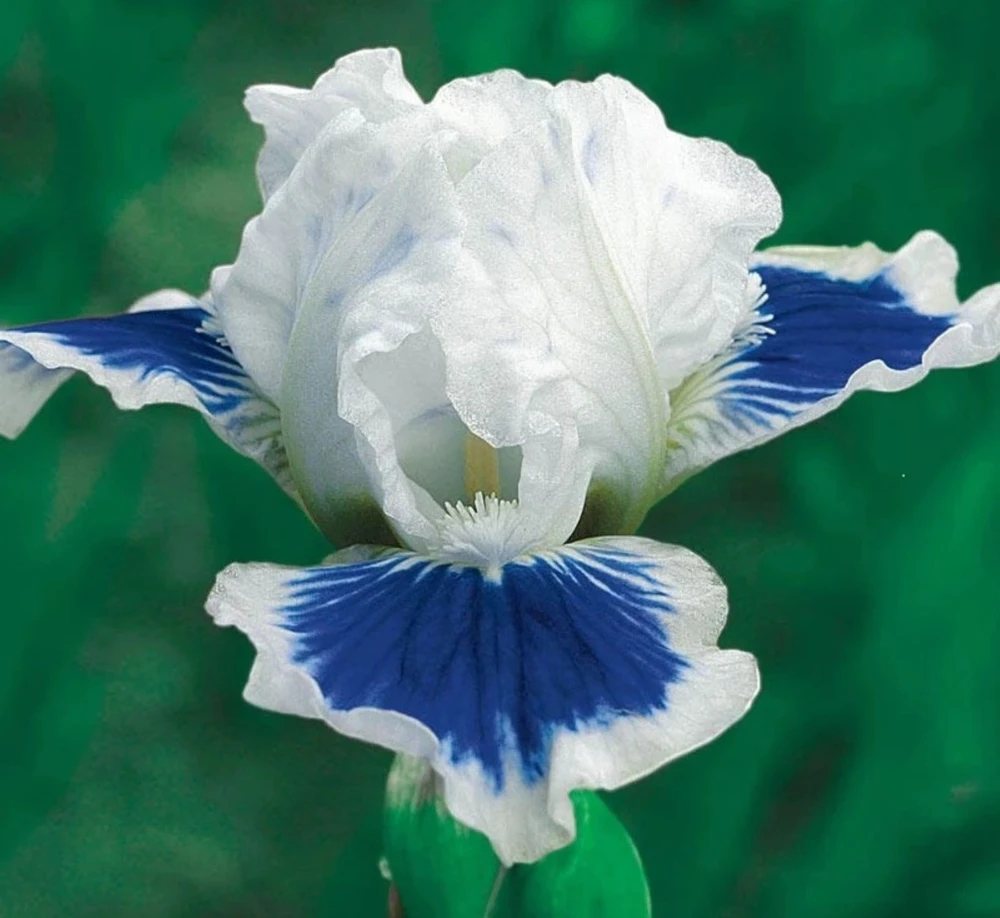
Iris Seeds – 100 Count Fresh Flowering Plant Seeds
Original price was: $55.99.$30.99Current price is: $30.99.
Cultivate beautiful and vibrant iris flowers from these fresh iris seeds. Ideal for garden enthusiasts looking to add elegant blooms to their outdoor spaces. Easily grow iris from seed and enjoy a stunning display.
Estimated arrival
Oct 25
Oct 30 - Nov 01
Nov 04 - Nov 08
Shop With Confidence
30-Day Plant Health Guarantee
Arrives damaged? We’ll replace it free — see our return policy.
Responsive Support
Email us anytime, we reply within 1 business day.
Expert Packaging
Temperature-controlled shipping to protect your plants in transit.
Secure Checkout
Pay safely with Visa, Mastercard, PayPal.
Plant Specifications
-
USDA Hardiness Zone
USDA zones 3-9 (varies by variety) -
Soil Type
Well-draining loam -
Sunlight Exposure
Full sun to partial shade -
Expected Planting Period
Fall or early spring
Overview
Transform your garden into a vibrant showcase with our premium selection of iris seeds. These fresh, high-quality seeds offer an economical and rewarding way to cultivate the iconic iris flower, known for its intricate petals and diverse color palette. Unlike bulbs, growing iris from seed provides a unique opportunity to experience the full life cycle of these magnificent plants, often resulting in unique color variations and robust growth. Each packet contains 100 seeds, providing ample opportunity to establish a beautiful iris bed or border. Iris flowers are a timeless addition to any landscape, symbolizing royalty, hope, and wisdom, making them a meaningful choice for your home garden. Our flowering iris seeds are carefully harvested to ensure optimal germination rates, setting you up for success from the very beginning. Whether you’re an experienced gardener or just starting, planting iris seeds is a fulfilling project that promises spectacular results.
These iris seeds are perfect for anyone looking to enhance their garden’s aesthetic appeal with minimal effort. The process of how to plant iris seeds is straightforward, allowing even beginners to achieve stunning results. Imagine a garden filled with the elegant, sword-like foliage and breathtaking blooms of the iris, attracting pollinators and delighting onlookers. These seeds are a fantastic alternative to purchasing mature plants or bulbs, offering a cost-effective solution for creating a lush, flower-filled environment. Prepare to be captivated by the beauty and grace of these remarkable flowers, all grown from the simple act of sowing a seed.
Key Benefits
Growing iris flowers from seed offers numerous advantages, from aesthetic appeal to the sheer joy of nurturing life. These benefits make our iris seeds an excellent choice for any gardener:
- Stunning Floral Displays: Iris flowers are renowned for their dramatic, elegant blooms that come in a wide array of colors, adding significant visual interest and sophistication to any garden space.
- Economical Gardening: Purchasing iris seeds is a cost-effective way to produce a large number of plants compared to buying individual bulbs or mature plants, allowing for extensive landscaping projects on a budget.
- Unique Color Variations: Growing iris from seed can sometimes result in fascinating new color combinations and patterns that are not found in commercially available varieties, making each bloom a delightful surprise.
- Rewarding Growing Experience: The process of nurturing iris plants from tiny seeds to full-sized flowering specimens is incredibly satisfying, offering a deep connection to nature and a sense of accomplishment.
- Attracts Pollinators: Iris flowers are known to attract various pollinators, such as bees and butterflies, contributing to a healthier and more biodiverse garden ecosystem.
- Versatile Landscape Use: Whether used in borders, rock gardens, or as focal points, iris plants adapt well to various garden designs and can thrive in diverse settings.
- Fresh and Ready to Grow: Our flowering iris seeds are guaranteed fresh, ensuring higher germination rates and a better chance of successful growth for your garden.
Plant Care & Growing Tips
Successfully cultivating iris seeds into flourishing plants requires attention to a few key care guidelines. Begin by understanding that iris plants generally prefer a location with ample sunlight. They thrive in at least six hours of direct sunlight per day, though some varieties can tolerate partial shade, especially in hotter climates. Good air circulation is also beneficial to prevent fungal diseases. When considering how to plant iris seeds, preparation of the soil is crucial. Iris plants prefer well-draining soil with a neutral to slightly acidic pH (6.0-7.0). Amending heavy clay soils with organic matter like compost or sand can improve drainage significantly. Avoid overly rich soil, as this can lead to excessive foliage growth at the expense of blooms.
Watering should be consistent but moderate, especially during the germination and establishment phases of your iris seeds. Once established, iris plants are relatively drought-tolerant, but they will perform best with regular watering during dry spells, particularly when they are actively growing and flowering. Avoid overwatering, which can lead to rot, especially for rhizomatous iris types. Fertilization is generally not heavily required; a balanced, slow-release fertilizer applied in early spring can encourage healthy growth and abundant blooms. Ensure the fertilizer is low in nitrogen to promote flowers over foliage. For optimal growth and to help your iris flower seeds develop into strong plants, consider dividing established clumps every 3-5 years to prevent overcrowding and encourage vigorous blooming. Protect young seedlings from pests and diseases by maintaining good garden hygiene and inspecting plants regularly.
Winter care largely depends on your climate. In colder zones, a layer of mulch can help protect rhizomes from freezing and thawing cycles. In warmer climates, little to no winter protection is needed. Remove spent flower stalks to encourage the plant to put energy into rhizome development rather than seed production, unless you are intentionally collecting more iris seeds. With proper care, your iris plants will provide years of beautiful blooms, making the effort of learning how to plant iris seeds truly worthwhile.
Size & Details
Each packet contains 100 iris seeds, offering a generous quantity to start your garden project. These seeds are ideal for creating expansive beds or multiple smaller groupings of iris flowers. The mature size of iris plants can vary significantly depending on the specific variety, typically ranging from 1 to 3 feet in height and spreading 1 to 2 feet wide. Growth rate is moderate, with flowering usually occurring in the second year after planting from seed. The exact time to bloom will depend on local climate conditions and care practices. Our flowering iris seeds are shipped as fresh, viable seeds, ready for planting upon arrival. They are carefully packaged to maintain their integrity during transit, ensuring you receive the best possible start for your garden. The resulting plants will produce elegant, sword-shaped foliage and the characteristic intricate iris blooms.
Frequently Asked Questions
- Q: How many iris seeds are included in a packet? A: Each packet contains 100 iris seeds, providing a substantial quantity for planting in your garden or for sharing with fellow enthusiasts.
- Q: Are these iris seeds for indoor or outdoor planting? A: These iris seeds are primarily intended for outdoor planting to grow iris flowers in garden beds, borders, or naturalized areas. While germination can occur indoors, the mature plants thrive outdoors.
- Q: How much sunlight do iris plants need? A: Iris plants, grown from these iris seeds, generally require at least 6 hours of full direct sunlight per day to produce the best blooms. Some varieties can tolerate partial shade, especially in hot afternoon sun.
- Q: Is growing iris from seed difficult for beginners? A: No, learning how to plant iris seeds is a relatively straightforward process. With proper soil preparation, watering, and sunlight, even beginner gardeners can successfully grow beautiful iris flowers.
- Q: When is the best time to plant iris seeds? A: The best time to plant iris seeds is typically in the fall, allowing them to undergo a natural cold stratification period over winter, which aids germination in the spring. Spring planting is also possible after artificial stratification.
- Q: How long does it take for iris seeds to germinate? A: Germination time for iris seeds can vary widely, often taking several weeks to several months, and sometimes even a full year, especially if natural stratification is used. Patience is key when you grow iris from seed.
- Q: What kind of soil is best for iris seeds? A: Iris seeds and plants prefer well-draining soil that is rich in organic matter. A neutral to slightly acidic pH is ideal for healthy growth and vibrant iris flowers.
Be the first to review “Iris Seeds – 100 Count Fresh Flowering Plant Seeds”
People Also Viewed
Flower Seeds
Houseplants
Reviews
There are no reviews yet.