

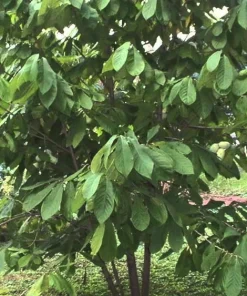
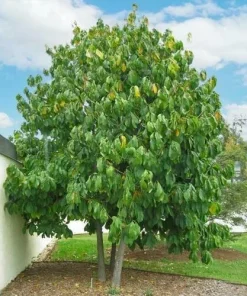
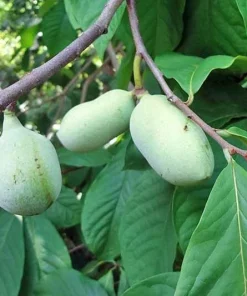
Paw Paw Tree Live Plant (Asimina triloba) 8-12 Inches Tall Outdoor
Original price was: $41.79.$21.79Current price is: $21.79.
Cultivate your own unique fruit with this paw paw tree live plant. Standing 8 to 12 inches tall, this asimina triloba plant is perfect for outdoor gardens, offering delicious, custard-like fruit. Easy to grow and a beautiful addition to any landscape.
Estimated arrival
Oct 15
Oct 20 - Oct 22
Oct 25 - Oct 29
Shop With Confidence
30-Day Plant Health Guarantee
Arrives damaged? We’ll replace it free — see our return policy.
Responsive Support
Email us anytime, we reply within 1 business day.
Expert Packaging
Temperature-controlled shipping to protect your plants in transit.
Secure Checkout
Pay safely with Visa, Mastercard, PayPal.
Plant Specifications
-
USDA Hardiness Zone
USDA zones 5-9 -
Soil Type
Well-draining, fertile loamy soil -
Sunlight Exposure
Partial shade (young) to Full Sun (established) -
Expected Planting Period
Early spring or late fall
Overview
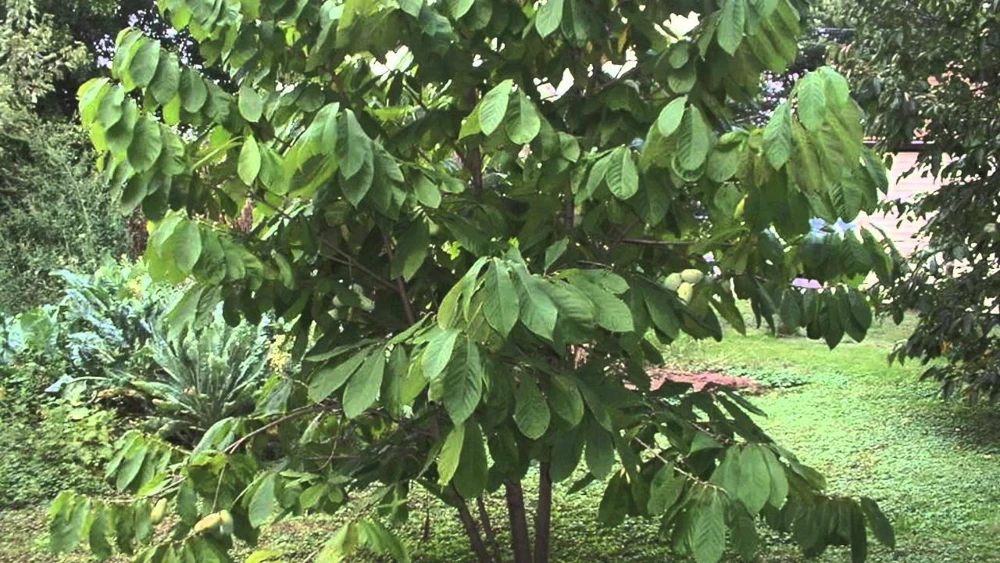
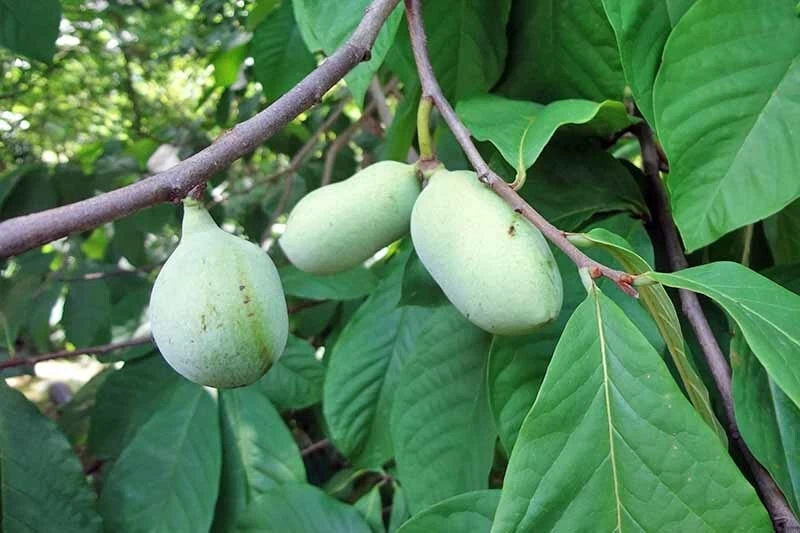
Bring the taste of native American tropics to your backyard with our premium paw paw tree live plant. This exquisite asimina triloba plant is a deciduous tree known for its unique, delicious fruit that tastes like a blend of banana, mango, and pineapple. Growing 8 to 12 inches tall, this young tree offers an exciting opportunity for gardeners to cultivate a less common, highly rewarding fruit. The paw paw (Asimina triloba) is not only a source of delectable fruit but also an attractive ornamental tree, providing lush green foliage and interesting purplish-brown flowers in the spring. As a live plant, it arrives ready for planting, ensuring a head start on establishing this wonderful addition to your home orchard or garden.
The paw paw tree live plant is a fantastic choice for those looking to diversify their fruit-bearing trees. It’s a hardy, native North American species that is relatively low-maintenance once established. Its unique flavor profile makes the paw paw fruit tree a gourmet delight, often enjoyed fresh or used in desserts and preserves. Our 8 to 12 inch specimens are carefully nurtured to provide you with a robust start, ready to grow into a productive and beautiful tree.
Key Benefits
Investing in a paw paw tree live plant offers a multitude of benefits, from its unique fruit to its ecological contributions. Here are some of the standout advantages:
- Delicious and Nutritious Fruit: The primary draw of the paw paw is its incredibly flavorful fruit, rich in vitamins, minerals, and antioxidants. Enjoy a taste akin to tropical fruits right from your own garden.
- Native and Hardy: As a native North American species, the asimina triloba plant is well-adapted to various climates and soil conditions, making it a resilient choice for many gardeners. It’s known for its robust nature and ability to thrive.
- Unique Ornamental Value: Beyond its fruit, the paw paw tree offers aesthetic appeal with its large, attractive leaves and distinctive purplish flowers in spring, adding visual interest to your landscape.
- Low Maintenance: Once established, the paw paw tree live plant requires minimal care, making it suitable for both experienced gardeners and those new to fruit tree cultivation.
- Supports Local Wildlife: The paw paw tree acts as a host plant for the zebra swallowtail butterfly, contributing to local biodiversity and attracting beautiful insects to your garden.
- Pest and Disease Resistant: Paw paw trees are generally resistant to most common pests and diseases, reducing the need for chemical treatments and ensuring a healthier garden environment.
- Shade Tolerant: Unlike many fruit trees, paw paws can tolerate and even prefer some shade, especially when young, making them versatile for various garden placements.
Plant Care & Growing Tips
To ensure your paw paw tree live plant thrives, understanding its specific care requirements is crucial. This deciduous tree prefers a location with at least partial sun, ideally 6 hours of direct sunlight once established. Younger plants, however, benefit from some afternoon shade, especially in hotter climates, to protect their tender leaves from scorching. Paw paws are understory trees in their natural habitat, so replicating this condition initially can be beneficial. They are known to be quite adaptable, making it easier to learn how to grow paw paw successfully.
When it comes to watering, consistent moisture is key, particularly during the first few years after planting. The soil should be kept moist but not waterlogged. Well-draining, slightly acidic to neutral soil (pH 5.5-7.0) is ideal. A good loamy soil rich in organic matter will provide the best environment for root development. Fertilize your asimina triloba plant with a balanced, slow-release fertilizer in early spring, once the tree is established, to encourage healthy growth and fruit production. Avoid over-fertilizing, especially with high-nitrogen formulas, which can promote leafy growth at the expense of fruit.
The paw paw fruit tree is hardy in USDA zones 5-9. It requires a period of cold dormancy to produce fruit. Protect young trees from harsh winter winds and extreme cold. Pruning is generally minimal, focusing on removing dead or diseased branches and maintaining an open structure for good air circulation. Keep an eye out for any signs of stress, such as yellowing leaves, which might indicate a need for more water or nutrients. With proper care, your paw paw tree live plant will establish itself and begin producing its delicious fruit in a few years.
Size & Details
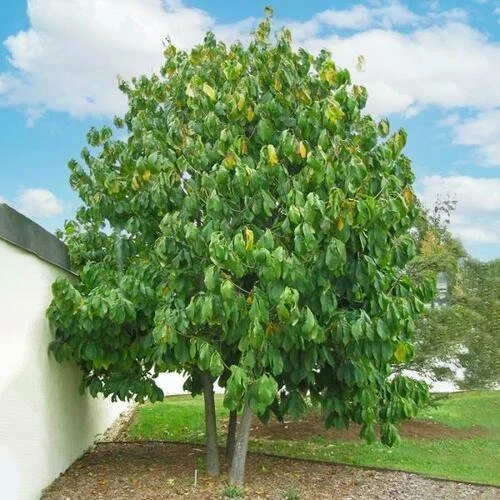
This offering is for one paw paw tree live plant, which measures approximately 8 to 12 inches in height from the base of the stem to the tip of the foliage. These young trees are typically shipped as bare root or in a small nursery pot, ensuring they are well-protected during transit and ready for immediate planting upon arrival. Paw paw trees have a moderate growth rate, often reaching heights of 15 to 20 feet at maturity, with a spread of 10 to 15 feet, forming an attractive pyramid shape. They generally begin to bear fruit within 3-5 years of planting, provided they have adequate pollination (often requiring two genetically different paw paw trees for cross-pollination). The fruit typically ripens in late summer to early fall.
Frequently Asked Questions
- Q: How big does this plant get? A: This paw paw tree live plant is currently 8 to 12 inches tall. At maturity, paw paw trees typically reach a height of 15-20 feet with a spread of 10-15 feet, making them a medium-sized fruit tree suitable for many garden spaces.
- Q: Is this an indoor or outdoor plant? A: The asimina triloba plant is an outdoor tree. It requires a period of winter dormancy and space to grow, making it unsuitable for long-term indoor cultivation. It thrives in an outdoor garden or orchard setting.
- Q: How much sunlight does it need? A: Young paw paw trees benefit from partial shade, especially in the afternoon. Once established, they prefer at least 6 hours of direct sunlight per day for optimal fruit production, though they can tolerate some shade.
- Q: Is this plant easy to care for? A: Yes, the paw paw tree live plant is considered relatively easy to care for once established. It’s a hardy native species that is generally resistant to pests and diseases, requiring consistent watering when young and minimal pruning.
- Q: What condition will it arrive in? A: Your paw paw tree live plant will arrive either bare root or in a small nursery pot, carefully packaged to ensure its health and vitality. We recommend planting it as soon as possible after arrival.
- Q: How long until it blooms and produces fruit? A: Paw paw trees typically begin to bloom and produce fruit within 3-5 years after planting, especially if cross-pollination from another genetically distinct paw paw tree is available.
- Q: Will it survive winter in my zone? A: Paw paw trees are hardy in USDA zones 5-9. If you are within these zones, your paw paw fruit tree should survive winter, though young plants may benefit from some protection in colder extremes.
- Q: Do I need more than one paw paw tree to get fruit? A: While some paw paw varieties are self-fertile, most perform best and produce significantly more fruit with cross-pollination from at least two genetically different paw paw trees. Consider planting a second tree for optimal yield.
- Q: What is the best time to plant a paw paw tree? A: The best time to plant a paw paw tree live plant is in early spring or late fall when the tree is dormant. This allows the roots to establish before the stress of summer heat or intense winter cold.
- Q: What kind of soil does a paw paw tree prefer? A: Paw paw trees thrive in well-draining, fertile soil that is rich in organic matter. A slightly acidic to neutral pH (5.5-7.0) is ideal for healthy growth and fruit production.
Be the first to review “Paw Paw Tree Live Plant (Asimina triloba) 8-12 Inches Tall Outdoor”
People Also Viewed




Vegetable Seeds
Seven Top Turnip Seeds for Leaf Greens & Sprouts – 1500 Count

Vegetable Seeds
1500 Scarlet Nantes Carrot Seeds – Daucus Carota Vegetable Seeds
Reviews
There are no reviews yet.