
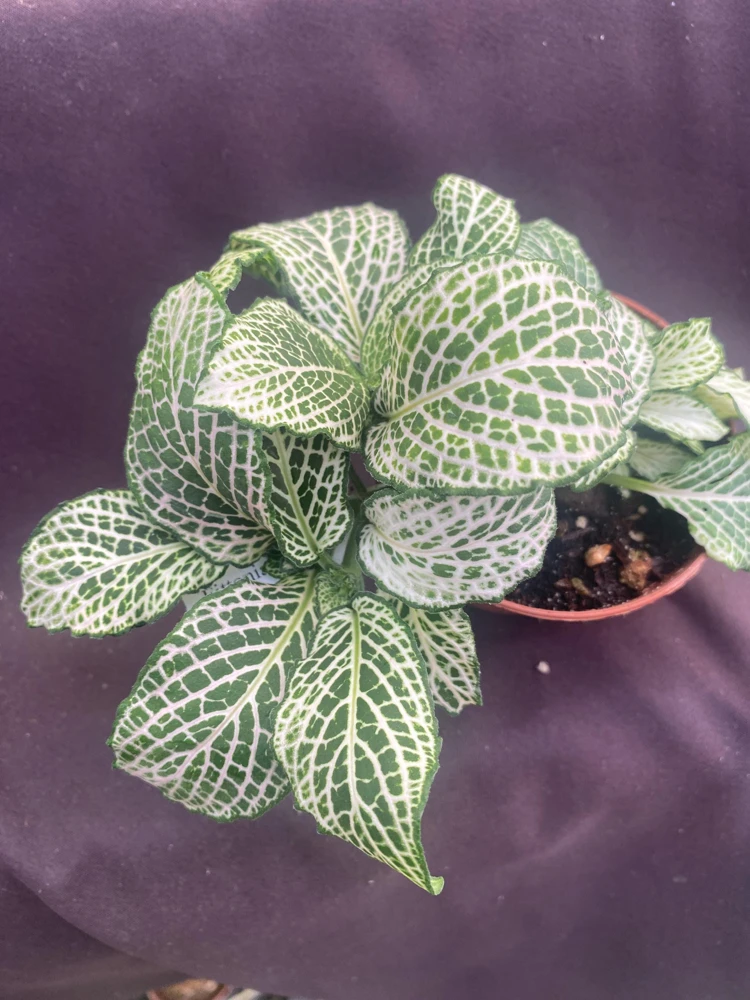
Fittonia Purple Snow Anne Nerve Plant – Live Potted Houseplant in 3 inch Pot
Original price was: $52.99.$32.99Current price is: $32.99.
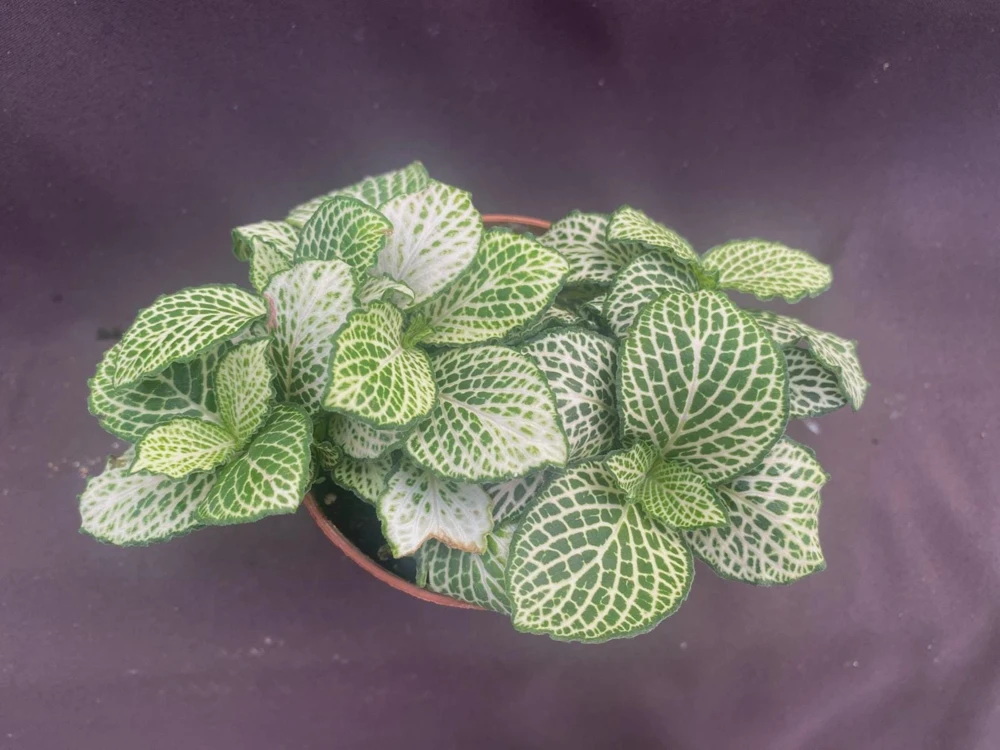
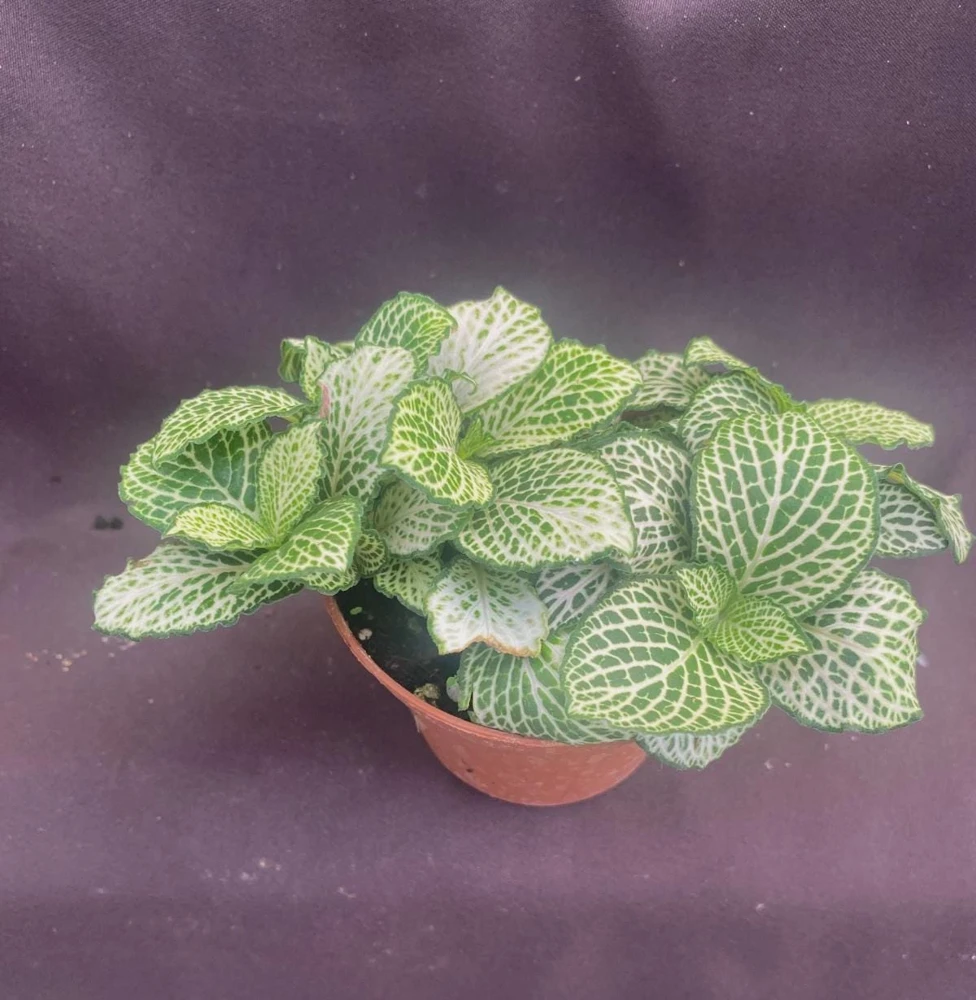
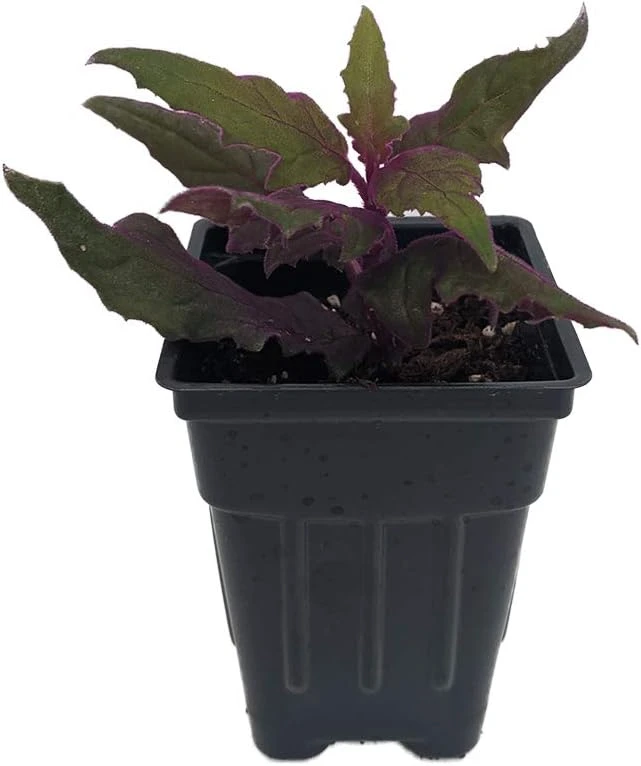
Bring vibrant color to your home with the Fittonia Purple Snow Anne. This live nerve plant features dark green leaves with striking white veins that develop a beautiful purple hue with age. Its compact, creeping growth makes it an ideal choice for terrariums, baskets, or as a charming desk plant.
Estimated arrival
Sep 22
Sep 27 - Sep 29
Oct 02 - Oct 06
Shop With Confidence
30-Day Plant Health Guarantee
Arrives damaged? We’ll replace it free — see our return policy.
Responsive Support
Email us anytime, we reply within 1 business day.
Expert Packaging
Temperature-controlled shipping to protect your plants in transit.
Secure Checkout
Pay safely with Visa, Mastercard, PayPal.
Plant Specifications
-
USDA Hardiness Zone
Indoor plant (primarily), USDA zones 11+ -
Soil Type
Well-draining potting mix -
Sunlight Exposure
Bright indirect light -
Expected Planting Period
Year-round indoors
Overview
Introduce a touch of vibrant natural beauty into your living space with the exquisite Fittonia Purple Snow Anne. This live plant, often referred to as a nerve plant due to its distinctive veining, is a captivating addition to any indoor plant collection. Known for its lush, dark green foliage intricately patterned with white veins that mature into a delicate purple, the ‘Purple Snow Anne’ variety offers a unique visual appeal. It thrives in humid environments, making it a perfect candidate for terrariums or humid corners of your home. This compact, creeping plant is delivered as a healthy, rooted specimen, ready to flourish and add a splash of color and texture to your environment.
The Fittonia genus, commonly known as nerve plants or mosaic plants, originates from the tropical rainforests of South America, particularly Peru. Their preference for high humidity and consistent moisture makes them excellent choices for enclosed gardens or alongside other humidity-loving plants. The ‘Purple Snow Anne’ cultivar stands out with its evolving coloration, providing dynamic interest as the plant ages. Its relatively small size and spreading habit allow for versatile placement, from decorative pots to creating a lush ground cover effect in larger indoor displays.
Key Benefits
The Fittonia Purple Snow Anne offers numerous advantages for both seasoned plant enthusiasts and beginners alike. Its aesthetic appeal combined with manageable care requirements makes it a rewarding plant to grow. Here are some of the key benefits:
- Stunning Foliage: The primary draw of this plant is its striking dark green leaves adorned with prominent white veins that gradually transform into beautiful purple tones, providing continuous visual interest.
- Compact Growth: With its naturally compact and creeping growth habit, the Fittonia Purple Snow Anne is perfectly suited for smaller spaces, terrariums, dish gardens, or as an underplanting in larger pots.
- Humidity Loving: Thrives in high humidity, which can help create a more tropical atmosphere indoors. It’s an excellent choice for bathrooms or kitchens where humidity levels are naturally higher.
- Air Purification: Like many houseplants, the nerve plant contributes to a healthier indoor environment by helping to filter airborne toxins and improve air quality.
- Versatile Decor: Its vibrant coloring and manageable size make it a versatile decorative element, suitable for brightening up desks, shelves, windowsills, or as part of a mixed plant arrangement.
- Easy Propagation: This indoor Fittonia plant is relatively easy to propagate from cuttings, allowing you to expand your collection or share with friends.
- Unique Texture: The intricate vein patterns add a unique textural dimension to your plant collection, complementing plants with more uniform foliage.
Plant Care & Growing Tips
Caring for your Fittonia Purple Snow Anne, or nerve plant care, is straightforward once you understand its preferences. These plants thrive in conditions that mimic their native rainforest habitat. They prefer consistent moisture and high humidity, which are crucial for their vibrant foliage.
Sunlight Requirements: Fittonias prefer bright, indirect light. Direct sunlight can scorch their delicate leaves, causing them to fade or turn crispy. An east-facing window is often ideal, providing gentle morning sun. If placed in a brighter spot, ensure it’s sufficiently shaded. Insufficient light can lead to leggy growth and less vibrant veining. For optimal growth of your creeping Fittonia, aim for a location with consistent, filtered light.
Watering Schedule and Soil Moisture: This plant is notorious for its dramatic wilting when thirsty, but it recovers quickly once watered. Keep the soil consistently moist but never soggy. Water thoroughly when the top inch of soil feels dry to the touch. Ensure good drainage to prevent root rot. Reduce watering slightly in winter when growth slows. High humidity is key; consider misting daily, placing the pot on a pebble tray with water, or using a humidifier, especially in dry indoor environments.
Soil Type and Drainage: A well-draining potting mix is essential. A standard houseplant mix amended with perlite or peat moss works well to retain moisture while allowing excess water to escape. The 3 inch pot it ships in provides adequate space for initial growth, but consider repotting annually to refresh the soil and accommodate root growth. Ensure the pot has drainage holes.
Temperature Range and USDA Hardiness Zone: Fittonias prefer warm temperatures, ideally between 65-80°F (18-27°C). Avoid sudden temperature fluctuations and cold drafts, which can stress the plant. As a tropical indoor plant, it is not suited for outdoor growth in most temperate climates. It is generally considered suitable for USDA zones 11 and above if grown outdoors, but it is primarily an indoor specimen.
Fertilization Schedule and Type: Feed your indoor Fittonia plant every 2-4 weeks during the growing season (spring and summer) with a balanced liquid fertilizer diluted to half strength. Reduce or stop fertilization during fall and winter. Over-fertilization can lead to salt buildup and leaf burn.
Common Problems and Solutions: Wilting is the most common issue, easily resolved by prompt watering. Brown, crispy leaf edges usually indicate low humidity; increase misting or use a pebble tray. Yellowing leaves can signal overwatering or nutrient deficiency. Pests like spider mites can occur in dry conditions; regular misting helps prevent them. Treat any infestations with insecticidal soap.
Size & Details
The Fittonia Purple Snow Anne is a charmingly compact live plant, perfect for adding intricate detail to your indoor plant collection. Each plant is shipped as a healthy, rooted specimen, actively growing in a 3 inch nursery pot. This size is ideal for immediate display or for transplanting into a decorative container or terrarium. Typically, these nerve plants maintain a low, spreading habit, reaching a mature height of about 4-6 inches and spreading up to 12 inches wide, though this can vary with growing conditions and pruning. Its relatively slow to moderate growth rate means it won’t quickly outgrow its space, making it a low-maintenance choice for continuous enjoyment. The ‘Purple Snow Anne’ variety will begin to show its distinctive purple veining as it matures, adding depth and character to its already beautiful foliage.
Frequently Asked Questions
- Q: How big does this plant get? A: The Fittonia Purple Snow Anne typically grows to a height of about 4-6 inches and can spread up to 12 inches wide. Its compact, creeping nature makes it ideal for small spaces and terrariums.
- Q: What size pot does it come in? A: Each live Fittonia Purple Snow Anne plant is shipped in a 3 inch nursery pot, ready for you to place in your desired container or terrarium.
- Q: Is this an indoor or outdoor plant? A: This is primarily an indoor plant, thriving in the consistent temperatures and high humidity of a home environment. While it can be grown outdoors in very warm, humid climates (USDA zones 11+), it is best suited as an indoor Fittonia plant.
- Q: How much sunlight does it need? A: The nerve plant care requires bright, indirect light. Avoid direct sunlight, which can burn its delicate leaves. A spot near an east-facing window or a well-lit room away from direct sun is perfect.
- Q: Is this plant easy to care for? A: Fittonias are considered moderately easy to care for. They are quite expressive, wilting dramatically when thirsty, which serves as a clear indicator for watering. Consistent humidity and indirect light are key to their success.
- Q: What condition will it arrive in? A: Your Fittonia Purple Snow Anne will arrive as a healthy, rooted plant, actively growing in its 3 inch pot, carefully packaged to ensure its safe journey.
- Q: Is it shipped in soil? A: Yes, the plant is shipped actively growing in its original potting soil within the 3 inch nursery pot, ensuring it remains hydrated and stable during transit.
- Q: Can I use this plant in a terrarium? A: Absolutely! The compact and creeping Fittonia growth habit, along with its preference for high humidity, makes it an excellent choice for closed or open terrariums.
- Q: Is it good for beginners? A: While it has specific humidity and watering needs, its clear communication (wilting) makes it a good learning plant for beginners who are attentive to their plants’ signals.
- Q: What’s the minimum temperature it can tolerate? A: Fittonias prefer temperatures between 65-80°F (18-27°C) and should not be exposed to temperatures below 60°F (15°C) for extended periods.
Be the first to review “Fittonia Purple Snow Anne Nerve Plant – Live Potted Houseplant in 3 inch Pot”
People Also Viewed
Vegetable Seeds
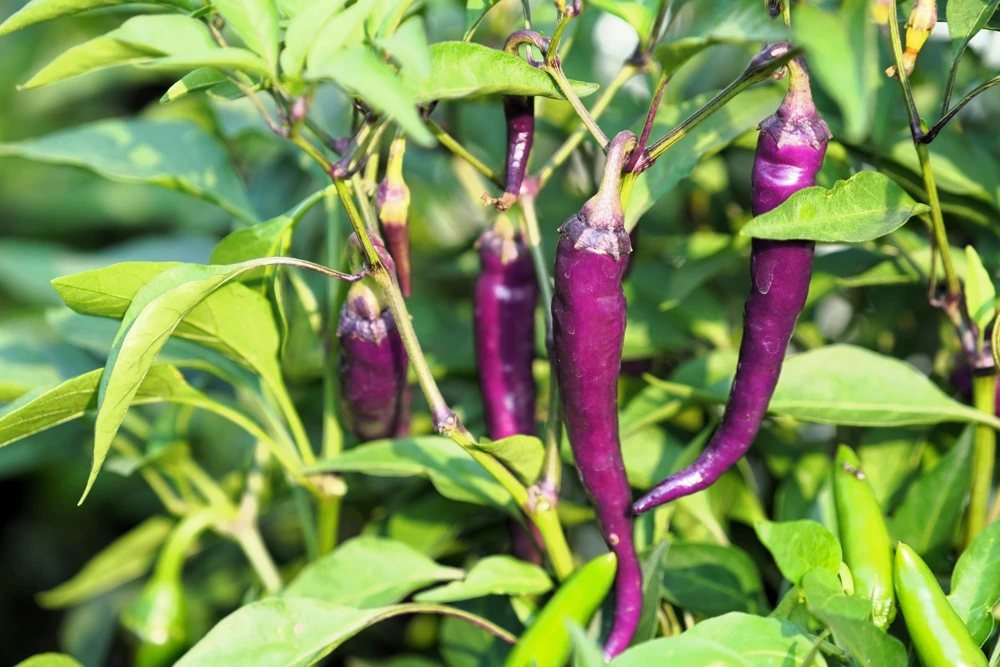
Purple Cayenne Pepper Seeds – Hot Capsicum Annuum – 50 Seeds

Reviews
There are no reviews yet.