
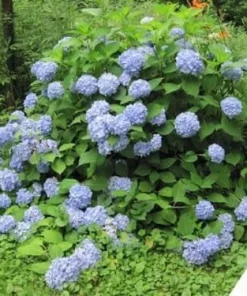
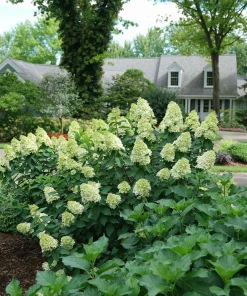
Hydrangea Live Plant – Miscellaneous Varieties (Lost Tag) – 2.5 inch Pot – Outdoor Shrub
Original price was: $50.99.$20.99Current price is: $20.99.
Add a delightful surprise to your garden with this hydrangea live plant, a miscellaneous variety from a lost tag. This well-rooted plant, approximately 4-6 inches tall in a 2.5 inch pot, promises beautiful blooms. Ideal for full sun to partial shade, it’s a perfect outdoor hydrangea shrub.
Estimated arrival
Nov 07
Nov 12 - Nov 14
Nov 17 - Nov 21
Shop With Confidence
30-Day Plant Health Guarantee
Arrives damaged? We’ll replace it free — see our return policy.
Responsive Support
Email us anytime, we reply within 1 business day.
Expert Packaging
Temperature-controlled shipping to protect your plants in transit.
Secure Checkout
Pay safely with Visa, Mastercard, PayPal.
Plant Specifications
-
USDA Hardiness Zone
USDA zones 5-9 -
Soil Type
Rich, consistently moist, well-draining soil -
Sunlight Exposure
Full sun to partial shade -
Expected Planting Period
Spring to early summer (or year-round in mild climates)
Overview
Embark on a delightful gardening adventure with a hydrangea live plant from our miscellaneous collection. This offering is for a young, well-rooted hydrangea plant, approximately 4-6 inches tall, currently housed in a 2.5 inch pot. While the specific variety remains a mystery due to a lost tag, you can expect a beautiful deciduous shrub that will bring charm and elegance to your outdoor space. These plants are currently dormant or nearing dormancy, meaning they may arrive leafless, which is a natural and healthy state for winter. Rest assured, they are ready to burst forth with lush foliage and stunning flowers in the spring. This makes for an exciting surprise as you watch your unique hydrangea live plant grow and reveal its true colors.
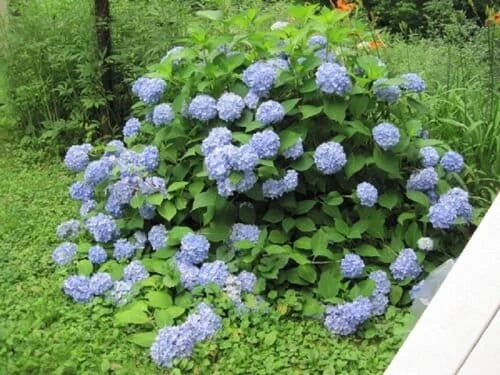
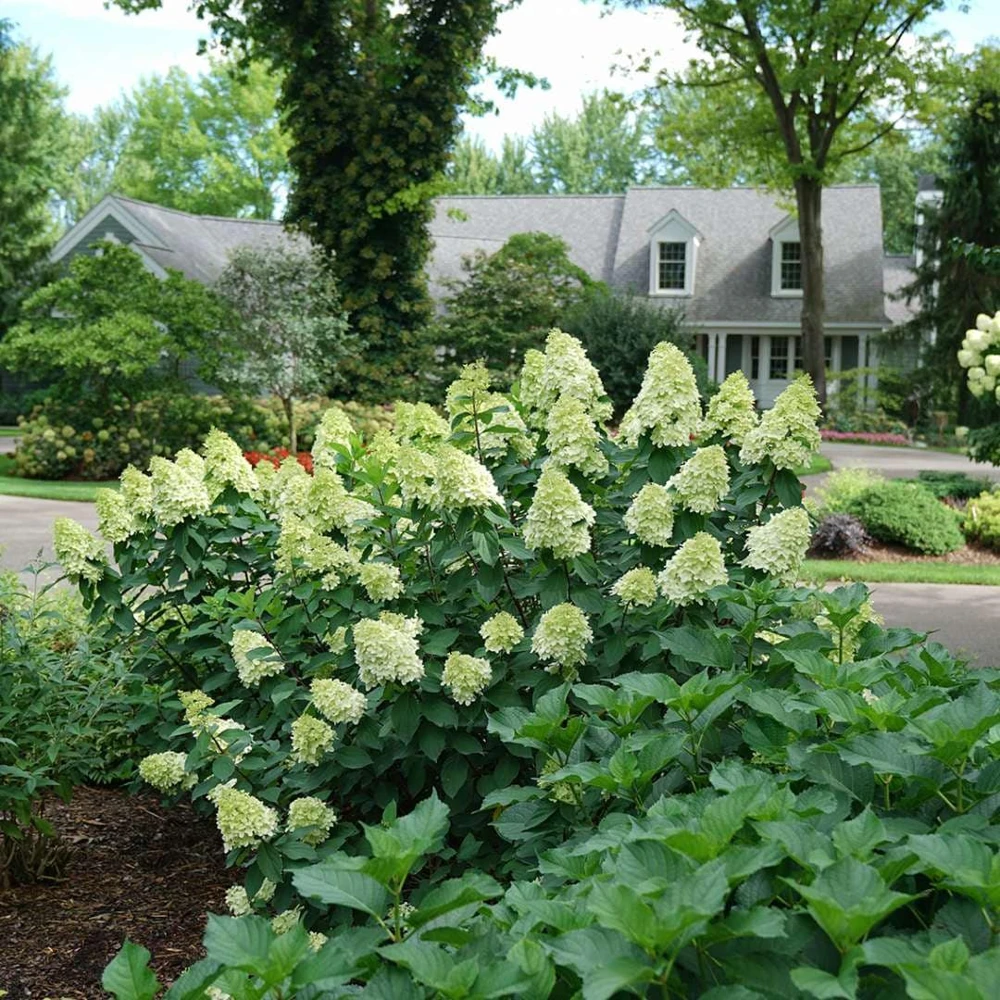
Our miscellaneous hydrangea plants could include popular types such as Hydrangea macrophylla, Hydrangea quercifolia (Oakleaf Hydrangea), Hydrangea paniculata (Panicle Hydrangea), or Hydrangea arborescens (Smooth Hydrangea). Each of these species offers distinct characteristics, from the large, mophead or lacecap flowers of macrophyllas to the conical blooms of paniculatas or the oak-like leaves of quercifolias. Regardless of the specific variety, you are acquiring a robust plant ready to thrive and become a focal point in your garden. This unique approach allows you to experience the joy of discovery while enhancing your landscape with a classic flowering shrub.
Key Benefits
Bringing a hydrangea live plant into your garden offers numerous benefits, enhancing both the aesthetic appeal and ecological value of your outdoor space. These versatile shrubs are celebrated for their impressive floral displays and ease of care, making them a favorite among gardeners.
- Stunning Floral Displays: Hydrangeas are renowned for their showy clusters of flowers that bloom throughout spring and summer. These vibrant blooms can transform any garden into a picturesque sanctuary, providing a spectacular visual treat.
- Versatile Garden Accent: Whether used as a specimen plant, in mass plantings, or as part of a mixed border, this outdoor hydrangea shrub fits seamlessly into various garden designs. Its adaptability makes it suitable for many landscaping purposes.
- Attracts Pollinators: The abundant flowers of hydrangeas are a magnet for bees, butterflies, and other beneficial pollinators, contributing to the biodiversity and health of your garden ecosystem.
- Low Maintenance Beauty: Once established, hydrangeas are relatively easy to care for, requiring consistent moisture and minimal pruning. This makes them an excellent choice for both novice and experienced gardeners.
- Seasonal Interest: Beyond their summer blooms, many hydrangea varieties offer attractive foliage in spring and fall, and some even provide interesting winter bark or dried flower heads, ensuring year-round appeal.
- Perfect for Cut Flowers: The long-lasting blooms are excellent for cutting and bringing indoors, allowing you to enjoy their beauty and freshness in floral arrangements throughout your home.
- Adaptable to Various Light Conditions: While generally preferring partial shade, many hydrangea varieties can tolerate full sun, especially if provided with adequate moisture, offering flexibility in planting locations.
Plant Care & Growing Tips
Proper care is essential for your hydrangea live plant to flourish and provide abundant blooms. Hydrangeas are generally hardy and forgiving plants, but understanding their basic needs will ensure optimal growth and health. They thrive in consistently moist, rich, well-draining soil. Avoid waterlogged conditions, which can lead to root rot, but also prevent the soil from drying out completely, especially during hot weather and flowering periods. Regular watering, particularly for young plants and during dry spells, is crucial for establishing a strong root system. A layer of mulch around the base of the plant can help retain soil moisture and regulate soil temperature.
When considering sunlight, most hydrangeas prefer a location that receives full sun in the morning and partial shade in the afternoon, especially in hotter climates. Afternoon shade helps protect the delicate flowers and foliage from scorching. While some varieties can tolerate more sun, consistent moisture becomes even more critical. For a healthy hydrangea plant care routine, fertilize in early spring with a balanced slow-release fertilizer or one formulated for flowering shrubs. Avoid over-fertilizing, which can promote foliage growth at the expense of flowers. Pruning requirements vary by type, so research the specific variety once its identity is known. Generally, pruning is done to remove dead or weak wood, shape the plant, or encourage more blooms. These plants are typically hardy in USDA zones 5-9, though specific hardiness can vary by species.
Size & Details
This offering is for one young hydrangea live plant, which ships as a well-rooted specimen in a 2.5 inch nursery pot. The plant itself measures approximately 4-6 inches in height from the soil line. As a ‘lost tag’ variety, the exact species (which may include Hydrangea macrophylla, quercifolia, paniculata, or arborescens) is unknown, adding an element of surprise to your garden. These plants are currently dormant or entering dormancy, meaning they will likely arrive leafless. This is a natural and healthy state, indicating the plant is conserving energy for vigorous spring regrowth. Expected mature height and spread will vary significantly depending on the specific variety, ranging from compact 3-foot shrubs to larger varieties reaching 6-8 feet tall and wide. With proper hydrangea plant care, you can anticipate beautiful flower clusters appearing in spring and summer, typically within the first year or two of planting.
Frequently Asked Questions
- Q: How big will this plant get? A: The mature size of your hydrangea live plant will depend entirely on the specific variety you receive. Some hydrangeas are compact, reaching 3-4 feet, while others can grow to 6-8 feet tall and wide.
- Q: Is this an indoor or outdoor plant? A: Hydrangeas are primarily outdoor shrubs. While they can be overwintered indoors in very cold climates, they are best suited for planting in your garden where they can receive adequate light and space.
- Q: How much sunlight does it need? A: Most hydrangeas prefer a location with morning sun and afternoon shade. In cooler climates, they can tolerate more sun, but in hotter regions, afternoon shade is crucial to protect the foliage and flowers.
- Q: What condition will it arrive in? A: Your dormant hydrangea plant will arrive as a well-rooted plant in a 2.5 inch pot. It will likely be leafless or have minimal foliage, as it is either dormant or nearing dormancy, which is normal for this time of year.
- Q: Is this plant easy to care for? A: Yes, hydrangeas are generally considered easy to care for once established. They require consistent moisture, well-draining soil, and appropriate sunlight for their variety.
- Q: When is the best time to plant? A: The best time to plant your hydrangea live plant is in spring or fall, allowing it time to establish its root system before extreme weather. However, potted plants can often be planted any time the ground is not frozen.
- Q: Will it survive winter in my zone? A: Hydrangeas are typically hardy in USDA zones 5-9. The specific hardiness can vary by variety, but most will tolerate cold winters and return vigorously in spring.
- Q: What type of soil does this hydrangea plant care best in? A: Hydrangeas prefer rich, consistently moist, and well-draining soil. Amending your garden soil with compost can greatly improve its structure and fertility.
- Q: How long until it blooms? A: Your young hydrangea live plant may produce blooms in its first year, especially if it’s a vigorous variety. More typically, you can expect a good flush of flowers in its second growing season after planting.
- Q: What if I receive a variety I already have? A: While we strive for variety, as these are lost-tag plants, there’s a small chance of receiving a duplicate if you’ve purchased from us before. We recommend embracing the surprise element of these unique plants.
Be the first to review “Hydrangea Live Plant – Miscellaneous Varieties (Lost Tag) – 2.5 inch Pot – Outdoor Shrub”
People Also Viewed
Flower Seeds




Reviews
There are no reviews yet.