

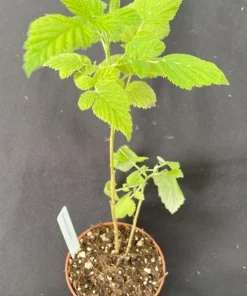
Mysore Raspberry Live Plant – Rubus niveus – Sweet Black Raspberry – 3 inch Pot – Zone 8-10
Original price was: $59.99.$39.99Current price is: $39.99.
Bring home a vibrant Mysore Raspberry live plant (Rubus niveus) and enjoy fresh, sweet black raspberries. This hardy fruit plant is ideal for USDA Zones 8-10, offering a rich source of Vitamin C. Shipped as a well-rooted plant in a 3-inch pot, ready for planting.
Estimated arrival
Sep 22
Sep 27 - Sep 29
Oct 02 - Oct 06
Shop With Confidence
30-Day Plant Health Guarantee
Arrives damaged? We’ll replace it free — see our return policy.
Responsive Support
Email us anytime, we reply within 1 business day.
Expert Packaging
Temperature-controlled shipping to protect your plants in transit.
Secure Checkout
Pay safely with Visa, Mastercard, PayPal.
Plant Specifications
-
USDA Hardiness Zone
8-10 -
Soil Type
Well-draining, fertile loam -
Sunlight Exposure
Full sun (6-8 hours daily) -
Expected Planting Period
Spring to early summer
Overview
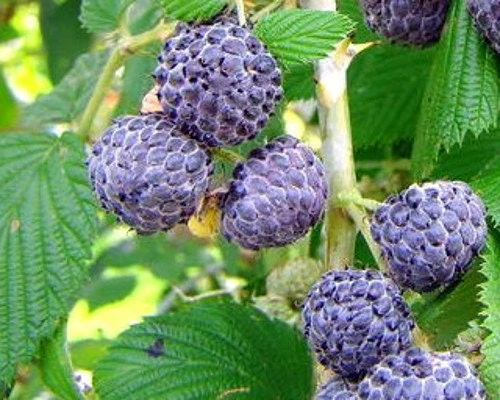
Cultivate your own delicious and nutritious berries with this vibrant Mysore Raspberry live plant (Rubus niveus). Also known as the Ceylon Raspberry or Black Himalayan Raspberry, this unique fruit-bearing shrub is celebrated for its sweet, juicy black berries, which are packed with Vitamin C and protein. Native to tropical and subtropical regions of Asia, the Rubus niveus plant thrives in warm climates and can be a rewarding addition to any garden in USDA Zones 8-10. Our plants are carefully grown and shipped in 3-inch pots, ensuring they arrive healthy and ready to establish in your landscape. Whether you’re an experienced gardener or just starting your edible garden, the Mysore Raspberry live plant offers a delightful and productive experience.
The Mysore Raspberry live plant is a fast-growing, evergreen to semi-evergreen shrub, producing an abundance of delectable fruit. Its vigorous growth and attractive foliage make it not only a source of food but also an interesting ornamental plant. These particular berries are known for their deep black color and intense sweetness, making them perfect for fresh eating, jams, jellies, or desserts. The plant’s adaptability to various soil conditions, combined with its relatively low maintenance needs, makes it an excellent choice for a productive home garden. Experience the joy of harvesting your own exotic berries with this exceptional Rubus niveus plant.
Key Benefits
Adding a Mysore Raspberry live plant to your garden provides numerous advantages, from delicious harvests to ecological benefits. These plants are not only productive but also contribute to a healthy garden ecosystem. Here are some of the key benefits:
- Abundant Sweet Berries: Enjoy a prolific harvest of sweet, flavorful black raspberries that are perfect for fresh consumption, baking, or preserving. The Mysore Raspberry live plant is known for its high yield once established.
- Rich in Nutrients: The berries are an excellent source of Vitamin C and also contain protein, contributing to a healthy diet directly from your garden.
- Hardy & Adaptable: This plant is well-suited for USDA Zones 8-10, demonstrating good resilience to various conditions within its preferred climate range. It’s a robust choice for a subtropical fruit.
- Attractive Garden Addition: Beyond its fruit, the Mysore Raspberry has an appealing growth habit and foliage, making it a visually interesting component of your garden or edible landscape.
- Supports Pollinators: The flowers of the Rubus niveus plant attract bees and other beneficial pollinators, enhancing the biodiversity and health of your garden.
- Vigorous Growth: Known for its rapid growth, this plant quickly establishes itself, allowing you to enjoy harvests sooner than many other fruit plants.
- Versatile Culinary Use: The unique flavor of these black raspberries makes them incredibly versatile, suitable for everything from fresh snacks to gourmet desserts and homemade preserves. Learning about Mysore raspberry care ensures a healthy, productive plant.
Plant Care & Growing Tips
Proper care is essential for a thriving Mysore Raspberry live plant. These robust plants are relatively easy to grow, especially when provided with the right conditions. They prefer a location with ample sunlight to ensure optimal fruit production and healthy growth. Aim for at least 6-8 hours of direct sunlight per day. In very hot climates, some afternoon shade can be beneficial to prevent scorching, but too much shade will reduce berry yield. Ensure your planting site has good air circulation to minimize fungal issues.
When it comes to watering, the Rubus niveus plant prefers consistently moist, but not waterlogged, soil. Water deeply, especially during dry spells and when the plant is fruiting. Established plants show some drought tolerance, but regular watering will result in better yields. For soil, a well-draining, fertile loam is ideal. It can tolerate a range of soil types, but heavy clay soils should be amended with organic matter to improve drainage. Maintaining the correct pH, ideally between 5.5 and 7.0, will help with nutrient uptake. Fertilize in early spring with a balanced slow-release fertilizer or an organic compost to support vigorous growth and fruit development. Pruning is key for maintaining plant health and productivity; remove dead or weak canes, and thin out overcrowded areas after fruiting. Understanding Mysore raspberry care is crucial for a bountiful harvest.
The Mysore Raspberry live plant is suitable for USDA Zones 8-10. In zone 8, it may experience some dieback during colder winters but generally recovers from the roots. In warmer zones 9 and 10, it behaves more like an evergreen. Protect young plants from frost if unexpected cold snaps occur. Watch out for common pests like aphids or spider mites, which can usually be managed with organic insecticidal soaps. Adequate spacing and good air circulation help prevent fungal diseases. With proper attention to sunlight, water, and soil, your zone 8-10 raspberry will flourish.
Size & Details
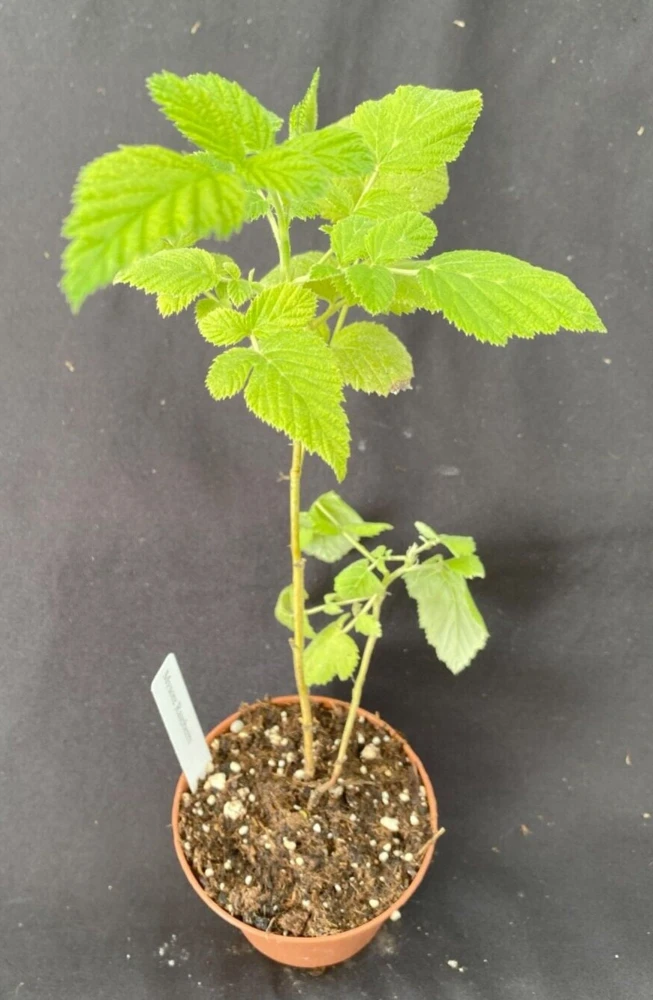
This offering is for one Mysore Raspberry live plant, shipped as a well-rooted specimen in a 3-inch nursery pot. Upon arrival, the plant will be a healthy young start, ready for transplanting into a larger container or directly into your garden. The initial height will vary but typically ranges from 6 to 12 inches, depending on growth stage and pruning. Once established, the Mysore Raspberry is a vigorous grower, capable of reaching heights of 6 to 10 feet with a similar spread if left unpruned. Its growth rate is fast, often producing fruit within 1-2 years of planting.
The plant is categorized as an evergreen to semi-evergreen shrub, meaning it retains its leaves year-round in warmer climates (Zone 9-10) and may drop some foliage in cooler parts of its hardiness range (Zone 8). The canes are thorny, a characteristic of many raspberry varieties. Expect the plant to bloom with small white to pinkish flowers, followed by the development of the characteristic sweet black raspberries. With good Mysore raspberry care, you can look forward to a rewarding harvest season.
Frequently Asked Questions
- Q: How big does this Mysore Raspberry live plant get? A: Once mature, the Mysore Raspberry can grow quite large, typically reaching heights of 6 to 10 feet and spreading similarly. Regular pruning can help manage its size and encourage more fruit production.
- Q: What size pot does it come in? A: Your Rubus niveus plant will arrive as a healthy, rooted plant shipped in a 3-inch nursery pot, ready for transplanting into a larger container or directly into your garden bed.
- Q: Is this an indoor or outdoor plant? A: The Mysore Raspberry live plant is primarily an outdoor plant, suited for garden beds in USDA Zones 8-10. While it can be grown in large containers, it needs outdoor conditions for optimal growth and fruiting.
- Q: How much sunlight does it need? A: This plant thrives in full sun, requiring at least 6-8 hours of direct sunlight per day. In very hot climates, a little afternoon shade can be beneficial, but too much shade will reduce berry yield.
- Q: Is this plant easy to care for? A: Yes, the Mysore Raspberry is considered relatively easy to care for, especially within its ideal hardiness zones. Basic Mysore raspberry care involves consistent watering, good drainage, and occasional pruning.
- Q: What condition will it arrive in? A: Your plant will be shipped from our nursery in a 3-inch pot, well-rooted and healthy, ready for successful transplanting into its new home.
- Q: When is the best time to plant a zone 8-10 raspberry? A: The best time to plant is in spring or early summer after the danger of the last frost has passed. This gives the plant ample time to establish before the heat of summer or the cold of winter.
- Q: Will it survive winter in my zone? A: The Mysore Raspberry is hardy in USDA Zones 8-10. In Zone 8, it may die back to the ground in winter but typically regrows in spring. In Zones 9 and 10, it’s usually evergreen.
- Q: Can I grow this plant in a container? A: Yes, you can grow the Rubus niveus plant in a large container (at least 15-20 gallons) if you provide adequate support and ensure good drainage. Container-grown plants may require more frequent watering and feeding.
- Q: How long until it produces fruit? A: With good Mysore raspberry care, your plant can start producing fruit within 1-2 years of planting, with more significant yields as it matures.
Be the first to review “Mysore Raspberry Live Plant – Rubus niveus – Sweet Black Raspberry – 3 inch Pot – Zone 8-10”
People Also Viewed
Reviews
There are no reviews yet.