
Honeysuckle Vine Lonicera ‘Major Wheeler’ Live Plant – 8-14 Inch Starter
Original price was: $56.99.$26.99Current price is: $26.99.
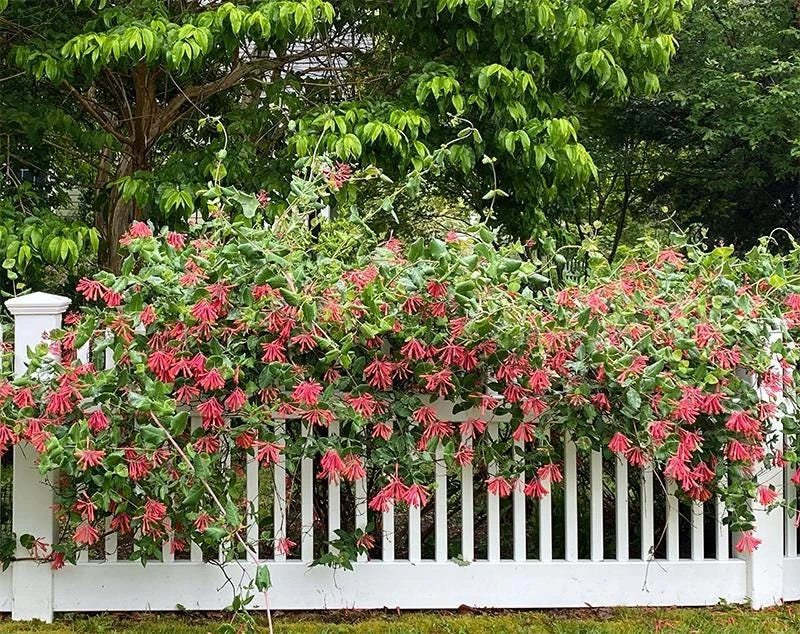
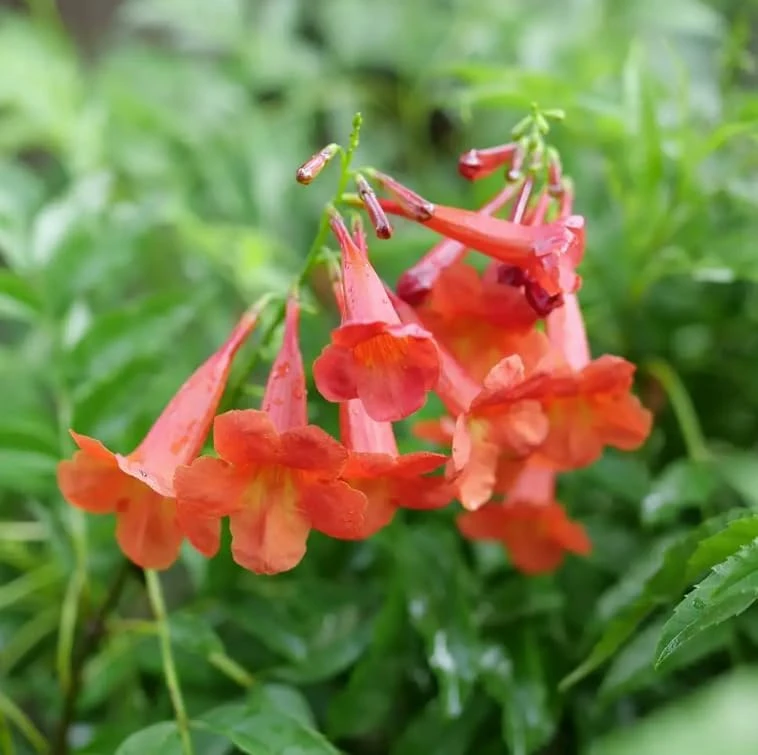
Bring vibrant color and life to your garden with the honeysuckle live plant, Lonicera ‘Major Wheeler’. This vigorous climbing vine boasts clusters of striking red tubular flowers throughout the growing season, a favorite of hummingbirds and butterflies. Perfect for trellises, fences, or arbors, it adds a touch of natural beauty and charm to any outdoor space.
Estimated arrival
Nov 07
Nov 12 - Nov 14
Nov 17 - Nov 21
Shop With Confidence
30-Day Plant Health Guarantee
Arrives damaged? We’ll replace it free — see our return policy.
Responsive Support
Email us anytime, we reply within 1 business day.
Expert Packaging
Temperature-controlled shipping to protect your plants in transit.
Secure Checkout
Pay safely with Visa, Mastercard, PayPal.
Plant Specifications
-
USDA Hardiness Zone
USDA Zones 4-9 -
Soil Type
Well-draining soil -
Sunlight Exposure
Full sun to light shade -
Expected Planting Period
Spring to early summer
Overview
Transform your garden into a vibrant sanctuary with the honeysuckle live plant, Lonicera ‘Major Wheeler’. This exceptional climbing vine is renowned for its vigorous growth and stunning floral display, making it a perfect choice for gardeners seeking both beauty and ecological benefit. Lonicera ‘Major Wheeler’ is a specific cultivar of honeysuckle, celebrated for its prolific clusters of bright red, tubular flowers that emerge throughout the growing season. These eye-catching blooms not only provide a spectacular visual treat but also serve as an irresistible beacon for local wildlife, particularly hummingbirds and butterflies, which are drawn to its nectar-rich blossoms. Whether you’re looking to adorn a trellis, cover a fence, or create a natural privacy screen, this honeysuckle variety offers a fast-growing and low-maintenance solution. It’s a robust and adaptable plant, thriving in a range of conditions and providing continuous interest from spring through fall.
The charm of the Lonicera Major Wheeler extends beyond its aesthetic appeal. It’s a resilient plant that can quickly establish itself, offering lush foliage and a continuous show of flowers. Its easy-care nature makes it suitable for both novice and experienced gardeners. Imagine your garden buzzing with activity as hummingbirds dart among the brilliant red blooms, adding a dynamic and joyful element to your outdoor living space. This starter plant, typically 8-14 inches, is well-rooted and ready to establish quickly, promising a rewarding gardening experience and a spectacular display in seasons to come.
Key Benefits
The honeysuckle live plant, Lonicera ‘Major Wheeler’, offers a multitude of benefits that make it a standout choice for any garden. From its captivating beauty to its ecological contributions, this vine is a true garden asset:
- Attracts Pollinators: The vibrant red, tubular flowers are a magnet for hummingbirds and butterflies, bringing lively activity and essential pollination to your garden. Enjoy watching these fascinating creatures up close.
- Vigorous Climbing Growth: This climbing vine plant quickly covers structures like trellises, arbors, and fences, providing beautiful vertical interest, privacy, and shade. Its robust nature ensures rapid establishment and coverage.
- Prolific & Long-Lasting Blooms: ‘Major Wheeler’ is known for its abundant clusters of red honeysuckle flowers that appear continuously from late spring through summer, offering an extended period of vibrant color.
- Low Maintenance & Adaptable: Once established, this honeysuckle is relatively easy to care for, requiring minimal attention. It tolerates a range of soil conditions and light exposures, making it a versatile choice for various garden settings.
- Hardy & Resilient: Suitable for USDA Zones 4-9, this plant is cold-hardy and can withstand diverse climates, ensuring a reliable performance year after year. It’s a dependable addition to many landscapes.
- Adds Garden Structure & Beauty: Beyond its flowers, the lush foliage of the honeysuckle provides a beautiful green backdrop, enhancing the overall aesthetic and structure of your garden.
- Natural Privacy Screen: Its dense growth habit makes it an excellent choice for creating natural screens, offering privacy and softening harsh architectural lines.
Plant Care & Growing Tips
Caring for your honeysuckle live plant, Lonicera ‘Major Wheeler’, is relatively straightforward, ensuring a rewarding experience and a stunning display of red honeysuckle flowers. This vigorous vine thrives with proper attention to its basic needs, allowing it to flourish and attract beautiful pollinators to your garden.
For optimal growth and abundant blooms, plant your Lonicera ‘Major Wheeler’ in a location that receives full sun to light shade. Full sun (at least 6 hours of direct sunlight daily) will encourage the most prolific flowering, while light afternoon shade can be beneficial in hotter climates to prevent leaf scorch. Ensure the soil is well-drained; honeysuckle does not like to sit in soggy conditions. A good quality, well-draining garden soil enriched with organic matter will provide the ideal environment. When planting, dig a hole twice as wide as the root ball and just as deep. Gently loosen the roots before placing the plant in the hole, then backfill with soil and water thoroughly.
Watering should be consistent, especially during the first growing season to help establish a strong root system. Once established, this climbing vine plant is moderately drought-tolerant but will perform best with regular watering during dry spells. Allow the top inch or two of soil to dry out between waterings. Fertilization is generally not heavily required, but an annual application of a balanced, slow-release fertilizer in early spring can boost growth and flowering. Pruning is best done after flowering to maintain shape, control size, and encourage new growth. Remove any dead, damaged, or crossing branches. Lonicera ‘Major Wheeler’ is hardy in USDA Zones 4-9, making it a versatile choice for many regions. In colder zones, the plant may experience some dieback in winter, but it typically recovers vigorously in spring. Watch for common pests like aphids, and treat with insecticidal soap if necessary. With these simple care tips, your hummingbird plant will thrive and provide years of enjoyment.
Size & Details
The honeysuckle live plant, Lonicera ‘Major Wheeler’, offered here is a healthy starter plant, typically measuring approximately 8-14 inches in height. It arrives well-rooted in a 2 1/2 x 3 1/2 inch pot, ready for transplanting into your garden. This size allows for easy handling and quick establishment once planted in its permanent location. As a vigorous climbing vine plant, Lonicera ‘Major Wheeler’ exhibits a fast growth rate, quickly covering trellises, arbors, and fences to provide a dense display of foliage and flowers. While initial growth may focus on root development, you can expect noticeable shoot growth within the first year.
Once mature, this honeysuckle can reach impressive lengths, often growing 10-20 feet or more, depending on growing conditions and support. Its spread will depend on the structure it is climbing, but it can create a dense screen. The plant will begin producing its signature red honeysuckle flowers during its first or second growing season, with blooming continuing throughout the warm months. It’s a deciduous vine, meaning it will lose its leaves in colder months, entering a dormant state before re-leafing and blooming again in spring. This natural cycle ensures its hardiness and prepares it for another season of vibrant growth and attraction for hummingbirds and butterflies.
Frequently Asked Questions
- Q: How big does this honeysuckle live plant get? A: This particular Lonicera ‘Major Wheeler’ is a starter plant, approximately 8-14 inches tall upon arrival. Once established, it is a vigorous climbing vine that can reach lengths of 10-20 feet or more, depending on growing conditions and available support structures.
- Q: Is this an indoor or outdoor plant? A: The honeysuckle live plant, Lonicera ‘Major Wheeler’, is primarily an outdoor plant. It thrives in garden settings, suitable for climbing trellises, fences, and arbors, and is hardy in USDA Zones 4-9.
- Q: How much sunlight does it need? A: For the best flowering performance, this climbing vine plant requires full sun, meaning at least 6 hours of direct sunlight per day. It can tolerate light shade, especially in very hot climates, but flowering may be less prolific.
- Q: Is this plant easy to care for? A: Yes, Lonicera ‘Major Wheeler’ is considered relatively easy to care for. It’s a robust and adaptable vine that, once established, requires moderate watering and occasional pruning to maintain its shape and encourage blooming.
- Q: What condition will it arrive in? A: Your honeysuckle plant will arrive as a well-rooted starter plant in a 2 1/2 x 3 1/2 inch pot. It is carefully packaged to ensure it reaches you in good health and ready for planting.
- Q: How long until it blooms? A: This hummingbird plant typically begins to produce its vibrant red honeysuckle flowers during its first or second growing season after planting, with blooms continuing throughout the warm months.
- Q: Will it survive winter in my zone? A: Lonicera ‘Major Wheeler’ is hardy in USDA Zones 4-9. In these zones, it will survive winter, though it is deciduous and will lose its leaves before returning with new growth and blooms in spring.
- Q: What type of soil does this honeysuckle prefer? A: This honeysuckle thrives in well-draining soil. It is adaptable to various soil types but performs best in garden soil enriched with organic matter to ensure good drainage and nutrient availability.
- Q: Is this honeysuckle plant attractive to hummingbirds? A: Absolutely! The red tubular flowers of the Lonicera Major Wheeler are specifically known for attracting hummingbirds and butterflies, making it an excellent choice for a pollinator garden.
- Q: When is the best time to plant this vine? A: The ideal time to plant your honeysuckle live plant is in spring or early fall, allowing the plant sufficient time to establish its root system before extreme summer heat or winter cold.
Be the first to review “Honeysuckle Vine Lonicera ‘Major Wheeler’ Live Plant – 8-14 Inch Starter”
People Also Viewed




Shrubs
Sarah Sands Lilac Live Plant – Syringa vulgaris ‘Sarah Sands’ – 14+ Inches Tall – Outdoor Shrub
Reviews
There are no reviews yet.