


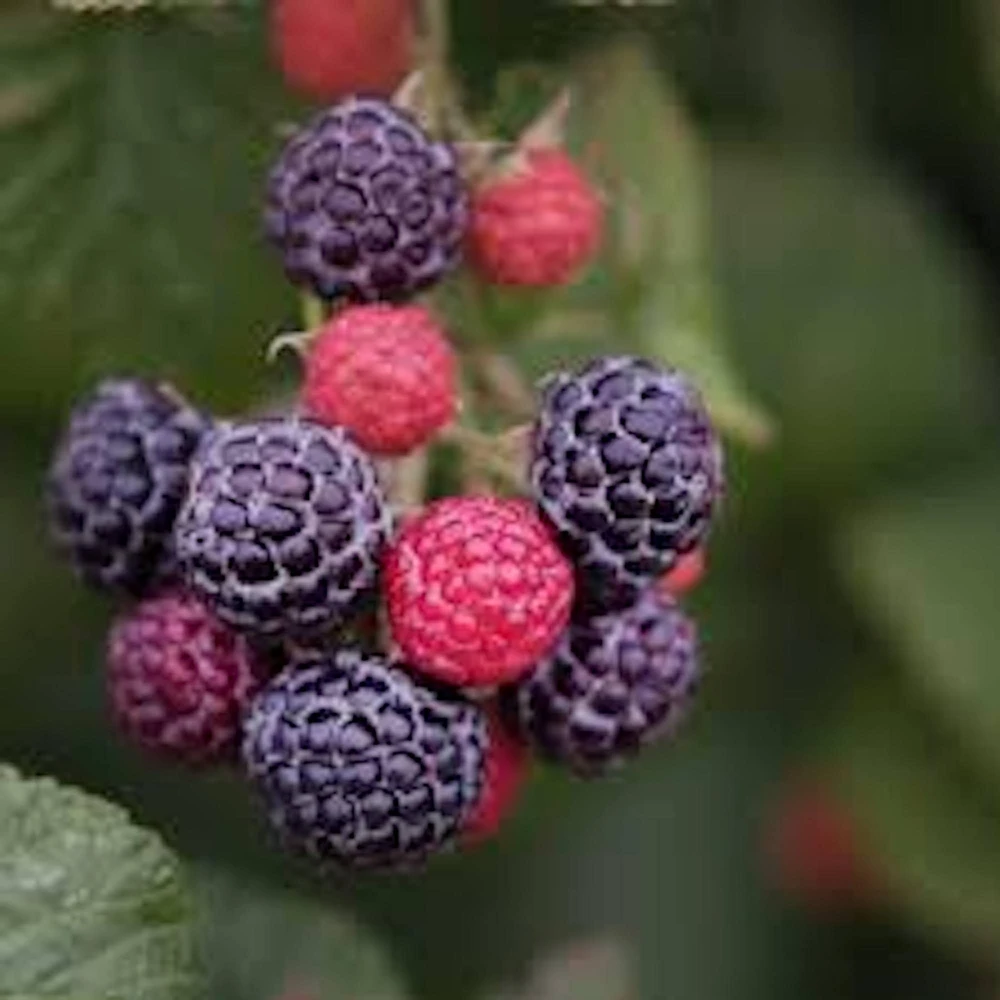
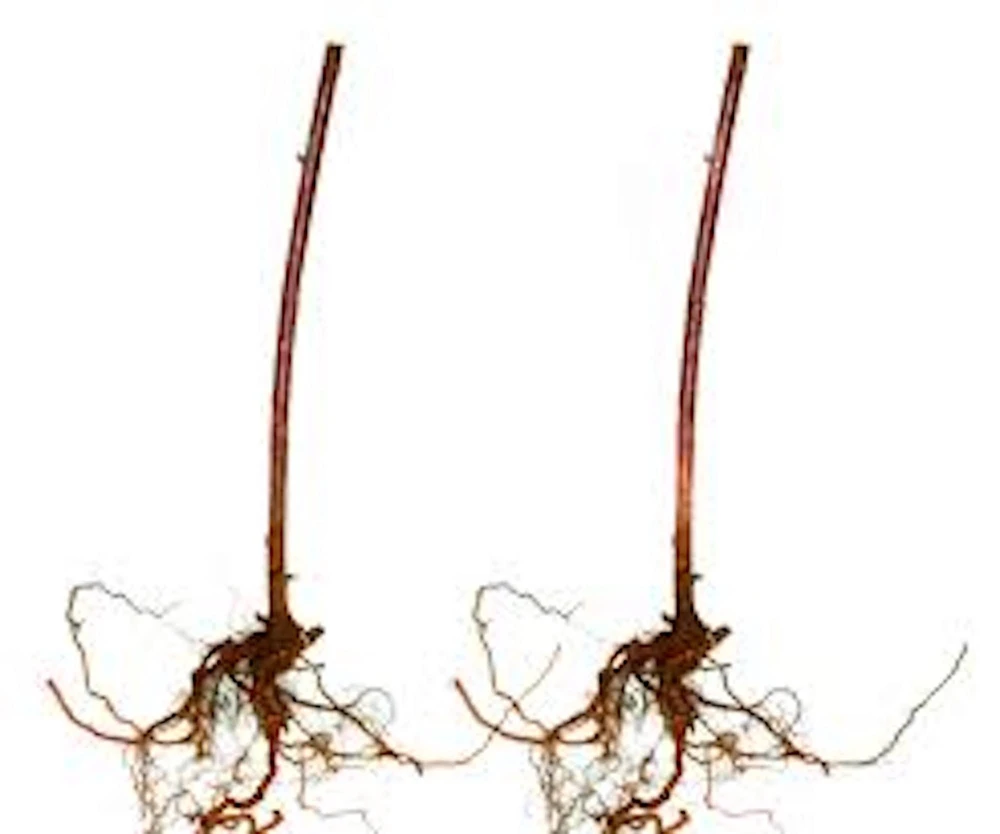
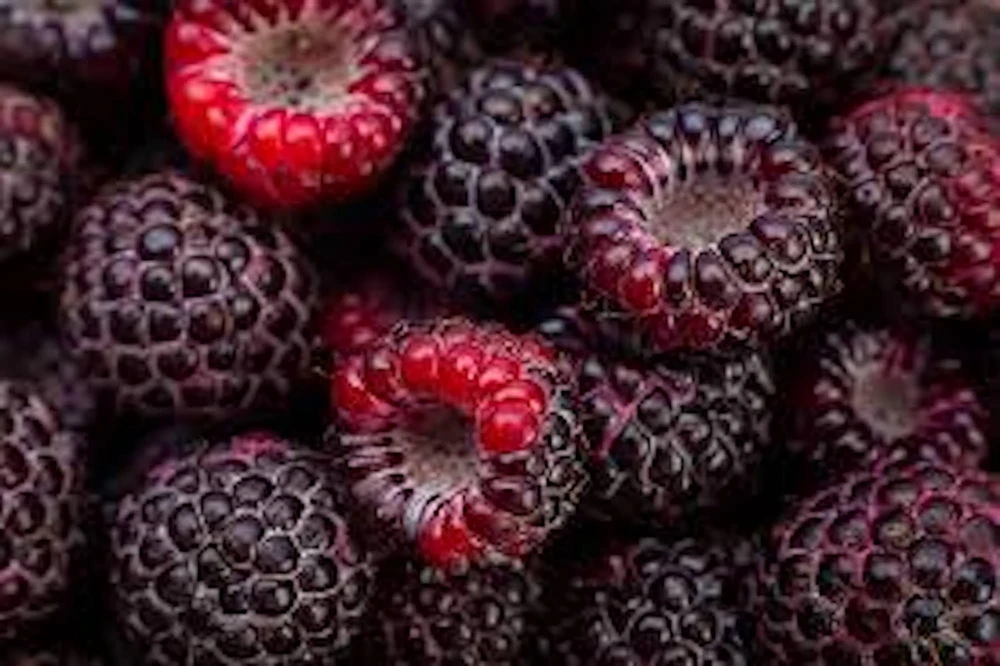
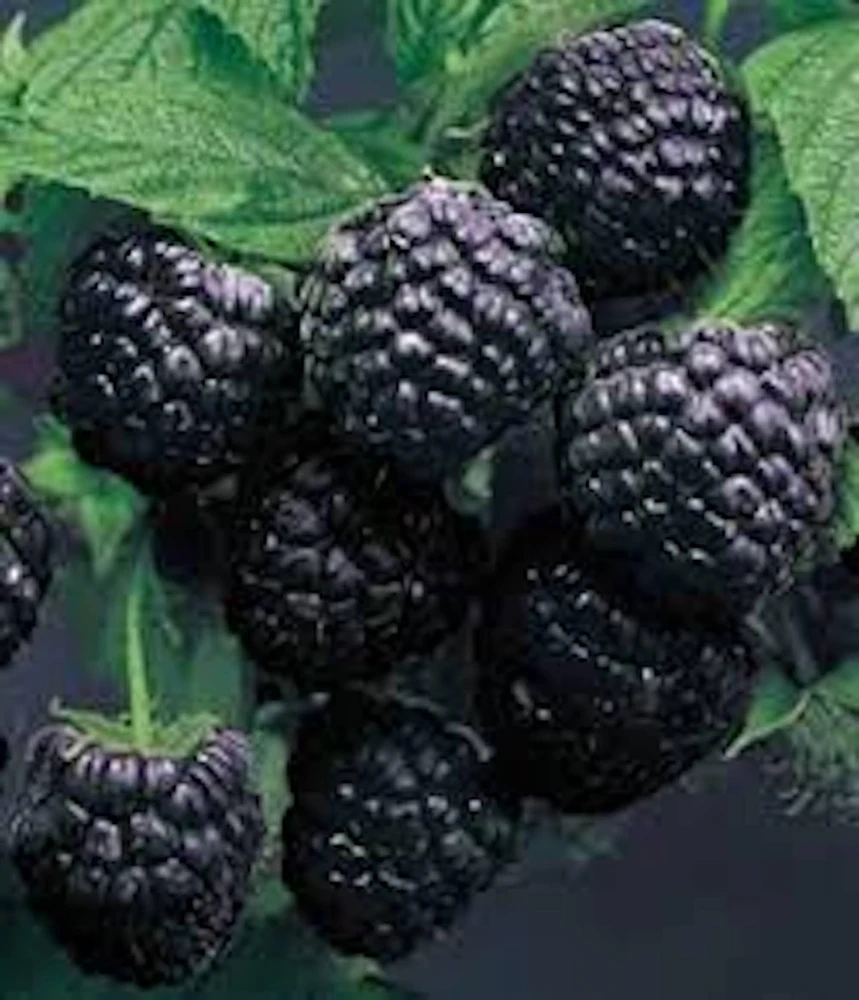
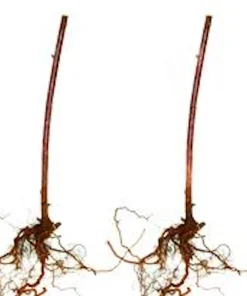
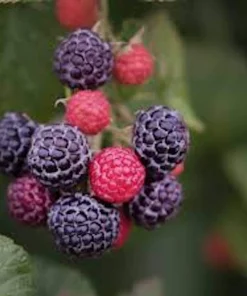
Cumberland Black Raspberry Live Plants – 3 Pack, 2 Year Old Fruit Plant
Original price was: $91.99.$66.99Current price is: $66.99.
Cultivate your own flavorful berries with this cumberland black raspberry plants 3-pack. These 2-year-old rubus occidentalis live plant specimens are known for their intense sweet-tart flavor and excellent disease resistance. Perfect for fresh eating, preserves, and baking.
Estimated arrival
Sep 29
Oct 04 - Oct 06
Oct 09 - Oct 13
Shop With Confidence
30-Day Plant Health Guarantee
Arrives damaged? We’ll replace it free — see our return policy.
Responsive Support
Email us anytime, we reply within 1 business day.
Expert Packaging
Temperature-controlled shipping to protect your plants in transit.
Secure Checkout
Pay safely with Visa, Mastercard, PayPal.
Plant Specifications
-
USDA Hardiness Zone
USDA zones 4 to 8 -
Soil Type
Well-draining, slightly acidic soil -
Sunlight Exposure
Full sun -
Expected Planting Period
Early spring or fall
Overview
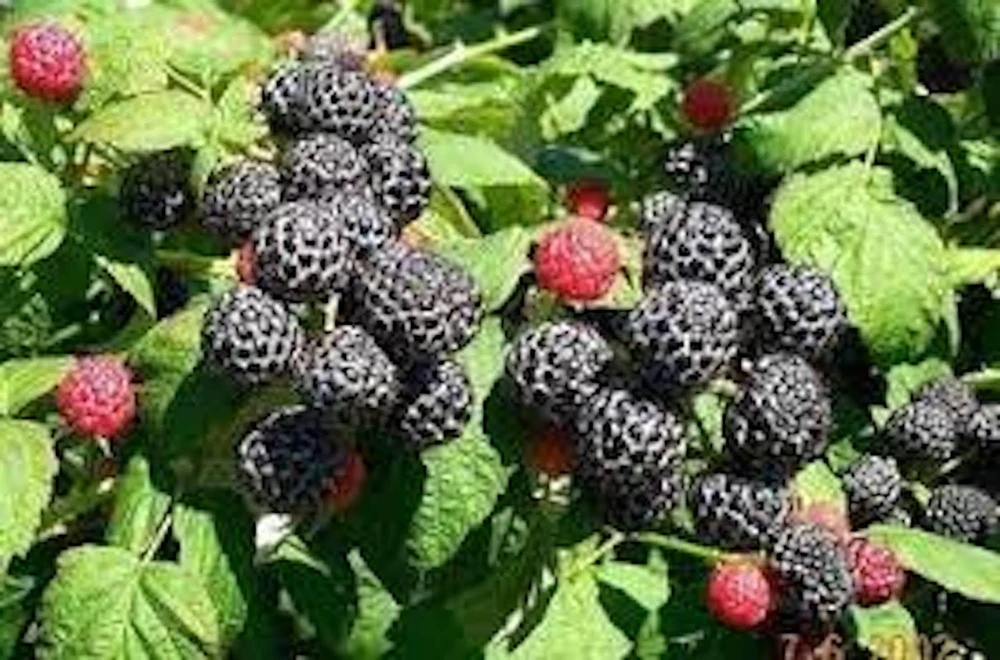
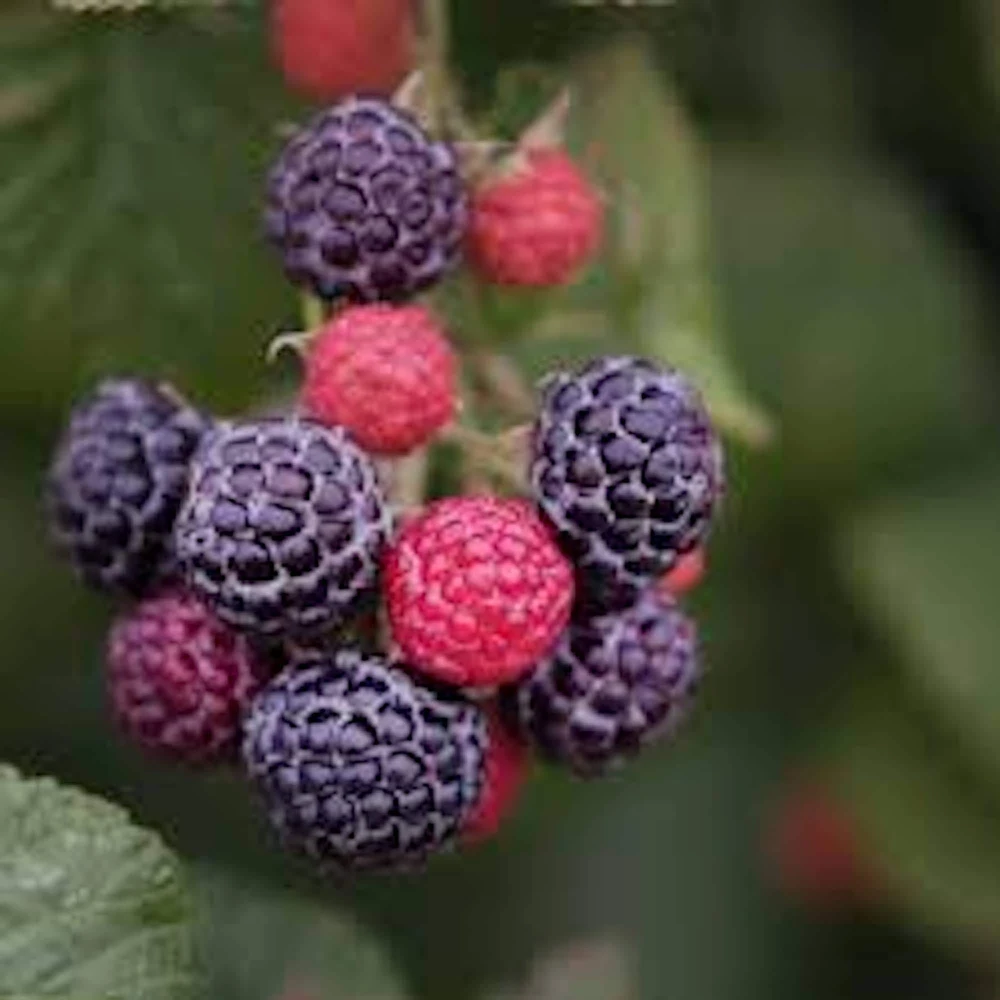
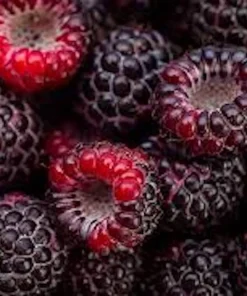
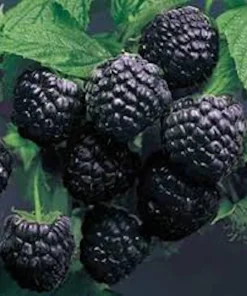
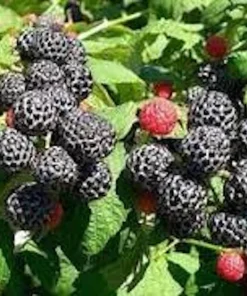
Introduce the delightful flavor of homegrown berries to your garden with our cumberland black raspberry plants. This offering includes three robust 2-year-old live plants of the Rubus occidentalis species, specifically the esteemed Cumberland variety. Known for its distinctive dark purple-black color and an intense sweet-tart flavor, the Cumberland Black Raspberry is a favorite among gardeners and culinary enthusiasts alike. These medium-sized berries are incredibly juicy and aromatic, making them perfect for fresh consumption, crafting delicious preserves, or incorporating into various baked goods. As a vigorous rubus occidentalis live plant, it promises a bountiful harvest and adds a beautiful, productive element to any outdoor space.
The Cumberland Black Raspberry is celebrated not only for its delicious fruit but also for its hardiness and adaptability. These plants thrive across a wide range of climates, generally performing well in USDA zones 4 to 8. Their robust nature makes them an excellent choice for both experienced gardeners and those new to growing fruit. With proper care, these plants will establish quickly and begin producing their delectable berries, allowing you to enjoy fresh, organic raspberries straight from your garden.
Key Benefits
Growing cumberland black raspberry plants offers a multitude of rewards, from the joy of harvesting your own fruit to the aesthetic appeal they add to your landscape. These plants are a fantastic addition for anyone looking to enhance their garden’s productivity and beauty.
- Delicious, Versatile Fruit: Enjoy a consistent supply of medium-sized, juicy black raspberries with a perfect balance of sweetness and acidity. These berries are excellent for fresh eating, making jams, jellies, pies, or adding to smoothies and desserts. The rich flavor of home-grown berries far surpasses store-bought alternatives.
- Exceptional Disease Resistance: The Cumberland variety is particularly noted for being a disease resistant raspberry, especially against common fungal issues like anthracnose. This resilience reduces the need for chemical treatments and simplifies maintenance, ensuring healthier plants and a more reliable yield.
- Hardy & Adaptable Growth: These black raspberry fruit plant specimens are incredibly hardy, thriving in a broad range of climates within USDA zones 4 to 8. This adaptability makes them suitable for many different gardening environments across the United States, providing a reliable source of fruit.
- Vigorous Cane Production: The plants produce vigorous canes that, with proper support, lead to abundant fruiting. This strong growth habit ensures a healthy and productive plant for many years, yielding plenty of berries for your family.
- Pollinator Friendly: Raspberry plants attract beneficial pollinators to your garden, enhancing biodiversity and contributing to the health of your local ecosystem. Watching bees and other insects visit the flowers is an added delight for any gardener.
- Fresh, Organic Produce: By choosing to grow black raspberries at home, you ensure access to fresh, organic fruit free from pesticides and other chemicals often found in commercially grown produce. This provides peace of mind and superior taste.
Plant Care & Growing Tips
Caring for your cumberland black raspberry plants is a rewarding experience that ensures a bountiful harvest. These plants prefer a location that receives full sun, meaning at least 6-8 hours of direct sunlight per day. Adequate sunlight is crucial for fruit production and overall plant health. They are quite adaptable but perform best in well-draining, slightly acidic soil with a pH between 6.0 and 6.8. Amending heavy clay soils with organic matter like compost can significantly improve drainage and fertility.
Consistent watering is essential, especially during dry periods and when the fruit is developing. Aim for about 1 inch of water per week, either from rainfall or irrigation. Avoid overhead watering if possible, as wet foliage can encourage fungal diseases. Fertilize in early spring with a balanced granular fertilizer or compost. Pruning is vital for black raspberries; they produce fruit on second-year canes (floricanes). In late winter or early spring, remove all dead, damaged, or weak canes. After harvest, prune out all canes that have fruited, as they will not produce again. The vigorous canes of this rubus occidentalis live plant will benefit greatly from a trellis or other support structure to keep them off the ground and improve air circulation, further contributing to a disease resistant raspberry crop.
Protecting your plants during winter can be beneficial in colder zones. Mulching around the base can help insulate the roots. While the Cumberland is a disease resistant raspberry, keeping an eye out for pests like Japanese beetles or cane borers is always a good practice. Promptly addressing any issues will help ensure a healthy and productive plant. Learning to grow black raspberries successfully is a journey that yields delicious rewards.
Size & Details
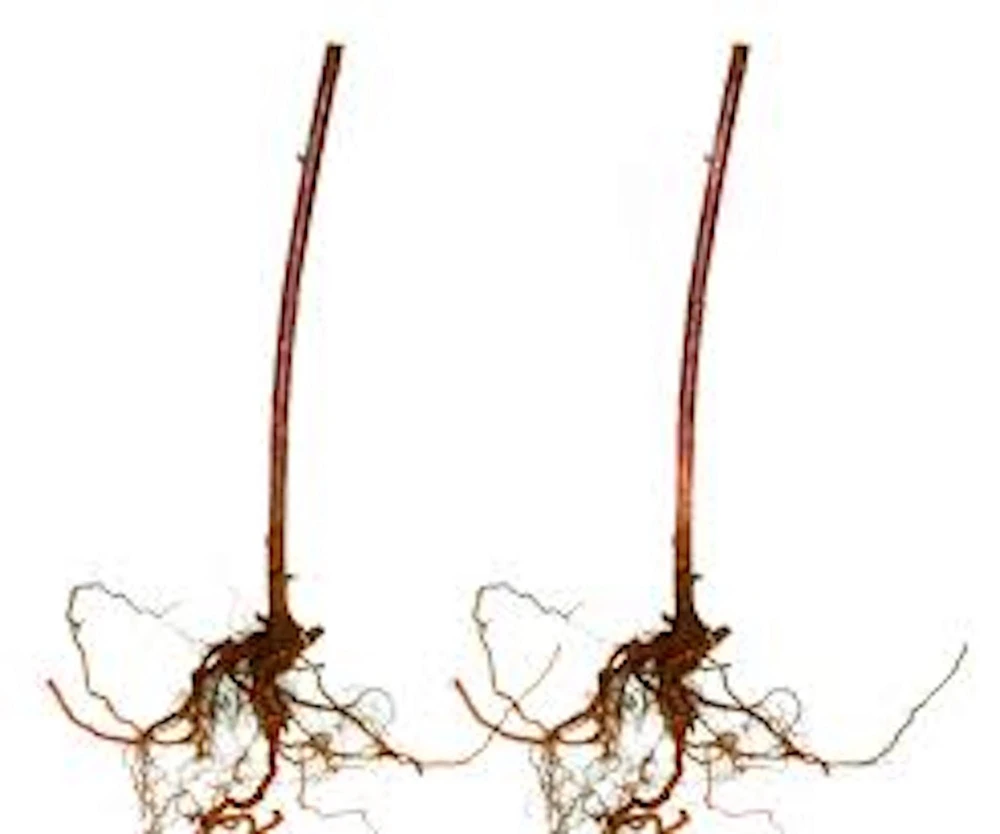
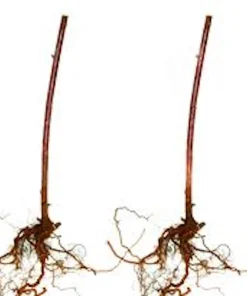
This offering includes three cumberland black raspberry plants, each approximately 2 years old, ensuring they are well-established and ready to thrive in your garden. These plants are typically shipped as bare-root or potted specimens, depending on the season, with well-developed root systems. The exact height at shipping may vary but they are mature enough to establish quickly. Black raspberry canes can grow quite tall, often reaching 5-8 feet in height, requiring support for optimal growth and fruit production. They have a moderate to fast growth rate and will begin producing fruit in their second year after planting.
The berries are typically ready for harvest in mid-summer, offering a continuous supply over several weeks. Expect these black raspberry fruit plant specimens to spread, forming clumps if not managed, providing an expanding source of delicious fruit. With proper care and pruning, these plants will be a productive part of your garden for many years to come.
Frequently Asked Questions
- Q: How big do these Cumberland Black Raspberry plants get? A: These cumberland black raspberry plants are vigorous growers. Their canes can typically reach heights of 5-8 feet, requiring support like a trellis or stakes for best results.
- Q: Is this an indoor or outdoor plant? A: The rubus occidentalis live plant is an outdoor fruit-bearing bush. It is hardy and best suited for growing in a garden or large container outdoors where it can receive ample sunlight.
- Q: How much sunlight does this black raspberry plant need? A: To produce the best fruit, these plants need full sun, meaning at least 6 to 8 hours of direct sunlight per day. More sun generally leads to more and sweeter berries.
- Q: Is this plant easy to care for? Is it good for beginners? A: Black raspberry plants are relatively easy to care for, especially the disease resistant raspberry Cumberland variety. They are a good choice for beginners who are willing to learn basic pruning techniques and provide consistent watering.
- Q: What condition will the plants arrive in? A: The black raspberry fruit plant will arrive as 2-year-old, healthy specimens, either bare-root or potted, ready for planting. We ensure they are carefully packaged to withstand transit.
- Q: When is the best time to plant Cumberland Black Raspberries? A: The best time to grow black raspberries is typically in early spring after the last frost, or in the fall before the ground freezes, allowing the roots to establish before extreme temperatures.
- Q: Will these plants survive winter in my zone? A: Yes, Cumberland Black Raspberry plants are hardy in USDA zones 4 to 8. They are well-adapted to surviving cold winters within this range.
- Q: How long until I can harvest fruit from these plants? A: Since these are 2-year-old plants, you can expect them to start producing fruit in the first growing season after planting, with a more substantial harvest in subsequent years as they mature.
Be the first to review “Cumberland Black Raspberry Live Plants – 3 Pack, 2 Year Old Fruit Plant”
People Also Viewed

Vegetable Seeds
Organic Italian Eggplant Rosa Bianca Seeds – 50 Count – White & Purple Heirloom Vegetable
Reviews
There are no reviews yet.