
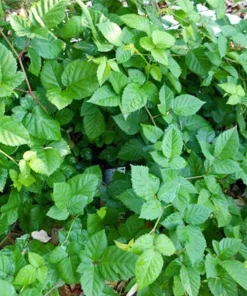
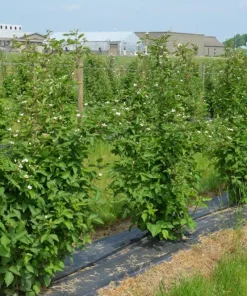
Chester Thornless Blackberry Live Plant – Rubus fruticosus ‘Chester’ – Sweet Berries
Original price was: $69.99.$44.99Current price is: $44.99.
Bring home a Chester Thornless Blackberry plant and enjoy abundant harvests of large, sweet, and firm berries. This vigorous, semi-erect, and highly productive cultivar is renowned for its exceptional winter hardiness and delicious late-season fruit, making it a perfect addition to any garden.
Estimated arrival
Sep 29
Oct 04 - Oct 06
Oct 09 - Oct 13
Shop With Confidence
30-Day Plant Health Guarantee
Arrives damaged? We’ll replace it free — see our return policy.
Responsive Support
Email us anytime, we reply within 1 business day.
Expert Packaging
Temperature-controlled shipping to protect your plants in transit.
Secure Checkout
Pay safely with Visa, Mastercard, PayPal.
Plant Specifications
-
USDA Hardiness Zone
USDA Zones 5-8 -
Soil Type
Well-draining, fertile soil -
Sunlight Exposure
Full sun -
Expected Planting Period
Early spring
Overview
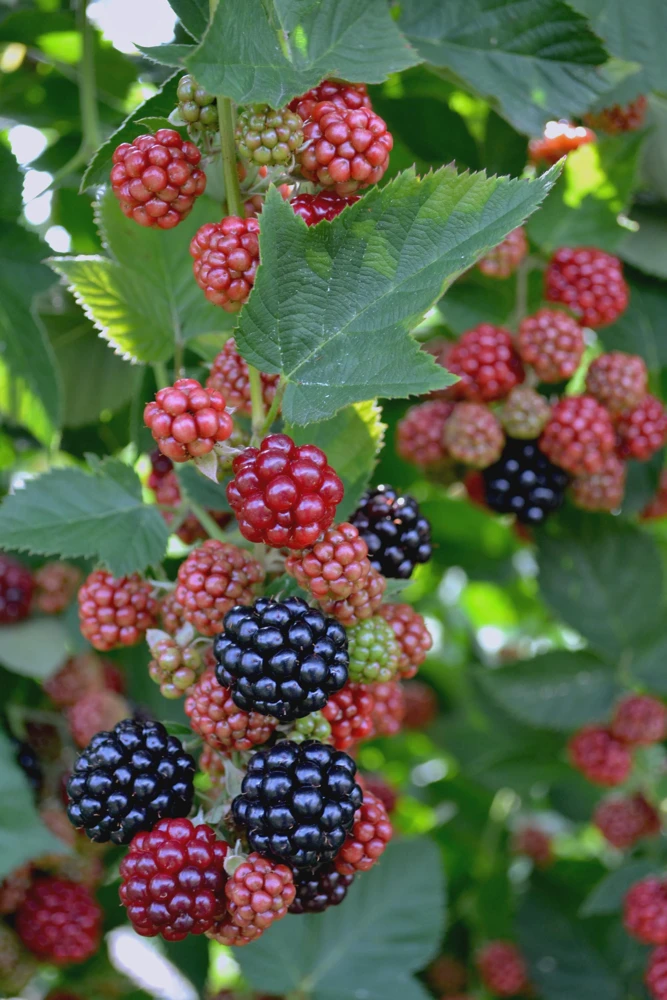
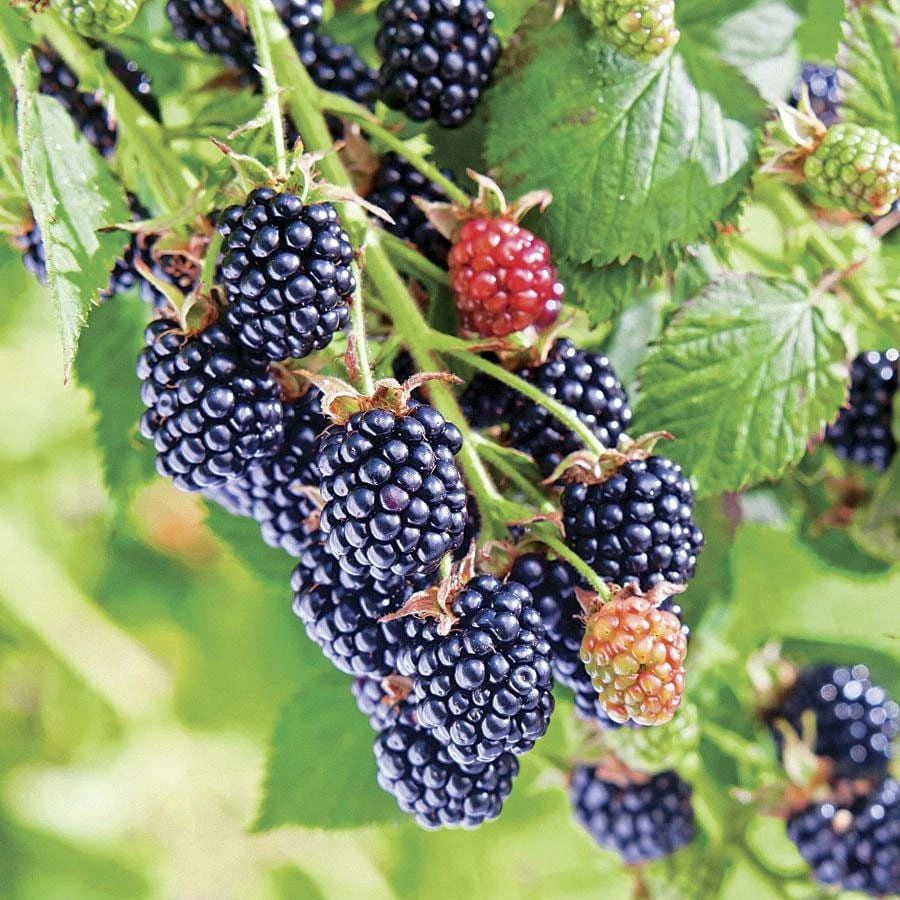
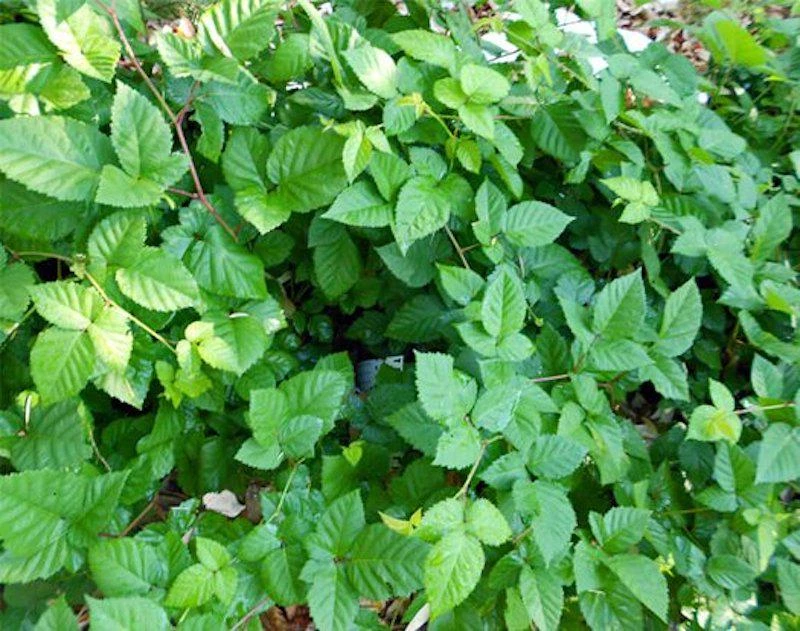
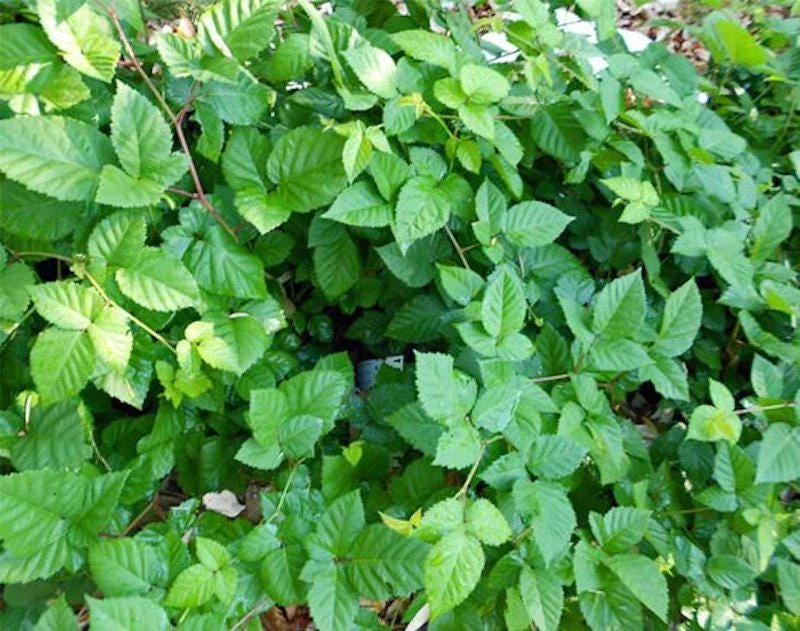
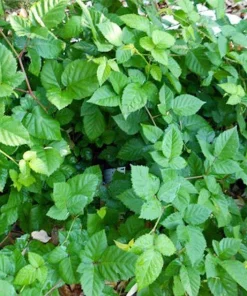
Cultivate your own delicious fruit with the Chester Thornless Blackberry live plant. This exceptional variety, botanically known as Rubus fruticosus ‘Chester’, is a vigorous, semi-erect, and highly productive cultivar celebrated for its remarkable winter hardiness among thornless blackberries. Gardeners and fruit enthusiasts alike cherish the ‘Chester’ for its ability to produce an abundance of large, incredibly sweet berries that are firm and maintain their quality even in hot weather. Whether you’re a seasoned gardener or just starting your fruit-growing journey, this thornless blackberry plant offers a rewarding experience with minimal fuss, providing bountiful harvests of juicy, dark fruit in the late summer season.
The ‘Chester’ blackberry is an excellent choice for home gardens, bringing both ornamental appeal with its lush foliage and the practical benefit of fresh, homegrown fruit. Its thornless nature makes harvesting a pleasure, eliminating the usual pricks and scratches associated with blackberry picking. Plant it along a fence, on a trellis, or as part of an edible landscape to enjoy its beauty and productivity. This Rubus fruticosus Chester variety is a testament to successful horticultural breeding, offering a robust and reliable option for those seeking high-quality, easy-to-manage berry plants.
Key Benefits
The Chester Thornless Blackberry offers numerous advantages that make it a standout choice for any garden. Its unique characteristics contribute to an enjoyable and productive growing experience, ensuring a steady supply of delectable fruit.
- Exceptional Winter Hardiness: As one of the most winter-hardy thornless varieties available, the Chester Thornless Blackberry can withstand colder temperatures, making it suitable for a wider range of climates and ensuring reliable performance year after year.
- Thornless Canes: Enjoy hassle-free harvesting with the ‘Chester’s’ completely thornless canes. This feature makes tending to the plant and picking ripe berries a much more pleasant experience for gardeners of all ages.
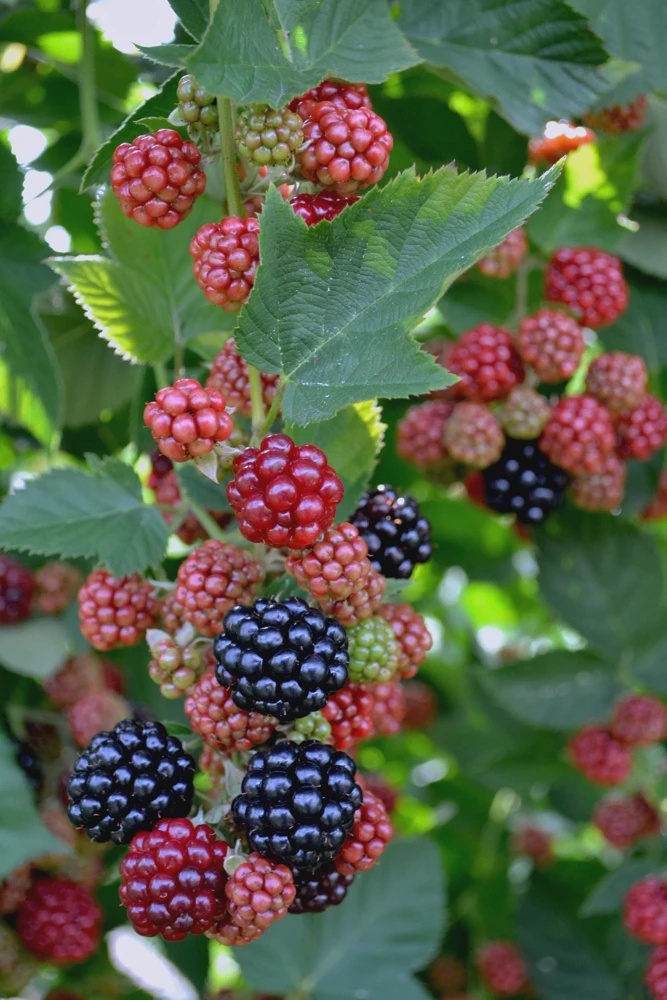
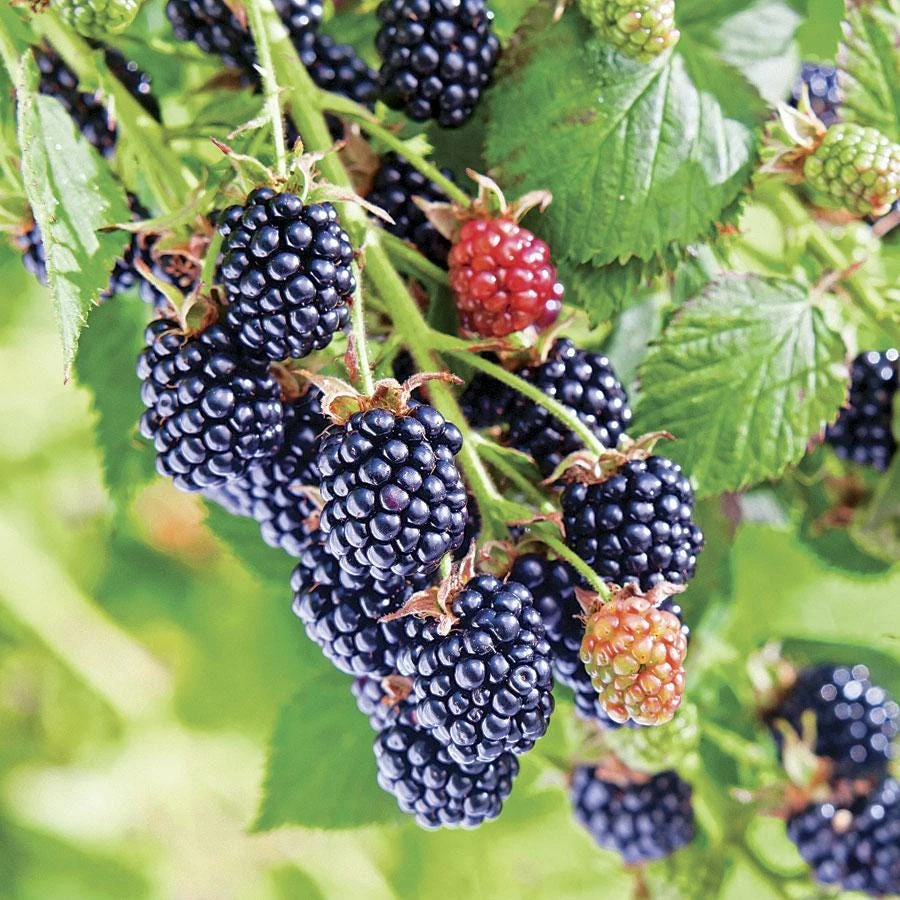
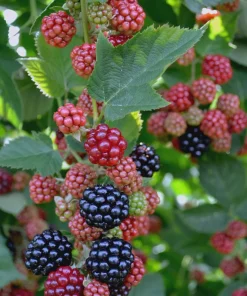
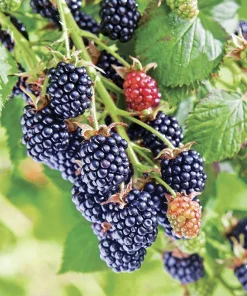
- Abundant, High-Quality Fruit: This cultivar is highly productive, yielding large quantities of sizable, intensely sweet, and firm berries. The fruit’s firmness ensures it holds up well during handling and storage, making it ideal for fresh eating, baking, or preserving.
- Heat Tolerance: The berries maintain their excellent flavor and color even when grown in hot weather, ensuring consistent quality throughout the late summer ripening period. This resilience makes the ‘Chester’ a reliable producer in various summer conditions.
- Vigorous Growth Habit: The ‘Chester’ exhibits vigorous, semi-erect growth, establishing quickly and developing into a robust plant that can support its heavy fruit load. This strong growth contributes to its overall productivity and longevity in the garden.
- Late Season Ripening: Enjoy fresh blackberries in the late season, typically from mid to late summer, extending your berry harvest. This timing allows for a staggered yield if combined with earlier-ripening varieties.
- Versatile Use: The sweet, juicy berries are perfect for eating fresh, making jams, jellies, pies, cobblers, or adding to smoothies and desserts. Growing a sweet blackberry bush provides endless culinary possibilities.
Plant Care & Growing Tips
To ensure your Chester Thornless Blackberry thrives and provides abundant harvests, understanding its specific care requirements is essential. This hardy variety is relatively low-maintenance but benefits greatly from proper attention to light, water, soil, and nutrition. The ‘Chester’ is known for its resilience and vigor, making it a great choice for both novice and experienced gardeners looking for a productive hardy blackberry variety.
Sunlight Requirements: Blackberries, including the Rubus fruticosus Chester, require full sun to produce the best fruit. Aim for at least 6-8 hours of direct sunlight per day. While they can tolerate some partial shade, fruit production and sweetness may be reduced. Choose a location in your garden that receives ample morning sun, which helps to dry dew from the leaves and reduce disease risk. Ensure good air circulation around the plant.
Watering Schedule and Soil Moisture: Consistent moisture is crucial, especially during flowering and fruiting. Water deeply 1-2 times per week, or more frequently during dry spells or hot weather. The goal is to keep the soil consistently moist but not waterlogged. Established plants are somewhat drought-tolerant but will produce better with regular watering. Reduce watering frequency once the dormant season begins. Ensure good drainage to prevent root rot.
Soil Type and Drainage: Blackberries prefer well-draining, fertile soil with a pH between 6.0 and 6.8. Amend heavy clay soils with organic matter like compost, peat moss, or well-rotted manure to improve drainage and fertility. Sandy soils will also benefit from organic amendments to improve water retention. A raised bed can be an excellent option for areas with poor drainage. Providing optimal soil conditions will significantly contribute to the health and productivity of your sweet blackberry bush.
Temperature Range and USDA Hardiness Zone: The Chester Thornless Blackberry is noted for being one of the most winter-hardy thornless varieties, thriving in USDA Zones 5-8. It can tolerate temperatures down to -10°F (-23°C). In colder zones, consider providing winter protection, such as mulching heavily around the base or covering the canes, though its inherent hardiness often makes this unnecessary. In warmer zones, ensure adequate water to help the plant cope with summer heat.
Fertilization: Fertilize your blackberry plant in early spring before new growth begins, and again after harvest. Use a balanced slow-release fertilizer or one formulated for fruit-bearing plants. Avoid excessive nitrogen, which can promote leafy growth at the expense of fruit production. Organic options like composted manure or blood meal can also be beneficial. Always follow product instructions for application rates.
Common Problems and Solutions: Watch out for common blackberry pests like aphids, spider mites, and Japanese beetles, which can be managed with organic insecticides or horticultural oil. Fungal diseases such as anthracnose or rust can occur, especially in humid conditions; good air circulation, proper pruning, and fungicidal sprays can help. Ensure canes are supported to prevent breakage and improve air flow, which naturally reduces disease pressure on your thornless blackberry plant.
Size & Details
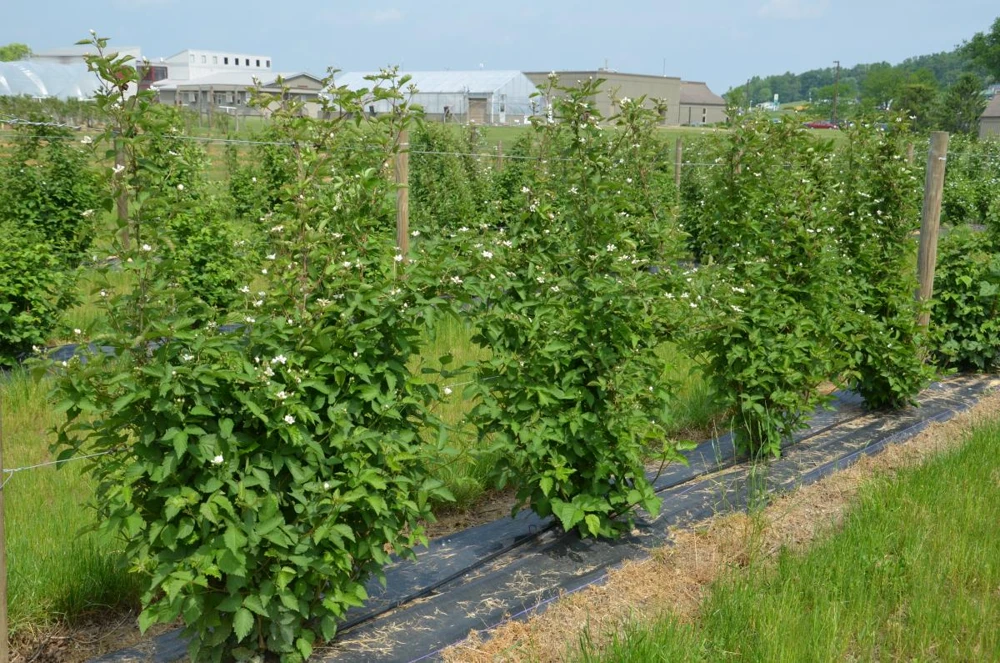
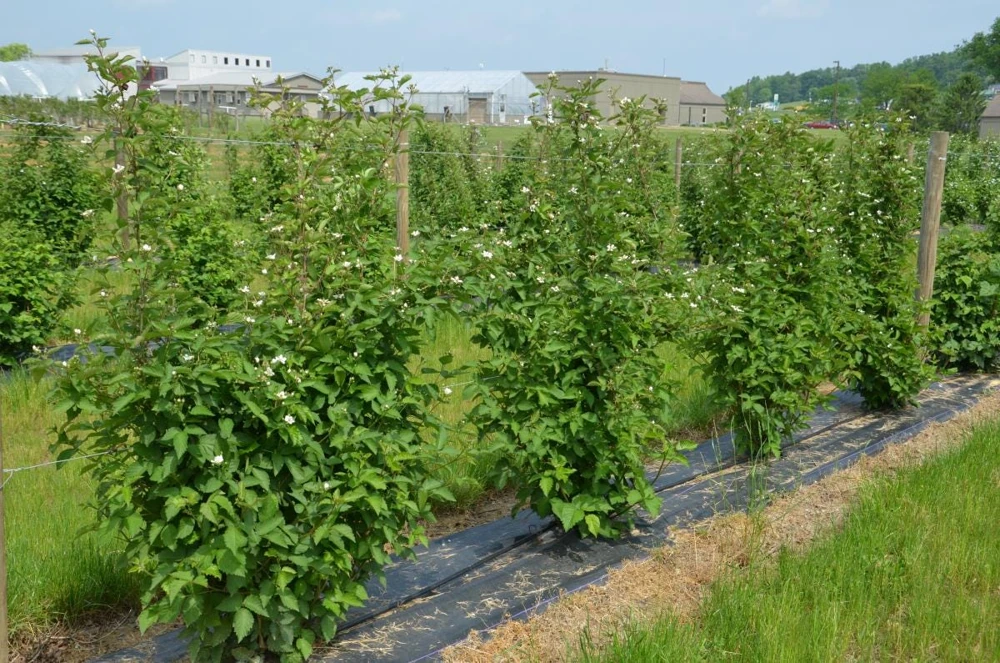
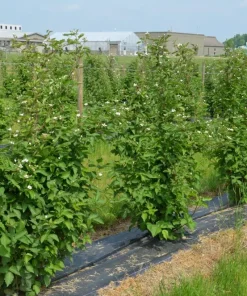
The Chester Thornless Blackberry is typically sold as a starter plug or bare-root plant, ready for transplanting into your garden. As a vigorous, semi-erect cultivar, it can grow quite large, reaching heights of 5-8 feet and spreading 3-5 feet wide, especially when supported. The plant’s growth rate is moderate to fast, establishing quickly in suitable conditions. Expect to see significant growth in its first year, with fruit production typically beginning in the second year after planting. This hardy blackberry variety is known for its robust cane development, which contributes to its high yield.
The fruit ripens in the late season, usually around mid-to-late summer, providing a bounty of large, firm, and incredibly sweet berries. The thornless canes make harvesting a joy, and the berries are excellent for fresh eating, baking, and preserving. This particular Rubus fruticosus Chester offers a substantial harvest, making it a valuable addition for any gardener seeking to grow their own fruit. Providing adequate space and support will allow the plant to reach its full potential, ensuring a prolific display of delicious fruit.
Frequently Asked Questions
- Q: How big does this plant get? A: The Chester Thornless Blackberry is a vigorous, semi-erect plant that can reach heights of 5-8 feet and spread 3-5 feet wide. Providing a trellis or other support will help manage its growth and maximize fruit production.
- Q: Is this an indoor or outdoor plant? A: The Chester Thornless Blackberry is an outdoor fruit-bearing plant. It requires full sun and sufficient space to thrive and produce its delicious berries. It is not suitable for indoor cultivation.
- Q: How much sunlight does it need? A: For optimal fruit production and sweetness, the ‘Chester’ blackberry needs at least 6-8 hours of direct sunlight per day. A sunny location in your garden is crucial for a successful harvest from your thornless blackberry plant.
- Q: Is this plant easy to care for? A: Yes, the ‘Chester’ is considered relatively easy to care for, especially given its thornless nature and winter hardiness. Consistent watering, good soil, and proper pruning are key to its success, making it a great hardy blackberry variety for many gardeners.
- Q: What condition will it arrive in? A: Your Chester Thornless Blackberry plant will typically arrive as a starter plug or bare-root plant, carefully packaged to ensure its health during transit. It will be ready for immediate planting upon arrival.
- Q: How long until it blooms and produces fruit? A: Blackberry plants typically begin to flower and produce fruit in their second year after planting. With proper care, you can expect a good harvest from your sweet blackberry bush in the late summer of its second season.
- Q: Will it survive winter in my zone? A: The ‘Chester’ is one of the most winter-hardy thornless blackberries, thriving in USDA Zones 5-8. It can withstand significant cold, making it a reliable choice for many temperate climates.
- Q: What is the best time to plant a Chester Thornless Blackberry? A: The ideal time to plant your ‘Chester’ blackberry is in early spring after the last frost, allowing it ample time to establish before the summer heat. Fall planting can also be successful in milder climates.
- Q: Does this plant require a pollinator? A: No, the Chester Thornless Blackberry is self-pollinating, meaning you only need one plant to get fruit. However, planting multiple blackberry varieties can sometimes increase overall yield.
- Q: Can I grow this in a container? A: While possible, growing a Rubus fruticosus Chester in a container requires a very large pot (at least 15-20 gallons) and diligent watering and fertilization due to its vigorous growth habit. In-ground planting is generally recommended for best results.
Be the first to review “Chester Thornless Blackberry Live Plant – Rubus fruticosus ‘Chester’ – Sweet Berries”
People Also Viewed
Vegetable Seeds
Oregon Sugar Pod Snow Pea Seeds – 30 Count for Sweet, Crisp Peas
Reviews
There are no reviews yet.