
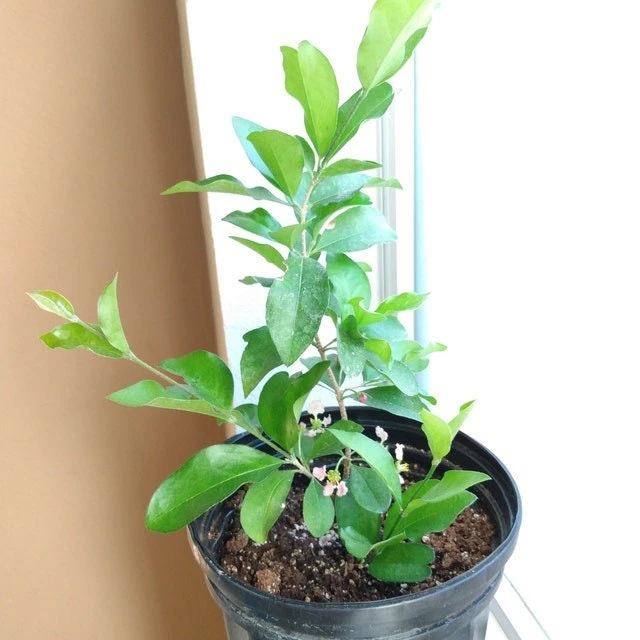
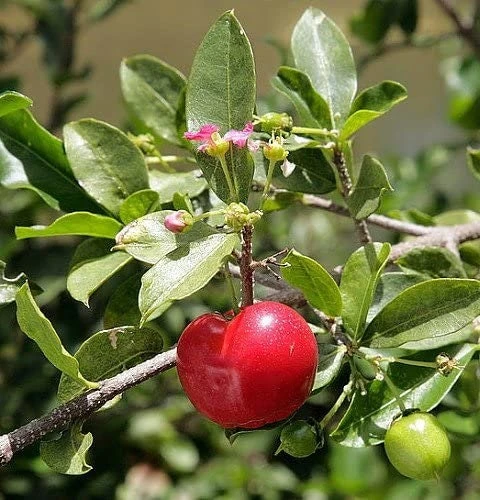
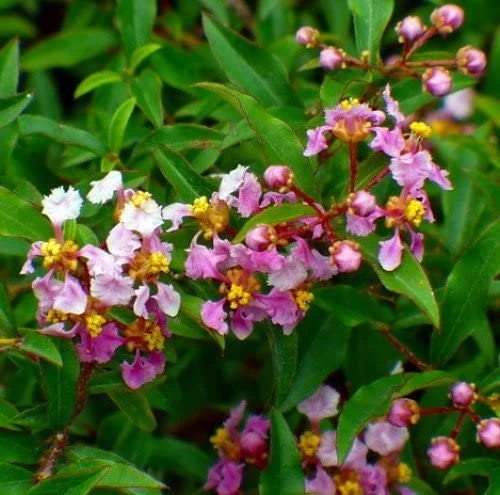
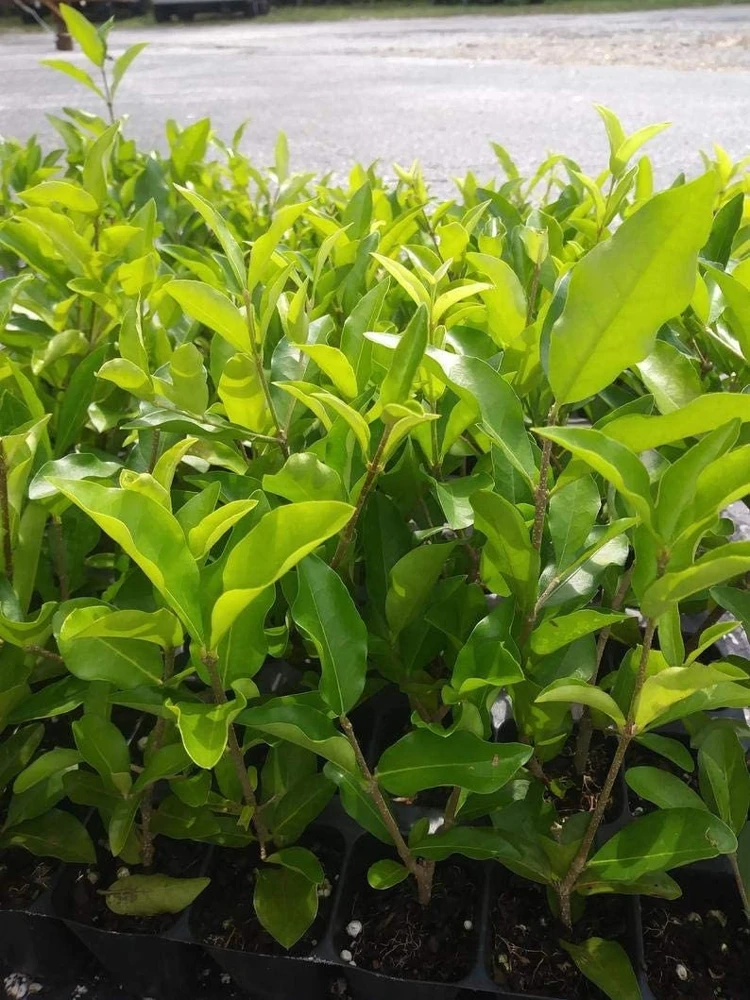
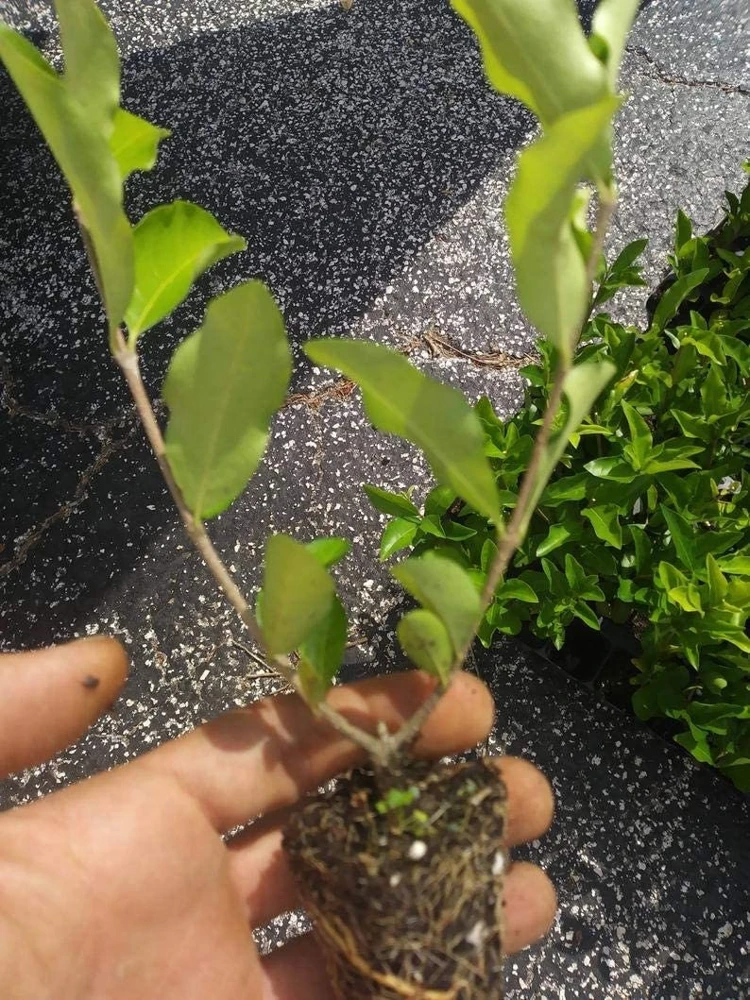
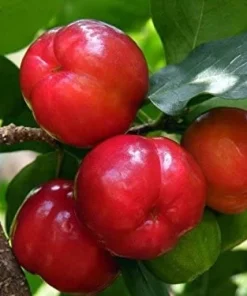
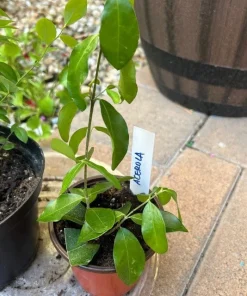
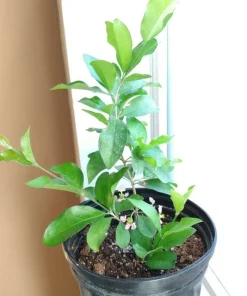
Barbados Cherry Tree Live Plant – Acerola Fruit Tree – 4-6 inches Tall
Original price was: $62.80.$37.80Current price is: $37.80.
Cultivate your own delicious and highly nutritious fruit with this Barbados cherry tree live plant. Also known as Acerola fruit tree care, this self-fertile plant produces vitamin C-rich cherries, perfect for containers or outdoor gardens in warmer zones. Enjoy multiple harvests throughout the year.
Estimated arrival
Oct 25
Oct 30 - Nov 01
Nov 04 - Nov 08
Shop With Confidence
30-Day Plant Health Guarantee
Arrives damaged? We’ll replace it free — see our return policy.
Responsive Support
Email us anytime, we reply within 1 business day.
Expert Packaging
Temperature-controlled shipping to protect your plants in transit.
Secure Checkout
Pay safely with Visa, Mastercard, PayPal.
Plant Specifications
-
USDA Hardiness Zone
4-11 patio / 9-11 outdoors -
Soil Type
Well-draining, slightly acidic to neutral soil -
Sunlight Exposure
Full sun -
Expected Planting Period
Spring to early summer (or year-round indoors/patio)
Overview
Bring the tropics to your home garden with a vibrant Barbados cherry tree live plant. Also widely recognized as an Acerola cherry tree, this remarkable specimen yields an abundance of small, tart, and incredibly nutritious fruits. The Barbados cherry, scientifically known as Malpighia emarginata, is celebrated for its exceptionally high vitamin C content, often surpassing that of oranges. This particular offering provides you with a healthy, young plant, typically ranging from 4 to 6 inches tall, or potentially up to 1 foot tall, ready to thrive in your care. Whether you’re an experienced horticulturist or a beginner looking to grow Barbados cherry, this plant offers a rewarding cultivation experience. Its adaptability makes it suitable for container growing on patios or as a landscape plant in appropriate climates, promising fresh, homegrown fruit for years to come.
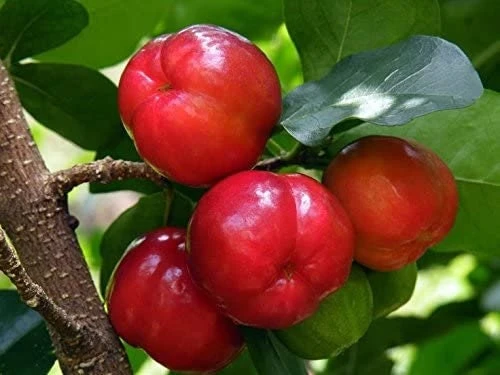
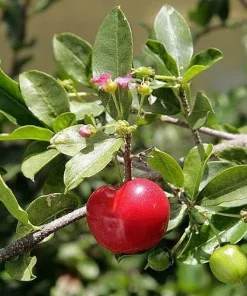
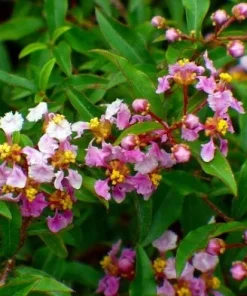
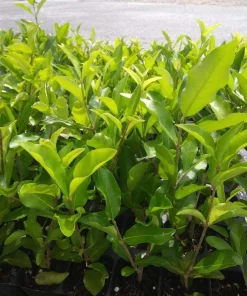
The Barbados cherry tree live plant is a versatile and attractive addition to any garden. It can be grown as a large, densely branched shrub or pruned to form a small, elegant tree with a central trunk. Its shiny evergreen leaves provide year-round visual interest, while the delicate pink to rose-colored flowers add a charming touch before giving way to the bright red fruit. These trees are self-fertile, meaning you can achieve fruit production with just one plant, though adding a second can significantly boost your harvest. This makes it an ideal choice for urban gardeners or those with limited space, allowing you to enjoy the benefits of a vitamin C fruit plant with ease.
Key Benefits
Growing a Barbados cherry tree offers a multitude of advantages, from its nutritional output to its aesthetic appeal. This resilient plant provides a consistent supply of healthy fruit and enhances your living space.
- Exceptional Nutritional Value: The Barbados cherry is renowned for being one of the richest natural sources of vitamin C, making it a powerful addition to a healthy diet. Enjoy fresh fruit packed with immune-boosting properties directly from your garden.
- Self-Fertile & Productive: This self-fertile fruit tree can produce fruit with just one plant, simplifying cultivation and ensuring you receive a harvest. For even larger yields, planting an additional tree can enhance cross-pollination.
- Adaptable Growth Habit: Easily maintained as a large shrub or pruned into a small tree, the Barbados cherry fits various garden designs and spaces, including container gardening on patios.
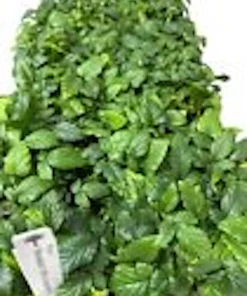
- Attractive Evergreen Foliage: The glossy, light to deep green leaves provide continuous beauty throughout the year, adding a lush, tropical feel to your landscape.
- Multiple Crops Annually: In optimal conditions, the plant can produce 3 to 5 crops per year, from late spring through fall, offering a continuous supply of fresh cherries.
- Beautiful Blooms: Delicate pale pink to rose flowers appear throughout the growing season, adding ornamental value before the fruit develops.
- Easy to Grow: With proper Acerola fruit tree care, this plant is relatively low maintenance and rewarding for both novice and experienced gardeners.
Plant Care & Growing Tips
Caring for your Barbados cherry tree live plant is straightforward, ensuring a healthy and productive specimen for years to come. These plants thrive in warm environments and appreciate consistent attention to their needs. For sunlight, Barbados cherries prefer full sun, meaning at least 6-8 hours of direct sunlight per day. If growing indoors or on a patio in cooler zones, ensure it receives the brightest possible light, ideally near a south-facing window or supplemented with a grow light. Adequate sunlight is crucial for fruit production and overall plant vigor. When growing outdoors in zones 9-11, choose a location with ample sun exposure and protection from strong winds.
Watering should be consistent, especially during dry periods and when the plant is actively fruiting. Allow the top inch or two of soil to dry out slightly between waterings, then water thoroughly until it drains from the bottom of the pot. Avoid overwatering, as this can lead to root rot. Well-draining soil is essential; a good quality potting mix enriched with organic matter works well for container plants. For outdoor planting, ensure your garden soil has good drainage; amending heavy clay soils with compost or sand can improve conditions. The Barbados cherry is tolerant of various soil types but performs best in slightly acidic to neutral soils with good fertility. To optimize your Acerola fruit tree care, regular feeding during the growing season is beneficial. Use a balanced fertilizer every 2-4 weeks from spring through fall, reducing frequency in winter.
Pruning can be done to maintain shape, encourage bushier growth, or train it into a small tree. Remove any dead or crossing branches. While relatively pest-resistant, keep an eye out for common garden pests and treat as needed. The Barbados cherry is sensitive to frost, so in zones below 9, it is best grown in containers that can be moved indoors during colder months. Even in warmer regions, protecting young plants from unexpected cold snaps is a good practice to ensure they continue to thrive and produce delicious fruit from your vitamin C fruit plant.
Size & Details
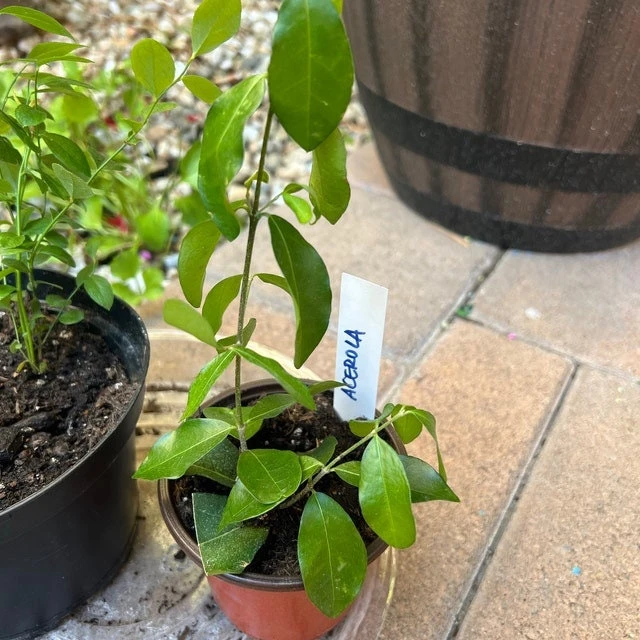
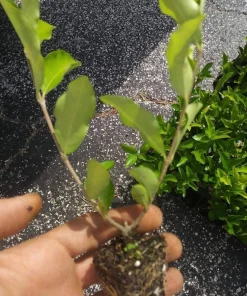
This offering is for a healthy Barbados cherry tree live plant, typically measuring between 4 to 6 inches in height, though some may arrive closer to 1 foot tall, depending on current growth. Each plant is carefully cultivated in a 4-inch nursery pot, providing a robust root system ready for transplanting. These plants are young but established, ensuring a strong start in your garden or container. The mature height of a Barbados cherry tree can reach 10-12 feet, with a mature width of 10-15 feet, forming a large shrub or small tree. Its growth rate is moderate, allowing you to enjoy fresh fruit within a few years of planting.
The plant will ship in its nursery pot, with soil intact, to minimize stress during transit. Once planted, you can expect the self-fertile fruit tree to begin flowering in spring, with fruit production continuing throughout the summer and into the fall. In frost-free climates, it can be almost everbearing, offering multiple crops per year. The fruit itself is about an inch in diameter, ripening to a vibrant red. With proper grow Barbados cherry techniques and consistent care, you will soon be harvesting your own healthful cherries.
Frequently Asked Questions
- Q: How big does this plant get? A: This Barbados cherry tree live plant typically arrives 4-6 inches tall, but can grow up to 10-12 feet tall and 10-15 feet wide at maturity if planted in the ground. It can be kept smaller with pruning for container growing.
- Q: What size pot does it come in? A: The plant will be delivered in a 4-inch nursery pot, providing ample space for its initial growth before transplanting.
- Q: Is this an indoor or outdoor plant? A: The Barbados cherry tree can be grown outdoors in USDA Zones 9-11. In colder zones (4-11 patio), it is best grown in a container and brought indoors or protected during winter, making it a versatile Acerola fruit tree care option for many climates.
- Q: How much sunlight does it need? A: This plant thrives in full sun, requiring at least 6-8 hours of direct sunlight daily for optimal growth and fruit production.
- Q: Is this plant easy to care for? A: Yes, with proper sunlight, consistent watering, and well-draining soil, the Barbados cherry tree is relatively easy to care for and is a good choice for beginners looking to grow Barbados cherry.
- Q: What condition will it arrive in? A: Your Barbados cherry tree live plant will arrive healthy and well-packaged in its nursery pot, carefully prepared for shipment to ensure its vitality upon arrival.
- Q: Can I use the fruit in cooking? A: Absolutely! Barbados cherries are tart and excellent for making jams, jellies, juices, or eating fresh. They are primarily valued as a vitamin C fruit plant.
- Q: How long until it produces fruit? A: While this is a young plant, Barbados cherry trees can begin to produce fruit within 1-2 years under ideal growing conditions. You’ll be enjoying your own cherries soon!
- Q: Is it self-fertile? A: Yes, the Barbados cherry is a self-fertile fruit tree, meaning you only need one plant to get fruit. However, planting more than one can significantly increase your harvest.
- Q: What is the best soil type for this plant? A: It prefers well-draining soil with a slightly acidic to neutral pH. A good quality potting mix for containers or amended garden soil works best.
Be the first to review “Barbados Cherry Tree Live Plant – Acerola Fruit Tree – 4-6 inches Tall”
People Also Viewed

Reviews
There are no reviews yet.