

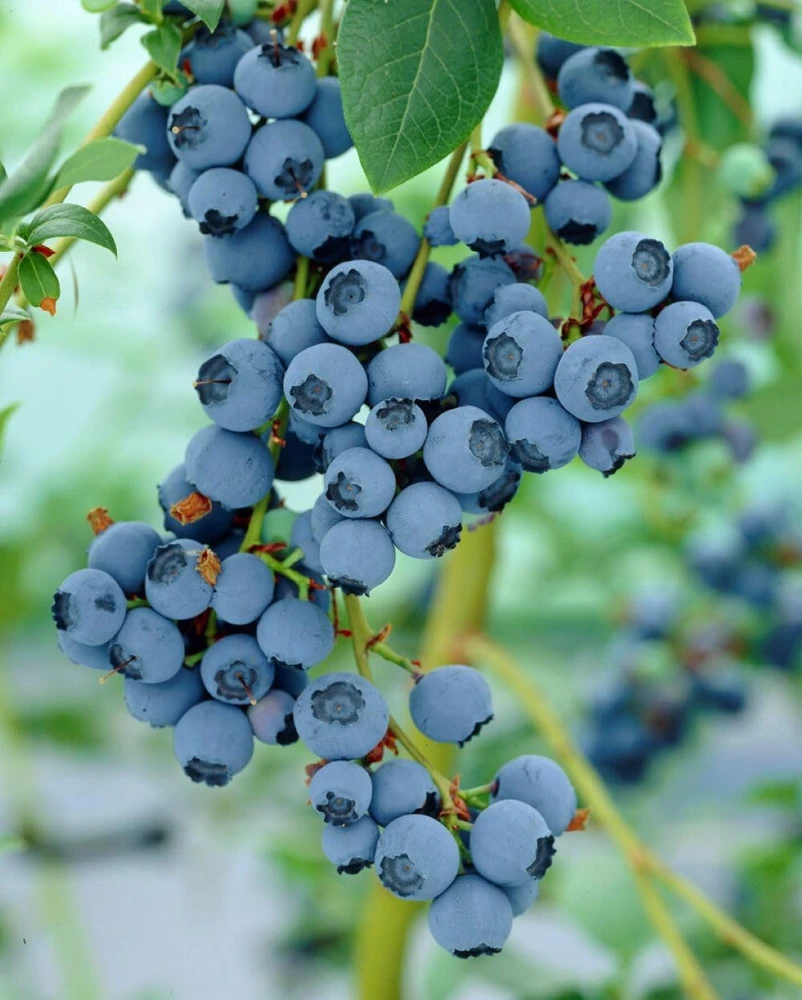
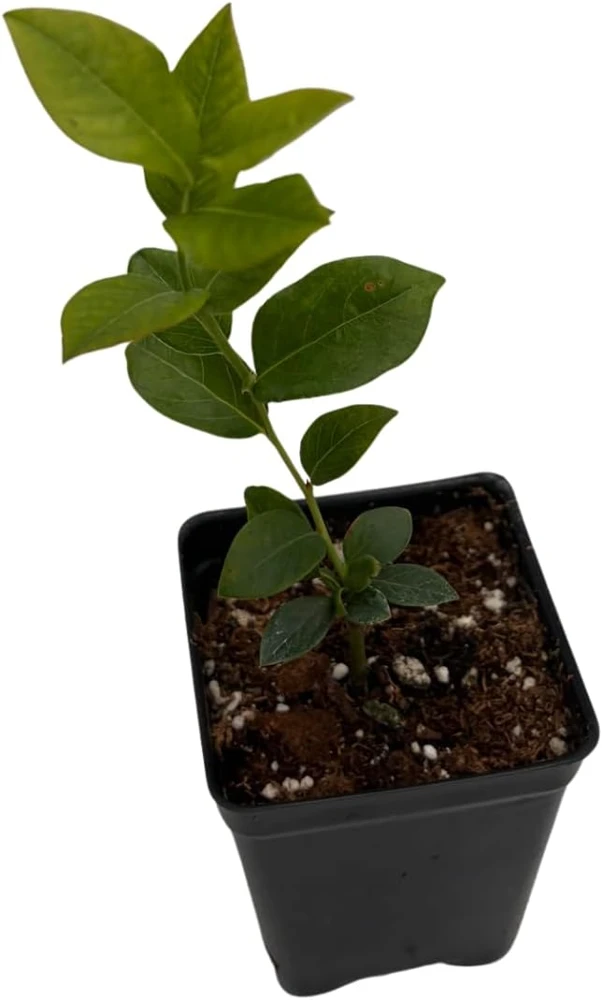
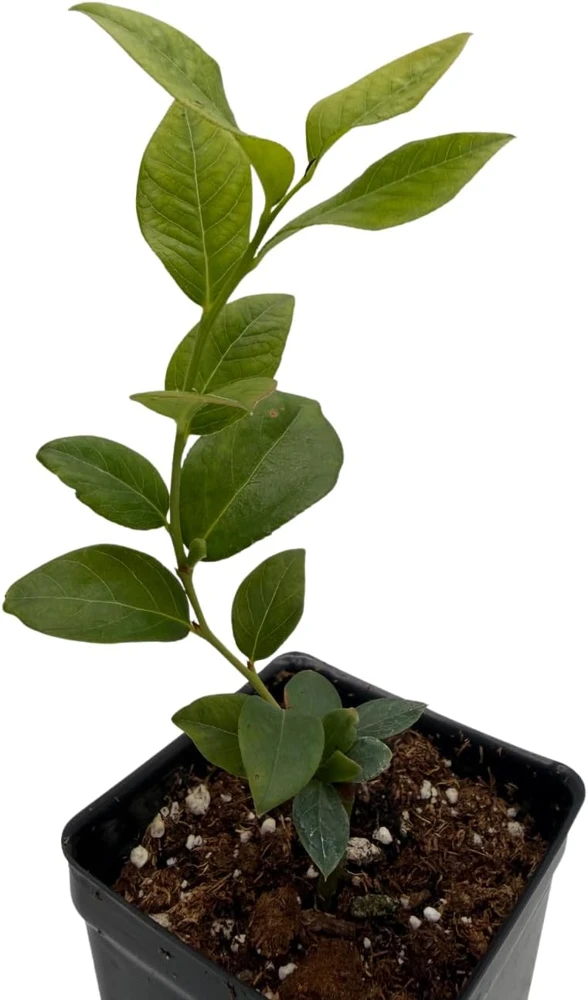
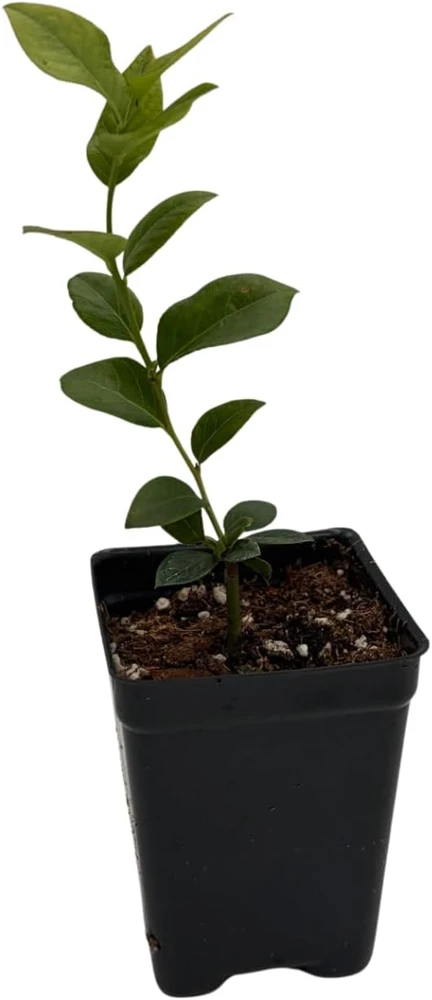
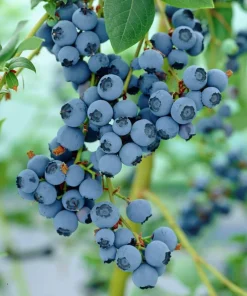
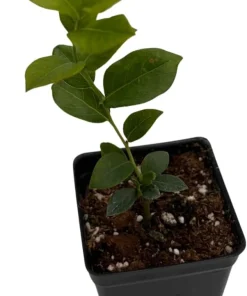
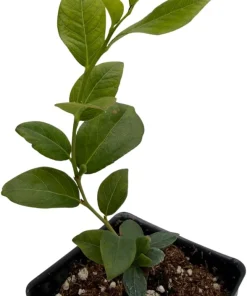
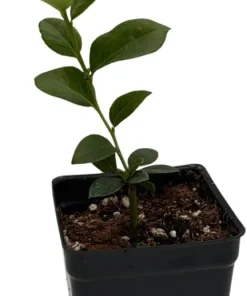
Bluecrop Blueberry Live Plant – 2.5″ Pot – Midseason, Delicious Berries
Original price was: $41.99.$31.99Current price is: $31.99.
Cultivate your own delightful berries with the Bluecrop Blueberry plant. This robust, self-fertile blueberry bush offers a bountiful harvest of large, sweet fruit mid-season. Enjoy beautiful foliage and an easy-to-grow addition to your garden.
Estimated arrival
Sep 29
Oct 04 - Oct 06
Oct 09 - Oct 13
Shop With Confidence
30-Day Plant Health Guarantee
Arrives damaged? We’ll replace it free — see our return policy.
Responsive Support
Email us anytime, we reply within 1 business day.
Expert Packaging
Temperature-controlled shipping to protect your plants in transit.
Secure Checkout
Pay safely with Visa, Mastercard, PayPal.
Plant Specifications
-
USDA Hardiness Zone
4-9 -
Soil Type
Acidic, well-draining soil -
Sunlight Exposure
Full sun to partial shade -
Expected Planting Period
Spring to early summer
Overview
Bring the joy of homegrown fruit to your garden with the exceptional Bluecrop Blueberry plant. Revered for its reliability and generous yield, this live plant is a fantastic choice for both novice and experienced gardeners alike. The ‘Bluecrop’ variety is a superb midseason producer, offering an abundance of large, deliciously flavored blueberries typically from late July through August. This particular offering is for a healthy Bluecrop Blueberry plant in a 2.5-inch pot, ready to be transplanted into your garden or a larger container. Beyond its delectable fruit, this blueberry bush provides year-round interest with its vibrant rusty red spring leaf tips, which mature into a lush green canopy. In autumn, the foliage transforms into stunning shades of red, followed by a display of attractive red stems in winter, making it an excellent ornamental addition to any landscape. Known for its resilience, the ‘Bluecrop’ is particularly tolerant of adverse conditions, including frost, ensuring a successful growing experience.
The Bluecrop Blueberry plant is a testament to nature’s bounty, offering both aesthetic appeal and a rewarding harvest. Its spreading growth habit forms a medium-sized bush, typically reaching about 4 feet (120cm) in height. This makes it suitable for various garden sizes and even larger patio containers. The creamy white flowers that emerge in spring are not only charming but also herald the promise of juicy berries to come. Choosing to grow Bluecrop blueberries means investing in a plant that delivers consistent quality and flavor, year after year. It’s a truly versatile and hardy fruiting shrub that enriches any outdoor space.
Key Benefits
The Bluecrop Blueberry plant offers a wealth of advantages, making it a highly desirable addition to any garden or edible landscape. Its robust nature and abundant fruit production are just a few reasons why it’s a favorite among growers.
- Abundant Midseason Harvest: Enjoy a prolific yield of large, sweet, and flavorful blueberries from late July into August. This reliable fruiting period ensures a consistent supply of fresh berries for eating, baking, or preserving.
- Exceptional Flavor: The berries produced by this midseason blueberry bush are renowned for their delicious, classic blueberry taste, making them perfect for fresh consumption, pies, jams, and smoothies.
- Hardy and Resilient: The ‘Bluecrop’ variety is particularly tolerant of various adverse conditions, including frost, making it a robust choice for a wide range of climates (USDA Zones 4-9). This resilience contributes to its reputation as an excellent garden plant.
- Ornamental Appeal: Beyond its fruit, the Bluecrop Blueberry plant provides year-round visual interest. It features rusty red spring foliage, a vibrant green summer canopy, stunning red autumn colors, and attractive red stems in winter.
- Self-Fertile: While cross-pollination can increase yields, the ‘Bluecrop’ is a self-fertile blueberry, meaning you can get a good harvest even with just one plant. This simplifies planting plans and ensures fruit production.
- Versatile Planting: Suitable for planting directly in the garden or in large containers, this bush adapts well to different settings, making it accessible for various garden styles and sizes.
- Nutritional Value: Blueberries are packed with antioxidants and vitamins, offering significant health benefits. Growing your own ensures a fresh, organic source of this superfood.
Plant Care & Growing Tips
Caring for your Bluecrop Blueberry plant is straightforward, especially given its hardy nature. To ensure a bountiful harvest and healthy growth, understanding its basic needs is crucial. Blueberries thrive in acidic soil, ideally with a pH between 4.5 and 5.5. If your soil is not naturally acidic, you may need to amend it with peat moss, sulfur, or specific acidifying fertilizers. Ensure the soil is well-draining, as blueberries do not tolerate waterlogged conditions. A good layer of mulch, such as pine needles or wood chips, can help maintain soil acidity, retain moisture, and suppress weeds.
For optimal fruit production, the Bluecrop Blueberry plant requires full sun exposure, meaning at least 6-8 hours of direct sunlight per day. While it can tolerate partial shade, fruit yield and quality may decrease. Consistent watering is important, especially during dry spells and when the plant is establishing. Keep the soil consistently moist but never soggy. Fertilize annually in early spring with a fertilizer specifically formulated for acid-loving plants, avoiding those high in nitrates, which can be detrimental to blueberries. Pruning is essential for maintaining plant health and maximizing fruit production. In late winter or early spring, remove any dead, diseased, or weak branches, as well as older, less productive canes to encourage new growth.
The hardy blueberry plant is tolerant of USDA Zones 4-9, making it suitable for a wide range of climates. Protection from harsh winter winds in colder zones can be beneficial. Watch out for common pests like birds, who also love blueberries; netting can be an effective deterrent. Diseases are generally not a major issue for ‘Bluecrop’ if proper care is provided, but ensure good air circulation to prevent fungal problems. With these tips, your grow Bluecrop blueberries project will be a successful and delicious endeavor.
Size & Details
This offering includes one healthy Bluecrop Blueberry plant, carefully grown in a 2.5-inch nursery pot. The plant is typically well-rooted and ready for transplanting upon arrival. As a midseason variety, it will begin producing its delicious berries from late July through August once established and mature. The ‘Bluecrop’ forms a medium-sized, spreading bush, reaching an approximate mature height of 120cm (4 feet) and a similar spread, making it a manageable size for most gardens and larger containers. Its growth rate is moderate, allowing it to establish and begin fruiting within a few years of planting.
This self-fertile blueberry cultivar is known for its robust nature and adaptability. It ships as a live plant, ensuring you receive a vibrant specimen ready to thrive in your garden. The exact size of the plant upon arrival may vary slightly depending on the growing season, but it will be a healthy young plant suitable for immediate planting. Expect several years of growth before reaching its full mature height and maximum fruit production, providing a long-term investment in your edible landscape.
Frequently Asked Questions
- Q: How big will my Bluecrop Blueberry plant get? A: The Bluecrop Blueberry plant typically grows to a medium size, reaching approximately 4 feet (120cm) in height and spread at maturity. It forms a spreading bush, making it a significant presence in the garden once fully grown.
- Q: What size pot does the plant come in? A: This particular offering is for a Bluecrop Blueberry plant in a 2.5-inch nursery pot. It is well-rooted and ready for transplanting into a larger container or directly into your garden.
- Q: Is this an indoor or outdoor plant? A: The Bluecrop Blueberry plant is an outdoor fruiting bush. It requires full sun exposure and the natural seasonal changes to produce fruit effectively. It is not suitable for long-term indoor cultivation.
- Q: How much sunlight does it need? A: For optimal growth and fruit production, your Bluecrop Blueberry plant needs at least 6-8 hours of direct sunlight per day. Plant it in a location that receives full sun.
- Q: Is this plant easy to care for? A: Yes, the ‘Bluecrop’ is considered an easy-to-care-for and hardy blueberry plant, especially tolerant of adverse conditions. Its main requirements are acidic soil, consistent moisture, and full sun.
- Q: When is the best time to plant this blueberry bush? A: The best time to plant your Bluecrop Blueberry plant is in early spring or late fall, when the weather is mild. This allows the plant to establish its root system before extreme temperatures.
- Q: Will it survive winter in my zone? A: The ‘Bluecrop’ variety is hardy in USDA Zones 4-9, meaning it can withstand winter temperatures in these regions. In colder parts of its range, some winter protection like mulching may be beneficial.
- Q: Is this a self-pollinating blueberry? A: Yes, the ‘Bluecrop’ is a self-fertile blueberry, meaning it can produce fruit with just one plant. However, planting another blueberry variety nearby can often lead to increased fruit yields due to cross-pollination.
- Q: What kind of soil does it need? A: Blueberries thrive in acidic, well-draining soil with a pH between 4.5 and 5.5. Amending your soil with peat moss or sulfur may be necessary if your native soil is not acidic enough.
- Q: How long until it starts producing berries? A: While young plants may produce a few berries in their first year, significant fruit production from your Bluecrop Blueberry plant typically begins in its second or third year after planting, with yields increasing as the plant matures.
Be the first to review “Bluecrop Blueberry Live Plant – 2.5″ Pot – Midseason, Delicious Berries”
People Also Viewed


Reviews
There are no reviews yet.