
Painted Echeveria Nodulosa Live Plant – Unique Purple Succulent in 4 Inch Pot for Indoors
Original price was: $47.37.$27.37Current price is: $27.37.
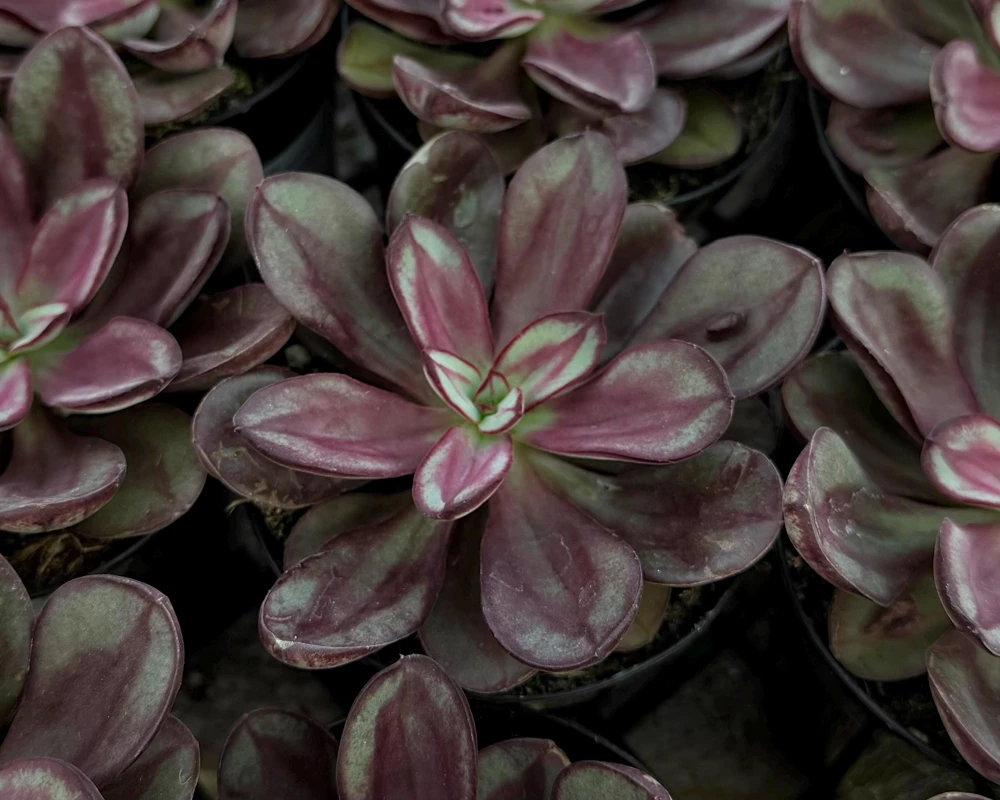
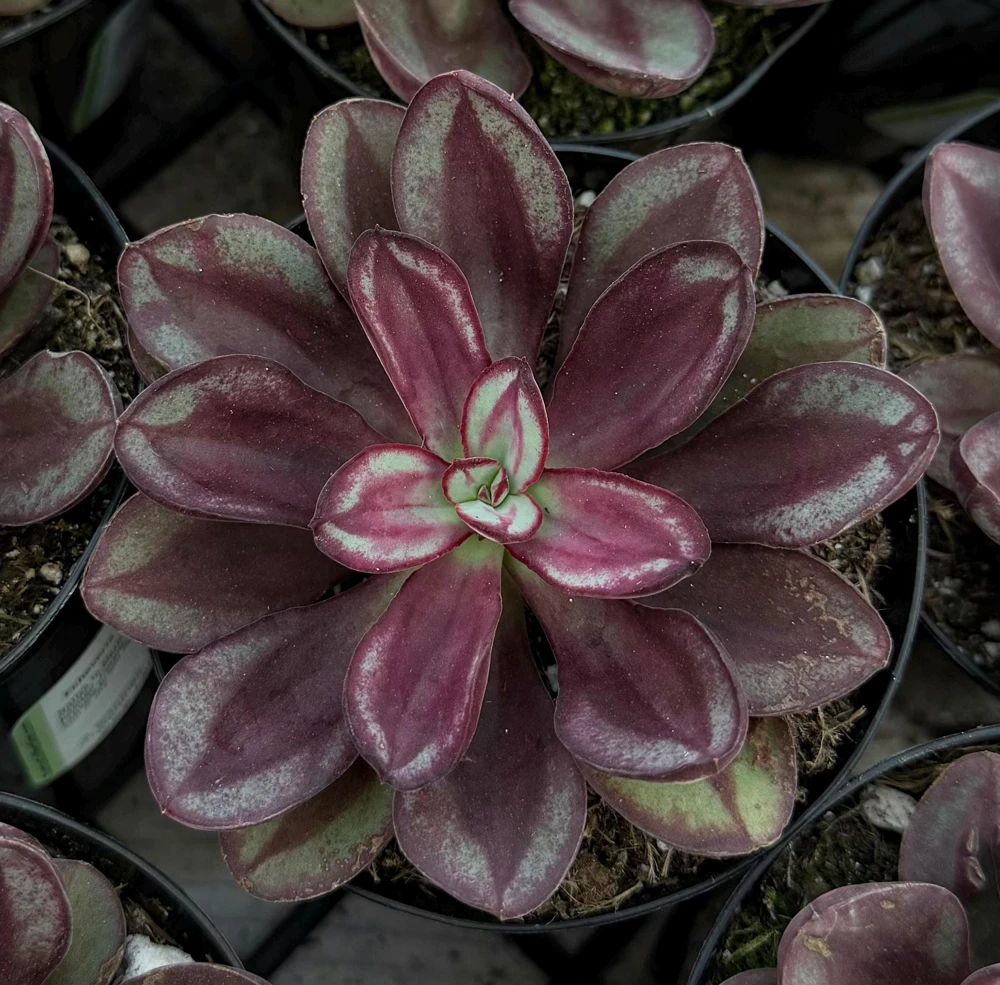
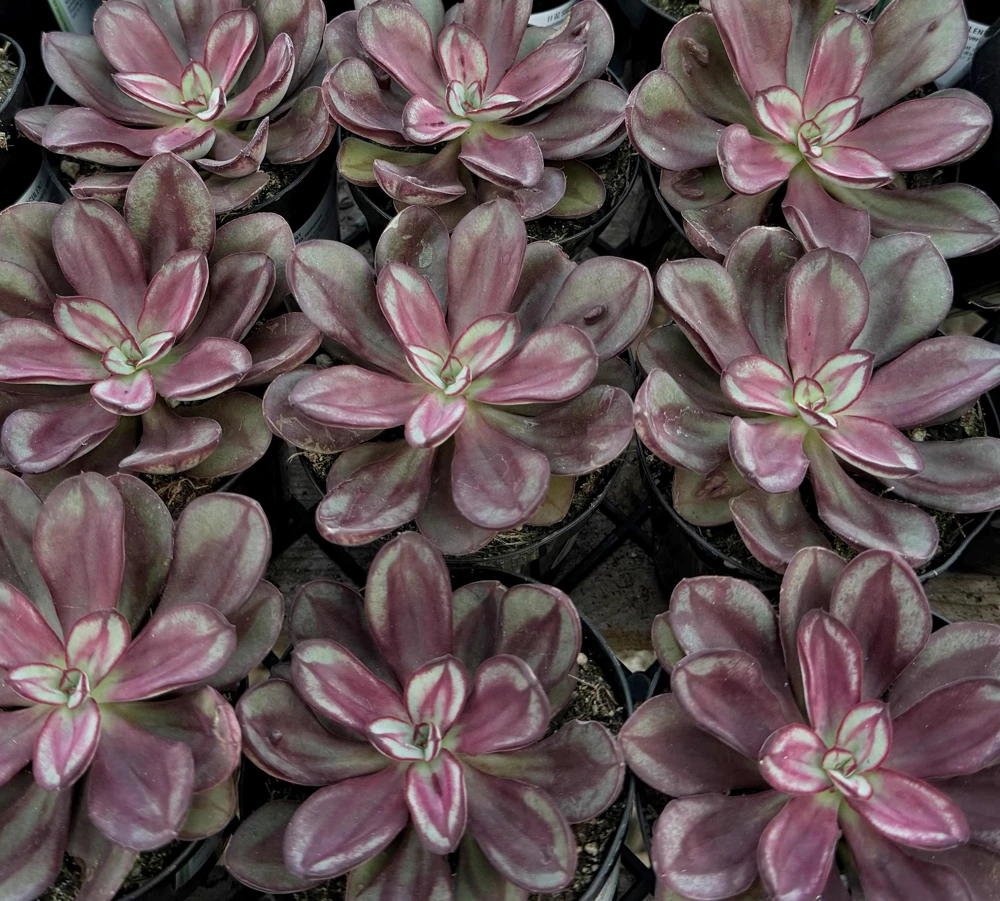
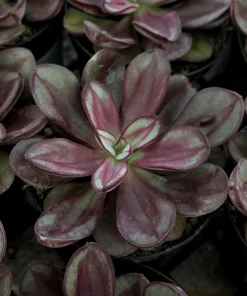
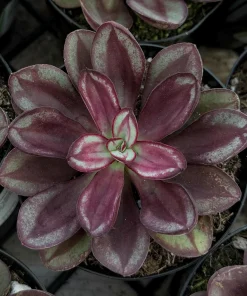
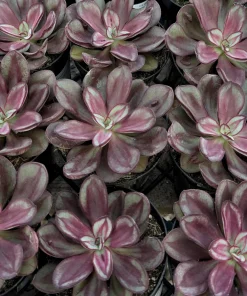
Bring home the captivating painted echeveria nodulosa live plant, a distinctive succulent known for its striking red and green foliage. This beautiful purple succulent plant arrives in a 4 inch pot, ready to enhance your indoor space with its unique, ‘hand-painted’ appearance. Easy to care for and perfect for bright spots.
Estimated arrival
Oct 23
Oct 28 - Oct 30
Nov 02 - Nov 06
Shop With Confidence
30-Day Plant Health Guarantee
Arrives damaged? We’ll replace it free — see our return policy.
Responsive Support
Email us anytime, we reply within 1 business day.
Expert Packaging
Temperature-controlled shipping to protect your plants in transit.
Secure Checkout
Pay safely with Visa, Mastercard, PayPal.
Plant Specifications
-
USDA Hardiness Zone
USDA zones 9-11 -
Soil Type
well-draining succulent or cactus mix -
Sunlight Exposure
bright direct light -
Expected Planting Period
year-round indoors
Overview
Introduce a touch of artistic flair to your plant collection with the exquisite painted echeveria nodulosa live plant. This captivating succulent, scientifically known as Echeveria nodulosa, is celebrated for its dramatic appearance, featuring elongated green leaves adorned with deep crimson lines and edges. The striking markings give it an almost hand-painted quality, making it a unique focal point in any indoor garden. Often referred to simply as hand painted echeveria, its open and airy rosettes mature into short, branching stems, creating a fascinating layered look. This live plant is delivered in a 4 inch pot, ready to thrive and display its vibrant colors, especially under strong light conditions where its red hues intensify.
The painted echeveria nodulosa live plant is a resilient and visually stunning addition for both novice and experienced succulent enthusiasts. Its distinctive beauty and relatively low maintenance requirements make it an ideal choice for adding natural elegance to windowsills, desks, or any bright indoor area. This species is truly a living work of art, constantly evolving its color intensity with light exposure.
Key Benefits
The painted echeveria nodulosa live plant offers more than just beauty; it brings a host of benefits to your home or office environment. Its unique characteristics make it a popular choice among plant lovers:
- Stunning Visual Appeal: The most prominent benefit is its dramatic appearance. The deep crimson lines on green leaves create a ‘painted’ effect that is truly eye-catching, making it a natural conversation starter and a beautiful decorative element.
- Low Maintenance: As a succulent, the echeveria nodulosa care requirements are minimal. It thrives on neglect, preferring infrequent watering and bright light, which makes it perfect for busy individuals or beginners.
- Airy Rosette Form: Unlike some denser echeveria varieties, the nodulosa has a more open and airy rosette structure, contributing to an elegant and less cluttered aesthetic.
- Color-Changing Foliage: The intensity of its red markings varies with light exposure, allowing you to observe its dynamic beauty. Strong light enhances the crimson, while lower light maintains a greener hue. This makes it a fascinating plant to watch evolve.
- Compact Size: Growing in a 4 inch pot, this painted echeveria nodulosa live plant is perfectly sized for small spaces, windowsills, or as part of a larger succulent arrangement.
- Drought Tolerant: Its succulent nature means it stores water in its leaves, making it highly drought-tolerant and forgiving if you occasionally forget to water.
- Easy Propagation: With proper techniques, this plant can be easily propagated from leaves or stem cuttings, allowing you to expand your collection or share with friends.
Plant Care & Growing Tips
Proper echeveria nodulosa care is straightforward, ensuring your painted echeveria nodulosa live plant thrives and displays its vibrant colors. This succulent prefers conditions that mimic its natural arid habitat.
Sunlight requirements: The painted echeveria nodulosa live plant absolutely loves bright light. For the most vivid red markings, provide it with at least 6 hours of direct sunlight per day. A south-facing window is ideal indoors. If you notice the plant stretching or becoming leggy, it’s an indication it needs more light. While it can tolerate some partial shade, the colors will be less intense. Outdoor placement in a sunny spot is also suitable in appropriate climates.
Watering schedule and soil moisture preferences: The golden rule for succulents is to water thoroughly but infrequently. Allow the soil to dry out completely between waterings. When you do water, soak the soil until water drains from the bottom of the pot. Overwatering is the most common cause of succulent demise, leading to root rot. In summer, you might water every 2-4 weeks; in winter, reduce to once a month or less, especially if the plant is dormant. Always check the soil moisture before watering.
Soil type and drainage requirements: Excellent drainage is crucial for indoor succulent plants like the Echeveria nodulosa. Use a well-draining succulent or cactus potting mix. You can also create your own by mixing regular potting soil with perlite, pumice, or coarse sand in a 1:1 ratio. The pot should always have a drainage hole to prevent water accumulation.
Temperature range and USDA hardiness zone: This succulent prefers warm temperatures between 65-80°F (18-27°C). It is not frost-tolerant. If grown outdoors, bring it inside when temperatures drop below 40°F (4°C). The typical USDA hardiness zone for this plant is 9-11.
Fertilization schedule and type: Fertilize sparingly. During the growing season (spring and summer), you can feed your purple succulent plant with a diluted succulent or cactus fertilizer once every 2-4 weeks. Use a liquid fertilizer at half strength. Avoid fertilizing in fall and winter when the plant is dormant.
Common problems and solutions: The most common issue is overwatering, leading to root rot. Symptoms include mushy leaves and stems. If caught early, you can try to re-root healthy cuttings. Pests like mealybugs can also be a problem. Treat with rubbing alcohol on a cotton swab or insecticidal soap. Ensure good air circulation to prevent fungal issues.
Size & Details
This painted echeveria nodulosa live plant is shipped as a healthy, established specimen in a 4 inch nursery pot. While specific height and width can vary slightly due to natural growth, you can expect a compact plant, typically reaching 4-6 inches in height and width at maturity, making it a perfect desk-friendly or shelf plant. Its growth rate is moderate, allowing it to gradually develop its unique branching appearance over time. The plant will arrive rooted in its soil, carefully packaged to ensure a safe journey to your home.
With proper echeveria nodulosa care, this plant will continue to grow and may produce tall flower stalks adorned with beautiful red and yellow blossoms, adding another layer of charm to its already unique appearance. Expect it to maintain its vibrant ‘hand-painted’ look, becoming a cherished part of your collection of indoor succulent plants for many years to come.
Frequently Asked Questions
- Q: How big does this plant get? A: The painted echeveria nodulosa live plant typically grows to about 4-6 inches tall and wide at maturity. It maintains a compact size, making it suitable for various indoor spaces.
- Q: What size pot does it come in? A: This beautiful succulent is delivered to you in a 4 inch nursery pot, ready for display or repotting into a decorative container.
- Q: Is this an indoor or outdoor plant? A: While it can thrive outdoors in warm climates (USDA zones 9-11), it is primarily considered an indoor plant for most regions, especially where temperatures drop below freezing. It excels as an indoor succulent plant.
- Q: How much sunlight does it need? A: The painted echeveria nodulosa live plant requires bright, direct sunlight for at least 6 hours daily to maintain its vibrant red markings. A south-facing window is ideal.
- Q: Is this plant easy to care for? A: Yes, echeveria nodulosa care is relatively easy, making it a great choice for beginners. Its main requirements are plenty of sunlight and infrequent watering.
- Q: What condition will it arrive in? A: Your purple succulent plant will arrive as a healthy, live plant, carefully packaged in its nursery pot with soil, ensuring it reaches you in excellent condition.
- Q: Is it shipped in soil? A: Yes, the plant is shipped securely rooted in its 4 inch nursery pot with appropriate succulent soil to minimize stress during transit.
- Q: How long until it blooms? A: With proper care and sufficient light, the painted echeveria nodulosa live plant can produce tall flower stalks with red and yellow blossoms, typically in spring or summer, though timing can vary.
- Q: Will it survive winter in my zone? A: If you live in USDA zones below 9, it’s best to keep your hand painted echeveria indoors during winter, as it is not tolerant of frost or freezing temperatures.
- Q: What’s the minimum temperature it can tolerate? A: This succulent prefers temperatures above 40°F (4°C). It should be protected from frost and kept in warmer conditions.
Be the first to review “Painted Echeveria Nodulosa Live Plant – Unique Purple Succulent in 4 Inch Pot for Indoors”
People Also Viewed
Flower Plants
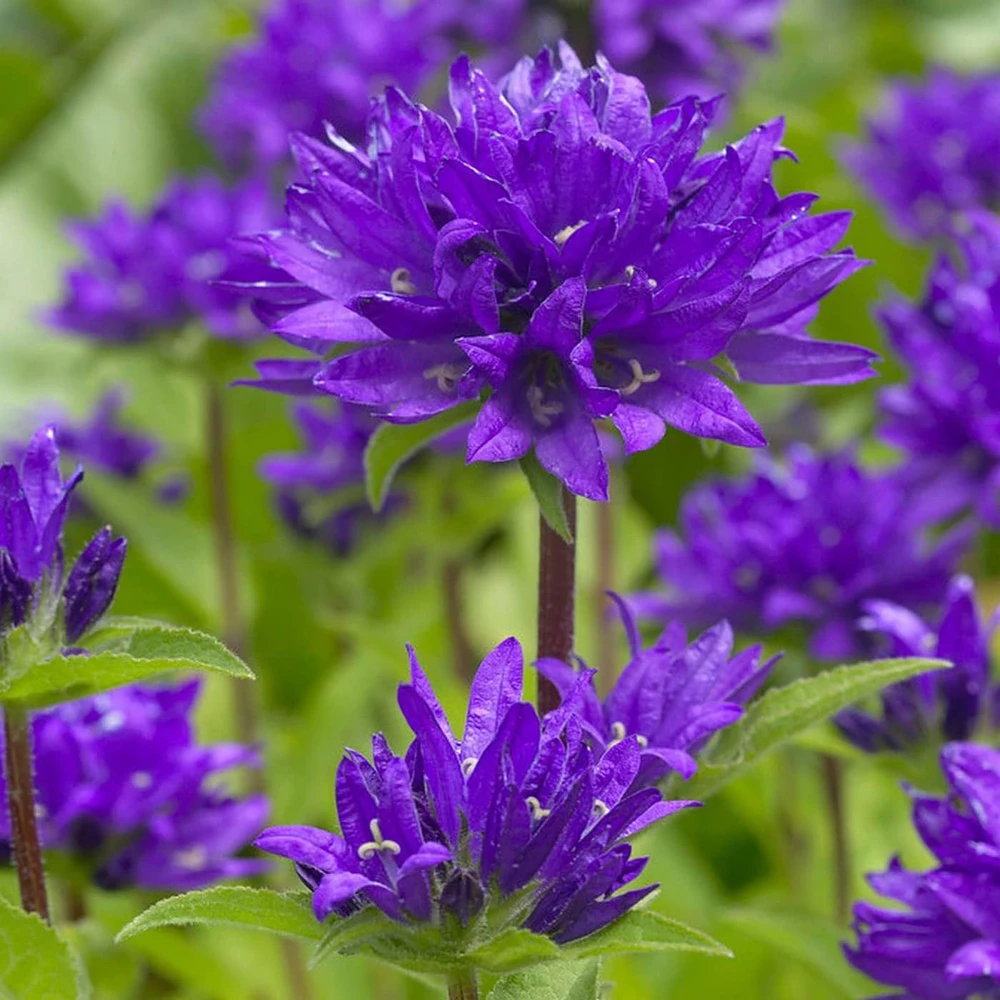
Superba Bellflower Perennial Live Plant – Campanula glomerata Superba – Quart Pot, Zones 4-10




Vegetables
Set of 4 Carolina Reaper Pepper Live Plants, 4-6 Inch Tall Hot Chili Peppers for Planting
Reviews
There are no reviews yet.