

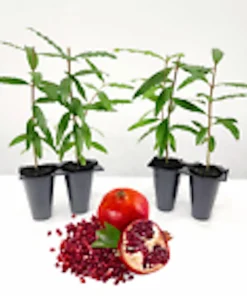
Pomegranate Live Plant – Punica Granatum Edible Fruit Tree – Zones 7-11
Original price was: $73.99.$48.99Current price is: $48.99.
Cultivate your own delicious pomegranate live plant, the Punica Granatum tree. This beautiful and versatile edible fruit tree produces vibrant orange-red flowers and large, healthy fruits rich in antioxidants. Perfect for gardens in USDA Zones 7-11.
Estimated arrival
Sep 29
Oct 04 - Oct 06
Oct 09 - Oct 13
Shop With Confidence
30-Day Plant Health Guarantee
Arrives damaged? We’ll replace it free — see our return policy.
Responsive Support
Email us anytime, we reply within 1 business day.
Expert Packaging
Temperature-controlled shipping to protect your plants in transit.
Secure Checkout
Pay safely with Visa, Mastercard, PayPal.
Plant Specifications
-
USDA Hardiness Zone
USDA Zones 7-11 -
Soil Type
Well-draining soil -
Sunlight Exposure
Full sun -
Expected Planting Period
Spring to early summer
Overview
Bring the beauty and bounty of the Mediterranean to your garden with this magnificent pomegranate live plant. Known botanically as Punica Granatum tree, this wonderful living plant is a deciduous shrub or small fruit tree, typically growing between 12 to 15 feet tall. Pomegranates are widely considered to have originated in Persia and have been cultivated throughout the Mediterranean region since ancient times. This variety is often used commercially for its juice, which is a great source of vitamins and antioxidants. Imagine harvesting your own fresh, juicy pomegranates right from your backyard, enjoying both the ornamental appeal and the delicious, healthy fruit.
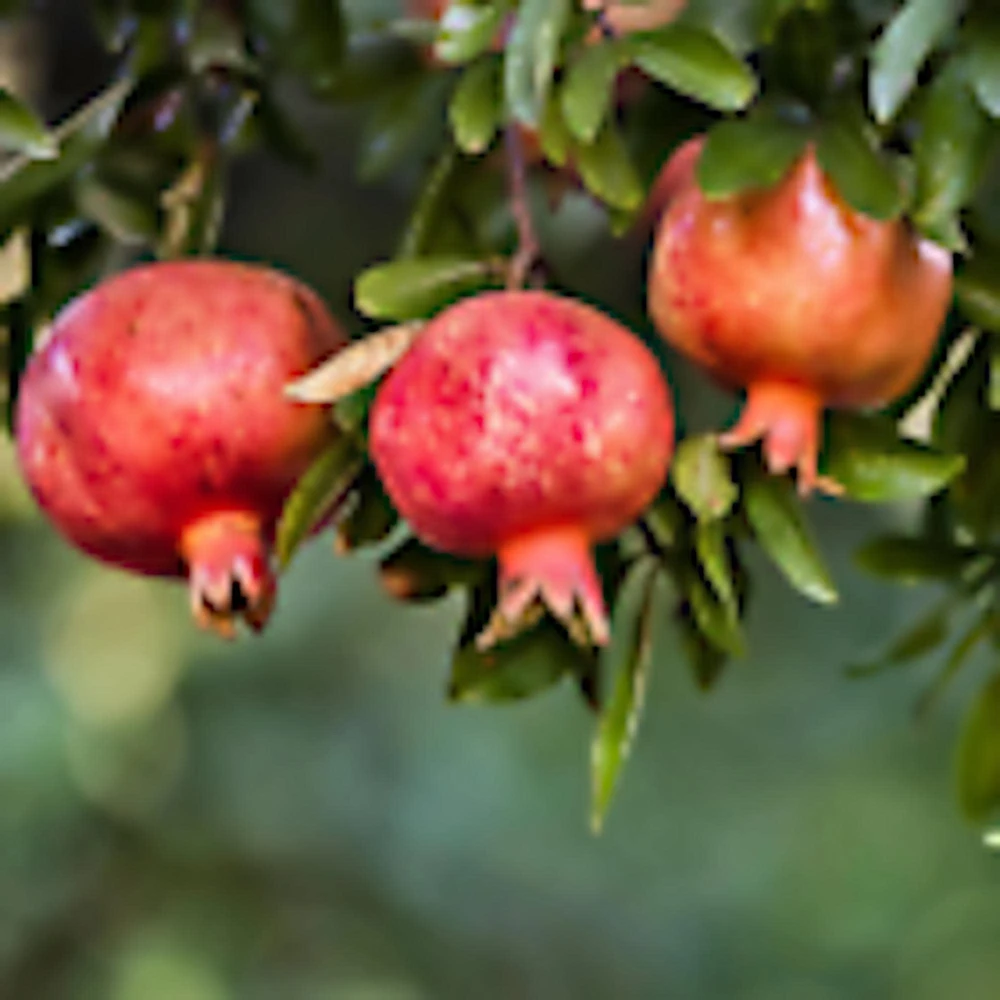
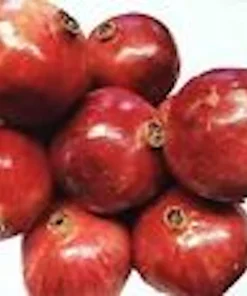
The Punica Granatum tree is a truly versatile plant, adaptable as a shrub, a small tree, or even trained as an espalier. Its upright, fountain-like branches are adorned with large, showy orange-red flowers that attract hummingbirds during the summer months. As autumn approaches, these blossoms give way to impressive, brownish-red fruits, ready for harvest. Growing your own edible fruit tree offers a rewarding experience, providing both aesthetic pleasure and a healthy food source.
Key Benefits
Cultivating a pomegranate live plant offers a multitude of benefits, from its stunning visual appeal to its health-boosting fruits. This resilient plant is a fantastic addition to any garden, providing both beauty and utility throughout the seasons.
- Delicious Edible Fruit: Enjoy fresh, antioxidant-rich pomegranates directly from your garden. This edible fruit tree provides a healthy and delicious snack or ingredient for various culinary creations.
- Stunning Ornamental Value: The large, vibrant orange-red flowers are a spectacular sight in summer, attracting hummingbirds and adding a splash of color to your landscape.
- Adaptable & Versatile: Can be grown as a shrub, a small tree, or espaliered, making it suitable for various garden designs and spaces.
- Heat & Humidity Tolerant: This plant thrives in warm climates, making it an excellent choice for regions with hot summers.
- Good Source of Vitamins & Antioxidants: The fruit of the Punica Granatum tree is packed with beneficial nutrients, contributing to a healthy diet.
- Easy to Grow: With proper care, this pomegranate plant is relatively easy to maintain, providing bountiful harvests for years to come.
- Long-Lived Perennial: A wonderful investment for your garden, this perennial plant will continue to produce fruit season after season.
Plant Care & Growing Tips
To successfully grow pomegranate and ensure a thriving Punica Granatum tree, providing the right conditions is key. Plant your pomegranate live plant in full sun, where it can receive at least 6-8 hours of direct sunlight daily. This will encourage robust growth and abundant fruit production. Ensure the soil is well-drained, as pomegranates do not tolerate soggy roots. An average growth rate can be expected, with an upright to weeping habit up to 10 feet. It is adaptable to many soil types, but good drainage is paramount.
Watering is crucial for this edible fruit tree. It requires regular watering weekly, and even more frequently during periods of intense heat. While tolerant of heat and humidity, consistent moisture helps in fruit development. Fertilize in spring with a balanced slow-release fertilizer designed for fruiting plants. Pruning can be done in late winter or early spring to remove dead or crossing branches and to shape the plant. The pomegranate care routine is straightforward, making it accessible for gardeners of various experience levels. Remember, these plants are hardy in USDA Zones 7-11, so ensure your climate is suitable for outdoor planting year-round.
Size & Details
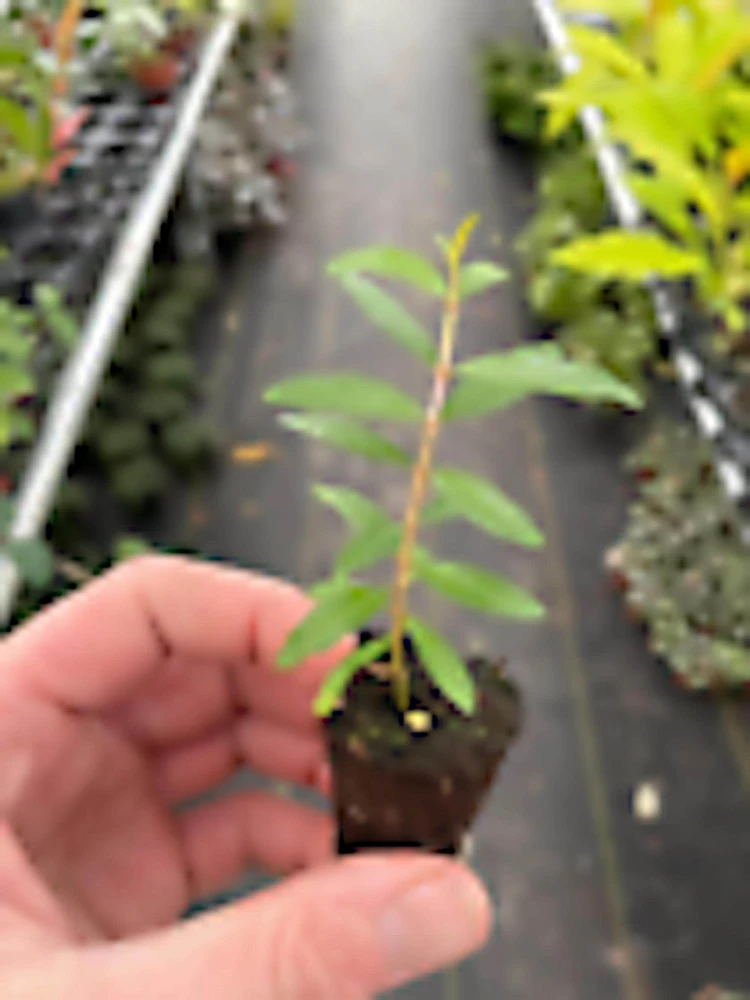
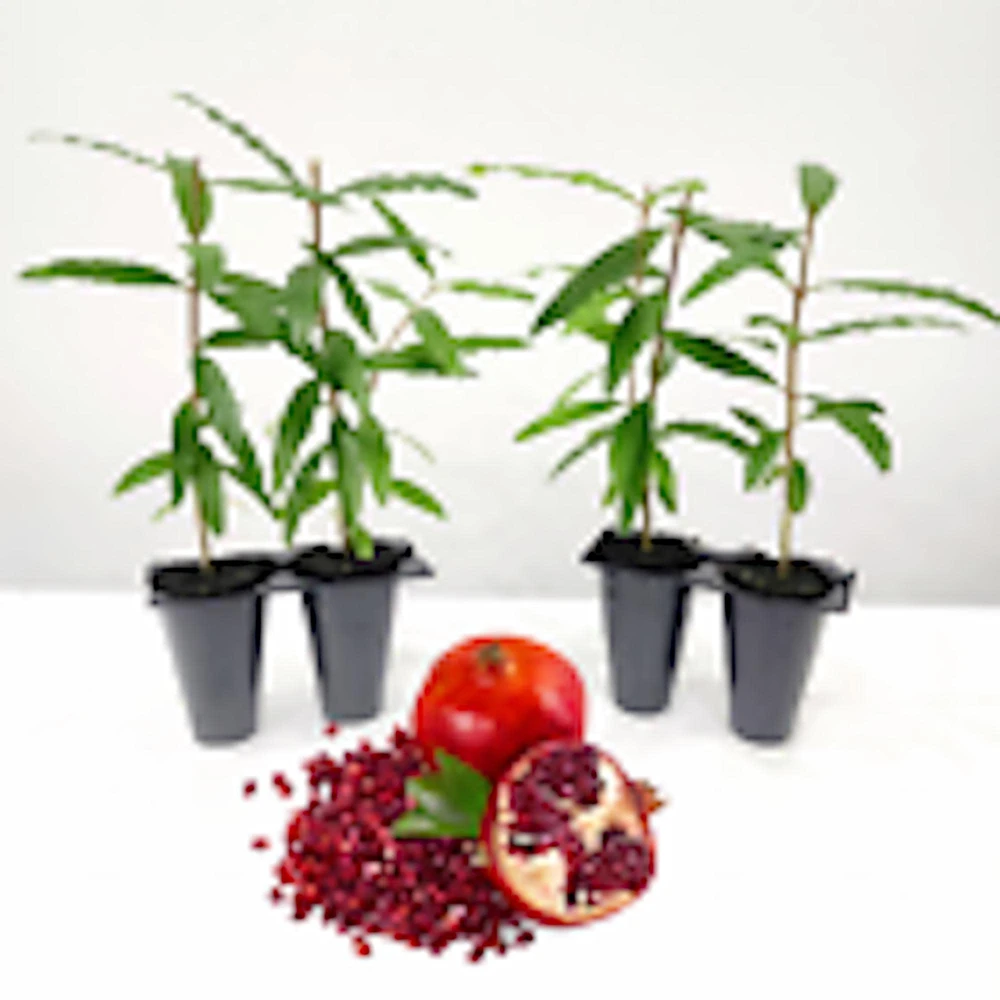
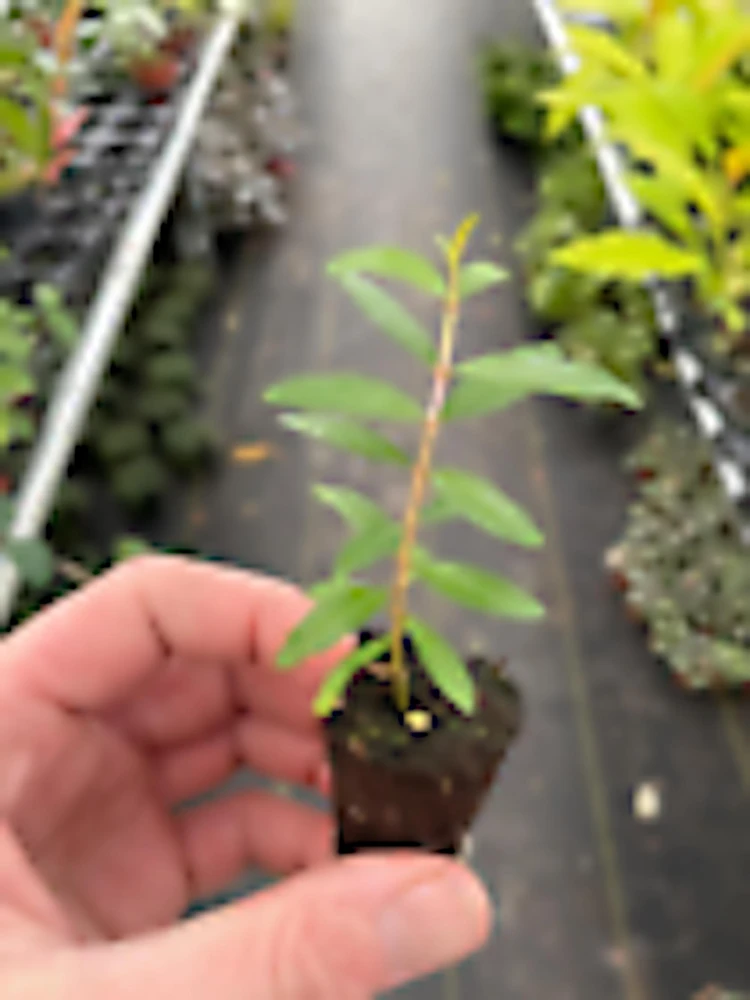
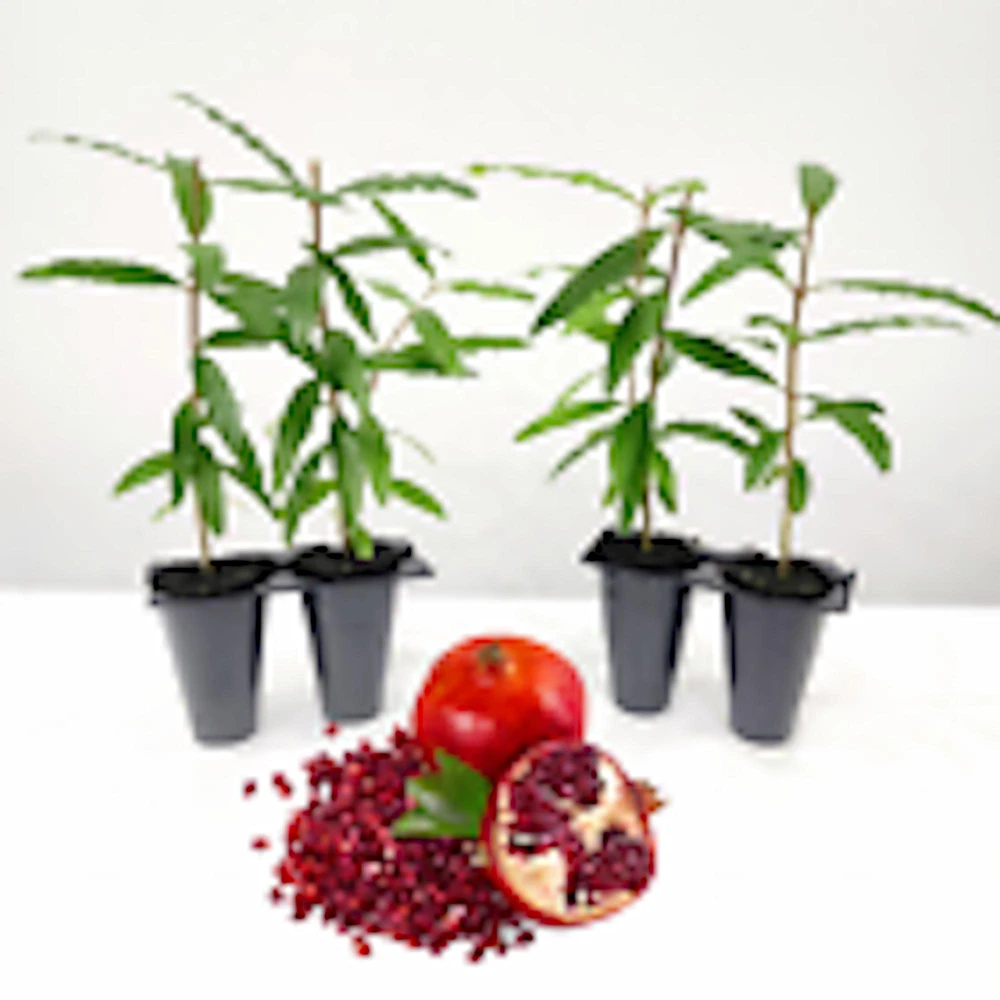
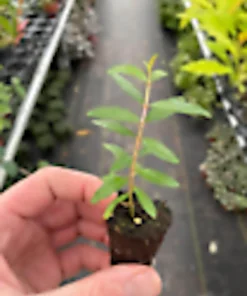
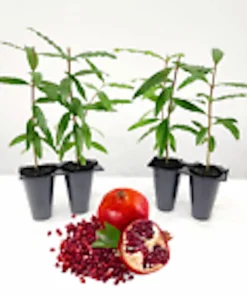
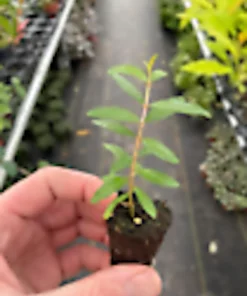
This pomegranate live plant is a starter plant, ready for you to establish in your garden. It will mature into a deciduous shrub or small tree, reaching heights of 12 to 15 feet. With an average growth rate, you can expect it to grow up to 10 feet with an upright to weeping habit. The plant is shipped as a young, healthy specimen, ready to be transplanted into its permanent home. You will begin to see its beautiful orange-red flowers in the summer, followed by fruits in early autumn. This Punica Granatum tree is adaptable to many soil types, provided they are well-drained, and thrives in full sun conditions. Its robust nature and delicious fruit make it a valuable addition to any landscape.
Frequently Asked Questions
- Q: How big does this pomegranate live plant get? A: This plant can mature into a deciduous shrub or small tree, typically reaching heights between 12 and 15 feet tall with a spread of up to 10 feet, depending on growing conditions and pruning.
- Q: Is this an indoor or outdoor plant? A: This Punica Granatum tree is primarily an outdoor plant, thriving in full sun and suitable for USDA Zones 7-11. In colder zones, it can be grown in a large container and brought indoors during winter.
- Q: How much sunlight does it need? A: This edible fruit tree requires full sun exposure, meaning at least 6-8 hours of direct sunlight per day, to ensure optimal growth and fruit production.
- Q: Is this plant easy to care for? A: Yes, with proper planting in well-drained soil and consistent watering, especially during hot periods, the pomegranate care routine is relatively simple, making it a good choice for many gardeners.
- Q: Can I use the pomegranates for juice? A: Absolutely! This variety is often used commercially for its juice, which is a good source of vitamins and antioxidants, perfect for homemade beverages.
- Q: When is the best time to plant a pomegranate live plant? A: The best time to plant is typically in spring after the last frost, allowing the plant ample time to establish before the heat of summer or the cold of winter.
- Q: What USDA Hardiness Zones is this Punica Granatum tree suitable for? A: This pomegranate plant is hardy in USDA Zones 7-11, tolerating a range of temperatures within these zones.
- Q: What kind of soil is best for this plant? A: A well-drained soil is essential. While adaptable to many soil types, ensuring good drainage will prevent root rot and promote healthy growth for your edible fruit tree.
- Q: Will this plant attract hummingbirds? A: Yes, the large, showy orange-red flowers produced in summer are known to attract hummingbirds, adding a delightful touch to your garden.
- Q: How long until it produces fruit? A: Pomegranate plants typically begin to bear fruit within 2-3 years of planting, with increasing yields as the plant matures.
Be the first to review “Pomegranate Live Plant – Punica Granatum Edible Fruit Tree – Zones 7-11”
People Also Viewed

Flower Seeds
Colorful Statice Seeds Mix – Limonium Sinuatum – 50 Seed Pack for Fresh & Dried Bouquets
Reviews
There are no reviews yet.