
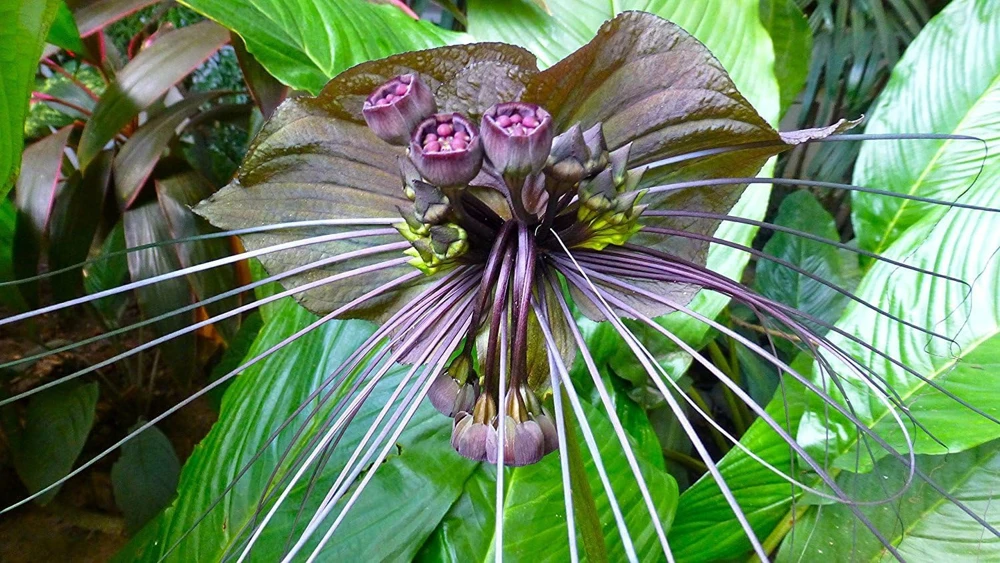
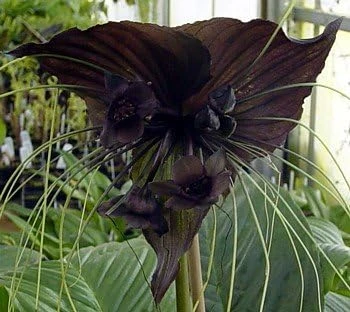
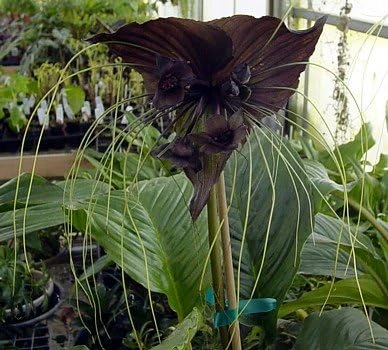
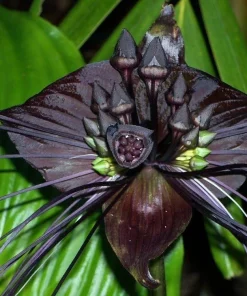
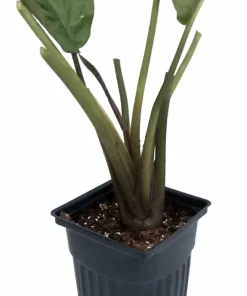
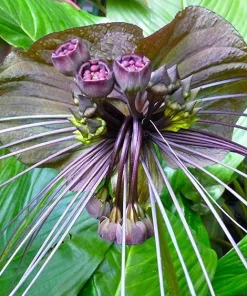
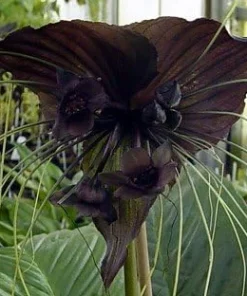
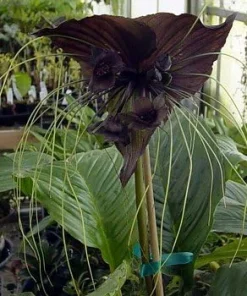
Black Bat Plant – Tacca chantrieri Live Exotic Houseplant – 2.5 inch Pot
Original price was: $41.99.$31.99Current price is: $31.99.
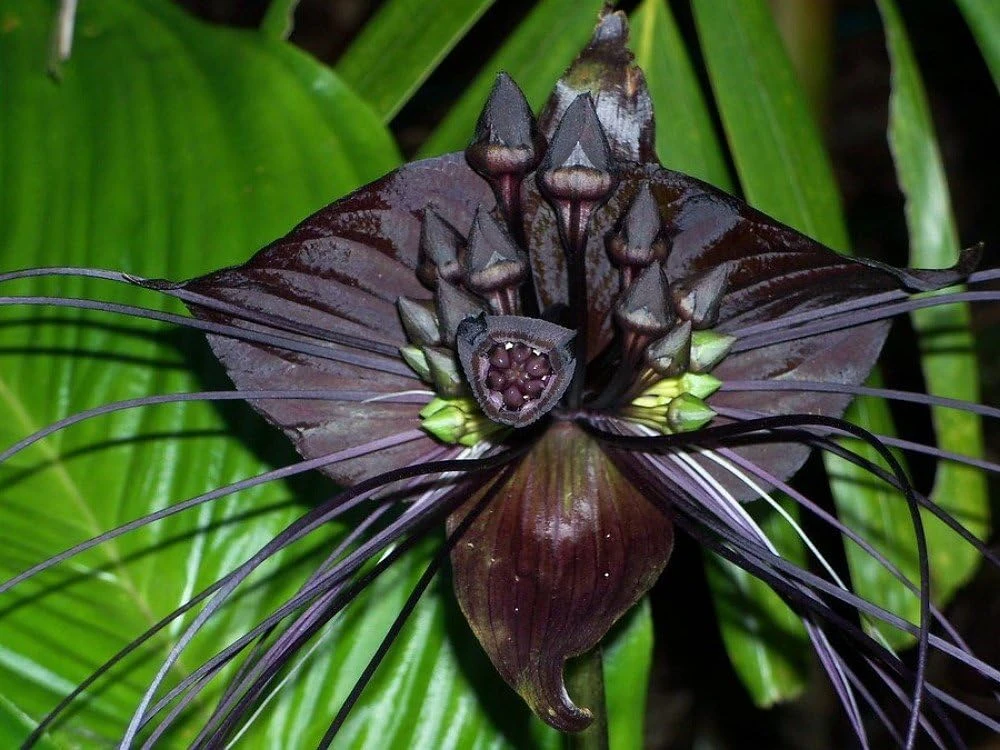
Bring a touch of exotic mystery to your home with the black bat plant (Tacca chantrieri). This unique exotic houseplant features striking, nearly black flowers resembling bats in flight, making it a captivating addition to any collection. Ships in a 2.5 inch pot, ready to grow.
Estimated arrival
Sep 29
Oct 04 - Oct 06
Oct 09 - Oct 13
Shop With Confidence
30-Day Plant Health Guarantee
Arrives damaged? We’ll replace it free — see our return policy.
Responsive Support
Email us anytime, we reply within 1 business day.
Expert Packaging
Temperature-controlled shipping to protect your plants in transit.
Secure Checkout
Pay safely with Visa, Mastercard, PayPal.
Plant Specifications
-
USDA Hardiness Zone
USDA zones 10-11 (outdoors) or year-round indoors -
Soil Type
Well-draining, rich potting mix (orchid or aroid mix recommended) -
Sunlight Exposure
Bright indirect light -
Expected Planting Period
Year-round indoors
Overview
Introduce an air of intriguing mystery to your indoor garden with the captivating black bat plant, scientifically known as Tacca chantrieri. This remarkable exotic houseplant is famed for its truly unique and dramatic dark flowers, which distinctly resemble a bat in flight, complete with long ‘whiskers.’ Often referred to as the “Devil’s Plant” due to its unconventional and slightly sinister appearance, the tacca chantrieri care is a rewarding experience for those who appreciate botanical rarities. Originating from the tropical regions of Southeast Asia, this live plant thrives in warm, humid environments, making it an ideal choice for an indoor setting where its dramatic blooms can be admired up close. If you’re searching for bizarre plants to expand your collection, the black bat plant is an absolute must-have.
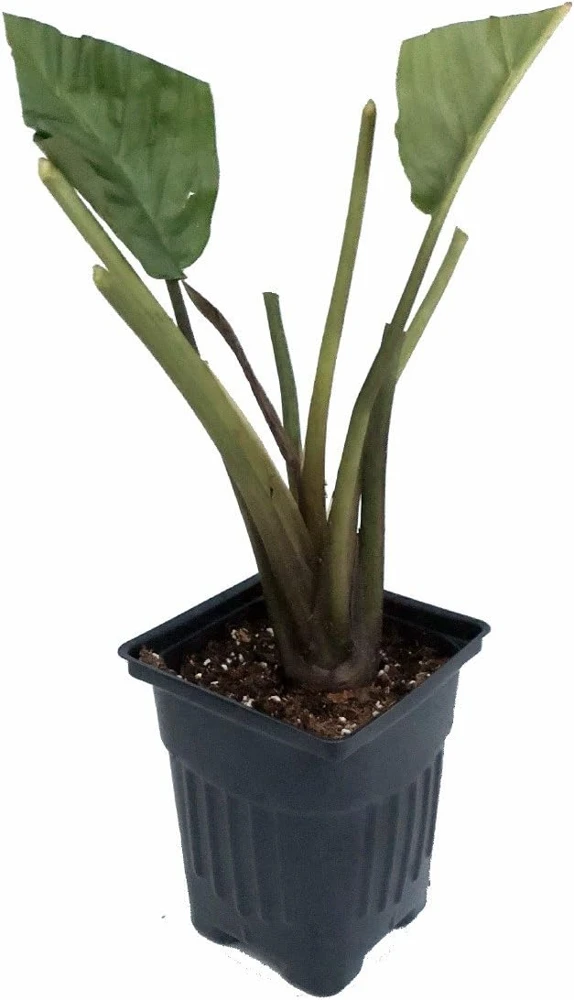
Each starter plant is carefully cultivated and shipped in a 2.5-inch pot, ready to be nurtured into a magnificent specimen. The Tacca chantrieri is not just a plant; it’s a living sculpture that will undoubtedly become a focal point in any room. Its lush green foliage provides a beautiful contrast to the unusual, nearly black inflorescence. This plant is a fantastic conversation starter and a testament to the incredible diversity of the plant kingdom. Embrace the allure of the unusual with this stunning and relatively easy-to-care-for tropical gem.
Key Benefits
The black bat plant offers several unique benefits beyond its stunning appearance, making it a prized possession for plant enthusiasts and collectors alike. Its distinctive features provide both aesthetic appeal and a fascinating botanical experience.
- Unrivaled Aesthetic Appeal: The primary draw of the black bat plant is its extraordinary flower. The nearly black, bat-shaped blooms with long, whisker-like bracts are unlike any other, providing a dramatic and exotic focal point in any indoor space. This unique characteristic makes it a truly memorable exotic houseplant.
- Conversation Starter: Its unusual appearance guarantees it will catch the eye of visitors, sparking curiosity and conversation about this fascinating botanical marvel. It’s perfect for those who enjoy showcasing unique specimens.
- Collector’s Item: For enthusiasts of bizarre plants and rare species, the Tacca chantrieri is a highly sought-after addition, enhancing the diversity and prestige of a plant collection. Its rarity contributes to its allure.
- Lush Foliage: Even when not in bloom, the plant’s large, glossy green leaves create a vibrant, tropical ambiance, adding beauty to your home year-round. The foliage is robust and attractive.
- Adaptable Indoor Growth: With proper tacca chantrieri care, this plant can thrive indoors, bringing a touch of the exotic tropics into your living environment, even in non-tropical climates. It adapts well to controlled indoor conditions.
- Educational Value: Growing a devil’s plant like this offers an opportunity to learn about unique plant adaptations and the rich biodiversity of tropical ecosystems. It’s a living lesson in natural wonder.
- Stress Reduction: Like many houseplants, caring for and observing the growth of the black bat plant can be a calming and meditative activity, contributing to overall well-being.
Plant Care & Growing Tips
Providing optimal tacca chantrieri care is crucial for ensuring this unique exotic houseplant thrives and produces its spectacular blooms. The key is to replicate its native tropical environment as closely as possible, focusing on humidity, light, and consistent moisture. This plant prefers bright, indirect light; direct sunlight can scorch its delicate leaves, especially during the hottest parts of the day. An east-facing window or a spot a few feet away from a south or west-facing window often works best. Ensure the area has good air circulation but avoid cold drafts.
Watering should be consistent but not excessive. The soil should be kept evenly moist during the growing season (spring and summer), but never waterlogged. Allow the top inch of soil to dry out slightly before watering again. During fall and winter, reduce watering frequency as the plant’s growth slows. High humidity is paramount for the black bat plant. Aim for 60% humidity or higher. This can be achieved by placing the pot on a pebble tray filled with water, using a room humidifier, or grouping it with other humidity-loving plants. The ideal temperature range is between 65-80°F (18-27°C); avoid temperatures below 60°F (15°C). Use a well-draining, rich potting mix, ideally one formulated for orchids or aroid plants, which provides good aeration and retains some moisture. Fertilize every 2-4 weeks during the growing season with a balanced liquid fertilizer diluted to half strength. Common issues include yellowing leaves from overwatering or lack of humidity, and brown leaf tips from dry air. Ensure you provide consistent care to avoid these problems with your devil’s plant.
Size & Details
This offering is for one black bat plant (Tacca chantrieri) live plant, meticulously grown and shipped in a 2.5 inch pot. At the time of shipment, the starter plant will be well-rooted and healthy, ready for acclimation to its new home. While it starts compact in its 2.5-inch nursery pot, a mature black bat plant can grow to an impressive size, typically reaching 2-3 feet in height and spread, with some specimens growing even larger under ideal conditions. The growth rate is moderate, allowing you to observe its development over time.
The iconic bat-like flowers, which are the hallmark of this exotic houseplant, typically emerge from late spring through fall under optimal conditions. Each bloom can last for several weeks, providing a long-lasting display of its unique beauty. The plant’s foliage is robust and can reach significant dimensions, creating a lush, tropical appearance even when not in flower. Proper tacca chantrieri care will encourage vigorous growth and abundant flowering, making it a rewarding addition for collectors of bizarre plants.
Frequently Asked Questions
- Q: How big does this plant get? A: The black bat plant typically grows to an average height and spread of 2-3 feet when mature, though some can become larger under optimal growing conditions indoors.
- Q: What size pot does it come in? A: Each starter plant is shipped in a 2.5 inch pot, providing a healthy root system ready for transplanting into a slightly larger container upon arrival.
- Q: Is this an indoor or outdoor plant? A: While native to tropical regions, the black bat plant is primarily grown as an exotic houseplant in most climates due to its specific needs for warmth and high humidity. It can be grown outdoors in USDA Zones 10-11.
- Q: How much sunlight does it need? A: This plant thrives in bright, indirect light. Avoid direct sunlight, which can scorch its leaves. A location near an east-facing window or a shaded spot outdoors in warm climates is ideal.
- Q: Is this plant easy to care for? A: The black bat plant requires consistent attention to humidity, watering, and light, making it moderately challenging. It’s best suited for intermediate to experienced plant enthusiasts.
- Q: What condition will it arrive in? A: Your black bat plant will arrive as a healthy, live starter plant in its 2.5-inch pot, carefully packaged to ensure its safe journey to your home.
- Q: How long until it blooms? A: With proper tacca chantrieri care, your plant can begin to produce its striking bat-like flowers within 1-2 years, typically blooming from late spring through fall.
- Q: Is the “Devil’s Plant” name just a nickname? A: Yes, “Devil’s Plant” is a common nickname for the black bat plant due to its unique, somewhat eerie appearance, particularly its dark, bat-like flowers. Its proper botanical name is Tacca chantrieri.
- Q: What kind of soil does the black bat plant prefer? A: It prefers a rich, well-draining potting mix that retains some moisture, similar to orchid or aroid mixes. Good drainage is essential to prevent root rot.
- Q: Is it a good choice for collectors of unusual plants? A: Absolutely! The black bat plant is highly prized among collectors of bizarre plants for its extraordinary flowers and overall exotic appeal.
Be the first to review “Black Bat Plant – Tacca chantrieri Live Exotic Houseplant – 2.5 inch Pot”
People Also Viewed


Vegetable Seeds
Purple Plum Radish Seeds – Heirloom, Crisp, Vibrant, 250 Seeds
Vegetable Seeds

Shrub Seeds
Lilac Crepe Myrtle Seeds – Lagerstroemia Indica – 35 Count – Light Purple Flowering Shrub
Reviews
There are no reviews yet.