
Shooting Star Bulbs – 5 Perennial Roots – White Flowers – Outdoor Plant
Original price was: $47.99.$27.99Current price is: $27.99.
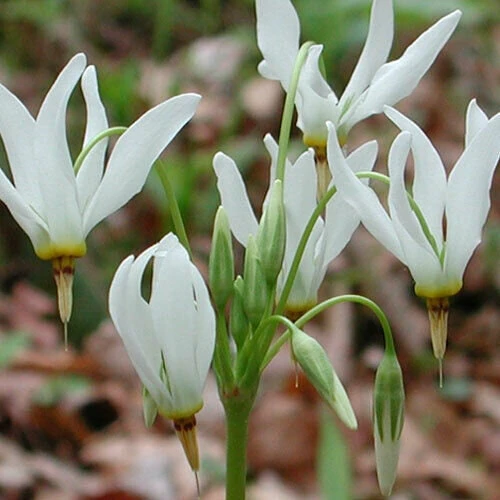
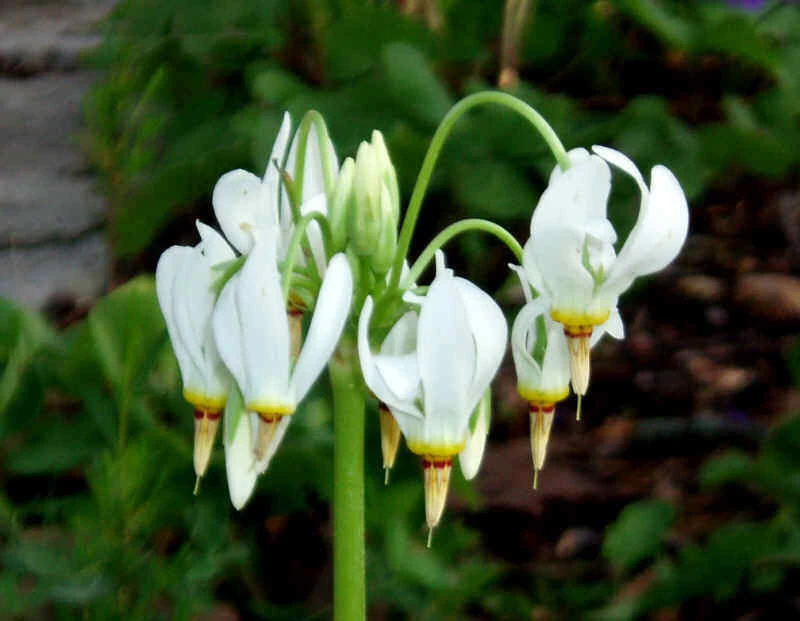
Add elegance to your landscape with shooting star bulbs. This purchase includes 5 perennial roots that produce stunning white flowers. Ideal for rock gardens and naturalized areas, these plants are also deer and rabbit resistant, and bee friendly.
Estimated arrival
Sep 20
Sep 25 - Sep 27
Sep 30 - Oct 04
Shop With Confidence
30-Day Plant Health Guarantee
Arrives damaged? We’ll replace it free — see our return policy.
Responsive Support
Email us anytime, we reply within 1 business day.
Expert Packaging
Temperature-controlled shipping to protect your plants in transit.
Secure Checkout
Pay safely with Visa, Mastercard, PayPal.
Plant Specifications
-
USDA Hardiness Zone
4-8 -
Soil Type
Well-draining, rich in organic matter -
Sunlight Exposure
Full sun to partial shade -
Expected Planting Period
Late fall or early spring
Overview
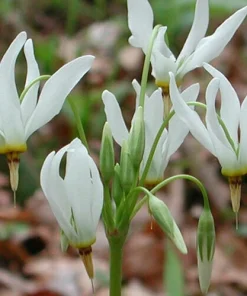
Introduce the captivating beauty of the shooting star bulbs to your garden. This offering includes 5 robust perennial roots of this remarkable native plant, scientifically known as Dodecatheon meadia. Found naturally in the open woodlands, meadows, and rocky slopes of the eastern United States, the Shooting Star is celebrated for its unique and striking appearance. Its common name perfectly describes the way its delicate, white, reflexed petals seem to erupt from slender stems, creating a celestial display in your landscape. These plants are a fantastic choice for gardeners looking to add visual interest and native charm to their outdoor spaces, particularly in rock gardens or as part of a naturalized planting scheme. They go dormant after their spring bloom, making way for other seasonal beauties.
The shooting star bulbs are a resilient and beautiful addition, offering both aesthetic appeal and ecological benefits. They are particularly well-suited for gardeners who appreciate plants that thrive with minimal intervention once established, and those seeking to support local pollinator populations. Their distinctive form and bright white flowers create an unforgettable spectacle each spring.
Key Benefits
The shooting star bulbs offer numerous advantages for any garden, combining beauty with resilience and ecological value. Planting these bulbs will bring a host of benefits:
-
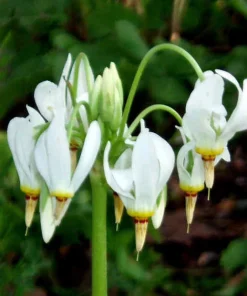
Stunning Spring Display: Witness an explosion of unique white flowers with gracefully reflexed petals, creating an eye-catching focal point in your garden each spring. The distinctive shape truly resembles shooting stars.
-
Native Plant Advantage: As a native perennial, Dodecatheon meadia is well-adapted to local conditions, requiring less maintenance and contributing to the biodiversity of your garden ecosystem. It’s a great way to incorporate native perennial bulbs.
-
Deer and Rabbit Resistant: Enjoy your beautiful blooms without worry, as these plants are naturally resistant to common garden pests like deer and rabbits, protecting your investment and effort.
-
Pollinator Friendly: The flowers are a magnet for bees and other beneficial pollinators, supporting local ecosystems and encouraging a vibrant, healthy garden environment. This makes your garden a haven for essential insects.
-
Versatile Landscaping: Excellent for a variety of garden settings, including rock gardens, woodland gardens, naturalized areas, or mixed perennial borders, providing flexibility in your landscape design.
-
Low Maintenance: Once established, these shooting star bulbs require minimal care, making them an ideal choice for both experienced and novice gardeners looking for impactful yet easy-to-grow plants.
-
Drought Tolerant: After their spring bloom and subsequent dormancy, these plants are quite tolerant of drier conditions, making them a sustainable choice for many regions.
Plant Care & Growing Tips
Caring for your shooting star bulbs is relatively straightforward, making them a rewarding addition to many garden types. These perennials thrive in conditions that mimic their natural woodland and meadow habitats. They prefer a location that receives full sun to partial shade. In hotter climates, partial shade, especially during the intense afternoon sun, will help them flourish and prolong their bloom. Aim for at least 4-6 hours of direct sunlight or bright, filtered light daily. The soil should be well-draining, rich in organic matter, and consistently moist during their active growing period in spring. Avoid waterlogged conditions, as this can lead to rot of the dodecatheon meadia roots.
These plants are hardy in USDA zones 4-8, indicating their ability to withstand a range of winter temperatures. Planting is best done in late fall or early spring. Dig a hole twice as wide as the root ball and just as deep, ensuring the crown is at soil level. Space multiple plants about 6-12 inches apart to allow for their mature spread. Fertilization is generally not heavily required; incorporating compost into the soil at planting time and a light application of a balanced slow-release fertilizer in early spring can be beneficial. After blooming, the foliage will naturally die back as the plant enters dormancy. This is a normal part of its life cycle, so do not be alarmed. Mark their location to avoid accidental disturbance. For optimal growth and to encourage robust plants, ensure the soil remains cool and moist during the spring growth phase. Understanding the unique lifecycle of these native perennial bulbs is key to their successful cultivation.
Size & Details
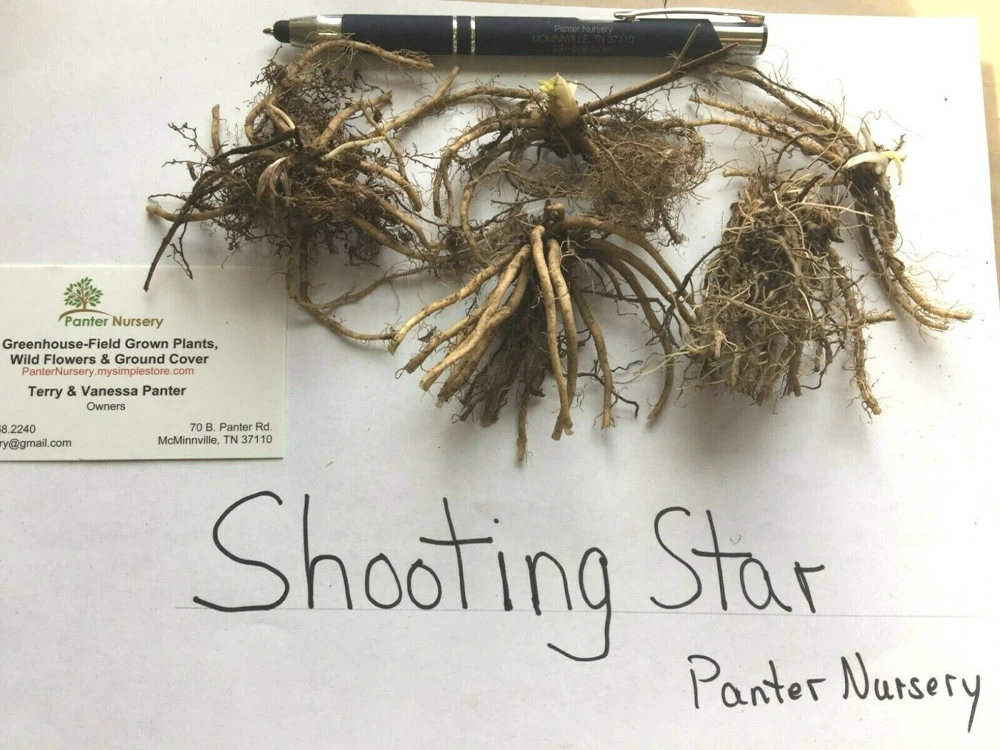
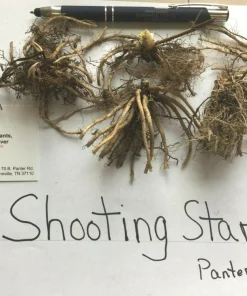
This purchase includes 5 shooting star bulbs, provided as healthy bare roots, ready for planting. Each plant typically grows to a height of 10 to 14 inches and can form attractive clusters up to 12 inches wide, creating a charming display. These plants are known for their moderate growth rate, establishing well in the first year and producing more prolific blooms in subsequent seasons. As perennials, they will return year after year, offering a reliable show of white flowers each spring. They ship as dormant roots, which is the ideal state for planting and ensures successful establishment in your garden. Expect them to emerge and bloom in the spring following their planting, providing a delightful and unique addition to your landscape.
Frequently Asked Questions
- Q: How big do these shooting star plants get? A: Each plant typically grows 10 to 14 inches tall and can spread up to 12 inches wide, forming attractive clumps over time. They are a moderate size, suitable for various garden applications.
- Q: How many shooting star bulbs are included in this purchase? A: You will receive 5 healthy bare roots of the Shooting Star perennial. This quantity is ideal for starting a small cluster or distributing them in a rock garden.
- Q: Is this an indoor or outdoor plant? A: The shooting star bulbs are outdoor perennial plants. They thrive in garden settings and are not suitable for long-term indoor cultivation.
- Q: How much sunlight does the shooting star plant need? A: These plants prefer full sun to partial shade. In regions with hot summers, partial shade, especially in the afternoon, is beneficial to prevent stress and prolong blooming.
- Q: Is this plant easy to care for? A: Yes, once established, Dodecatheon meadia is considered a low-maintenance plant. It is well-adapted to its native environment and generally requires minimal intervention. Understanding shooting star plant care is simple for any gardener.
- Q: Are these plants deer and rabbit resistant? A: Absolutely! One of the great benefits of these deer resistant plants is their natural resistance to both deer and rabbits, making them a safe choice for gardens prone to these visitors.
- Q: When is the best time to plant shooting star bulbs? A: The best time to plant these bare roots is in late fall or early spring, allowing them to establish before the heat of summer or the onset of winter.
- Q: What condition will the plants arrive in? A: The shooting star bulbs will arrive as dormant bare roots, which is the optimal state for transplanting and ensures successful growth in your garden.
- Q: What USDA hardiness zones are suitable for shooting stars? A: These plants are hardy in USDA zones 4-8, meaning they can tolerate a wide range of winter temperatures within these zones.
- Q: Do these plants attract pollinators? A: Yes, Shooting Star flowers are known to be bee-friendly and attract various beneficial pollinators to your garden, contributing to a healthy ecosystem.
Be the first to review “Shooting Star Bulbs – 5 Perennial Roots – White Flowers – Outdoor Plant”
People Also Viewed

Reviews
There are no reviews yet.