
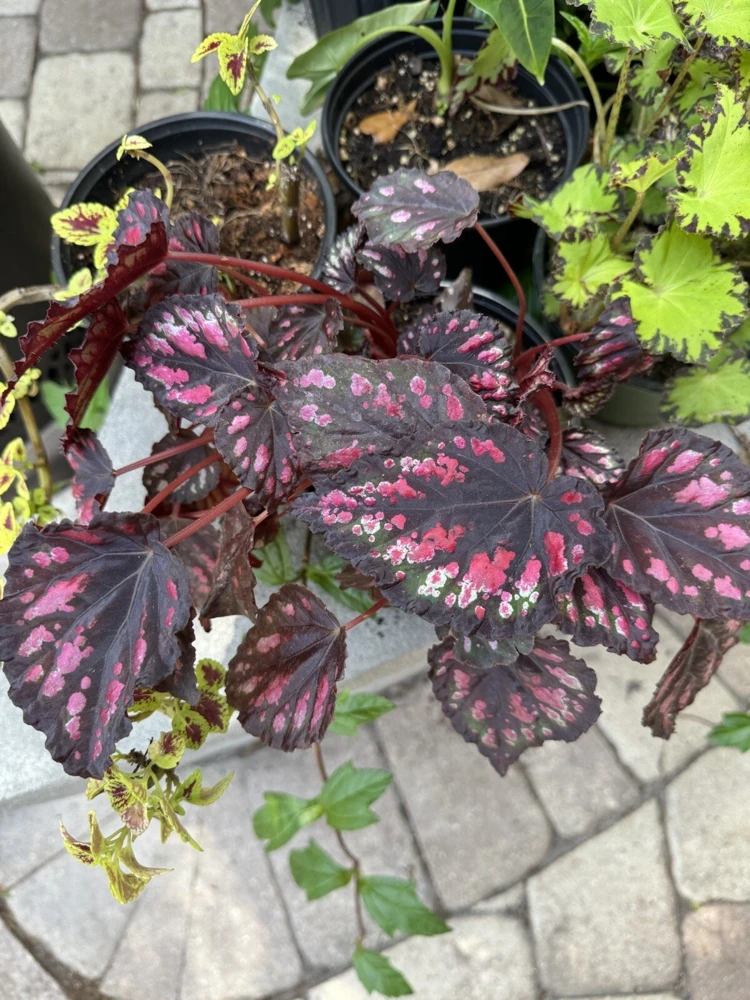
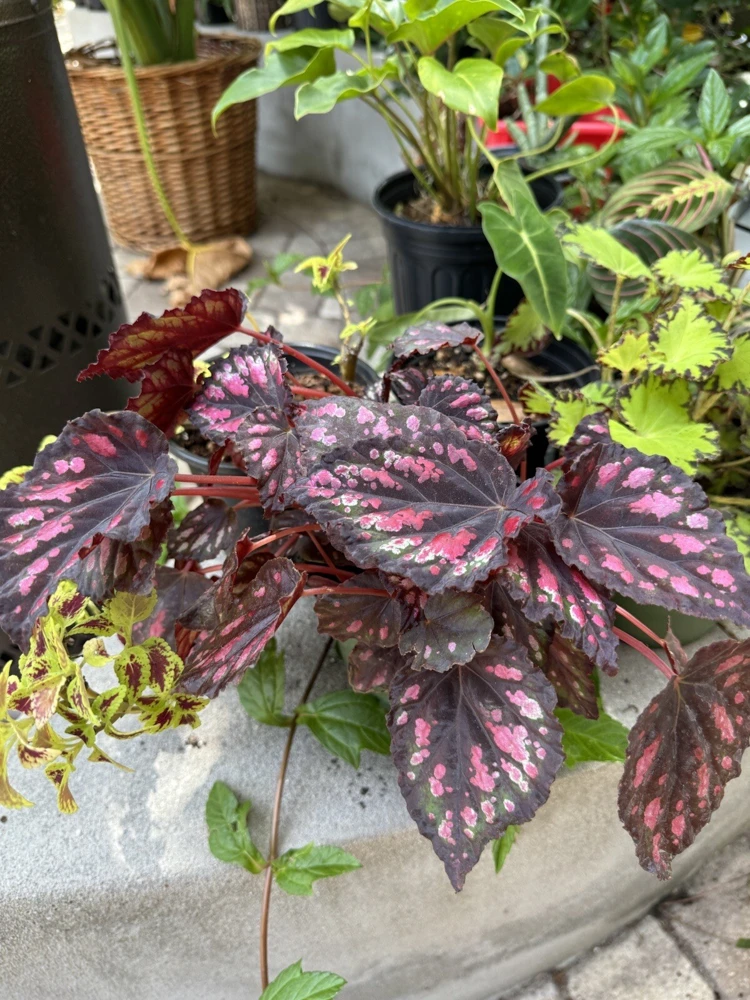
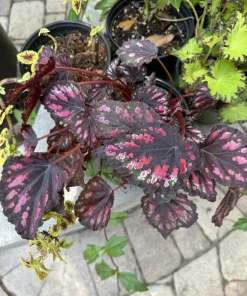
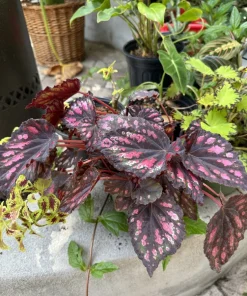
Begonia Live Plant – Houseplant – Assorted Varieties – Indoor/Outdoor
Original price was: $61.99.$41.99Current price is: $41.99.
Enhance your living space with a beautiful begonia live plant. Known for their striking foliage and colorful blooms, begonias are versatile houseplants that thrive indoors or in shaded outdoor areas. Perfect for adding a touch of elegance and natural beauty to any room or garden.
Estimated arrival
Oct 28
Nov 02 - Nov 04
Nov 07 - Nov 11
Shop With Confidence
30-Day Plant Health Guarantee
Arrives damaged? We’ll replace it free — see our return policy.
Responsive Support
Email us anytime, we reply within 1 business day.
Expert Packaging
Temperature-controlled shipping to protect your plants in transit.
Secure Checkout
Pay safely with Visa, Mastercard, PayPal.
Plant Specifications
-
USDA Hardiness Zone
USDA zones 9–11 (outdoors) -
Soil Type
Well-draining, peat-based potting mix -
Sunlight Exposure
Bright indirect light -
Expected Planting Period
Year-round indoors; spring to summer outdoors
Overview
Introduce a touch of vibrant charm to your home or garden with a begonia live plant. Begonias are celebrated for their diverse beauty, offering an array of leaf shapes, patterns, and flower colors that can brighten any setting. Whether you’re a seasoned gardener or a beginner, these delightful plants provide continuous visual interest. Originating from tropical and subtropical regions, begonias have evolved into an incredibly varied genus, with species ranging from upright, cane-stemmed types to trailing varieties and those grown primarily for their dramatic foliage. Our selection of begonia live plant specimens arrives healthy and ready to thrive, bringing immediate life and color to your chosen space. These versatile plants can be grown as stunning houseplants or as seasonal outdoor accents in appropriate climates, making them a popular choice for plant enthusiasts.
Begonias are not just pretty faces; they are also relatively easy to care for once their basic needs are met. Their adaptability to various light conditions, from bright indirect light indoors to shaded outdoor spots, contributes to their widespread appeal. With proper care, a begonia live plant can provide months, if not years, of enjoyment. They are particularly favored for their ability to add a tropical feel to indoor environments and for their continuous blooming in ideal conditions. Explore the fascinating world of begonias and find the perfect addition to your plant collection.
Key Benefits
A begonia live plant offers numerous benefits, making it an excellent choice for both novice and experienced plant owners. These plants are beloved for their aesthetic appeal and relatively straightforward care requirements, providing a rewarding gardening experience.
- Stunning Visual Appeal: Begonias boast an incredible array of foliage colors, patterns, and textures, from glossy green to deep burgundy, often with intricate veining or silver markings. Their flowers, which come in shades of red, pink, orange, yellow, and white, add another layer of beauty.
- Versatile Placement: These plants thrive as indoor houseplants, adding a tropical touch to living rooms, bedrooms, or offices. They can also be grown outdoors in shaded patios, garden beds, or hanging baskets during warmer months, offering flexible landscape options.
- Air Purification: Like many houseplants, begonias contribute to improved indoor air quality by absorbing common household toxins and releasing oxygen, creating a healthier living environment.
- Long Blooming Period: Many begonia varieties are known for their extended blooming seasons, providing continuous color and cheer for several months, especially when grown in optimal conditions.
- Relatively Low Maintenance: While they appreciate consistent care, begonias are not overly demanding. With the right light, water, and humidity, they can flourish with minimal fuss, making them suitable for busy individuals.
- Compact Growth Habit: Most begonia types maintain a manageable size, making them ideal for windowsills, tabletops, or small garden spaces where larger plants might overwhelm the area.
- Propagates Easily: Many begonias can be easily propagated from stem or leaf cuttings, allowing you to expand your collection or share with friends, extending the joy of growing begonias.
Plant Care & Growing Tips
Caring for your begonia live plant involves understanding its specific needs for light, water, soil, and humidity to ensure vigorous growth and abundant blooms. Begonias generally prefer bright, indirect light. Direct sunlight, especially harsh afternoon sun, can scorch their delicate leaves. If grown indoors, an east-facing window or a few feet away from a south or west-facing window is often ideal. For outdoor placement, choose a spot with dappled shade or morning sun and afternoon shade. Insufficient light can lead to leggy growth and fewer flowers, so finding the right balance is key for optimal health and bloom production.
Watering is crucial for begonias; they prefer consistently moist soil but absolutely detest being waterlogged. Allow the top inch or two of soil to dry out before watering again. Overwatering can quickly lead to root rot, which is a common issue. Ensure your pot has good drainage holes. Humidity is also important, as begonias are tropical plants. Indoors, consider placing the pot on a pebble tray with water or using a humidifier, especially in dry environments. Misting leaves is generally not recommended as it can encourage fungal diseases. For soil, a well-draining, peat-based potting mix is usually best, providing both moisture retention and aeration. Fertilize every 2-4 weeks during the growing season (spring and summer) with a balanced liquid fertilizer diluted to half strength. Reduce or stop fertilizing during fall and winter when growth slows. Understanding begonia care will help your plant thrive.
Begonias prefer temperatures between 65-75°F (18-24°C) and do not tolerate cold drafts or temperatures below 50°F (10°C). Most begonias are not hardy in freezing conditions, so they are typically grown as annuals outdoors or brought indoors as houseplants during winter in cooler climates (USDA zones 9–11 are generally suitable for outdoor year-round growth, depending on the specific type). Watch out for common pests like spider mites, mealybugs, and whiteflies, which can be treated with insecticidal soap. Proper air circulation helps prevent fungal diseases. Pruning can encourage bushier growth and more blooms; simply pinch back leggy stems. This attention to detail in begonia care will lead to a healthy and beautiful plant.
Size & Details
This begonia live plant typically ships as a well-rooted specimen, ready for immediate planting in your chosen container or garden spot. The exact size will vary depending on the specific variety, but most arrive in a 4-inch nursery pot, standing approximately 6-10 inches tall from the base of the pot. These plants are known for their moderate growth rate, quickly filling out their space with lush foliage and developing their characteristic blooms or striking leaf patterns. With proper care, they can reach a mature height and spread of 12-18 inches, though some cane or trailing types may grow larger. The plant will arrive carefully packaged to ensure its health and vitality during transit, minimizing stress. Expect your begonia to begin showing new growth and potentially blooming within a few weeks of arrival, given suitable environmental conditions. The form it ships in is a live, potted plant.
Frequently Asked Questions
- Q: How big does this begonia live plant get? A: Most common begonia varieties grown as houseplants or annuals typically reach a mature size of 12-18 inches in height and spread, although some cane or trailing types can grow larger.
- Q: Is this an indoor or outdoor plant? A: Begonias are highly versatile. They thrive as indoor houseplants year-round in bright, indirect light. They can also be grown outdoors in shaded areas during warmer months, but must be brought indoors or treated as annuals in regions with cold winters.
- Q: How much sunlight does my begonia need? A: Begonias prefer bright, indirect light. Avoid direct afternoon sun, which can scorch their leaves. A spot near an east-facing window indoors or a shaded patio outdoors is often ideal for optimal growth and flowering.
- Q: Is this plant easy to care for? A: Yes, many begonia varieties are considered relatively easy to care for, making them suitable for beginners. Consistent watering, proper light, and good drainage are key to their success.
- Q: What condition will the begonia arrive in? A: Your begonia live plant will arrive carefully packaged in a nursery pot, with its root ball intact and foliage protected, ensuring it reaches you healthy and ready for its new home.
- Q: How long until my begonia blooms? A: If provided with optimal conditions, many begonias can bloom continuously for several months, especially during spring, summer, and fall. If purchased in bloom, it will continue to flower.
- Q: What’s the best soil for growing begonias? A: Begonias thrive in a well-draining, peat-based potting mix that retains some moisture but doesn’t become waterlogged. A mix formulated for houseplants or African violets often works well.
- Q: Are begonias pet-safe? A: No, begonias are considered toxic to pets if ingested, particularly the tubers. It’s best to keep them out of reach of curious cats and dogs to ensure pet safety.
- Q: What is the ideal temperature range for begonias? A: Begonias prefer consistent temperatures between 65-75°F (18-24°C). They are sensitive to cold and should not be exposed to temperatures below 50°F (10°C).
- Q: How often should I water my begonia? A: Water your begonia when the top inch or two of soil feels dry to the touch. Avoid overwatering, as this can lead to root rot. Ensure excess water can drain away freely.
Be the first to review “Begonia Live Plant – Houseplant – Assorted Varieties – Indoor/Outdoor”
People Also Viewed
Uncategorized
Reviews
There are no reviews yet.