
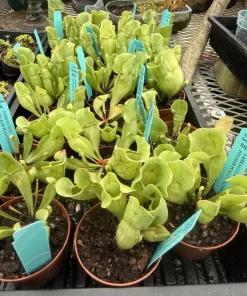
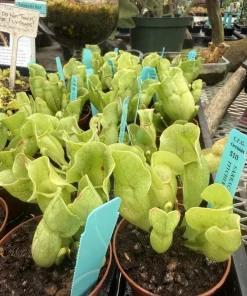
Sarracenia Pitcher Plant – Live Carnivorous Plant – Houseplant
Original price was: $81.99.$61.99Current price is: $61.99.
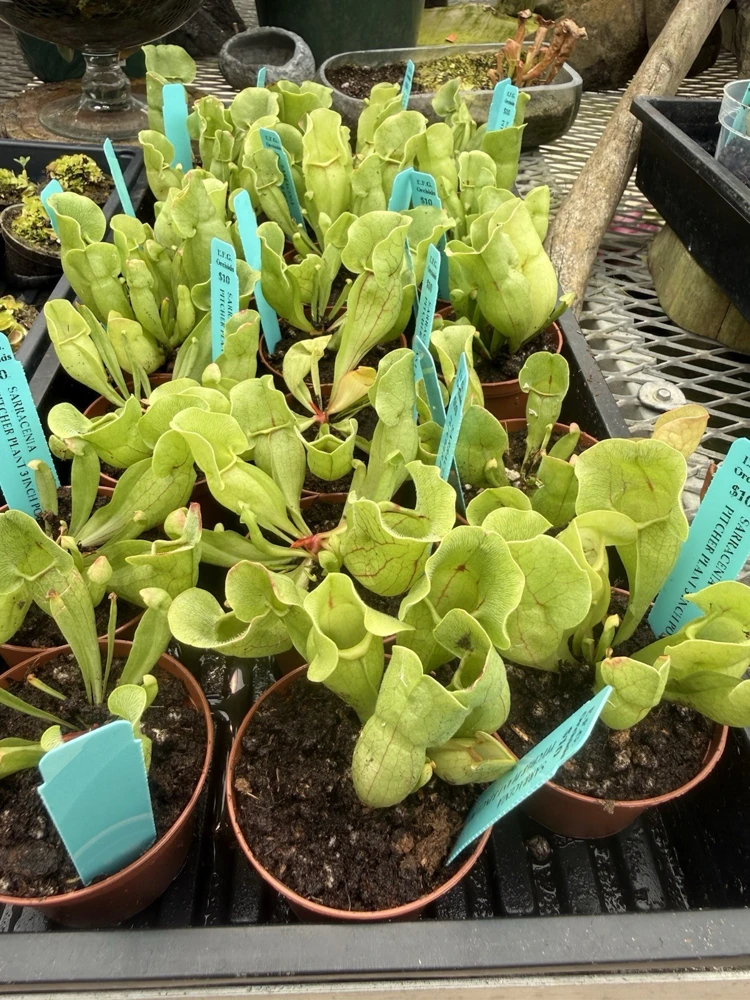
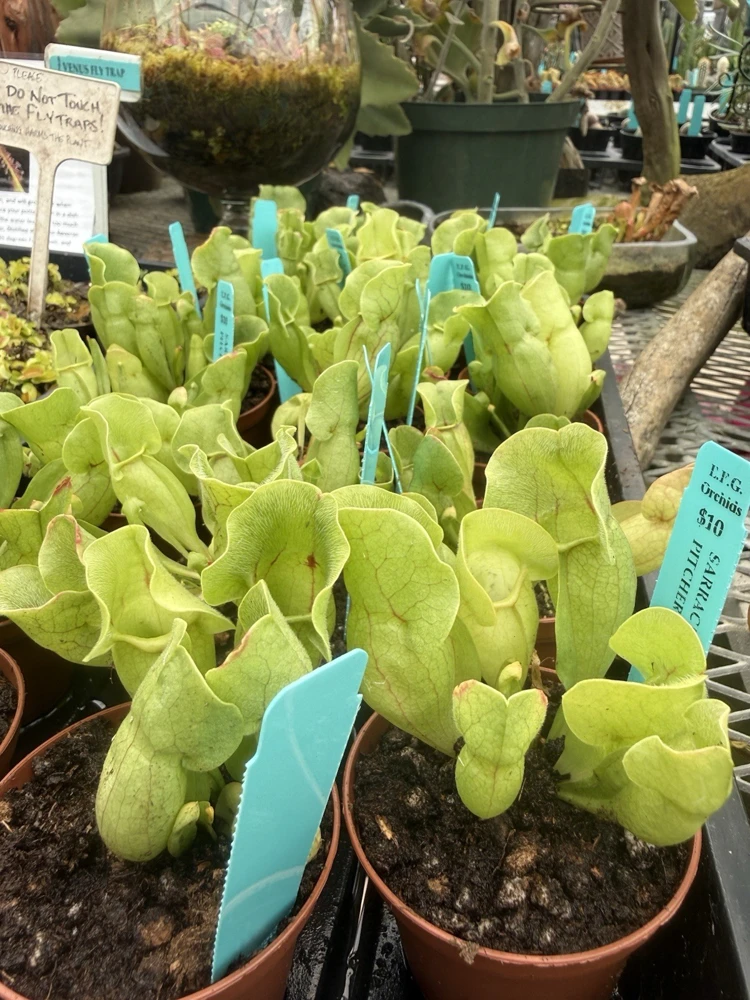
Bring home a captivating sarracenia pitcher plant, a unique carnivorous houseplant known for its striking, insect-devouring pitchers. This live plant adds an exotic touch to any collection and is surprisingly easy to care for.
Estimated arrival
Oct 27
Nov 01 - Nov 03
Nov 06 - Nov 10
Shop With Confidence
30-Day Plant Health Guarantee
Arrives damaged? We’ll replace it free — see our return policy.
Responsive Support
Email us anytime, we reply within 1 business day.
Expert Packaging
Temperature-controlled shipping to protect your plants in transit.
Secure Checkout
Pay safely with Visa, Mastercard, PayPal.
Plant Specifications
-
USDA Hardiness Zone
USDA zones 6-9 (species dependent, some can be grown outdoors year-round in these zones) -
Soil Type
Peat moss and perlite/sand mix -
Sunlight Exposure
Full sun (6-8+ hours direct light) -
Expected Planting Period
Year-round indoors; spring to early summer outdoors
Overview
Welcome the intriguing world of carnivorous plants into your home with a stunning sarracenia pitcher plant. Also commonly known as the North American Pitcher Plant, Sarracenia is a genus of fascinating insectivorous plants native to the eastern seaboard of the United States, Texas, and southeastern Canada. These remarkable plants derive a significant portion of their nutrients from trapping and digesting insects using their distinctive, pitcher-shaped leaves. Each pitcher acts as a natural, highly effective trap, luring prey with nectar and vibrant colors before guiding them into a slippery, enzyme-filled reservoir. Owning a sarracenia pitcher plant is not just about having a houseplant; it’s about cultivating a living, dynamic ecosystem that actively contributes to natural pest control in your environment.
Our live sarracenia pitcher plant is a testament to nature’s ingenuity, offering both aesthetic appeal and biological wonder. It’s an excellent choice for both seasoned carnivorous plant collectors and beginners looking to explore the unique world of insectivorous flora. Each plant is carefully cultivated to ensure health and vigor upon arrival, ready to display its spectacular pitchers and begin its important work. With its architectural form and captivating function, the Sarracenia pitcher plant promises to be a conversation starter and a constant source of fascination in any indoor garden setting.
Key Benefits
The sarracenia pitcher plant offers a multitude of benefits beyond its striking appearance, making it a truly rewarding addition to your plant collection:
- Natural Pest Control: One of the most significant advantages of owning a sarracenia pitcher plant is its ability to naturally trap and consume common household pests such as flies, gnats, and even mosquitoes. This provides an eco-friendly alternative to chemical pest deterrents, helping to maintain a healthier indoor environment.
- Unique Aesthetic Appeal: With its distinctive, often brightly colored, and intricately veined pitcher leaves, the Sarracenia adds an exotic and sculptural element to any room. Its unusual form stands out among traditional houseplants, creating a focal point in your decor.
- Educational Value: For families and curious minds, the Sarracenia offers a live lesson in botany and ecology. Observing its unique hunting mechanism provides insight into plant adaptations and the natural world, making it a great learning tool.
- Low Maintenance for Carnivorous Plants: Compared to some other carnivorous species, a live pitcher plant from the Sarracenia genus is relatively easy to care for once its basic needs for light, water, and humidity are met. Its robust nature makes it forgiving for new enthusiasts of carnivorous plants.
- Air Purification: Like many houseplants, Sarracenia contributes to improved indoor air quality by absorbing carbon dioxide and releasing oxygen. While its primary function is insect trapping, it still plays a role in creating a fresher atmosphere.
- Conversation Starter: The sheer novelty of a plant that eats insects is bound to spark curiosity and conversation among guests. It’s a unique botanical specimen that invites questions and admiration, enhancing your home’s character.
- Adaptable to Various Settings: While often grown indoors, many Sarracenia species can also thrive outdoors in bog gardens or on sunny patios in suitable climates, offering versatility in where you can display your plant.
Plant Care & Growing Tips
Caring for your sarracenia pitcher plant is straightforward once you understand its specific needs, which mimic its natural bog habitat. Proper care ensures vigorous growth and abundant, healthy pitchers. First and foremost, sunlight is crucial. Sarracenia thrives in bright, direct sunlight for at least 6-8 hours a day. Indoors, place it in your sunniest window, ideally south-facing, or supplement with a strong grow light. Insufficient light will result in weak, pale pitchers and a lack of coloration. Outdoors, it should be in a location that receives full sun throughout the day.
Watering is perhaps the most critical aspect of carnivorous plant care. Sarracenia requires consistently moist soil, mimicking its bog origins. Always use distilled water, rainwater, or reverse osmosis water. Tap water, even filtered, often contains minerals and salts that will accumulate over time and harm the plant. Never let the soil dry out completely. A common method is to keep the pot sitting in about 1 inch of purified water in a tray, allowing the plant to absorb water from the bottom. During winter dormancy, reduce watering slightly but still keep the soil damp.
The correct soil mix is also vital. Sarracenia needs an acidic, nutrient-poor, well-draining medium. A common and effective mix is a 1:1 ratio of peat moss (without added fertilizers) and perlite or horticultural sand. Avoid standard potting soil, as its nutrients will burn the roots of this specialized plant. Fertilization is generally not required and can be detrimental; the plant gets all the nutrients it needs from the insects it catches. Maintain good airflow around the plant to prevent fungal issues. During winter, many Sarracenia species require a dormancy period, where temperatures drop, and growth slows. This is a natural and necessary part of the plant’s life cycle for long-term health. If you are looking for specific sarracenia care guide tips for a particular variety, always research its unique needs, but these general guidelines apply to most.
Size & Details
Our sarracenia pitcher plant is shipped as a healthy, actively growing specimen, typically with several well-formed pitchers. The exact size will vary depending on the specific Sarracenia variety and its growth stage, but you can generally expect a plant that is ready to thrive in its new home. Most Sarracenia varieties can reach heights of 1 to 3 feet in maturity, with some hybrids growing even taller, creating a dramatic vertical accent. The plant will arrive carefully packaged to ensure minimal stress during transit, often in a nursery pot ready for display or repotting into a suitable carnivorous plant mix. Given proper care, your Sarracenia will continue to produce new pitchers and grow robustly, showcasing its unique insect-trapping abilities throughout the growing season.
Frequently Asked Questions
- Q: How big does this plant get? A: A mature sarracenia pitcher plant can vary in height depending on the species and conditions, typically reaching between 1 to 3 feet tall, with some hybrids growing larger.
- Q: Is this an indoor or outdoor plant? A: Sarracenia can thrive both indoors in a very sunny window or outdoors in a bog garden or on a sunny patio, provided the climate is suitable for its dormancy requirements.
- Q: How much sunlight does it need? A: This live pitcher plant requires at least 6-8 hours of direct, bright sunlight daily to develop strong, colorful pitchers.
- Q: Is this plant easy to care for? A: While it has specific needs, particularly regarding water and soil, Sarracenia is considered relatively easy for a carnivorous plant, making it a good choice for beginners interested in insectivorous plants.
- Q: What condition will it arrive in? A: Your Sarracenia will arrive as a healthy, actively growing plant, carefully packed to minimize stress and ready to be placed in its new environment.
- Q: What type of water should I use? A: Always use distilled water, rainwater, or reverse osmosis water. Tap water contains minerals that are harmful to this plant.
- Q: How often should I water my Sarracenia? A: Keep the soil consistently moist, often by sitting the pot in a tray with an inch or two of purified water. Never let the soil dry out.
- Q: Does it need a dormancy period? A: Yes, most Sarracenia species require a winter dormancy with cooler temperatures to ensure long-term health and vigorous growth in subsequent seasons.
- Q: What kind of soil is best for a sarracenia pitcher plant? A: Use an acidic, nutrient-poor mix, typically a 1:1 blend of peat moss (without added fertilizers) and perlite or horticultural sand.
- Q: Do I need to feed it insects? A: No, if grown outdoors or in an area with some insects, the plant will catch its own. If grown indoors with no insects, it will still survive, but occasional small insect offerings can be beneficial.
Be the first to review “Sarracenia Pitcher Plant – Live Carnivorous Plant – Houseplant”
People Also Viewed
Houseplants
Variegated Peace Lily Domino Live Plant – Spathiphyllum – Rooted in 3 inch Pot – Indoor Air Purifier
Reviews
There are no reviews yet.