












25+ Malabar Spinach Seeds – Mong Toi Ceylon Vine Spinach – GMO-Free Perennial
Original price was: $37.99.$12.99Current price is: $12.99.
Cultivate your own vibrant and healthy greens with these Malabar Spinach seeds. Known by many names including Mong Toi and Ceylon Spinach, this vigorous climbing vine offers delicious, nutrient-rich leaves. These perennial spinach seeds are GMO-free and ideal for adding a unique, heat-tolerant leafy vegetable to your garden or container planting.
Estimated arrival
Oct 15
Oct 20 - Oct 22
Oct 25 - Oct 29
Shop With Confidence
30-Day Plant Health Guarantee
Arrives damaged? We’ll replace it free — see our return policy.
Responsive Support
Email us anytime, we reply within 1 business day.
Expert Packaging
Temperature-controlled shipping to protect your plants in transit.
Secure Checkout
Pay safely with Visa, Mastercard, PayPal.
Plant Specifications
-
USDA Hardiness Zone
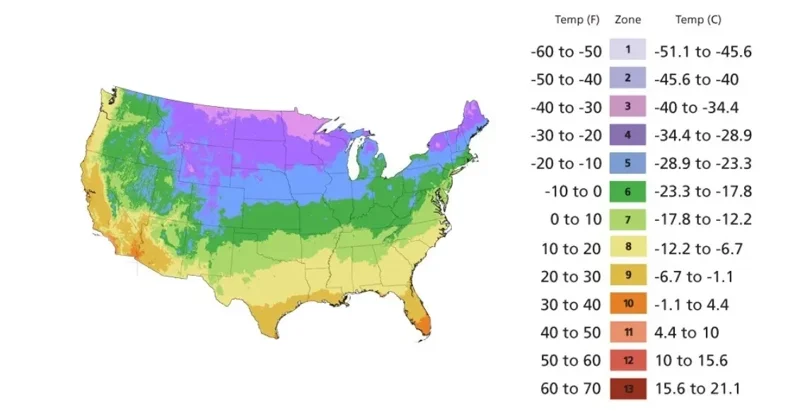
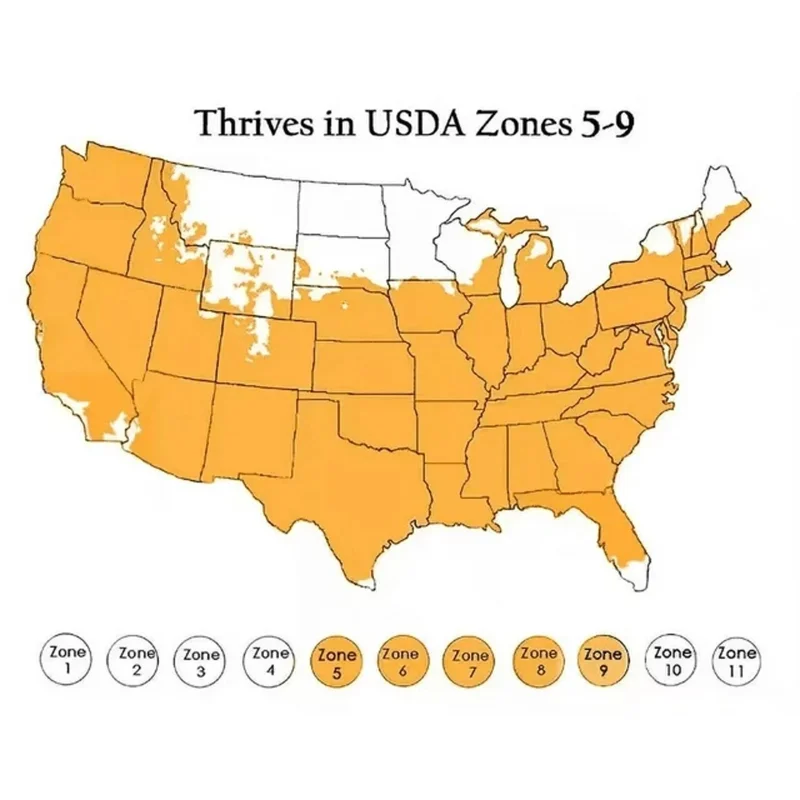
USDA zones 9-11 (perennial), all zones (annual) -
Soil Type
Well-draining, rich in organic matter -
Sunlight Exposure
Full sun to partial shade -
Expected Planting Period
Spring to early summer
Overview
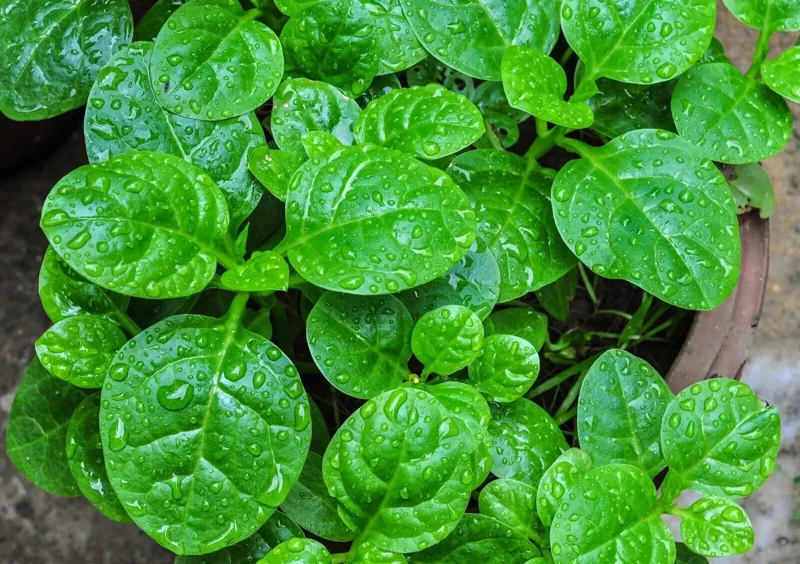
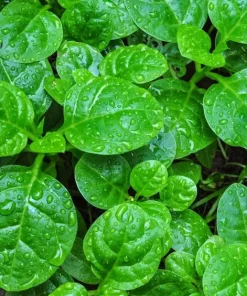
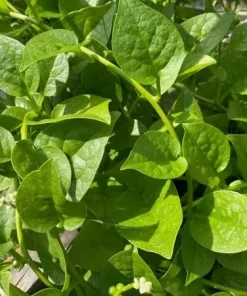
Embark on a rewarding gardening journey with these high-quality Malabar Spinach seeds. Also known as Mong Toi, Pui Sang, or Ceylon Spinach, this versatile plant (Basella alba) is not a true spinach but offers a similar, mild flavor and succulent texture, making it a fantastic warm-weather alternative to traditional spinach. Unlike its cool-season counterpart, Malabar Spinach thrives in heat and humidity, producing abundant, glossy green leaves on vigorous climbing vines. These Mong Toi seeds are perfect for gardeners seeking an easy-to-grow, nutritious, and beautiful edible plant that can be harvested repeatedly throughout the growing season. Enjoy fresh leaves in salads, stir-fries, or cooked dishes, adding a healthy boost to your meals. This GMO-free variety ensures you’re growing a natural and wholesome food source for your family.
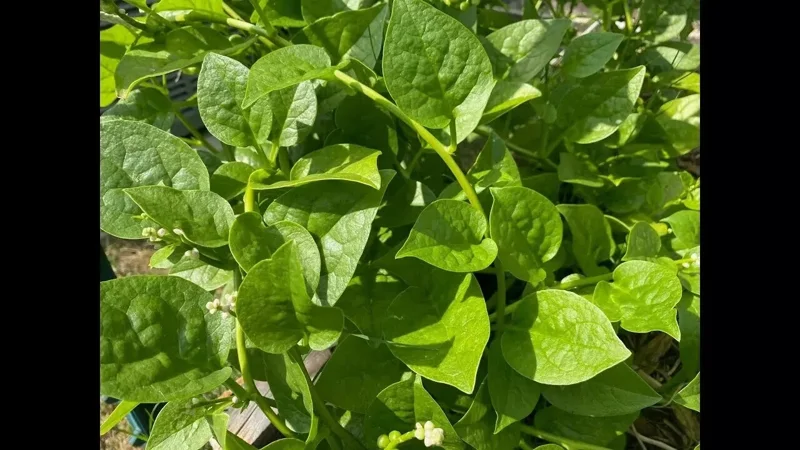
The Ceylon Spinach seeds provided will germinate into robust plants, quickly forming lush, green foliage that can reach impressive lengths, often requiring support like a trellis or fence. As a perennial in warmer climates and an annual in cooler regions, it offers continuous harvests, providing a steady supply of tender greens. Its attractive appearance also makes it a lovely addition to ornamental gardens, blurring the lines between edible and decorative landscaping. Discover the joy of growing your own heat-loving ‘spinach’ with these exceptional seeds.
Key Benefits
Growing Malabar Spinach seeds offers a multitude of advantages for both the gardener and the kitchen. This resilient plant is incredibly productive and packed with nutrients, making it a smart choice for any edible garden.
- Nutrient-Rich Greens: Enjoy a continuous supply of fresh, healthy leaves rich in vitamins A and C, iron, and calcium. These greens are a fantastic addition to any diet, offering a mild, slightly peppery flavor.
- Heat-Tolerant Alternative: Unlike common spinach, Malabar Spinach seeds thrive in hot, humid conditions where other leafy greens bolt. This makes it an excellent choice for summer gardens.
- Vigorous Climbing Habit: The beautiful vines can be trained on trellises, fences, or arbors, adding an attractive vertical element to your garden while maximizing growing space.
- Long Harvest Season: As a perennial (or self-seeding annual), you can enjoy harvests from spring through fall, providing a consistent source of fresh greens.
- Easy to Grow: These perennial spinach seeds are known for their ease of cultivation, making them suitable for beginner gardeners. They require minimal fuss once established.
- Versatile Culinary Use: The tender leaves and shoots can be used raw in salads, cooked like traditional spinach in stir-fries, soups, or steamed, or added to smoothies.
- GMO-Free: Start your garden with confidence, knowing these seeds are non-GMO, ensuring a natural and wholesome crop.
Plant Care & Growing Tips
Successfully growing Malabar Spinach seeds is straightforward, as this plant is quite resilient and adaptable. For optimal growth, choose a location that receives full sun, ideally 6-8 hours of direct sunlight per day. While it tolerates some partial shade, especially in the hottest afternoon sun, more sun generally means more vigorous growth and higher yields. The ideal soil for Mong Toi seeds should be well-draining, rich in organic matter, and have a neutral to slightly acidic pH (6.5-7.0). Amend heavy clay soils with compost to improve drainage and fertility, or sandy soils to enhance water retention.
Watering is crucial, especially during dry spells. Keep the soil consistently moist but not waterlogged. Malabar Spinach prefers regular watering, particularly when establishing and during active growth. Drought stress can lead to slower growth and tougher leaves. As a climbing vine, provide a sturdy support structure like a trellis, netting, or stakes for the plant to climb. This not only keeps the foliage off the ground but also improves air circulation, reducing the risk of fungal diseases. Fertilize every 4-6 weeks with a balanced organic fertilizer, or use a liquid feed during peak growing season to encourage continuous leaf production. These Ceylon Spinach seeds are generally easy to care for, making them a gardener’s delight. Protect from frost, as it is not cold-hardy. In temperate zones, it can be grown as an annual, or overwintered indoors if desired.
Size & Details
Each packet contains 25+ Malabar Spinach seeds, providing ample opportunity to establish a thriving patch of this delicious vine. Upon germination, these seeds develop into vigorous climbing plants that can reach heights of 6 to 10 feet or more, depending on growing conditions and available support. The plant’s spread can vary, typically around 1 to 3 feet wide, as it sends out numerous branching vines. These perennial spinach seeds are best sown in spring or early summer after the last frost, when soil temperatures have warmed. Expect germination within 7-21 days under ideal conditions. The plants will begin producing harvestable leaves approximately 50-70 days after planting. This variety is known for its fast growth rate and continuous production of succulent green leaves throughout the warm season.
Malabar Spinach can be grown in the ground or in large containers (at least 5-gallon capacity) with a sturdy trellis. It is typically harvested by pinching off the tender leaves and young shoots, which encourages more branching and production. The product includes seeds only, ready for you to sow and cultivate your own fresh, organic greens. The leaves are a vibrant green, and the stems are typically green, providing a beautiful contrast in the garden. This heat-loving vine is a fantastic addition to any edible landscape, ensuring a bountiful harvest of delicious vine spinach growing.
Frequently Asked Questions
- Q: How many Malabar Spinach seeds are included in a packet? A: Each packet contains 25+ Malabar Spinach seeds, providing a generous quantity for your gardening needs. This allows for multiple plantings or sharing with fellow gardeners.
- Q: Is Malabar Spinach an indoor or outdoor plant? A: Malabar Spinach seeds are primarily grown outdoors as a warm-season vegetable. In tropical and subtropical climates (USDA zones 9-11), it can be a perennial. In cooler regions, it’s typically grown as an annual, but can be started indoors and transplanted after the last frost.
- Q: How much sunlight does Malabar Spinach need? A: For optimal growth and leaf production, Malabar Spinach thrives in full sun, requiring at least 6-8 hours of direct sunlight daily. It can tolerate partial shade, especially in very hot climates.
- Q: Is this plant easy to care for, especially for beginners? A: Yes, Mong Toi seeds are known for producing plants that are relatively easy to grow and maintain, making them an excellent choice for beginner gardeners. They are quite resilient once established.
- Q: What condition will the Malabar Spinach seeds arrive in? A: The product consists of high-quality, viable seeds, packaged to ensure their freshness and readiness for planting upon arrival. They are not live plants but dormant seeds.
- Q: When is the best time to plant Malabar Spinach seeds? A: The ideal time to plant these Ceylon Spinach seeds is in late spring or early summer, after all danger of frost has passed and soil temperatures consistently remain above 65°F (18°C).
- Q: Will Malabar Spinach survive winter in my zone? A: Malabar Spinach is sensitive to frost. It will survive winter and grow as a perennial only in USDA Hardiness Zones 9-11. In colder zones, it will die back with the first frost and needs to be replanted annually, or you can try to overwinter it indoors.
- Q: Can I use Malabar Spinach in cooking? A: Absolutely! Malabar Spinach is a versatile culinary green. Its tender leaves and shoots can be eaten raw in salads, stir-fried, steamed, or used in soups and curries, offering a mild, slightly mucilaginous texture similar to okra.
- Q: How big does the Malabar Spinach plant get? A: As a vigorous climbing vine, Malabar Spinach can grow quite long, typically reaching 6 to 10 feet or more in length with proper support. It’s an excellent choice for vertical gardening.
- Q: Are these perennial spinach seeds GMO-free? A: Yes, these Malabar Spinach seeds are guaranteed GMO-free, ensuring you grow a natural and healthy food source.
Be the first to review “25+ Malabar Spinach Seeds – Mong Toi Ceylon Vine Spinach – GMO-Free Perennial”
People Also Viewed





Fruits
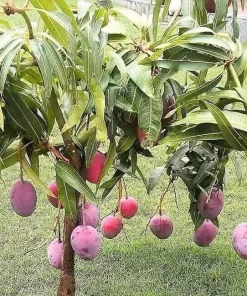
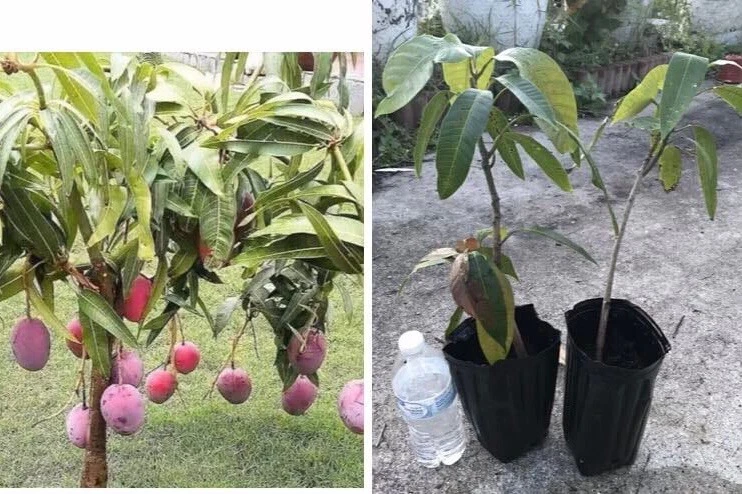
Mango Live Tropical Fruit Tree – Air Layered, 15-25 Inches Tall, Gives Fruit Soon, Indoor/Outdoor

Reviews
There are no reviews yet.