






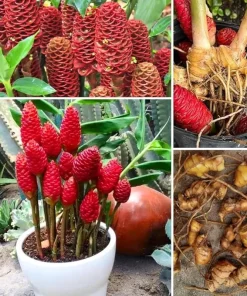







3 Shampoo Ginger Rhizomes – Zingiber Zerumbet Pine Cone Ginger Tropical Live Plant
Original price was: $48.99.$23.99Current price is: $23.99.
Cultivate the unique shampoo ginger rhizomes (Zingiber Zerumbet), also known as Pine Cone Ginger. These tropical rhizomes produce beautiful, fragrant red inflorescences, perfect for adding an exotic touch to your garden or indoor space. Easy to grow and maintain.
Estimated arrival
Oct 15
Oct 20 - Oct 22
Oct 25 - Oct 29
Shop With Confidence
30-Day Plant Health Guarantee
Arrives damaged? We’ll replace it free — see our return policy.
Responsive Support
Email us anytime, we reply within 1 business day.
Expert Packaging
Temperature-controlled shipping to protect your plants in transit.
Secure Checkout
Pay safely with Visa, Mastercard, PayPal.
Plant Specifications
-
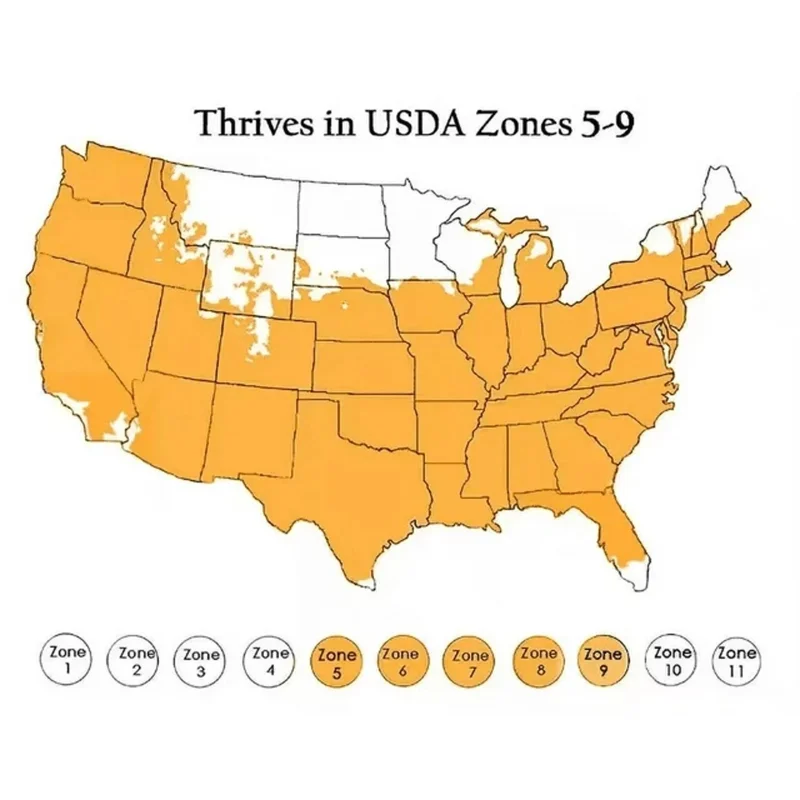
USDA Hardiness Zone
8 (10 to 20 °F) -
Soil Type
Loamy soil -
Sunlight Exposure
Partial Shade, Full Sun, Medium Sun -
Expected Planting Period
Spring, Summer
Overview
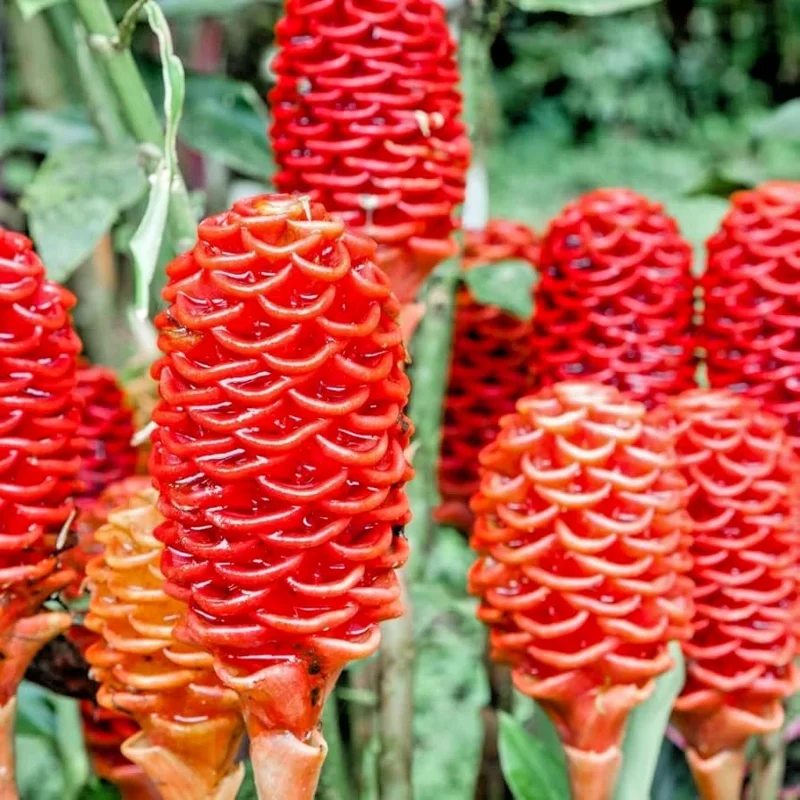
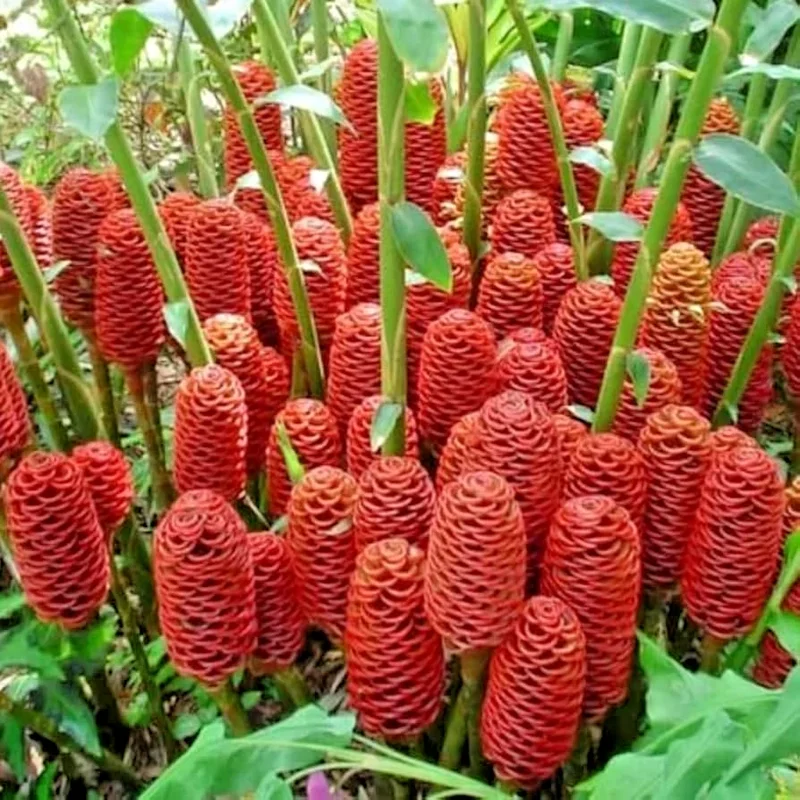
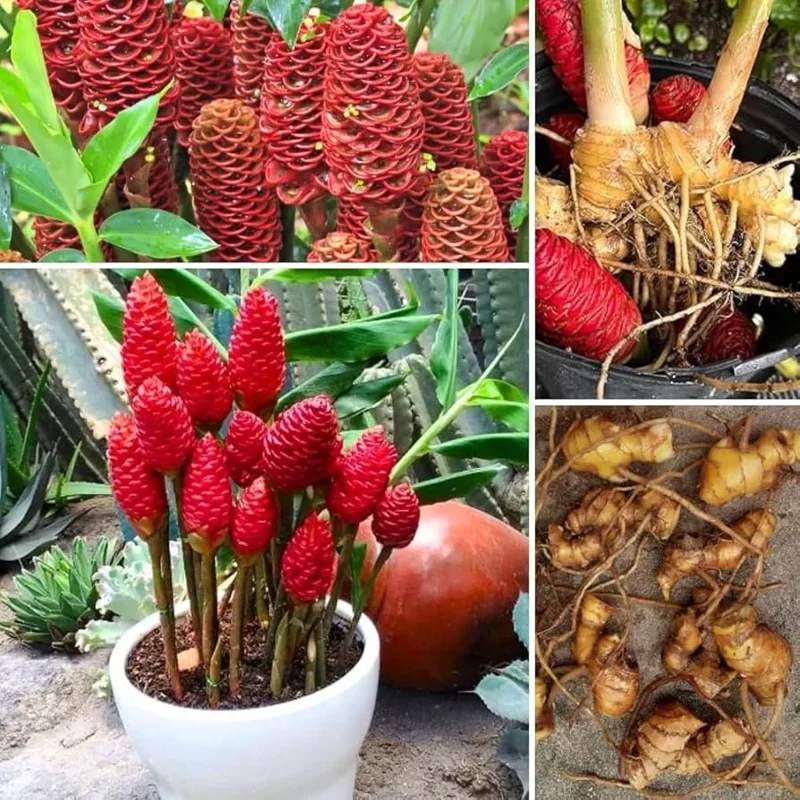
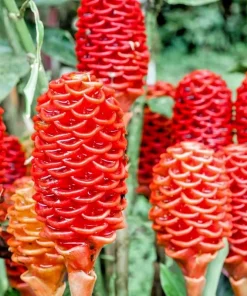
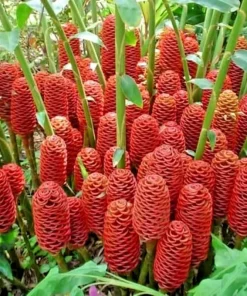
Embark on a tropical gardening adventure with these shampoo ginger rhizomes, scientifically known as Zingiber Zerumbet. Often referred to as Pine Cone Ginger or Awapuhi, this unique ginger variety is celebrated for its distinctive red, cone-shaped inflorescences that emerge in late summer. These cones gradually fill with a fragrant, milky liquid that has historically been used in hair and skin care, giving the plant its common “shampoo ginger” name. Each order includes 3 healthy rhizomes, ready for planting, allowing you to cultivate this fascinating and beautiful tropical specimen in your own garden or as a striking potted plant. The vibrant appearance and aromatic qualities make it a standout addition to any plant collection, promising both visual appeal and a touch of the exotic.
The shampoo ginger rhizomes are a type of flowering ginger known for their ease of cultivation and dramatic display. Originating from tropical Asia, Zingiber Zerumbet thrives in warm, humid conditions but can be successfully grown in many climates with proper care. Its lush green foliage provides a beautiful backdrop before the stunning red cones appear, making it an attractive plant throughout its growing season. Whether you’re a seasoned gardener looking for something unique or a beginner eager to explore tropical plants, these rhizomes offer a rewarding and relatively simple growing experience.
Key Benefits
The shampoo ginger rhizomes offer a multitude of benefits, from their striking appearance to their practical uses and ease of care. Discover why this tropical plant is a fantastic choice for your home or garden:
- Unique Floral Display: The most captivating feature is the red, pine cone-like inflorescence that develops. These cones are not only visually stunning but also release a pleasant, earthy fragrance as they mature, adding an exotic sensory experience to your space.
- Natural Hair & Skin Conditioner: Historically, the clear, fragrant liquid found within the mature red cones has been used as a natural shampoo and conditioner, particularly in Hawaiian culture. This provides a fascinating and practical aspect to growing your own pine cone ginger plant.
- Easy to Grow: Despite its exotic appearance, Zingiber Zerumbet is surprisingly easy to cultivate, making it suitable for gardeners of all experience levels. It requires minimal fuss once established and is quite resilient.
- Versatile Planting: Suitable for both indoor and outdoor cultivation in appropriate climates. It can be a beautiful focal point in a tropical garden bed or a captivating container plant on a patio or indoors in a sunny spot.
- Lush Foliage: Before the cones appear, the plant boasts attractive, broad green leaves that create a dense, tropical aesthetic, providing lush greenery throughout the growing season.
- Perennial Growth: As a perennial, once planted, the tropical ginger plant will return year after year, providing continuous beauty and enjoyment with proper overwintering in colder zones.
- Aromatic Qualities: Beyond the liquid in the cones, the leaves and rhizomes themselves possess a subtle, pleasant ginger scent when bruised, contributing to the plant’s overall appeal.
Plant Care & Growing Tips
Caring for your shampoo ginger rhizomes is a straightforward process, especially when you understand its basic needs. This tropical beauty thrives in conditions that mimic its natural habitat. For optimal growth, provide a location with partial shade to full sun. In hotter climates, partial shade is preferable to protect the foliage from scorching, while in cooler zones, more sun can encourage better flowering. Aim for at least 4-6 hours of direct sunlight or bright, indirect light daily. The plant is adaptable to various light conditions, but consistent exposure helps develop robust cones. Understanding zingiber zerumbet care is key to a thriving plant.
Watering is crucial for pine cone ginger plant. Keep the soil consistently moist but not waterlogged, especially during the growing season (spring and summer). Reduce watering in the fall and winter as the plant may go dormant. Well-draining soil is paramount to prevent rhizome rot. A rich, loamy soil amended with organic matter works best. The USDA Hardiness Zone for Zingiber Zerumbet is typically 8-10, meaning it can tolerate temperatures down to 10-20°F. In colder zones, the rhizomes should be dug up and stored indoors over winter or grown as an annual. Fertilize every 2-4 weeks during the active growing season with a balanced liquid fertilizer to support vigorous growth and flowering. Watch out for common pests like spider mites or mealybugs, especially in dry indoor conditions; regular inspection and appropriate treatment can keep them at bay. Proper awapuhi ginger growing techniques ensure a healthy and productive plant.
Size & Details
This offering includes 3 viable shampoo ginger rhizomes, ready for planting. Each rhizome is carefully selected to ensure health and vigor, promising a strong start for your new plant. When mature, the Zingiber Zerumbet typically grows to a height of 3 to 7 feet, with a spread of 2 to 4 feet, forming a lush, clumping growth habit. The striking red pine cone inflorescences usually appear in late summer to early fall, following a period of active foliage growth in spring and summer. These cones can reach 4 to 8 inches in length. Expect the plant to establish itself and begin producing foliage within the first growing season, with flowers potentially appearing in the second season. This perennial plant will return year after year, offering a continuous display of tropical beauty. The rhizomes are shipped dormant, ensuring they travel well and are ready to sprout when planted in suitable conditions.
Frequently Asked Questions
- Q: How big do these shampoo ginger rhizomes get? A: Once mature, the shampoo ginger rhizomes typically produce plants that grow between 3 to 7 feet tall and spread 2 to 4 feet wide, creating a substantial tropical presence in your garden or large container.
- Q: Is this an indoor or outdoor plant? A: The pine cone ginger plant can be grown both indoors and outdoors. In USDA Zones 8-10, it can be an outdoor perennial. In colder climates, it’s best grown in containers and brought indoors for winter, or treated as an annual.
- Q: How much sunlight does it need? A: For best results, your tropical ginger plant prefers partial shade to full sun. In very hot climates, partial shade is recommended to prevent leaf scorch, while in cooler areas, it can tolerate more direct sun.
- Q: Is this plant easy to care for? A: Yes, zingiber zerumbet care is considered relatively easy. It requires consistent moisture during the growing season and well-draining soil, making it a good choice for both novice and experienced gardeners.
- Q: What condition will the rhizomes arrive in? A: Your 3 shampoo ginger rhizomes will arrive dormant, which is their natural state for shipping and planting. They will be healthy and ready to sprout once planted in appropriate conditions.
- Q: When is the best time to plant these rhizomes? A: The ideal time for awapuhi ginger growing is in the spring, after all danger of frost has passed, when soil temperatures begin to warm up. This allows the rhizomes ample time to establish before the summer growing season.
- Q: What type of soil is best for shampoo ginger? A: Shampoo ginger thrives in rich, well-draining, loamy soil that is high in organic matter. Good drainage is essential to prevent rhizome rot.
- Q: How long until it blooms? A: While foliage will typically appear in the first growing season, the distinctive red pine cone inflorescences often emerge in the second growing season, usually in late summer to early fall.
- Q: Can I use the liquid from the cones? A: Yes, the clear, fragrant liquid that collects in the mature red cones is traditionally used as a natural hair and skin conditioner. It’s a unique and rewarding aspect of growing this plant.
- Q: Will it survive winter in my zone? A: In USDA Zones 8-10, it can survive winter outdoors. In colder zones, the rhizomes should be dug up before the first frost and stored in a cool, dry place until spring, or the potted plant should be moved indoors.
Be the first to review “3 Shampoo Ginger Rhizomes – Zingiber Zerumbet Pine Cone Ginger Tropical Live Plant”
People Also Viewed

Flowers
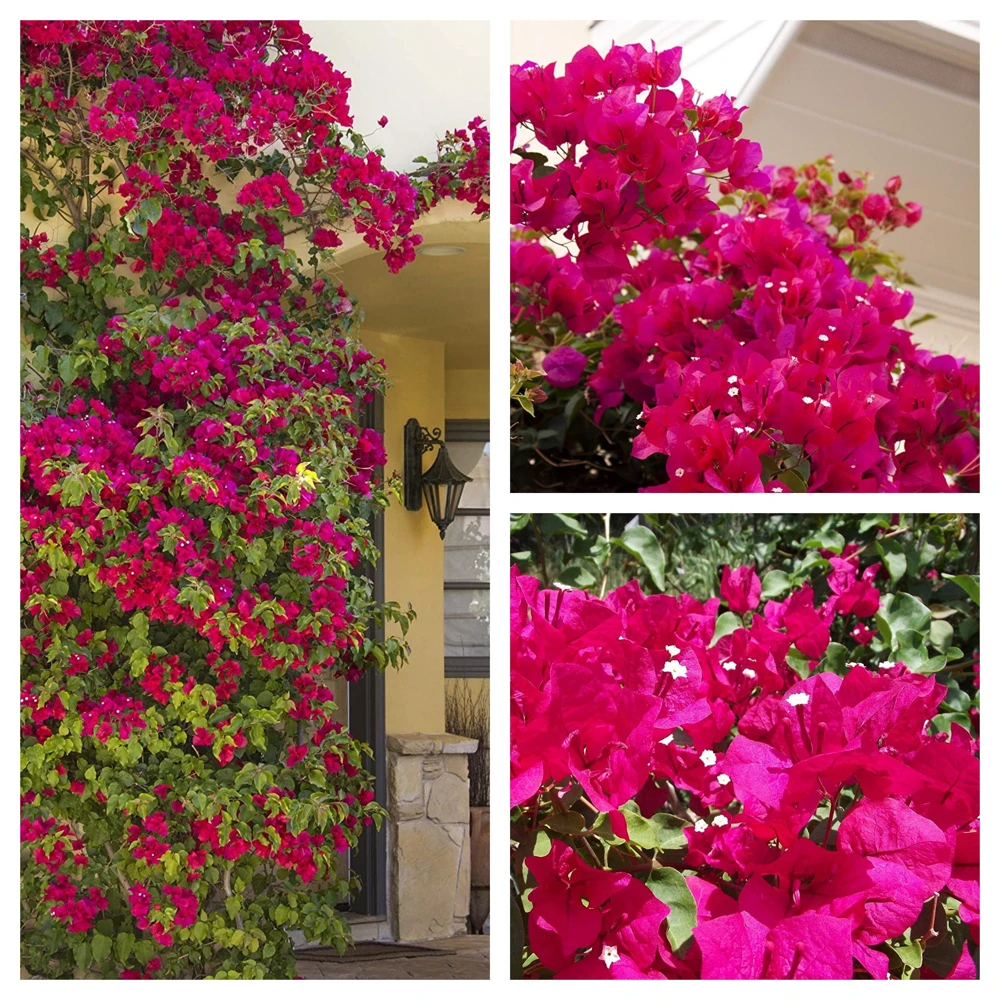
Bougainvillea Live Plant – Barbara Karst Starter Plants – 2 Pack – Bright Red Flowers – Outdoor
Reviews
There are no reviews yet.