

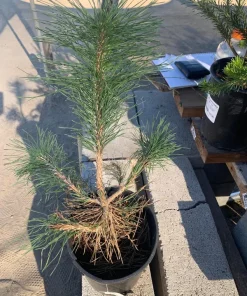
Japanese Black Pine Tree – Pinus Thunbergii Live Plant, 6 in to 1 ft Tall in 6 in Pot
$57.76
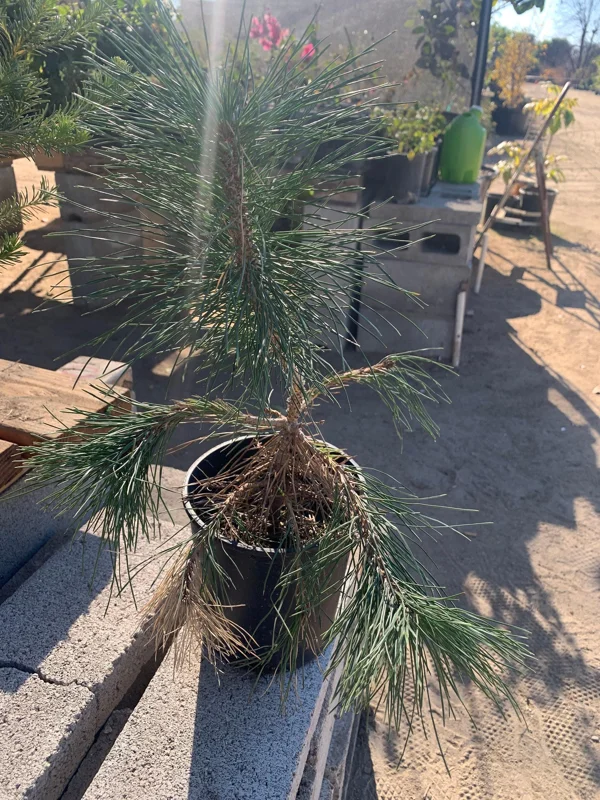
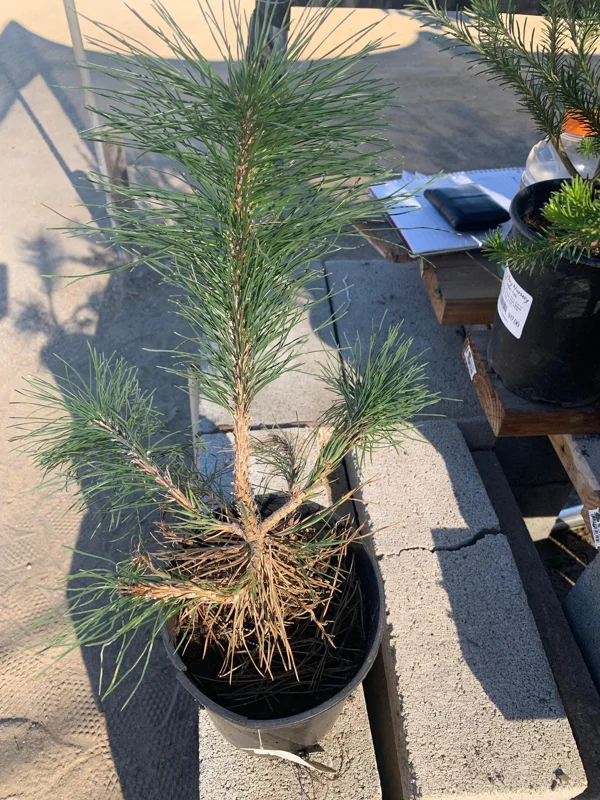
Bring timeless elegance to your landscape with a japanese black pine live plant. This resilient pinus thunbergii tree, measuring 6 inches to 1 foot tall and shipped in a 6-inch pot, is ideal for creating stunning garden features or cultivating as a classic bonsai specimen. Enjoy its striking form and robust growth.
Estimated arrival
Sep 14
Sep 19 - Sep 21
Sep 24 - Sep 28
Shop With Confidence
30-Day Plant Health Guarantee
Arrives damaged? We’ll replace it free — see our return policy.
Responsive Support
Email us anytime, we reply within 1 business day.
Expert Packaging
Temperature-controlled shipping to protect your plants in transit.
Secure Checkout
Pay safely with Visa, Mastercard, PayPal.
Plant Specifications
-
USDA Hardiness Zone
USDA zones 5-9 -
Soil Type
Well-draining, slightly acidic to neutral soil -
Sunlight Exposure
Full sun -
Expected Planting Period
Spring to early fall
Overview
Introduce a touch of serene beauty and rugged elegance to your outdoor space with this exquisite japanese black pine live plant. Scientifically known as Pinus thunbergii, this iconic conifer is celebrated for its distinctive dark green needles, striking bark, and impressive hardiness. Originating from coastal areas of Japan and South Korea, the pinus thunbergii tree is a symbol of strength and longevity, making it a highly sought-after specimen for both traditional and contemporary landscapes. Whether you envision it as a majestic focal point in your garden, a natural privacy screen, or a meticulously sculpted bonsai, this live plant offers unparalleled aesthetic appeal and horticultural versatility. Its ability to thrive in various conditions and its characteristic irregular growth habit ensure that each tree develops a unique and captivating form over time. This particular offering provides a healthy, established plant ready to flourish in its new home, promising years of enjoyment and a distinguished presence.
The japanese black pine live plant is more than just an ornamental tree; it’s a living piece of art that evolves with the seasons. Its dense foliage provides year-round greenery, while its rugged, often contorted branches create dramatic silhouettes, especially against a winter sky. Beyond its visual charm, the pinus thunbergii tree is also relatively low-maintenance once established, making it suitable for both experienced gardeners and those looking to add a significant, long-lived plant to their collection. Discover the enduring allure of this magnificent evergreen and transform your garden into a landscape of timeless beauty.
Key Benefits
The japanese black pine live plant offers a multitude of benefits, making it an excellent choice for a variety of landscaping and horticultural endeavors. Its robust nature and striking appearance contribute significantly to any outdoor setting.
- Exceptional Aesthetic Appeal: Known for its dark green needles, rugged bark, and often windswept form, the pinus thunbergii tree adds a dramatic and sophisticated element to any garden or landscape design. It’s truly a statement plant.
- Versatile Landscaping Option: This pine is incredibly adaptable, suitable for use as a specimen tree, a screen, in coastal gardens, or as a foundational planting. It can also be trained for formal gardens or even used in rock gardens.
- Ideal for Bonsai Cultivation: Its naturally artistic growth habit, combined with its resilience and ability to withstand pruning, makes it one of the most popular and revered choices for cultivating japanese black pine bonsai.
- Drought and Salt Tolerant: Once established, the japanese black pine live plant exhibits good tolerance to drought and is particularly well-suited for coastal environments due to its resistance to salt spray.
- Year-Round Interest: As an evergreen, it provides lush green foliage throughout all seasons, offering consistent visual appeal even in the depths of winter. This ensures continuous beauty in your garden.
- Long Lifespan: With proper care, these trees can live for many decades, becoming a cherished and enduring feature of your property for generations.
- Hardy and Resilient: Tolerant of a wide range of soil conditions and climates, it’s a robust choice for various growing zones, ensuring reliable performance in many different landscapes.
Plant Care & Growing Tips
Caring for your japanese black pine live plant involves understanding its fundamental needs to ensure vigorous growth and a healthy lifespan. This resilient tree thrives with proper attention to its environment and routine maintenance. When considering how to grow japanese black pine, start with the right location. It prefers full sun, meaning at least 6 hours of direct sunlight per day. While it can tolerate some partial shade, too little light can lead to sparse foliage and weaker growth. Ensure good air circulation around the tree to prevent fungal issues.
Watering should be consistent, especially during the first few years after planting. While established trees are drought-tolerant, young pines need regular moisture. The soil should be well-draining; avoid overly wet conditions that can lead to root rot. A good rule of thumb is to water deeply when the top few inches of soil feel dry to the touch. For soil type, the pinus thunbergii tree is adaptable but prefers slightly acidic to neutral soil (pH 5.0-7.0) that is rich in organic matter. Good drainage is paramount, so amending heavy clay soils with sand or compost can be beneficial. Fertilize sparingly; a balanced, slow-release evergreen fertilizer applied in early spring can support healthy growth, but over-fertilization can be detrimental. Pruning, especially for those interested in japanese black pine bonsai, is crucial for shaping and maintaining its desirable form. This typically involves candle pruning in spring to control growth and needle plucking in late summer or fall to promote back-budding and finer foliage.
The japanese black pine live plant is generally hardy in USDA zones 5-9. It can withstand cold winters and hot summers, but protection from extreme conditions, such as severe winter winds for young plants, can be beneficial. Watch out for common pests like scale insects or pine sawflies, and address them promptly with appropriate organic or chemical treatments. Fungal diseases are usually a result of poor air circulation or excessive moisture. With these care tips, your japanese black pine live plant will thrive, adding significant value and beauty to your landscape for many years.
Size & Details
Your japanese black pine live plant will arrive as a vigorous young specimen, typically ranging from 6 inches to 1 foot tall when measured from the top of the soil. It is carefully shipped in a 6-inch nursery pot, ensuring its root system is well-established and ready for transplanting. This size offers a fantastic starting point for developing a mature landscape tree or beginning a japanese black pine bonsai project. The growth rate of the pinus thunbergii tree is moderate, typically adding 12-24 inches per year under optimal conditions. In its natural environment, or as a mature landscape tree, it can eventually reach heights of 20-60 feet with a spread of 15-30 feet, though it can be kept much smaller with regular pruning and training for specific landscape or bonsai purposes. The plant will have characteristic dark green, stiff needles, usually 2-4 inches long, arranged in bundles of two.
When you receive your japanese black pine live plant, it will be a robust, healthy specimen with a well-developed root ball, minimizing transplant shock. The 6-inch pot provides ample room for initial growth before it needs to be moved to a larger container or its permanent spot in the ground. Expect to see new growth and further development quickly after planting, especially during the spring and summer months. This size makes it manageable for handling and planting, allowing you to easily integrate this stunning conifer into your garden design, whether you’re aiming for a grand landscape statement or a detailed bonsai creation. This particular offering is specifically chosen to ensure you receive a high-quality, viable plant ready for successful cultivation and long-term enjoyment.
Frequently Asked Questions
- Q: How big does this japanese black pine live plant get? A: This particular plant is 6 inches to 1 foot tall upon arrival. In the landscape, a mature pinus thunbergii tree can reach 20-60 feet tall with a spread of 15-30 feet, but its size can be controlled with pruning, especially for japanese black pine bonsai.
- Q: What size pot does it come in? A: Your japanese black pine live plant is shipped in a 6-inch diameter nursery pot, ensuring its root system is intact and ready for transplanting.
- Q: Is this an indoor or outdoor plant? A: The japanese black pine live plant is primarily an outdoor plant. It requires full sun exposure and is hardy in USDA zones 5-9, making it unsuitable for long-term indoor cultivation.
- Q: How much sunlight does it need? A: This tree thrives in full sun, meaning it needs at least 6 hours of direct sunlight per day to grow vigorously and maintain its dense foliage.
- Q: Is this plant easy to care for? A: Once established, the pinus thunbergii tree is relatively low-maintenance. Young plants require consistent watering and protection from extreme conditions, but they are generally hardy and resilient.
- Q: What condition will it arrive in? A: Your japanese black pine live plant will arrive as a healthy, actively growing plant, securely packaged in its 6-inch pot with its root ball intact, ready for planting.
- Q: When is the best time to plant a japanese black pine live plant? A: The best time to plant is typically in the spring or early fall, allowing the tree to establish its root system before extreme summer heat or winter cold.
- Q: What kind of soil does it prefer? A: The pinus thunbergii tree prefers well-draining soil, ideally slightly acidic to neutral. Good drainage is essential to prevent root rot.
- Q: Will it survive winter in my zone? A: The japanese black pine live plant is hardy in USDA zones 5-9, meaning it can tolerate winter temperatures down to -20°F in zone 5. Check your specific zone to ensure compatibility.
- Q: Can I grow this as a japanese black pine bonsai? A: Yes, the japanese black pine live plant is one of the most popular and rewarding species for bonsai cultivation due to its natural form, resilience, and ability to be shaped.
Be the first to review “Japanese Black Pine Tree – Pinus Thunbergii Live Plant, 6 in to 1 ft Tall in 6 in Pot”
People Also Viewed

Reviews
There are no reviews yet.