

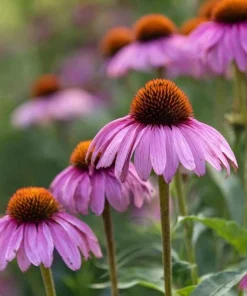
Purple Coneflower Seeds – Echinacea purpurea – 200 Seeds – Hardy Perennial for Pollinator Gardens
Original price was: $33.99.$13.99Current price is: $13.99.
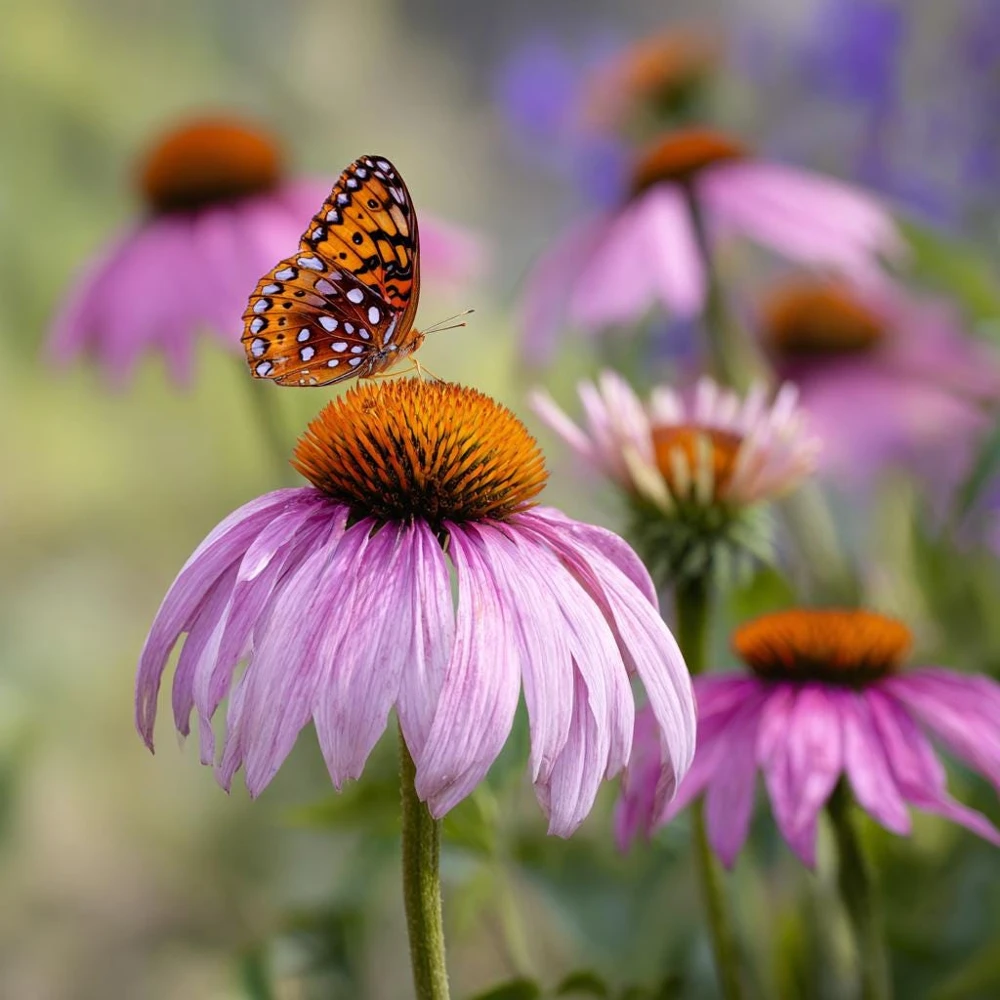
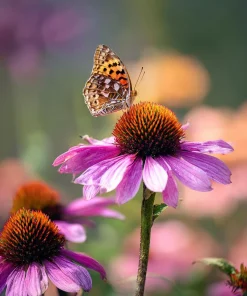
Cultivate stunning purple coneflower seeds (Echinacea purpurea), a hardy perennial that brings vibrant rosy-purple blooms to your garden. Ideal for attracting bees, butterflies, and birds, these echinacea purpurea seeds are perfect for creating a thriving pollinator habitat and can be used as medicinal herb seeds.
Estimated arrival
Oct 14
Oct 19 - Oct 21
Oct 24 - Oct 28
Shop With Confidence
30-Day Plant Health Guarantee
Arrives damaged? We’ll replace it free — see our return policy.
Responsive Support
Email us anytime, we reply within 1 business day.
Expert Packaging
Temperature-controlled shipping to protect your plants in transit.
Secure Checkout
Pay safely with Visa, Mastercard, PayPal.
Plant Specifications
-
USDA Hardiness Zone
USDA Zones 3-9 -
Soil Type
Well-draining soil -
Sunlight Exposure
Full sun -
Expected Planting Period
Late fall or early spring (outdoors), 8-10 weeks before last frost (indoors)
Overview
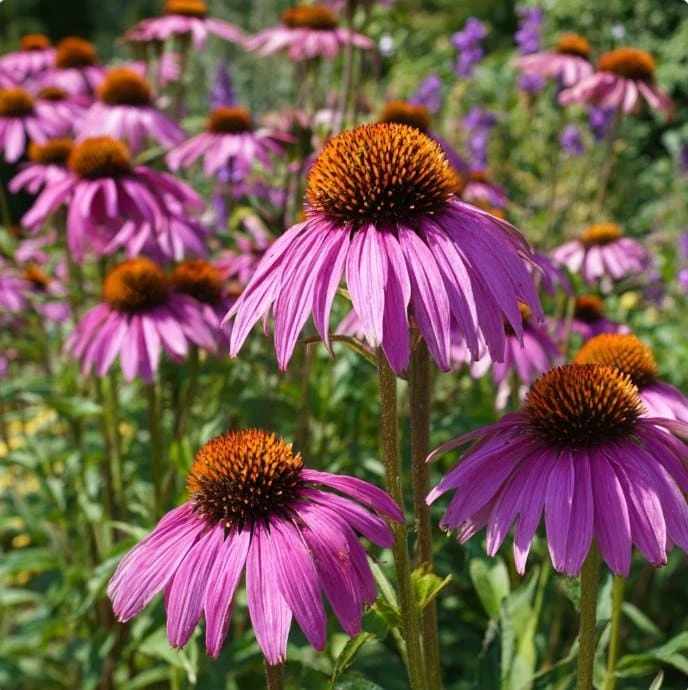
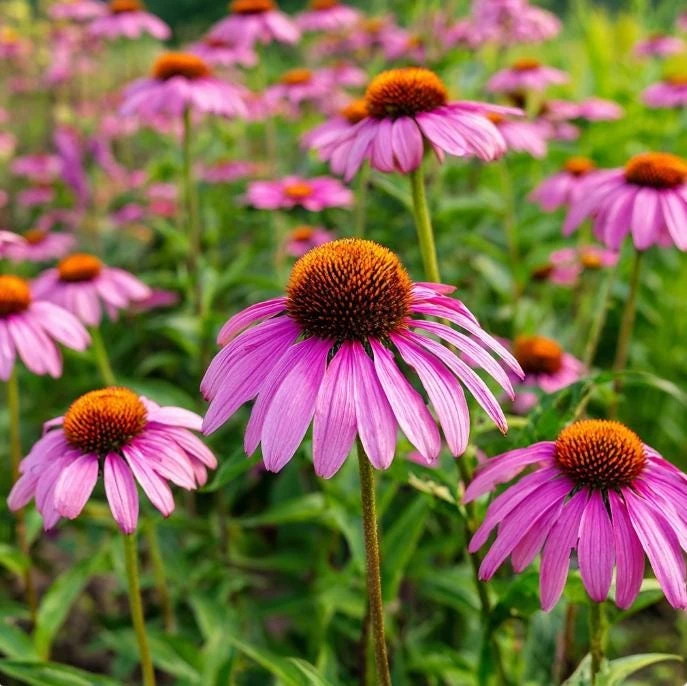
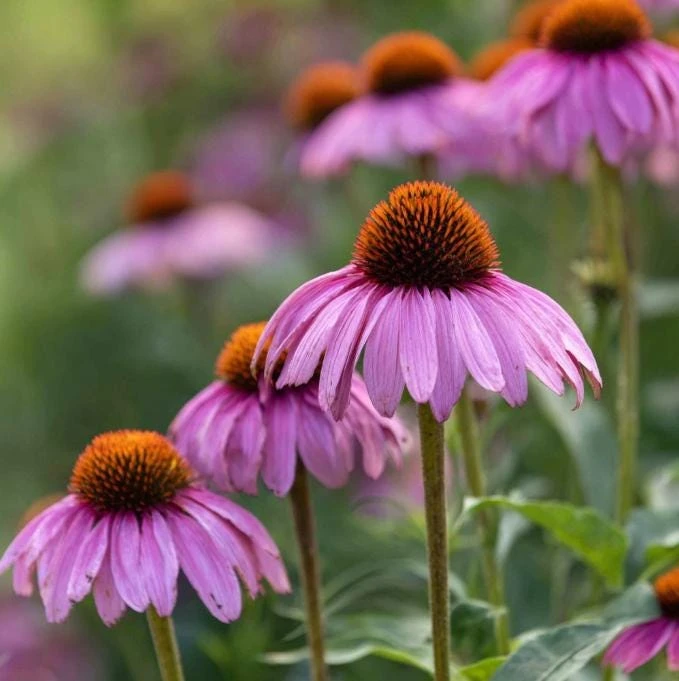
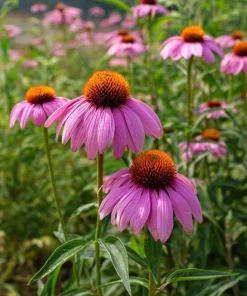
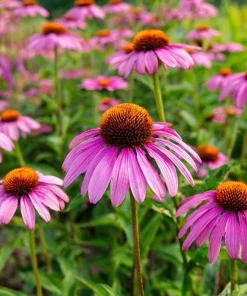
Introduce the beauty and benefits of nature to your garden with our premium purple coneflower seeds. Echinacea purpurea, commonly known as Purple Coneflower, is a beloved North American native perennial celebrated for its striking rosy-purple petals and distinctive cone-shaped centers. These vibrant flowers bloom from mid-summer through fall, providing an extended season of color and interest. A true magnet for local wildlife, Purple Coneflower actively attracts vital pollinators like bees, butterflies, and even goldfinches, making it an essential addition for anyone looking to cultivate a thriving pollinator and wildlife garden. Beyond its visual appeal and ecological importance, this robust plant is also recognized for its traditional herbal uses, adding both aesthetic charm and practical value to your landscape. Our echinacea purpurea seeds offer an excellent starting point for growing these resilient and beautiful flowers.
Known for its strong, drought-tolerant, and low-maintenance characteristics, the Purple Coneflower is an ideal choice for gardeners of all skill levels. It flourishes in various settings, from adding long-lasting color to borders and prairies to enhancing cottage gardens and dedicated medicinal herb beds. Growing purple coneflower seeds allows you to establish a sustainable and biodiverse garden that supports local ecosystems while providing a beautiful display.
Key Benefits
Our purple coneflower seeds offer numerous advantages for both your garden and the environment. These hardy perennials are not only beautiful but also incredibly beneficial, contributing to a healthier, more vibrant outdoor space. Discover why these hardy perennial seeds are a must-have for any gardener:
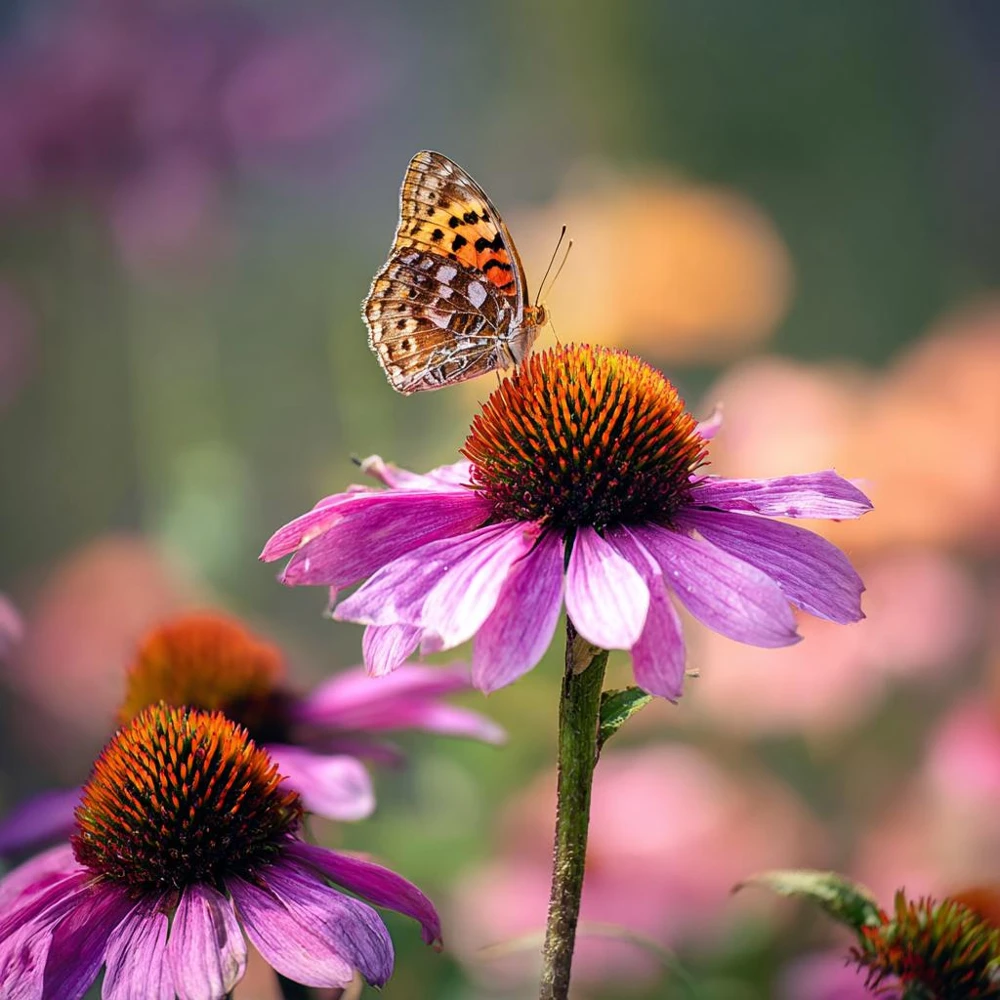
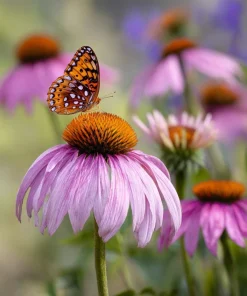
- Exceptional Pollinator Attraction: Purple Coneflower is a powerhouse for attracting crucial pollinators. Its rich nectar and vibrant blooms are irresistible to bees, butterflies, and other beneficial insects, making it a cornerstone for any pollinator garden.
- Long-Lasting Blooms: Enjoy a continuous display of rosy-purple flowers from mid-summer well into the fall. This extended bloom period ensures your garden remains colorful and lively for months, providing consistent visual appeal.
- Drought-Tolerant & Low-Maintenance: Once established, Purple Coneflower is remarkably drought-resistant, requiring minimal watering and care. Its hardiness makes it an excellent choice for gardeners seeking beautiful plants with less fuss.
- Supports Local Wildlife: Beyond pollinators, the seed heads of Purple Coneflower provide a vital food source for birds, especially goldfinches, during the colder months. Leaving spent blooms provides natural winter interest and sustains local bird populations.
- Traditional Medicinal Herb: Historically valued for its herbal properties, Echinacea purpurea is a popular choice for those interested in growing their own medicinal plants. Incorporate these medicinal herb seeds into your garden for both beauty and potential wellness benefits.
- Versatile Garden Use: These adaptable plants thrive in a variety of garden settings, including wildflower meadows, borders, prairies, cottage gardens, and dedicated herb beds. They add structure, color, and ecological value wherever they are planted.
- Enhances Biodiversity: By planting purple coneflower seeds, you contribute to creating a richer, more diverse garden ecosystem, offering habitat and food for a wide array of beneficial creatures.
Plant Care & Growing Tips
Cultivating purple coneflower seeds into flourishing plants is a rewarding experience, thanks to their robust nature and adaptability. For optimal results, start seeds indoors 8–10 weeks before the last expected frost. Lightly press the seeds onto the surface of a well-draining seed starting mix; avoid burying them, as light aids germination. Maintain a consistent temperature of 65–70°F during this period. Germination typically occurs within 10–20 days. To significantly improve germination rates, consider a cold stratification period by refrigerating the seeds for 2–4 weeks prior to sowing. Alternatively, you can direct sow the seeds outdoors in late fall or early spring. Once seedlings are established and the danger of frost has passed, transplant or thin them to be 18–24 inches apart, allowing ample space for growth.
Purple Coneflower thrives in full sun, requiring at least six hours of direct sunlight daily, and prefers well-drained soil. While young plants need regular watering to establish strong root systems, mature plants are highly drought-resistant and tolerate drier conditions. To encourage continuous flowering, deadhead spent blooms throughout the season. However, for those interested in supporting local wildlife, leaving some seed heads intact provides a valuable winter food source for birds and adds architectural interest to the dormant garden. In late fall or early spring, cut back the old stems to promote healthy new growth. These hardy perennial seeds will produce plants that are remarkably resilient, making them a fantastic addition to wildflower meadows, borders, and perennial pollinator gardens.
Size & Details
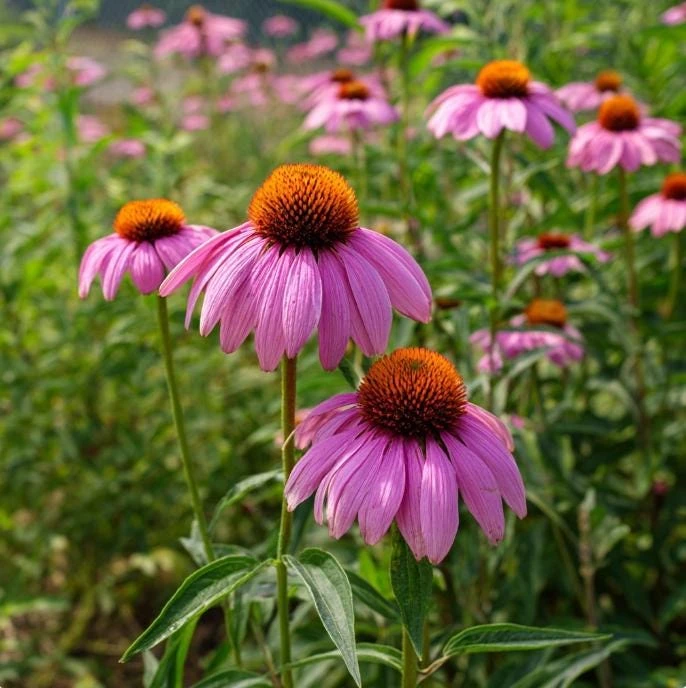
Our offering includes a generous pack of purple coneflower seeds, providing you with ample opportunity to establish a robust and vibrant patch of Echinacea purpurea. Each seed packet contains approximately 200 individual seeds, ensuring a high yield for your gardening projects. Mature Purple Coneflower plants typically reach a height of 2 to 4 feet (60-120 cm) and spread about 1.5 to 2 feet (45-60 cm) wide, forming attractive clumps. These plants have a moderate growth rate, usually blooming in their second year when started from seed. The striking rosy-purple flowers are quite substantial, often measuring 3 to 4 inches (7-10 cm) across. You can expect these echinacea purpurea seeds to develop into vigorous plants known for their strong stems and abundant blooms, perfect for cutting gardens or naturalized areas. The plants are shipped as dried seeds, ready for sowing according to the provided instructions. They will establish a strong root system, ensuring a long-lasting presence in your garden for many years to come.
Frequently Asked Questions
- Q: How tall do Purple Coneflower plants grow from these seeds? A: When mature, Purple Coneflower plants typically reach a height of 2 to 4 feet (60-120 cm). Their upright growth habit makes them excellent for adding vertical interest to your garden beds and borders.
- Q: Is Purple Coneflower an indoor or outdoor plant? A: Purple Coneflower (Echinacea purpurea) is primarily an outdoor perennial plant. While you can start the purple coneflower seeds indoors, the mature plants are best suited for gardens, meadows, and outdoor landscapes where they can receive full sun.
- Q: How much sunlight do these plants need? A: Purple Coneflower thrives in full sun, requiring at least six hours of direct sunlight per day to produce the most abundant blooms. They can tolerate partial shade, but flowering may be less prolific.
- Q: Are these hardy perennial seeds easy to grow for beginners? A: Yes, purple coneflower seeds are considered relatively easy to grow, especially once established. They are drought-tolerant and low-maintenance, making them a great choice for gardeners of all experience levels seeking hardy perennial seeds.
- Q: What condition will the seeds arrive in? A: The product consists of high-quality dried seeds, packaged to maintain viability. They are ready for sowing according to the provided instructions, whether you choose to start them indoors or direct sow.
- Q: How long until Purple Coneflower blooms from seed? A: Typically, Purple Coneflower plants grown from purple coneflower seeds will begin to bloom in their second year after planting. However, they will establish strong foliage in the first year.
- Q: What USDA hardiness zones are suitable for Purple Coneflower? A: Purple Coneflower is a very hardy plant suitable for USDA zones 3-9. This wide range makes it adaptable to many climates across the United States.
- Q: Can I use these for a butterfly garden? A: Absolutely! Purple Coneflower is a favorite among butterflies, bees, and other pollinators. Planting these pollinator garden seeds is an excellent way to attract and support beneficial insects in your yard.
- Q: When is the best time to plant Purple Coneflower seeds? A: You can start the purple coneflower seeds indoors 8-10 weeks before the last frost, or direct sow them outdoors in late fall or early spring for best results. Cold stratification can improve germination.
- Q: Do these medicinal herb seeds have any traditional uses? A: Yes, Echinacea purpurea has a long history of traditional use as a medicinal herb, particularly for supporting immune health. Many gardeners grow it for both its beauty and its potential herbal benefits.
Be the first to review “Purple Coneflower Seeds – Echinacea purpurea – 200 Seeds – Hardy Perennial for Pollinator Gardens”
People Also Viewed
Reviews
There are no reviews yet.