

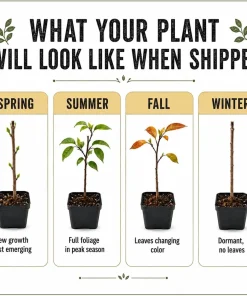
Set of 2 Tulip Poplar Live Plant Seedlings, 6-12 Inch Tall, Quart Pot, Outdoor
Original price was: $65.99.$40.99Current price is: $40.99.
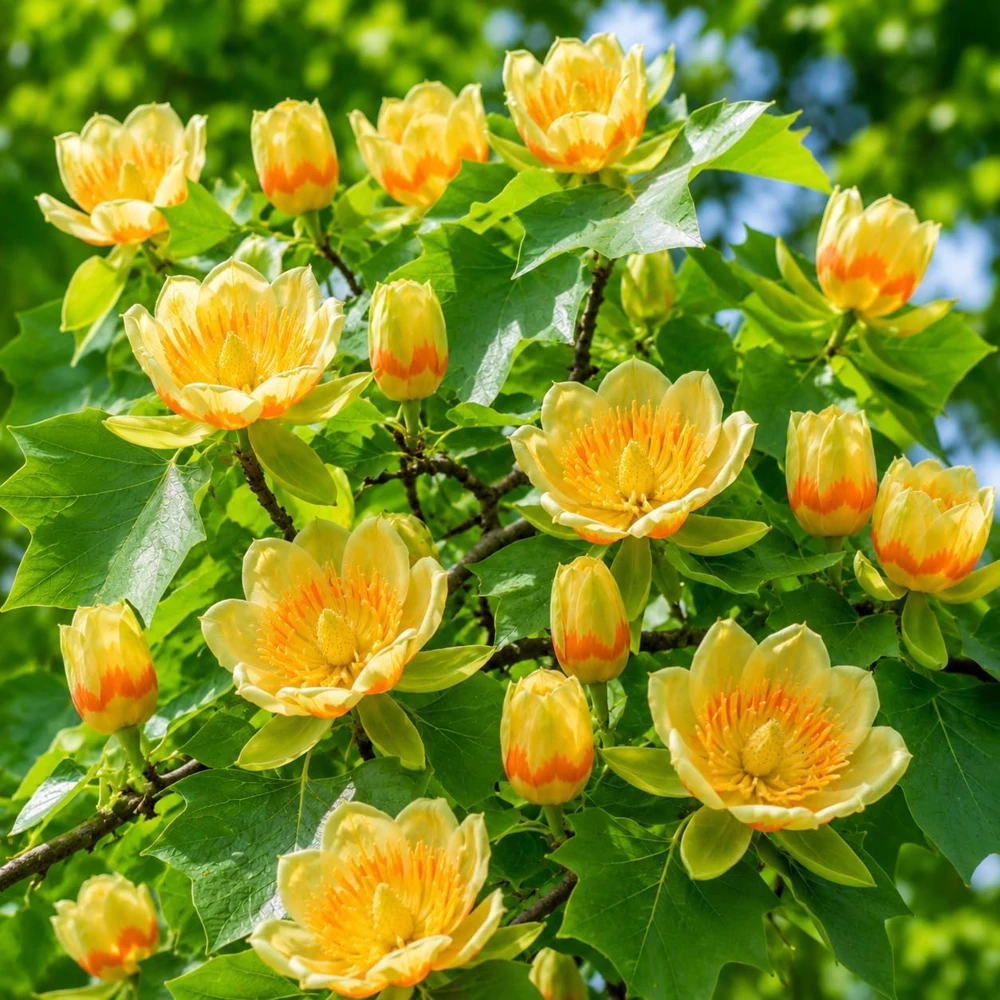
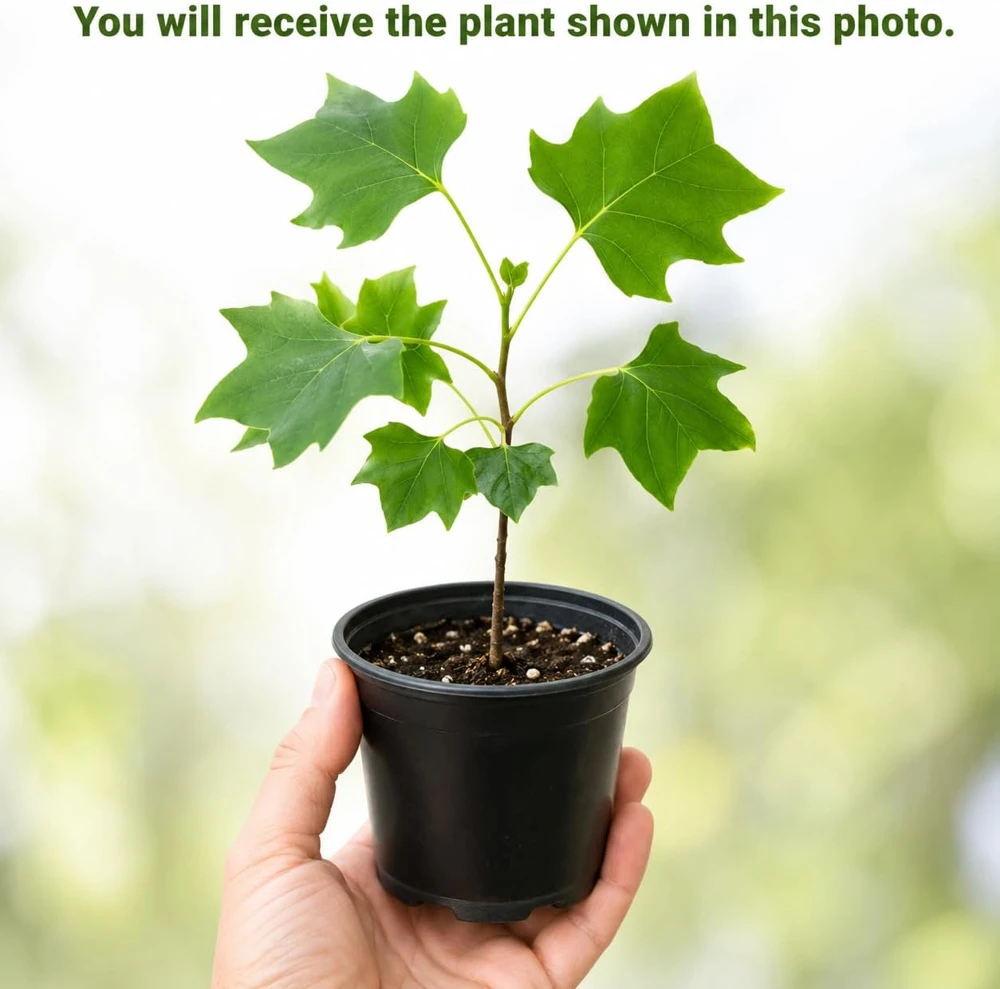
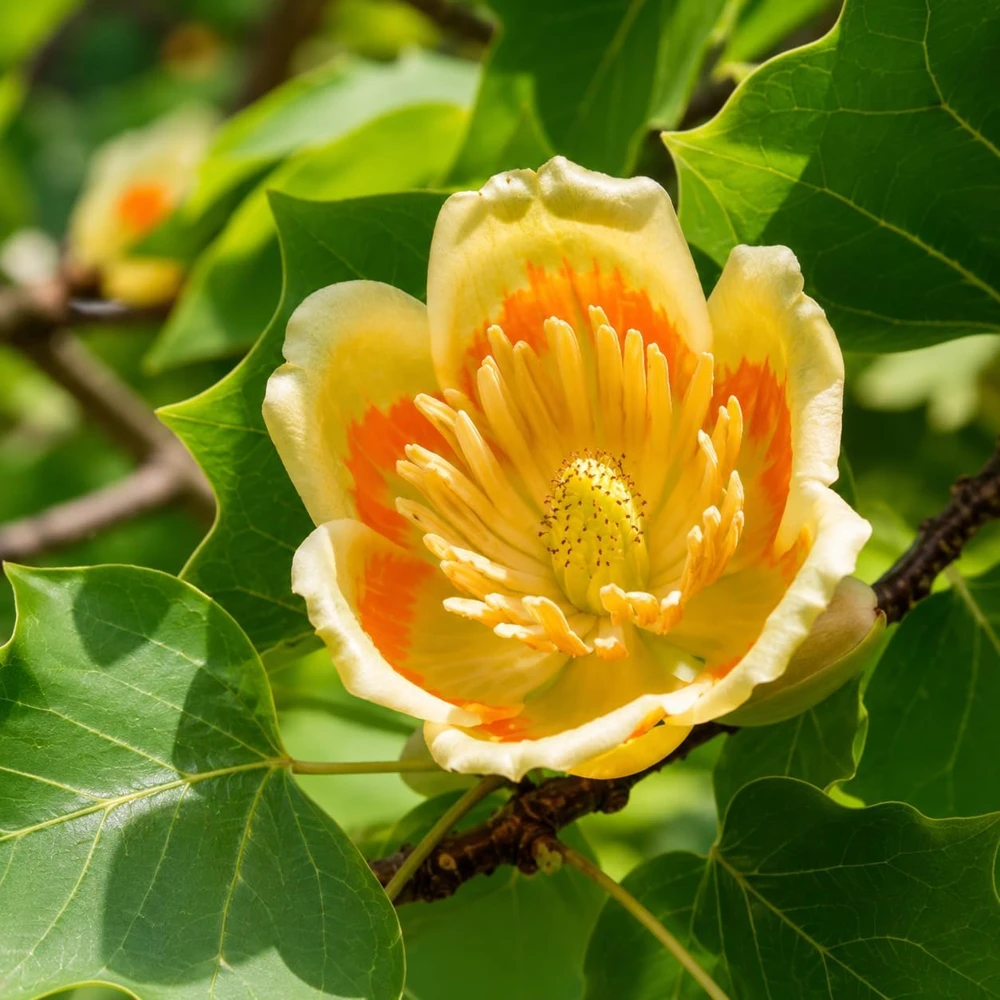
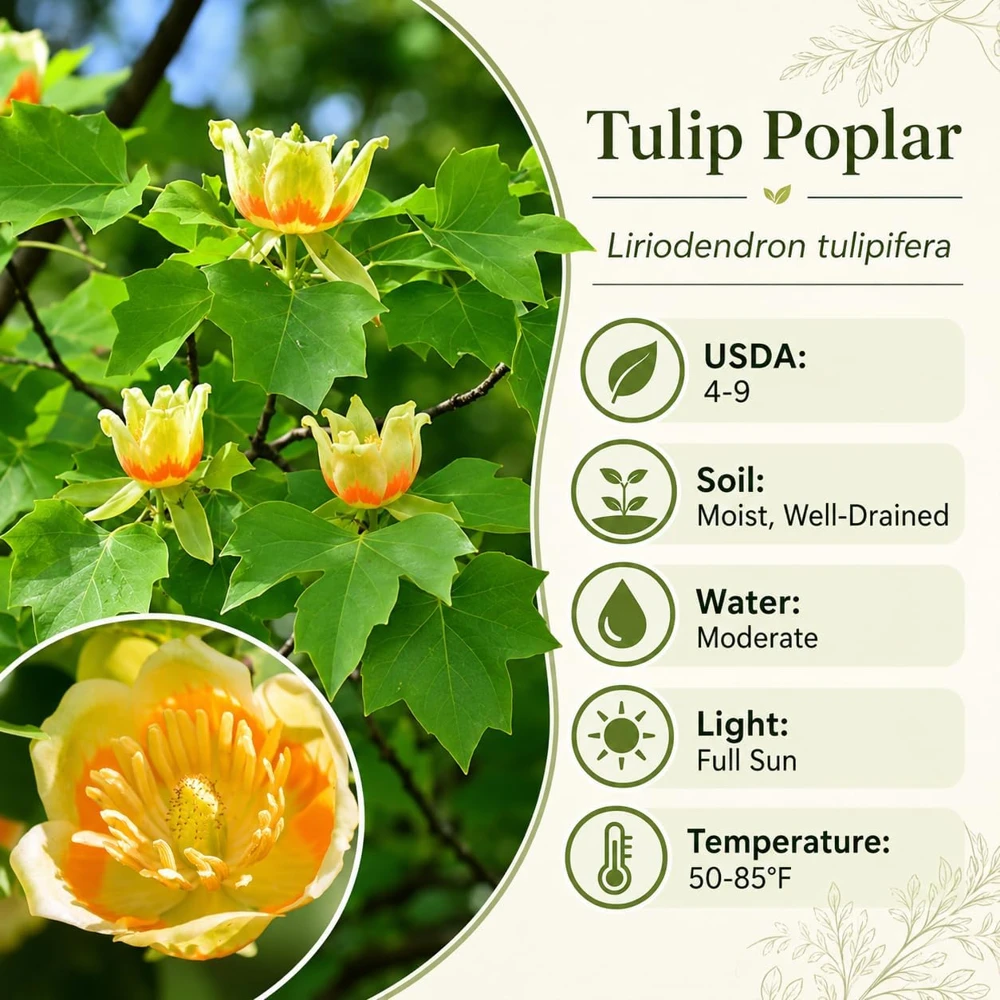
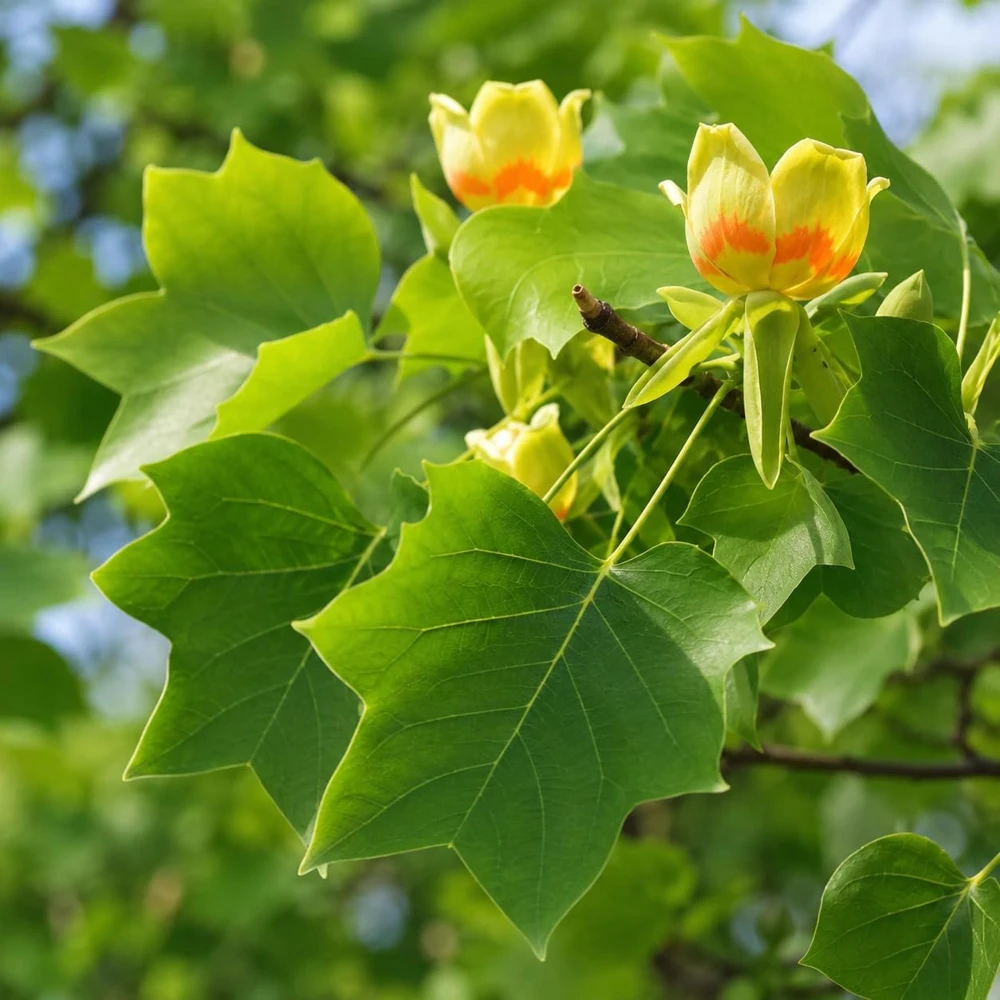
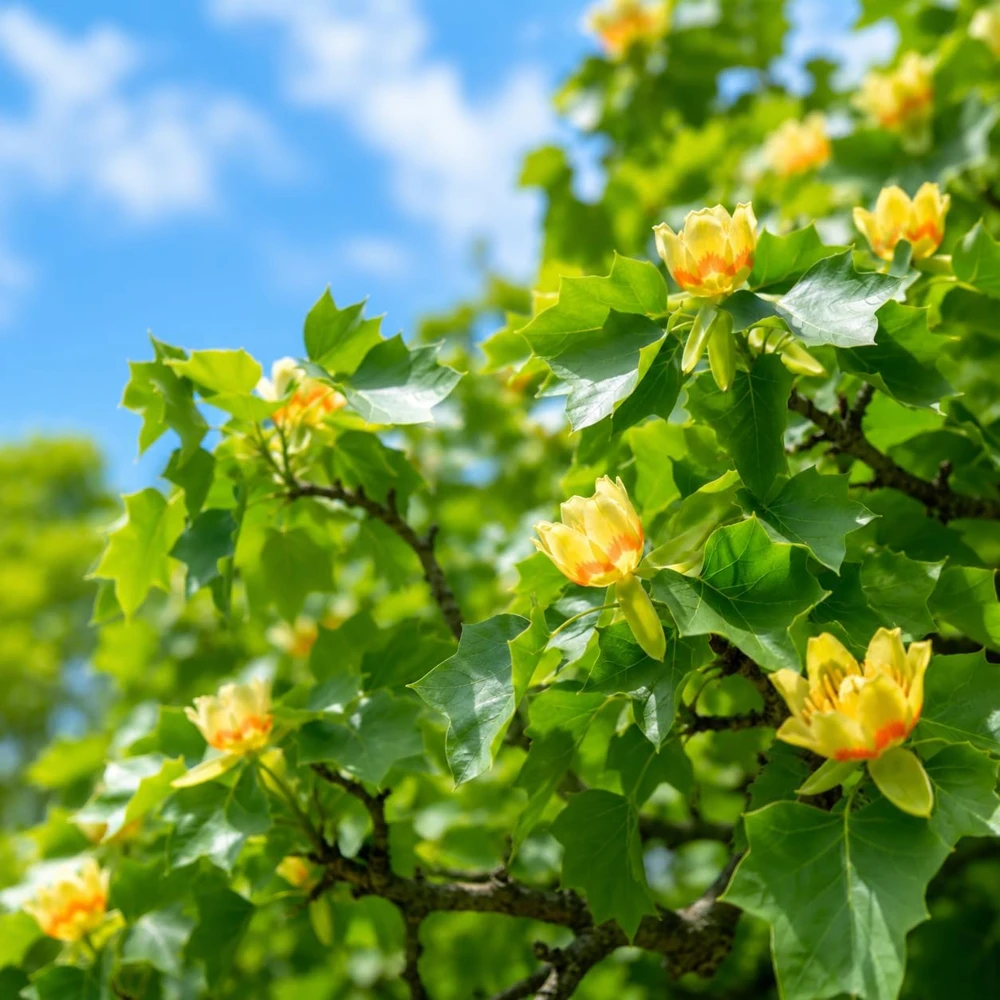
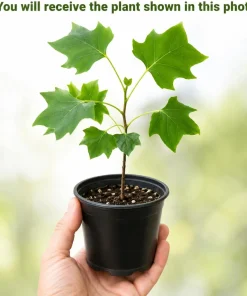
Bring beauty and shade to your landscape with this set of two tulip poplar trees. These 6-12 inch tall live plant seedlings, also known as yellow tulip tree, are shipped in quart pots, ready for planting. Enjoy rapid growth and unique yellow-orange, tulip-shaped flowers from this majestic fast growing shade tree.
Estimated arrival
Oct 10
Oct 15 - Oct 17
Oct 20 - Oct 24
Shop With Confidence
30-Day Plant Health Guarantee
Arrives damaged? We’ll replace it free — see our return policy.
Responsive Support
Email us anytime, we reply within 1 business day.
Expert Packaging
Temperature-controlled shipping to protect your plants in transit.
Secure Checkout
Pay safely with Visa, Mastercard, PayPal.
Plant Specifications
-
USDA Hardiness Zone
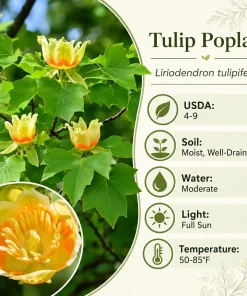
USDA Zones 4-9 -
Soil Type
Well-draining, fertile, slightly acidic to neutral soil -
Sunlight Exposure
Full sun -
Expected Planting Period
Early spring to fall
Overview
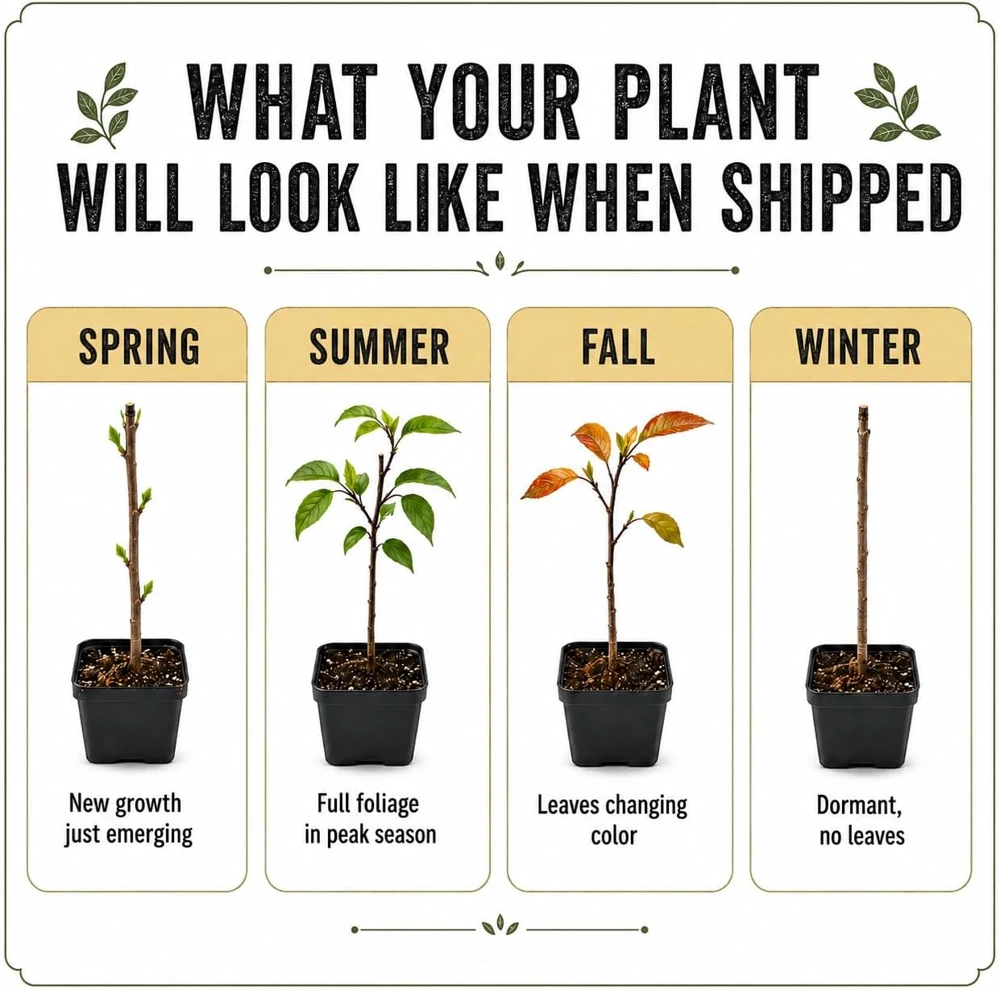
Transform your outdoor space with a set of two vibrant tulip poplar trees. These young, 6-12 inch tall live plant seedlings, scientifically known as Liriodendron tulipifera, are also commonly referred to as yellow tulip tree. Shipped dormant in winter, they are ready to burst into life in your home garden. The tulip poplar tree is celebrated for its rapid growth, making it an excellent choice for those looking to establish a mature landscape quickly. Each tree arrives in a quart pot, ensuring a healthy start. Renowned for its unique, tulip-shaped yellow-orange flowers that bloom in late spring to early summer, this majestic tree will become a focal point in your yard, providing both beauty and valuable shade for years to come. Whether you’re an experienced gardener or just starting, these tulip poplar trees offer a rewarding planting experience and are truly a magnificent addition to any garden.
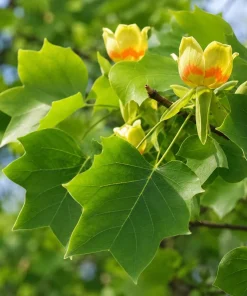
The tulip poplar seedling is a fantastic option for adding vertical interest and ecological value to your property. Its distinctive leaves and striking flowers make it easily recognizable. As a native North American species, it’s well-adapted to many climates and provides crucial habitat and food sources for local wildlife. With proper care, these young trees will quickly develop into impressive specimens, enhancing the aesthetic appeal and environmental benefits of your garden. Considered a fast growing shade tree, it offers significant environmental benefits.
Key Benefits
Adding a yellow tulip tree to your landscape offers a multitude of advantages, from aesthetic appeal to ecological contributions. These trees are not just beautiful; they are also highly beneficial for your garden and the local ecosystem. The presence of tulip poplar trees can significantly enhance biodiversity.
- Rapid Growth & Shade Provision: The tulip poplar tree is one of the fastest-growing deciduous trees, quickly establishing itself to provide substantial shade and reduce energy costs during hot summer months. Its broad canopy offers a cool retreat, making it an ideal fast growing shade tree.
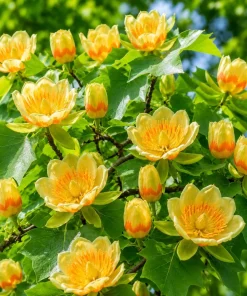
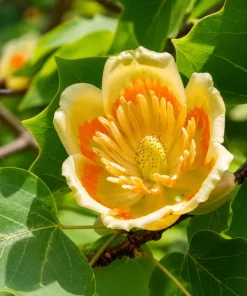
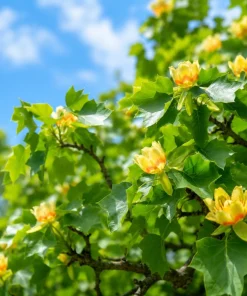
- Stunning Floral Display: Enjoy the unique, cup-shaped, yellow-orange flowers that resemble tulips, blooming from late spring to early summer. These beautiful blossoms add a splash of vibrant color and an exotic touch to your garden, making the yellow tulip tree a true highlight.
- Attracts Pollinators & Wildlife: The nectar-rich flowers are a magnet for bees, hummingbirds, and other pollinators, contributing to the biodiversity of your garden. The tree also provides shelter and food for various bird species, supporting local ecosystems.
- Low Maintenance & Adaptability: Once established, tulip poplar trees are relatively low maintenance. They are adaptable to a range of soil types and environmental conditions, thriving in USDA Zones 4-9. This adaptability makes the Liriodendron tulipifera a resilient choice for many gardeners.
- Ecological Value: As a native species, Liriodendron tulipifera supports local ecosystems, providing a vital food source and habitat. It’s a key component of many forest ecosystems, contributing to a healthy environment.
- Strong Timber & Windbreak: Beyond its ornamental value, the tulip poplar is known for its strong, straight timber. Its mature size also makes it an effective natural windbreak, protecting your home and garden from harsh winds.
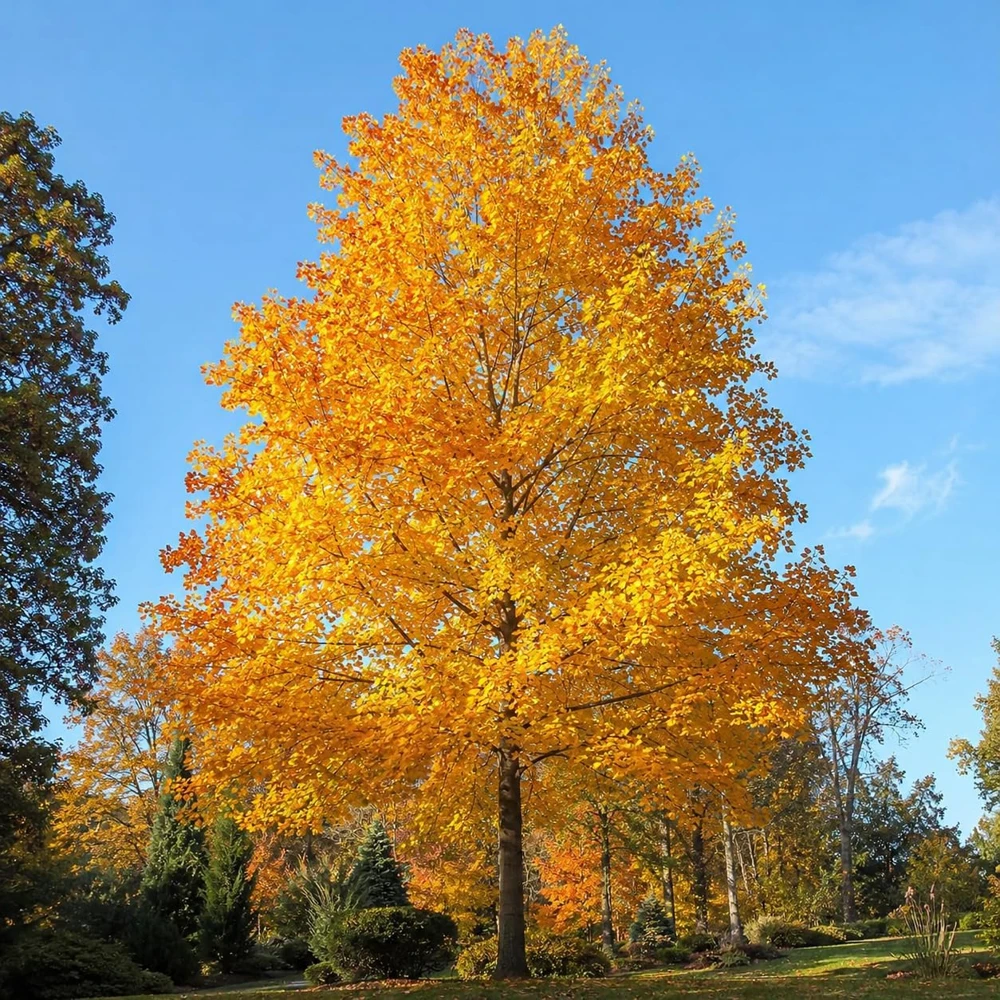
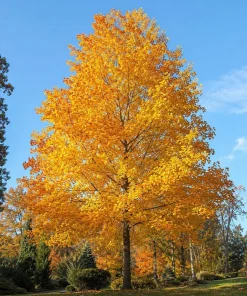
- Distinctive Foliage: The unique, four-lobed leaves turn a brilliant golden yellow in the fall, adding another season of interest to your landscape. This beautiful fall color enhances the overall appeal of your property.
Plant Care & Growing Tips
Caring for your tulip poplar trees is straightforward, especially when you understand their specific needs. These trees thrive in conditions that mimic their natural habitat. For optimal growth, plant your tulip poplar seedling in a location that receives full sun, meaning at least 6 hours of direct sunlight per day. This ensures robust growth and abundant flowering. While they are adaptable, consistent sunlight is key to their health and development. Ensure the planting site has well-draining, fertile soil. Tulip poplars prefer slightly acidic to neutral soil (pH 5.0-7.0). Amend heavy clay soils with organic matter to improve drainage and aeration. Regular watering is crucial during the first few growing seasons to establish a strong root system. Aim for consistently moist, but not waterlogged, soil. Once established, they are more drought-tolerant but will benefit from watering during prolonged dry spells. Fertilize in early spring with a balanced, slow-release granular fertilizer formulated for trees and shrubs. Follow package instructions for application rates based on the tree’s size.
These trees are hardy in USDA Zones 4-9, making them suitable for a wide range of climates. In colder zones, ensure adequate mulching around the base to protect roots during winter. Pruning is generally minimal, focusing on removing dead, damaged, or crossing branches to maintain a strong structure. The best time for pruning is late winter to early spring before new growth begins. Keep an eye out for common pests like aphids or scale, and treat with horticultural oil or insecticidal soap if necessary. Fungal diseases are rare but can occur in overly wet conditions. With proper care, your Liriodendron tulipifera will flourish, providing years of beauty and shade. Understanding how to care for your yellow tulip tree will ensure its longevity and vigor.
Size & Details
This offering includes a set of two tulip poplar seedling plants, each measuring approximately 6-12 inches in height from the top of the soil. They are shipped in individual quart-sized pots, providing ample space for initial root development and ensuring a healthy transition to your garden. These young trees are provided in a dormant state during winter months, which is ideal for planting and minimizes transplant shock. The tulip poplar tree is known for its impressive growth rate, typically adding 1-2 feet of height per year under optimal conditions. When mature, these trees can reach heights of 70-90 feet with a spread of 30-50 feet, forming a majestic, broad canopy. Expect the distinctive tulip-shaped flowers to begin appearing once the tree reaches a certain level of maturity, usually within 5-10 years, though environmental factors can influence this timeline. These trees will develop into a robust and beautiful fast growing shade tree.
Frequently Asked Questions
- Q: How big does this tulip poplar seedling get? A: These seedlings are 6-12 inches tall upon arrival. Mature tulip poplar trees can reach impressive heights of 70-90 feet with a spread of 30-50 feet, offering significant shade.
- Q: Is this an indoor or outdoor plant? A: The tulip poplar tree is an outdoor plant, best suited for planting in your garden or landscape where it has ample space to grow to its full mature size.
- Q: How much sunlight does a yellow tulip tree need? A: Tulip poplar trees thrive in full sun, requiring at least 6 hours of direct sunlight per day for optimal growth and flowering.
- Q: What condition will the Liriodendron tulipifera arrive in? A: Your tulip poplar trees will arrive as live plant seedlings, dormant during winter, in quart pots, ready for planting to ensure a healthy start.
- Q: Is this plant easy to care for? A: Once established, tulip poplar trees are relatively low maintenance. They require consistent watering during establishment and benefit from full sun and well-draining soil.
- Q: When is the best time to plant tulip poplar trees? A: The best time to plant these trees is in early spring or fall when the weather is cooler, allowing the roots to establish before extreme temperatures.
- Q: Will this fast growing shade tree survive winter in my zone? A: Yes, tulip poplar trees are hardy and thrive in USDA Zones 4-9, making them suitable for many climates across the United States.
- Q: What kind of soil is best for tulip poplar trees? A: They prefer well-draining, fertile soil with a slightly acidic to neutral pH (5.0-7.0). Amending with organic matter can improve soil conditions.
- Q: How long until the yellow tulip tree blooms? A: While growth rates vary, tulip poplar trees typically begin to produce their distinctive yellow-orange, tulip-shaped flowers once they reach a certain maturity, usually within 5-10 years after planting.
- Q: Do these trees attract wildlife? A: Yes, the nectar-rich flowers of the Liriodendron tulipifera are known to attract pollinators like bees and hummingbirds, and the mature tree provides shelter for various bird species.
Be the first to review “Set of 2 Tulip Poplar Live Plant Seedlings, 6-12 Inch Tall, Quart Pot, Outdoor”
People Also Viewed
Flower Seeds


Reviews
There are no reviews yet.