
Black Chokeberry Shrub – Aronia melanocarpa Native Bare Root Plant 12-24in
Original price was: $74.99.$49.99Current price is: $49.99.
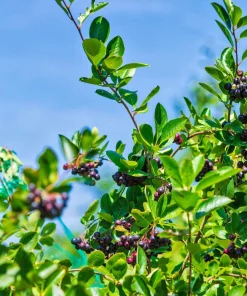
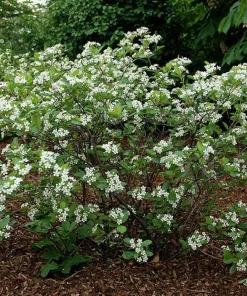
Cultivate the resilient black chokeberry shrub (Aronia melanocarpa), a versatile native chokeberry plant offering year-round interest. Enjoy its beautiful spring flowers, fiery fall color, and health-boosting, antioxidant berries. Ships as a aronia melanocarpa plant bare root, ready for planting to establish your edible landscape plant.
Estimated arrival
Sep 29
Oct 04 - Oct 06
Oct 09 - Oct 13
Shop With Confidence
30-Day Plant Health Guarantee
Arrives damaged? We’ll replace it free — see our return policy.
Responsive Support
Email us anytime, we reply within 1 business day.
Expert Packaging
Temperature-controlled shipping to protect your plants in transit.
Secure Checkout
Pay safely with Visa, Mastercard, PayPal.
Plant Specifications
-
USDA Hardiness Zone
USDA Zones 3-8 -
Soil Type
Well-draining soil, adaptable to various types -
Sunlight Exposure
Full sun to partial shade -
Expected Planting Period
Early spring or late fall
Overview
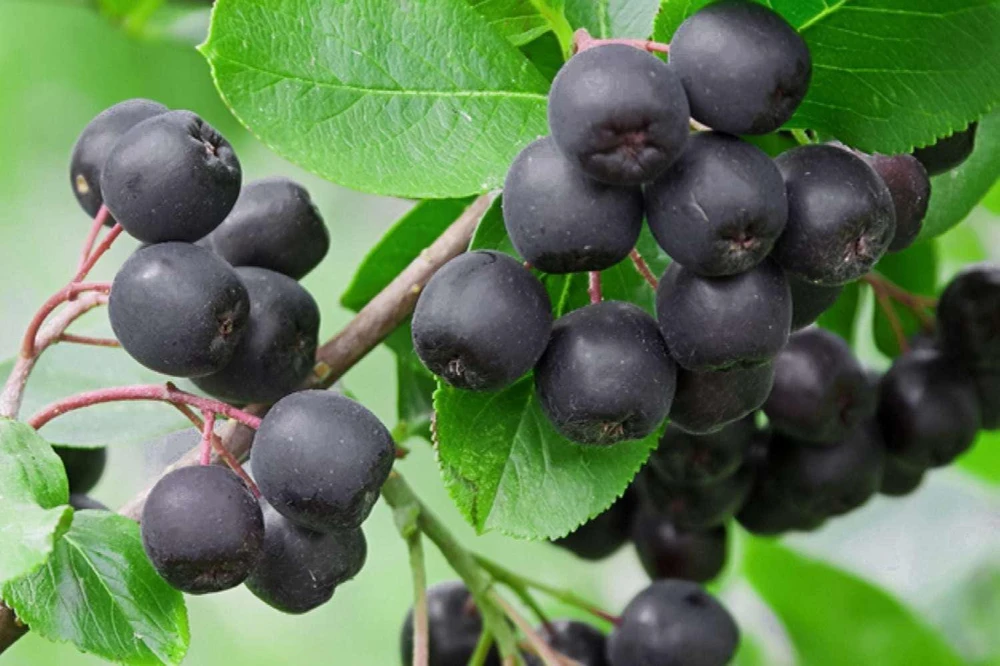
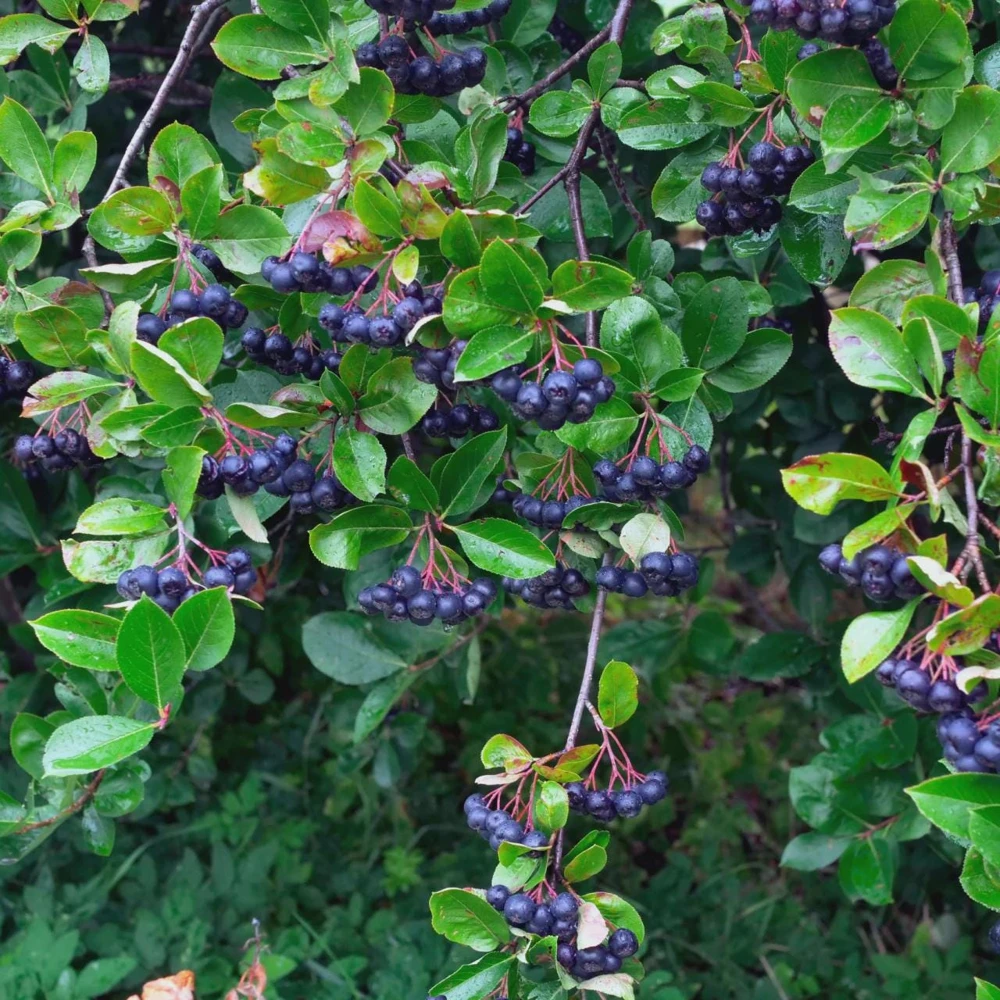
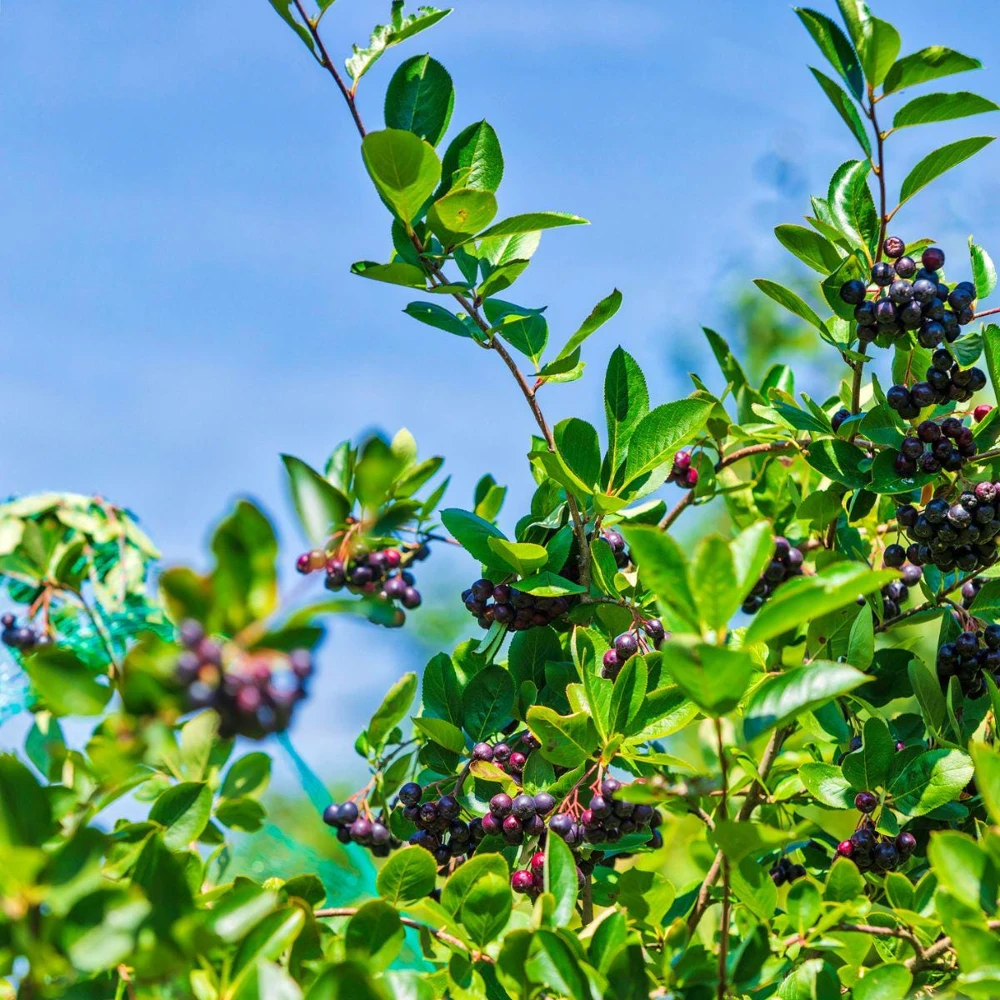
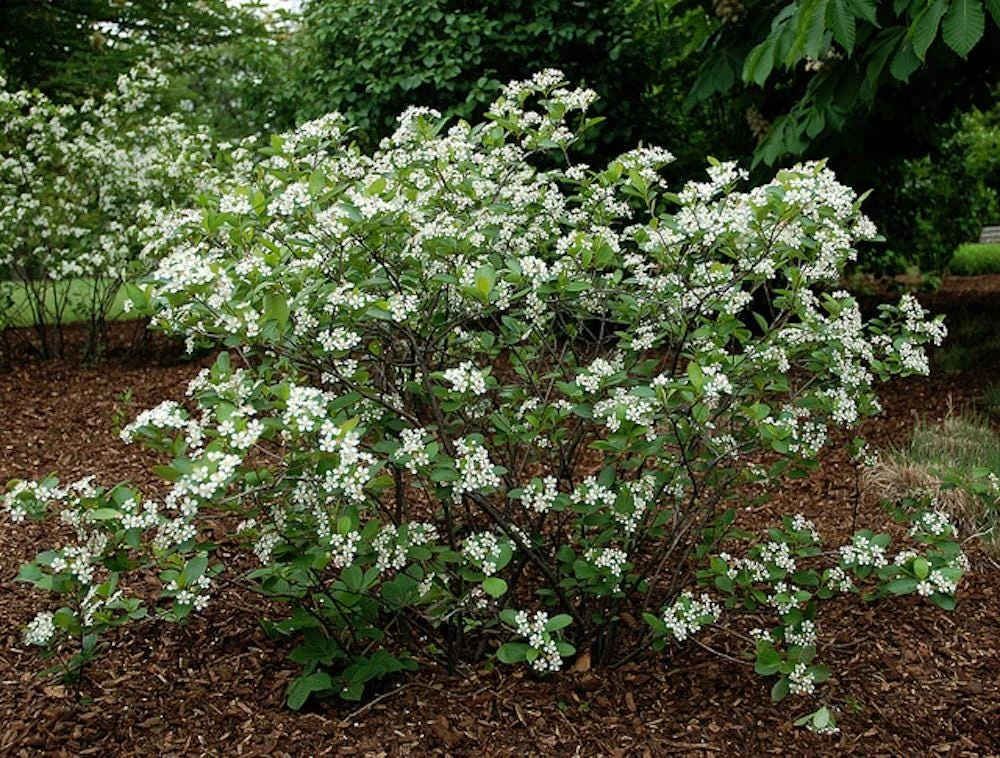
The black chokeberry shrub (Aronia melanocarpa) is a highly versatile and resilient deciduous plant, celebrated for its ornamental beauty and health-promoting fruit. This remarkable aronia melanocarpa plant is native to eastern North America, making it an excellent choice for gardeners seeking to introduce indigenous flora into their landscapes. Known for its adaptability, the black chokeberry shrub thrives in a variety of conditions, providing year-round visual interest. In spring, it bursts forth with delicate white flowers, followed by glossy green leaves that transition into a spectacular display of red and purple hues in autumn. The shrub’s most distinctive feature is its clusters of dark purple to black berries, which ripen in late summer and early fall. While the berries are quite astringent when raw, they are highly prized for their exceptional antioxidant content and are commonly used in jams, jellies, juices, and baked goods, making it an ideal edible landscape plant. This bare root specimen offers a robust start for establishing a thriving chokeberry patch.
Integrating a native chokeberry into your garden not only enhances its aesthetic appeal but also supports local ecosystems by providing food and habitat for wildlife. The Aronia melanocarpa is a low-maintenance shrub that can be used in various landscape designs, from hedgerows and mass plantings to individual specimen plants. Its hardiness and resistance to pests and diseases make it a superb choice for both novice and experienced gardeners. Whether you’re aiming to create a food forest, a wildlife-friendly garden, or simply add a beautiful and functional shrub, the black chokeberry shrub is an outstanding option.
Key Benefits
The black chokeberry shrub offers a multitude of benefits, combining aesthetic appeal with practical advantages for any garden. Its hardiness and versatility make it a standout choice for various landscaping needs.
- Showy Spring Blooms: In early spring, the aronia melanocarpa plant produces clusters of delicate white flowers, adding a touch of elegance to the awakening garden and attracting early pollinators. These blooms are a beautiful harbinger of the growing season.
- Vibrant Fall Foliage: As autumn approaches, the leaves of the black chokeberry shrub transform into brilliant shades of red, orange, and purple. This spectacular display provides long-lasting seasonal interest, rivaling many traditional fall color plants.
- Antioxidant-Rich Berries: The dark, almost black berries are packed with antioxidants, making them a superfood. While tart, these antioxidant berries are excellent for processing into juices, jams, and jellies, offering a healthy and delicious harvest.
- Native and Eco-Friendly: As a native chokeberry to North America, this shrub is perfectly adapted to local climates and soils. It requires less water and fewer pesticides than non-native species, promoting a healthier, more sustainable garden ecosystem.
- Wildlife Attractor: The berries provide a valuable food source for birds and other wildlife, especially later in the season when other food sources dwindle. This makes the black chokeberry shrub an excellent choice for supporting biodiversity in your yard.
- Low Maintenance & Hardy: This resilient shrub is remarkably easy to care for, tolerant of a wide range of soil conditions, and generally resistant to pests and diseases. It requires minimal pruning and care once established, making it a great edible landscape plant for busy gardeners.
- Versatile Landscape Use: Its adaptable nature allows it to be used in various settings, including hedgerows, mass plantings, rain gardens, and as a specimen plant. It can also tolerate urban conditions, making it suitable for city gardens.
Plant Care & Growing Tips
Caring for your black chokeberry shrub is straightforward, as this resilient plant is known for its hardiness and adaptability. To ensure optimal growth and fruit production, understanding its basic needs is key. The aronia melanocarpa plant thrives in full sun to partial shade. For the best berry production and most vibrant fall color, aim for at least 6 hours of direct sunlight per day. While it can tolerate some shade, too much will result in fewer flowers and berries, and less intense fall foliage. When planting your bare root chokeberry, choose a location that receives adequate light.
Regarding soil, the black chokeberry shrub is quite forgiving. It prefers well-draining soil but can tolerate a range of soil types, including clay and sandy soils, and even wet conditions, making it suitable for rain gardens. A slightly acidic to neutral pH (5.0-7.0) is ideal. Once established, it is relatively drought-tolerant, but consistent moisture is beneficial, especially during dry spells and the fruiting season. Water deeply once or twice a week during its first growing season to encourage a strong root system. Fertilization is generally not heavily required; a balanced, slow-release fertilizer in early spring can promote vigorous growth, but avoid over-fertilizing. Pruning should be done in late winter or early spring to remove dead or damaged branches and to maintain its shape. You can also thin out older stems to encourage new growth and better air circulation, which is beneficial for the overall health of your native chokeberry.
The black chokeberry shrub is hardy in USDA zones 3-8, making it suitable for a wide range of climates. It is generally pest and disease resistant, minimizing the need for chemical interventions. Common issues are rare, but keeping an eye out for leaf spot or powdery mildew in humid conditions is wise. Good air circulation and proper spacing can help prevent these. With these simple care guidelines, your edible landscape plant will flourish, providing beauty and bountiful antioxidant berries for years to come.
Size & Details
This offering is for one black chokeberry shrub, a bare root plant measuring approximately 12-24 inches in height. Shipping as a bare root plant means it will arrive without soil around its roots, which is a common and effective method for shipping dormant deciduous shrubs. Upon arrival, it should be planted promptly to ensure successful establishment. The aronia melanocarpa plant is known for its moderate growth rate, typically reaching a mature height of 5-8 feet and a similar spread, forming an attractive, multi-stemmed shrub. Its compact size makes it suitable for various garden applications, from hedges to mixed borders.
The bare root format allows the plant to focus its energy on developing a strong root system once planted, leading to robust growth in its first season. Expect to see new foliage emerge in spring after planting. While fruit production may begin within the first few years, the shrub will reach its full fruiting potential in about 3-5 years. This native chokeberry is a long-lived plant, providing many seasons of ornamental beauty and healthy antioxidant berries. The 12-24 inch size offers a good balance between a young plant that establishes easily and one that has enough vigor to grow quickly into a substantial presence in your garden.
Frequently Asked Questions
- Q: How big does this black chokeberry shrub get? A: A: The black chokeberry shrub typically grows to a mature height of 5-8 feet and can spread similarly wide, forming a dense, multi-stemmed plant. Its size makes it versatile for various garden uses.
- Q: Is this an indoor or outdoor plant? A: The aronia melanocarpa plant is an outdoor deciduous shrub. It requires seasonal changes and cold dormancy to thrive and produce berries, making it unsuitable for indoor cultivation.
- Q: How much sunlight does the native chokeberry need? A: For the best growth, flowering, and berry production, your black chokeberry shrub needs at least 6 hours of direct sunlight per day. It can tolerate partial shade, but fruit yield may be reduced.
- Q: Is this plant easy to care for? A: Yes, the black chokeberry shrub is considered very easy to care for. It’s highly adaptable to various soil conditions, drought-tolerant once established, and generally resistant to pests and diseases, making it excellent for beginners.
- Q: What condition will the plant arrive in? A: This plant ships as a bare root specimen, meaning it will arrive dormant with its roots exposed and no soil. This is a standard and effective method for shipping deciduous shrubs, ensuring a strong start when planted.
- Q: When is the best time to plant this edible landscape plant? A: The best time to plant bare root shrubs like the black chokeberry shrub is in early spring, as soon as the ground can be worked, or in late fall after the leaves have dropped. This allows the plant to establish its root system before extreme weather.
- Q: Can I eat the antioxidant berries from this plant? A: Yes, the berries are edible and highly nutritious, packed with antioxidants. While they are very tart when eaten fresh, they are excellent for making jams, jellies, juices, pies, and other cooked or processed foods.
- Q: Will it survive winter in my zone? A: The black chokeberry shrub is extremely cold hardy, thriving in USDA Zones 3 through 8. It is well-adapted to cold winters and will enter dormancy, returning with new growth in spring.
- Q: What kind of soil does it prefer? A: It prefers well-draining soil but is tolerant of a wide range of soil types, including sandy, clay, and loamy soils. It can also tolerate both dry and moist conditions once established, making it quite versatile.
- Q: How long until it produces berries? A: While your black chokeberry shrub may produce a few berries in its first or second year, it typically takes 3-5 years for the plant to reach its full fruiting potential and produce a significant harvest of antioxidant berries.
Be the first to review “Black Chokeberry Shrub – Aronia melanocarpa Native Bare Root Plant 12-24in”
People Also Viewed

Reviews
There are no reviews yet.