

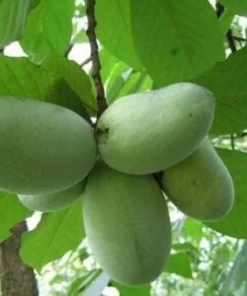
Paw Paw Trees Live Plant – 6-12″ Tall Asimina triloba – Common Indian Banana Fruit Tree
Original price was: $79.99.$43.99Current price is: $43.99.
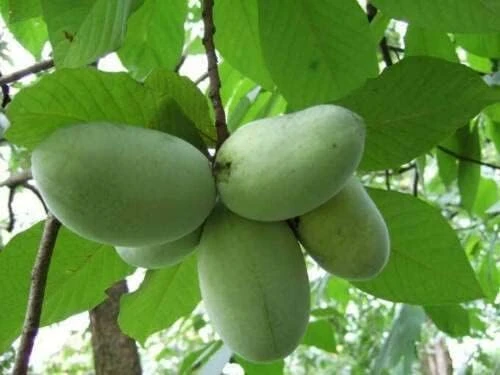
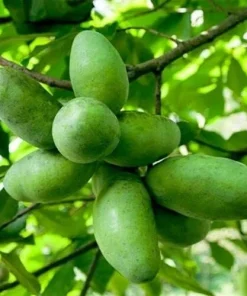
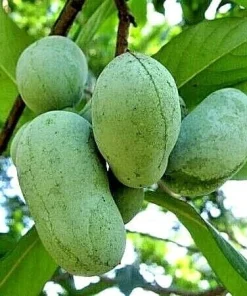
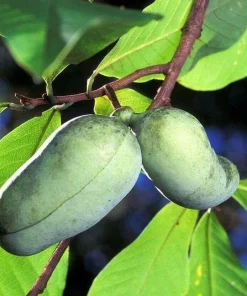
Bring a touch of the tropics to your garden with a Paw Paw Tree live plant (Asimina triloba). These 6-12 inch tall live plants produce unique, banana-like fruit and vibrant fall foliage, thriving in USDA Zones 4-9. Enjoy delicious fruit and beautiful ornamental value with this resilient paw paw fruit tree.
Estimated arrival
Oct 14
Oct 19 - Oct 21
Oct 24 - Oct 28
Shop With Confidence
30-Day Plant Health Guarantee
Arrives damaged? We’ll replace it free — see our return policy.
Responsive Support
Email us anytime, we reply within 1 business day.
Expert Packaging
Temperature-controlled shipping to protect your plants in transit.
Secure Checkout
Pay safely with Visa, Mastercard, PayPal.
Plant Specifications
-
USDA Hardiness Zone
USDA Zones 4-9 -
Soil Type
Well-draining, slightly acidic to neutral soil -
Sunlight Exposure
Partial shade for young plants, full sun for mature plants -
Expected Planting Period
Early spring or early fall
Overview
Introduce an extraordinary addition to your landscape with the Paw Paw Tree live plant. This offering includes 10 individual Paw Paw Tree live plant specimens, each approximately 6 to 12 inches tall, ready to establish in your garden. Known scientifically as Asimina triloba, this remarkable deciduous tree is often referred to as the common Indian banana tree due to its unique, flavorful fruit. While providing a distinct tropical aesthetic, the Paw Paw is surprisingly cold-hardy, tolerating temperatures as low as -25°F, making it suitable for a wide range of climates. Beyond its delicious and creamy fruit, which boasts hints of banana, mango, and melon, the tree offers year-round visual appeal. In spring, it delights with charming, bell-shaped flowers, and in autumn, its leaves transform into a brilliant spectacle of yellow, adding significant ornamental value to any yard.
The Asimina triloba is a fascinating native American tree that combines beauty with bounty. These young trees are an excellent choice for gardeners looking to cultivate a unique, low-maintenance fruit tree that stands out from typical orchard varieties. The trees are shipped as healthy, young specimens, prepared for successful transplanting and growth. With proper care, these Paw Paw Tree live plant will mature into productive and attractive features in your garden, offering both delicious harvests and seasonal beauty for many years to come.
Key Benefits
Cultivating a Paw Paw Tree live plant offers a multitude of benefits, blending aesthetic appeal with practical advantages for any gardener:
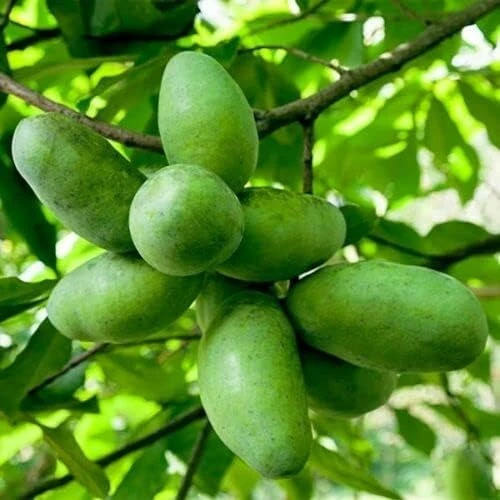
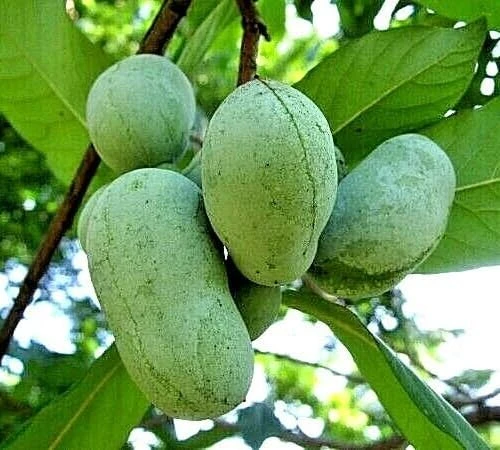
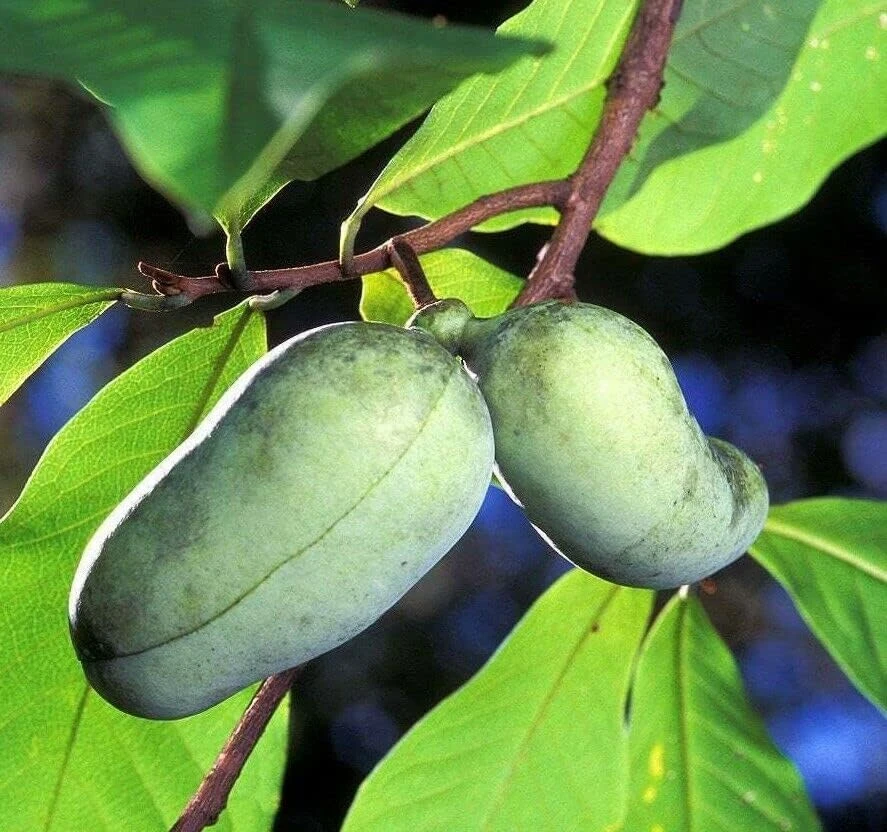
- Unique Edible Fruit: Enjoy the distinctive, creamy, and custard-like fruit often described as having flavors reminiscent of banana, mango, and melon. This makes the Paw Paw Tree live plant a truly special addition to your home orchard.
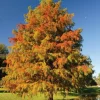
- Ornamental Value: Beyond its fruit, the Paw Paw tree provides significant visual interest throughout the year. Its large, lush green leaves give a tropical feel in summer, followed by striking yellow foliage in the fall.
- Cold Hardiness: Unlike many tropical-looking plants, the Asimina triloba is exceptionally cold-hardy, thriving in USDA Zones 4-9 and tolerating harsh winter temperatures.
- Low Maintenance: Once established, Paw Paw trees are relatively low-maintenance, requiring minimal pruning and being largely resistant to most pests and diseases.
- Native Species: As a native North American tree, it supports local ecosystems and wildlife, making it an eco-conscious choice for your garden.
- Spring Blooms: In early spring, the tree produces attractive, bell-shaped maroon flowers that add an interesting visual element before the leaves emerge.
- Shade Tolerance: Young Paw Paw trees prefer some shade, making them ideal for understory planting or areas with dappled sunlight.
Plant Care & Growing Tips
Successfully growing your Paw Paw Tree live plant begins with proper planting and consistent care. These trees prefer a location with at least six hours of direct sunlight once mature, though young plants benefit from partial shade to protect their tender leaves from scorching. They thrive in rich, well-draining soil that is slightly acidic to neutral (pH 5.5-7.0). Amend heavy clay soils with organic matter like compost to improve drainage and fertility. When planting, dig a hole twice as wide as the root ball and just as deep. Carefully remove the plant from its container, gently loosen the roots, and place it in the hole, ensuring the top of the root ball is level with the soil surface. Backfill with soil, gently firming it around the roots, and water thoroughly.
Paw Paw tree care involves regular watering, especially during dry periods in the first few years after planting. The soil should remain consistently moist but not waterlogged. Once established, they become more drought-tolerant. Fertilize in early spring with a balanced, slow-release fertilizer designed for fruit trees. Pruning is generally minimal, focusing on removing dead, damaged, or crossing branches to maintain good air circulation and shape. The Asimina triloba is hardy in USDA Zones 4-9, making it suitable for many regions. Protect young trees from deer browse using tree guards. While generally disease-resistant, monitor for common fruit tree issues, though Paw Paws are known for their robustness. Planting at least two trees is recommended for cross-pollination to ensure fruit production, as many varieties are not self-fertile.
Size & Details
This offering includes 10 healthy Paw Paw Tree live plant specimens, each carefully nurtured to an approximate height of 6 to 12 inches tall. These young trees are ideal for establishing a new patch of this unique fruit. They are shipped ready for planting, with their root systems protected to ensure a smooth transition to your garden. While small upon arrival, Paw Paw trees are known for their moderate growth rate, typically reaching 15-20 feet tall and 10-15 feet wide at maturity, forming an attractive, somewhat pyramidal shape. Fruit production can begin within 3-5 years after planting, depending on growing conditions and variety.
The trees are supplied as bare root or in small nursery pots, depending on the season and best shipping practices, ensuring they arrive in optimal condition for planting. They will quickly establish themselves, growing into resilient and productive paw paw fruit tree specimens. The mature leaves are large and elongated, contributing to the tropical appearance, while the bark remains smooth and greyish-brown. These dimensions and growth characteristics make the common Indian banana tree a versatile choice for various garden sizes and designs.
Frequently Asked Questions
- Q: How big do these Paw Paw trees get? A: These young Paw Paw Tree live plant are currently 6-12 inches tall. At maturity, a paw paw fruit tree typically grows to an average height of 15-20 feet and a width of 10-15 feet, forming a beautiful, rounded canopy.
- Q: Are these an indoor or outdoor plant? A: The Asimina triloba is strictly an outdoor plant. It requires natural temperature cycles and significant space to grow and produce fruit, thriving in USDA Hardiness Zones 4-9.
- Q: How much sunlight does a Paw Paw tree need? A: Young Paw Paw Tree live plant prefer partial shade, especially in hot climates. Once established, they perform best in full sun (at least 6 hours per day) for optimal fruit production, though they can tolerate some shade.
- Q: Is this plant easy to care for? A: Yes, paw paw tree care is relatively easy once the trees are established. They are quite hardy, disease-resistant, and require minimal pruning, making them a good choice for both experienced and novice gardeners.
- Q: What condition will the trees arrive in? A: Your Paw Paw Tree live plant will arrive as healthy, young specimens, either bare-root or in small nursery pots, depending on the season, with their root systems carefully packaged to ensure freshness and viability for planting.
- Q: When is the best time to plant a Paw Paw tree? A: The ideal time to plant a common Indian banana tree is in early spring after the last frost, or in early fall before the ground freezes. This allows the roots to establish before extreme temperatures.
- Q: Will it survive winter in my zone? A: Paw Paw trees are remarkably cold-hardy and thrive in USDA Zones 4-9. They are well-adapted to survive harsh winters in these regions, making them a resilient choice for many temperate climates.
- Q: Do I need more than one tree for fruit? A: Yes, for successful fruit production, it is highly recommended to plant at least two different Paw Paw varieties for cross-pollination, as many are not self-fertile. This will ensure you get delicious paw paw fruit tree harvests.
- Q: What does Paw Paw fruit taste like? A: The fruit of the Asimina triloba is often described as having a rich, creamy texture with a flavor profile that combines notes of banana, mango, and melon, offering a unique tropical taste.
- Q: Is the Paw Paw tree resistant to pests? A: Paw Paw trees are known for their natural resistance to most common pests and diseases that affect other fruit trees, making them a relatively low-spray option for organic gardening.
Be the first to review “Paw Paw Trees Live Plant – 6-12″ Tall Asimina triloba – Common Indian Banana Fruit Tree”
People Also Viewed
Vegetable Seeds
City Garden Mix Lettuce Seeds – Pelleted Multi-Seed Variety, 10 Pellets (50-70 Seeds)
Reviews
There are no reviews yet.