




2 Pack Passiflora Incarnata Maypop Live Plants, 4-6 Inch Tall Purple Passionflower Vine
Original price was: $53.99.$28.99Current price is: $28.99.
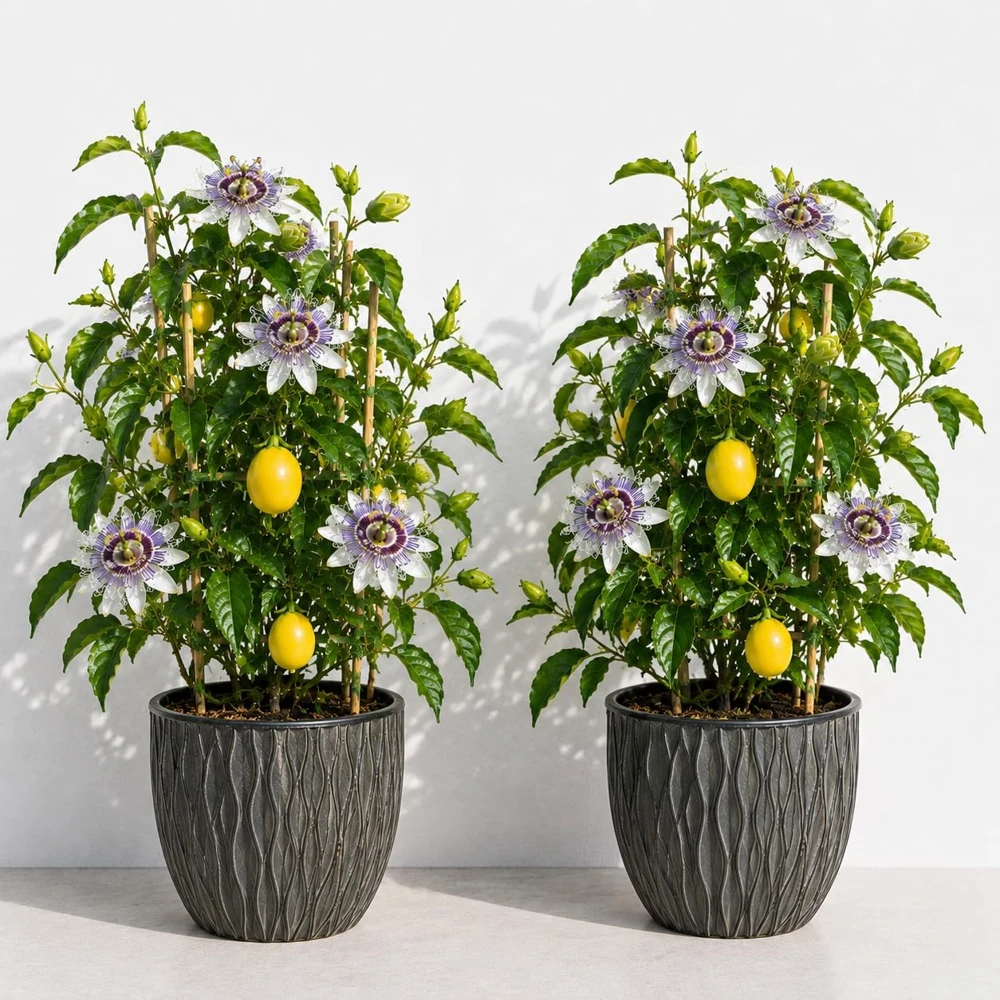
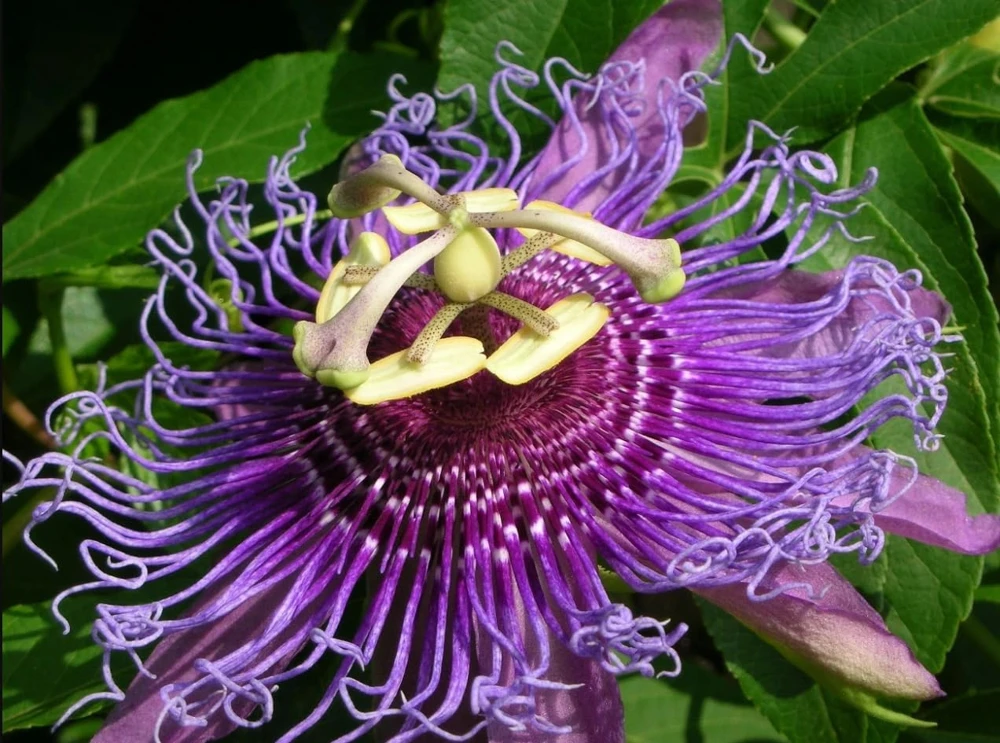
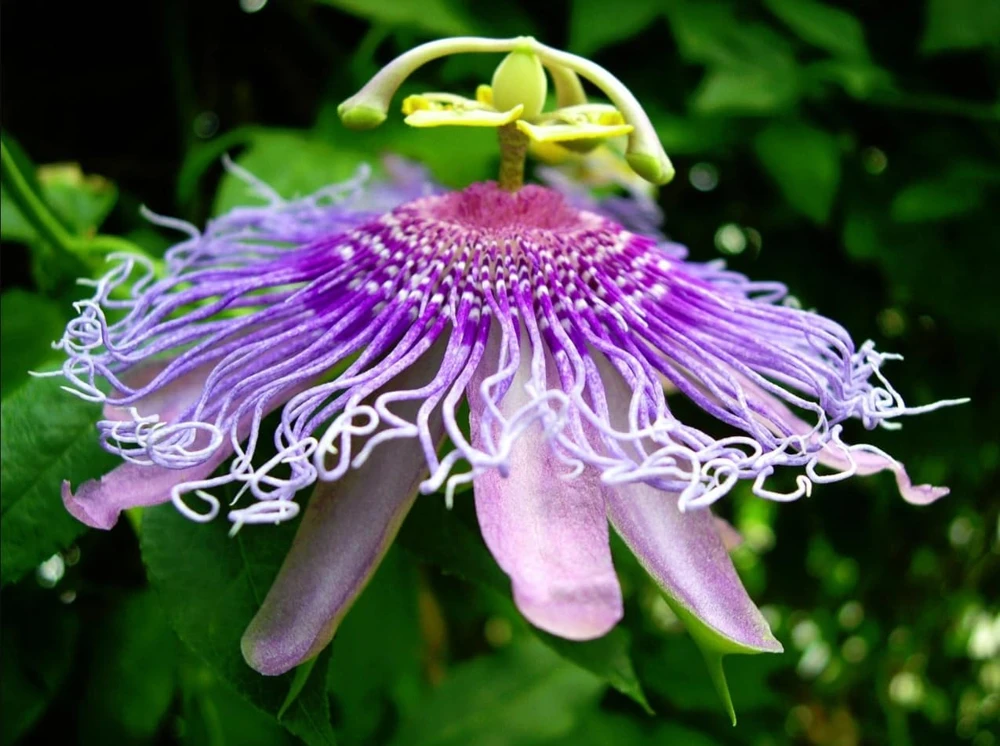
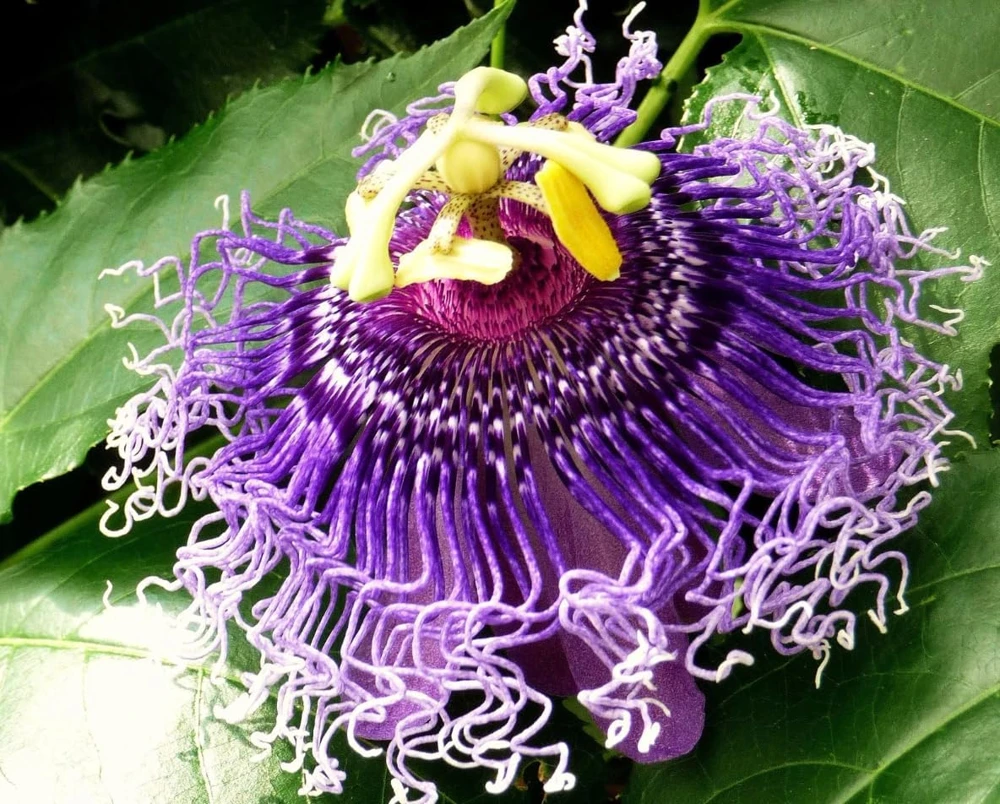
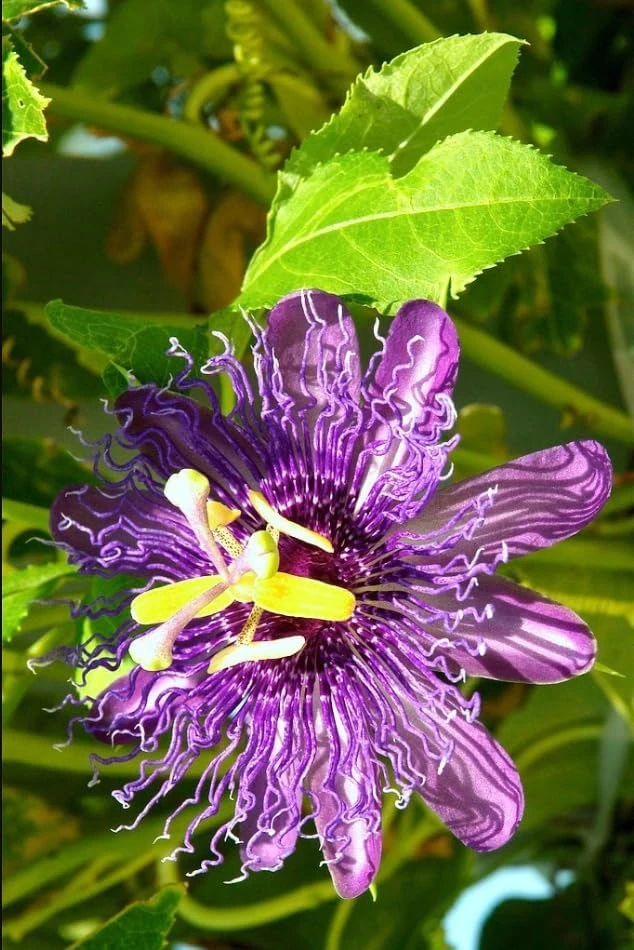
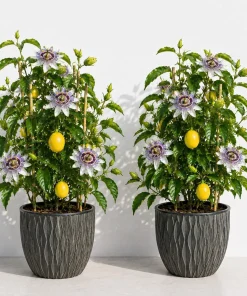
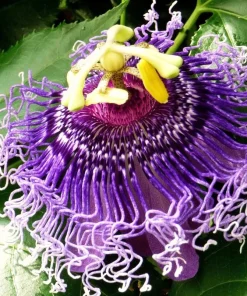
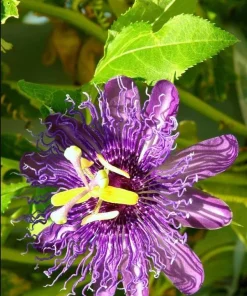
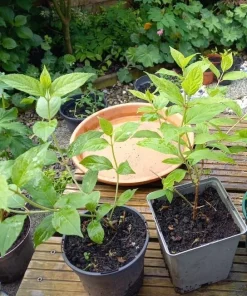
Bring the beauty of the tropics to your garden with this maypop passionflower vine 2-pack. Each passiflora incarnata plants measures 4-6 inches tall, promising vibrant purple passionflower blooms and edible maypop fruits. Ideal for trellises and fences.
Estimated arrival
Oct 27
Nov 01 - Nov 03
Nov 06 - Nov 10
Shop With Confidence
30-Day Plant Health Guarantee
Arrives damaged? We’ll replace it free — see our return policy.
Responsive Support
Email us anytime, we reply within 1 business day.
Expert Packaging
Temperature-controlled shipping to protect your plants in transit.
Secure Checkout
Pay safely with Visa, Mastercard, PayPal.
Plant Specifications
-
USDA Hardiness Zone
6–10 -
Soil Type
Well-draining soil -
Sunlight Exposure
Full sun -
Expected Planting Period
Late spring through summer
Overview
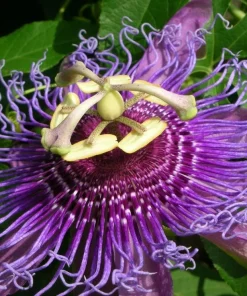
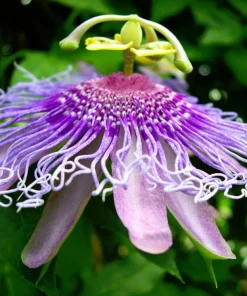
Transform your outdoor space with the enchanting beauty of the maypop passionflower vine. This offering includes a convenient 2-pack of vigorous Passiflora incarnata live plants, each standing 4-6 inches tall, ready to establish quickly in your garden. Known by various common names such as Maypop, Purple Passionflower, and Wild Apricot, this native North American vine is celebrated for its intricate, fragrant purple blooms and its delicious, edible fruit. These fast-growing perennial vines add a touch of exotic elegance and are perfect for climbing trellises, arbors, or fences, creating a stunning visual display throughout the growing season. Beyond their aesthetic appeal, passiflora incarnata plants are a natural attractant for pollinators like bees and butterflies, contributing to a vibrant and healthy ecosystem in your backyard. The unique structure and vivid coloration of the purple passionflower make it a truly captivating addition to any landscape.
The Passiflora incarnata is not just a pretty face; it’s a resilient and rewarding plant for gardeners of all skill levels. Its rapid growth habit means you won’t wait long to enjoy its spectacular flowers and the subsequent development of its distinctive maypop fruits. These plants are shipped without pots to ensure easy acclimation to your garden soil, promoting robust root development upon planting. Embrace the joy of gardening with these exceptional maypop passionflower vine specimens, and look forward to a season filled with natural beauty and the bounty of delicious, home-grown fruit.
Key Benefits
Cultivating Passiflora incarnata offers a multitude of benefits, making it a highly desirable choice for many gardens. From its stunning visual appeal to its ecological contributions, this vine is a true garden gem.
- Stunning Ornamental Value: The intricate, vibrant purple passionflower blooms are a true spectacle, adding an exotic and captivating element to any garden design. Their unique structure and rich color create an instant focal point.
- Edible Maypop Fruits: Enjoy a harvest of delicious, tangy maypop fruits, perfect for fresh eating, jams, jellies, or desserts. This dual-purpose vine provides both beauty and a tasty treat.
- Attracts Pollinators: The flowers are a magnet for bees, butterflies, and other beneficial pollinators, enhancing biodiversity and supporting the health of your local ecosystem.
- Fast-Growing Perennial: As a vigorous perennial passion fruit vine, it quickly covers structures, providing lush foliage and abundant blooms year after year with minimal effort. It establishes itself readily.
- Low Maintenance & Resilient: Once established, passiflora incarnata plants are remarkably hardy and drought-tolerant, requiring less frequent watering and care compared to many other flowering vines.
- Privacy and Shade: Its dense growth habit makes it an excellent choice for creating natural privacy screens or providing shade over pergolas and arbors, enhancing outdoor living spaces.
- Medicinal Properties: Historically, various parts of the maypop live plant care have been used in traditional herbal medicine for their calming and sedative properties, though consult a professional before use.
Plant Care & Growing Tips
Caring for your maypop passionflower vine is relatively straightforward, ensuring a rewarding growing experience with beautiful blooms and delicious fruit. These resilient plants thrive when provided with the right conditions.
Sunlight Requirements:Passiflora incarnata prefers full sun, meaning at least 6-8 hours of direct sunlight per day. While it can tolerate partial shade, abundant flowering and fruiting are best achieved in brighter conditions. Choose a location in your garden that receives ample morning and afternoon sun.
Watering Schedule and Soil Moisture: When first establishing your passiflora incarnata plants, water regularly to keep the soil consistently moist but not waterlogged. Once mature, these vines are moderately drought-tolerant. However, for optimal growth and fruit production, provide consistent moisture, especially during dry spells. Avoid overwatering, as this can lead to root rot. Allow the top inch or two of soil to dry out between waterings. Proper drainage is crucial for the health of your purple passionflower.
Soil Type and Drainage: This vine thrives in well-draining soil. A loamy, slightly acidic to neutral soil (pH 6.0-7.0) is ideal. If your soil is heavy clay, amend it with organic matter like compost or sand to improve drainage. Good drainage prevents water from pooling around the roots, which is essential for healthy growth. The resilience of the maypop live plant care makes it adaptable to various soil types, provided drainage is adequate.
Temperature Range and USDA Hardiness Zone:Passiflora incarnata is hardy in USDA Zones 6–10. It prefers temperatures between 65°F and 85°F (18°C and 29°C). In colder zones, it will die back to the ground in winter but will typically regrow vigorously from the roots in spring. Mulching around the base in fall can help protect the roots in marginal zones. Ensure your perennial passion fruit vine is planted in a location where it can withstand local winter conditions.
Fertilization Schedule and Type: Fertilize your passionflower vine in spring as new growth emerges and again in mid-summer. Use a balanced, all-purpose fertilizer (e.g., 10-10-10) or one slightly higher in phosphorus to encourage blooming and fruiting. Follow the product instructions for application rates. Avoid excessive nitrogen, which can promote leafy growth at the expense of flowers and fruit.
Common Problems and Solutions: Keep an eye out for pests like aphids and spider mites, especially during dry periods. These can usually be managed with insecticidal soap or a strong spray of water. Fungal issues are rare if good air circulation and proper watering practices are maintained. Providing a sturdy support structure like a trellis or arbor is essential for this climbing vine.
Size & Details
This offering includes a 2-pack of maypop passionflower vine plants, each measuring approximately 4-6 inches tall from the base of the plant to the tip of its highest leaf. These young, healthy live plants are shipped in a dormant or semi-dormant state, without a pot, to ensure safe transit and optimal root development upon planting in your garden. The vigorous nature of Passiflora incarnata means these plants will grow rapidly once established, quickly reaching lengths of 10-20 feet or more in a single growing season when provided with adequate support and conditions. Expect your perennial passion fruit vine to begin producing its stunning purple passionflower blooms from late spring through summer, with fruits developing shortly thereafter. The exact size and growth rate can vary based on local climate, soil conditions, and care practices, but these plants are known for their robust growth.
Frequently Asked Questions
- Q: How big do these Passiflora incarnata plants get? A: These passiflora incarnata plants are shipped as 4-6 inch tall live plants. Once established, the maypop passionflower vine can grow quite large, typically reaching lengths of 10-20 feet or more in a single growing season, depending on growing conditions and support.
- Q: Is this an indoor or outdoor plant? A: The maypop passionflower vine is primarily an outdoor plant, thriving in full sun. While it can be overwintered indoors in colder climates, it is best grown as a landscape plant in USDA Zones 6-10.
- Q: How much sunlight does this purple passionflower need? A: For the best blooming and fruiting, your purple passionflower needs at least 6-8 hours of direct sunlight per day. It prefers full sun but can tolerate some partial shade.
- Q: What condition will the plants arrive in? A: Your maypop live plant care package will contain two healthy 4-6 inch tall live plants, shipped bare root or with minimal soil, without a pot, to ensure they arrive in the best condition for planting.
- Q: Is the fruit from the perennial passion fruit vine edible? A: Yes, the fruit of the perennial passion fruit vine (Maypop) is edible. It has a unique, sweet-tart flavor and can be enjoyed fresh or used in various culinary applications like jams and jellies.
- Q: When is the best time to plant these maypop passionflower vines? A: The best time to plant these maypop passionflower vine plants is in spring after the last frost, allowing them ample time to establish before the heat of summer or the cold of winter.
- Q: Will this plant survive winter in my zone? A: Passiflora incarnata is hardy in USDA Zones 6–10. In zones 6-7, it typically dies back to the ground in winter but will regrow vigorously from the roots in spring. In warmer zones (8-10), it may remain evergreen or semi-evergreen.
Be the first to review “2 Pack Passiflora Incarnata Maypop Live Plants, 4-6 Inch Tall Purple Passionflower Vine”
People Also Viewed



Reviews
There are no reviews yet.