
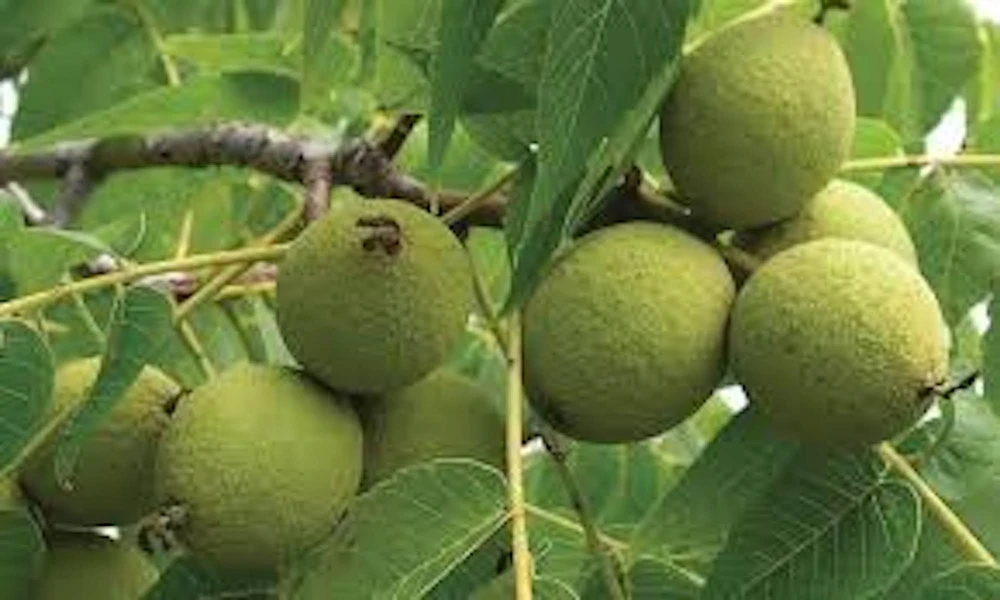
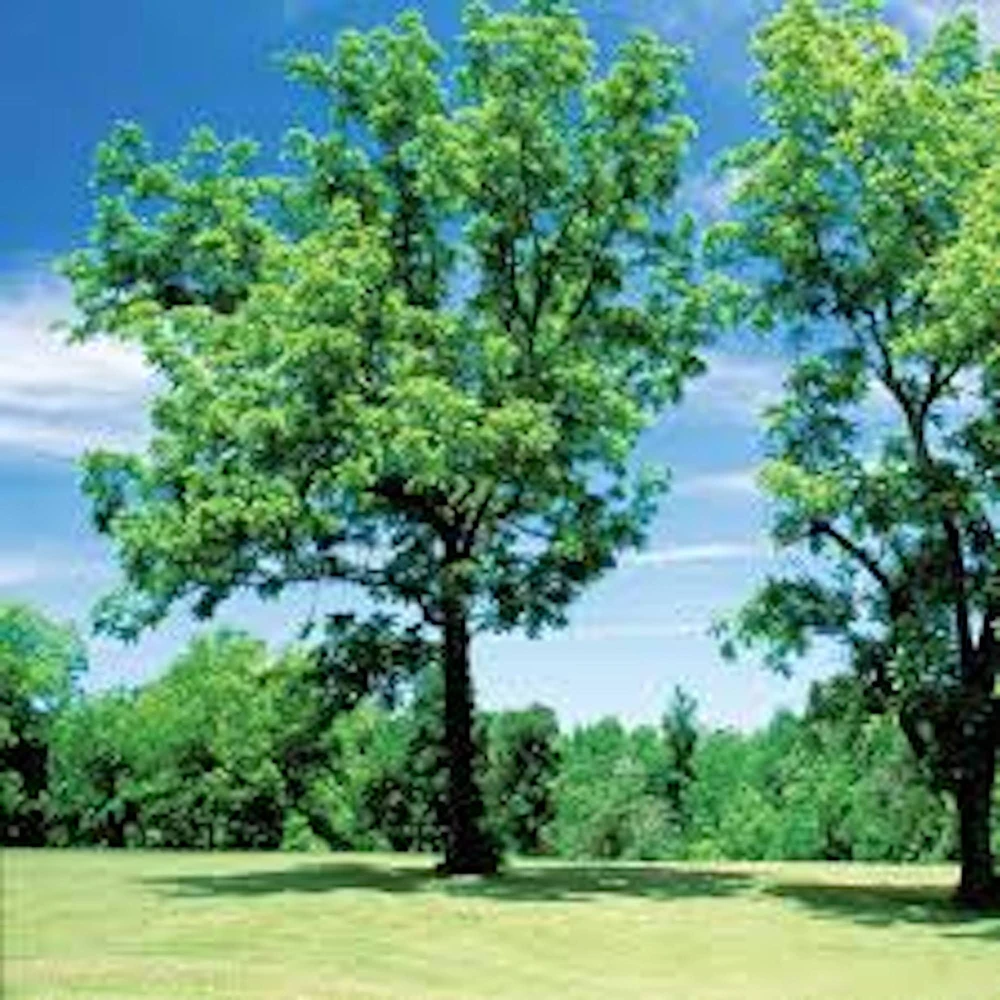
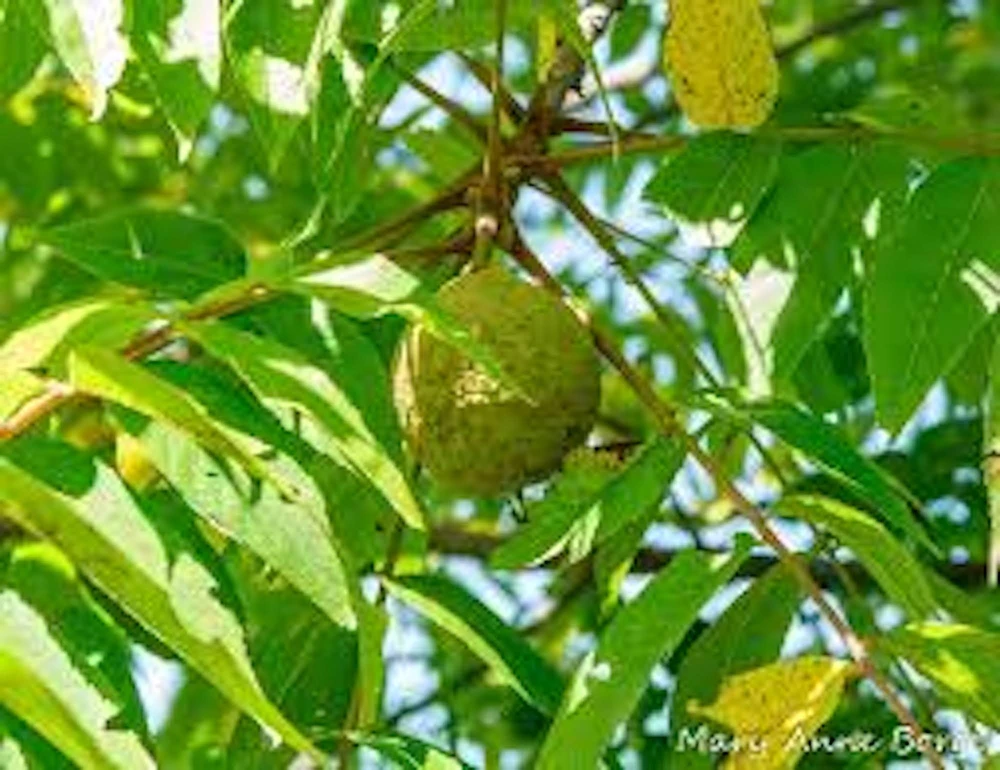
3 Black Walnut Tree Seedlings Live Plant 12-24in Tall Quart Pot Outdoor
Original price was: $101.99.$76.99Current price is: $76.99.
Cultivate your landscape with these black walnut tree seedlings. You receive 3 live plants, each 12-24 inches tall, ready to thrive outdoors. Known for their valuable timber and edible nuts, these juglans nigra tree specimens are an excellent addition to any garden or homestead.
Estimated arrival
Sep 29
Oct 04 - Oct 06
Oct 09 - Oct 13
Shop With Confidence
30-Day Plant Health Guarantee
Arrives damaged? We’ll replace it free — see our return policy.
Responsive Support
Email us anytime, we reply within 1 business day.
Expert Packaging
Temperature-controlled shipping to protect your plants in transit.
Secure Checkout
Pay safely with Visa, Mastercard, PayPal.
Plant Specifications
-
USDA Hardiness Zone
4-9 -
Soil Type
Well-drained, moist soil -
Sunlight Exposure
Full sun -
Expected Planting Period
Spring or early fall
Overview
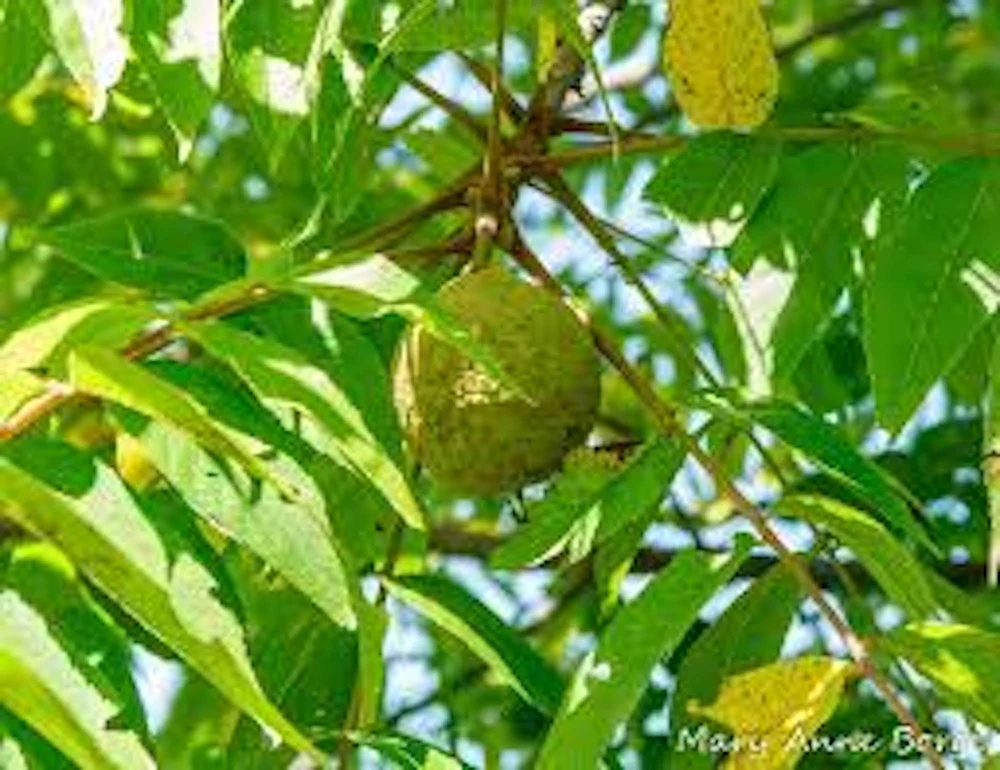
Bring the majesty of North American forests to your property with our black walnut tree seedlings. This offering includes three robust live plants, each standing 12-24 inches tall, carefully grown and prepared for planting. The black walnut tree seedlings are the species Juglans nigra, commonly known as the eastern black walnut or american walnut tree. These deciduous trees are highly prized for their rich, dark timber, edible nuts, and their significant contribution to local ecosystems. Whether you’re looking to establish a timber stand, attract wildlife, or simply enjoy the beauty of a mature shade tree, these seedlings provide an excellent foundation for growing black walnut trees on your land.
The Black Walnut is a native species to eastern North America, known for its strong, deep taproot system and impressive mature size. When you plant these seedlings, you’re investing in a long-term asset that will provide beauty and value for generations. They are adaptable to a range of well-drained soil conditions and prefer full sun, making them a versatile choice for many landscapes. Start your own grove of these magnificent trees today.
Key Benefits
Growing black walnut trees offers a multitude of advantages, from ecological contributions to economic benefits. These seedlings are a fantastic investment for any gardener or landowner.
- Valuable Timber Production:Eastern black walnut trees are renowned for their high-quality, durable wood, making them a significant long-term investment for future timber harvesting.
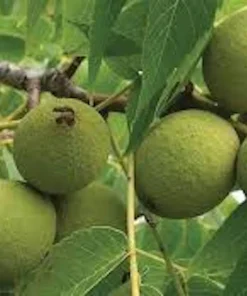
- Edible Nuts: Once mature, these trees produce delicious and nutritious black walnuts, which can be harvested for culinary use or enjoyed by local wildlife.
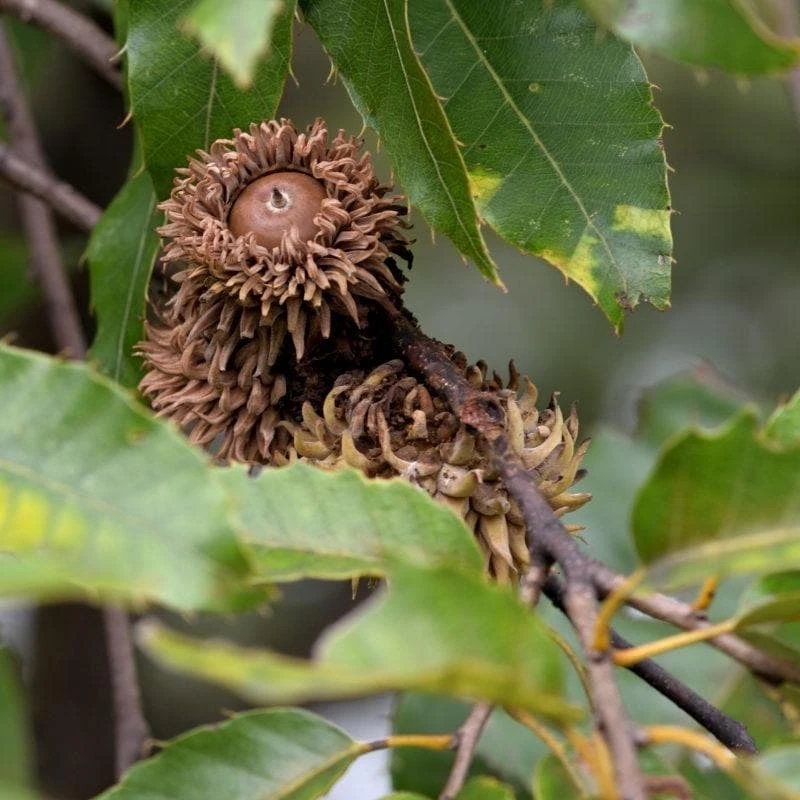
- Wildlife Attraction: The nuts provide a vital food source for squirrels, deer, and other animals, enhancing biodiversity in your garden or woodland.
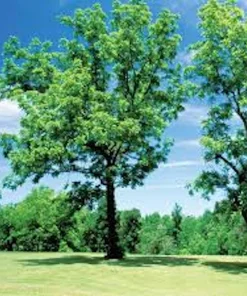
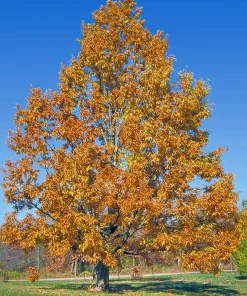
- Shade and Landscape Appeal: With their broad, rounded crowns, mature Juglans nigra tree specimens offer excellent shade and a striking presence in the landscape.
- Soil Improvement: The deep taproot system of the black walnut can help improve soil structure and prevent erosion over time.
- Self-Pollinating: These trees are self-pollinating, meaning a single tree can produce nuts without the need for a separate pollinator.
- Native Species: As a native American tree, the american walnut tree is well-adapted to the local climate and contributes to the natural ecosystem.
Plant Care & Growing Tips
To ensure your black walnut tree seedlings thrive, proper care is essential, especially during their initial years. These trees prefer a location with full sun, meaning at least 6 hours of direct sunlight per day. Avoid shaded areas as they do not perform well in low light conditions. When planting, ensure the soil is well-drained and moist. While adaptable, loamy soils are ideal. Dig a hole twice as wide as the root ball and just as deep, ensuring the root collar is level with the ground. Backfill with native soil, gently tamping down to remove air pockets.
Watering is crucial, especially during dry spells and the first few years after planting. Aim for consistent moisture, but avoid waterlogging the soil. A good rule of thumb is to water deeply once or twice a week, checking the soil moisture before each watering. The juglans nigra tree is hardy in USDA Zones 4-9. Fertilization is generally not required in the first year if planted in good soil. After that, a balanced, slow-release fertilizer can be applied in early spring. Protect young trees from pests and diseases by monitoring regularly and addressing issues promptly. Proper care will ensure your eastern black walnut grows into a strong, healthy tree.
Size & Details
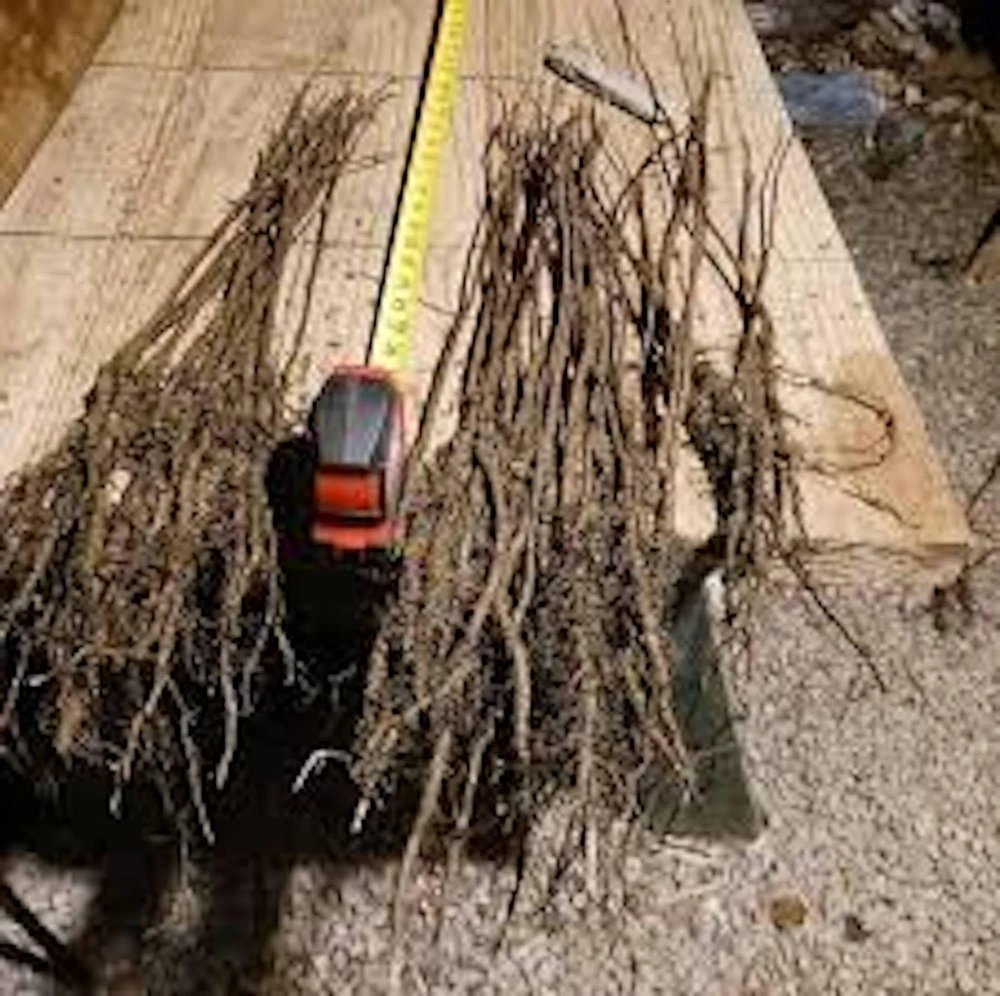
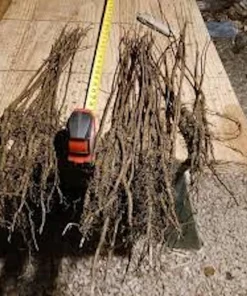
This product includes three individual black walnut tree seedlings, each measuring between 12 to 24 inches in height. They are shipped either bare root when dormant or in a quart-sized pot during the growing season, ensuring they arrive in optimal condition for planting. The american walnut tree, Juglans nigra, is known for its vigorous growth. These seedlings will grow to become substantial trees, typically reaching a mature height of 70-100 feet (21-30 meters) and nearly as wide. Their crown develops into an oval or round shape, providing ample shade and a commanding presence in the landscape.
The deep taproot system of the juglans nigra tree establishes quickly, anchoring the tree firmly. With proper care, you can expect these trees to begin producing nuts in approximately 10-15 years, though this can vary based on growing conditions. These seedlings are an ideal starting point for anyone interested in growing black walnut trees, offering a head start on developing a mature and valuable specimen.
Frequently Asked Questions
- Q: How tall are these black walnut tree seedlings when they arrive? A: Each order includes three black walnut tree seedlings that are typically between 12 and 24 inches tall upon arrival, depending on the growing season and whether they are shipped bare root or in a pot.
- Q: What size pot do the black walnut tree seedlings come in? A: During the growing season, the eastern black walnut seedlings are shipped in a quart-sized pot. When dormant, they are shipped bare root, carefully packaged to protect their roots.
- Q: How much sunlight does a Juglans nigra tree need? A: The Juglans nigra tree thrives in full sun, requiring at least 6 hours of direct sunlight per day. It does not perform well in shaded conditions.
- Q: Is this an indoor or outdoor plant? A: The american walnut tree is an outdoor plant that grows into a large shade tree, suitable for landscaping, timber production, and nut harvesting.
- Q: What USDA hardiness zones are suitable for growing black walnut trees? A: These trees are well-suited for USDA Hardiness Zones 4 through 9, making them adaptable to a wide range of climates across the US.
- Q: How long does it take for a black walnut tree to produce nuts? A: When growing black walnut trees from seedlings, you can generally expect them to start producing nuts in about 10-15 years, though this can vary with environmental factors.
- Q: What type of soil is best for black walnut tree seedlings? A: Black walnut tree seedlings prefer well-drained, moist soils. Loamy soils are ideal, but they can adapt to various soil types as long as drainage is good.
- Q: What is the mature height of an eastern black walnut tree? A: A mature eastern black walnut typically reaches an impressive height of 70-100 feet (21-30 meters) with a broad, rounded canopy.
- Q: Are these trees self-pollinating? A: Yes, the juglans nigra tree is self-pollinating, meaning a single tree can produce nuts without needing another tree for cross-pollination.
- Q: What care is needed for newly planted black walnut tree seedlings? A: Newly planted black walnut tree seedlings require consistent watering, especially during dry periods, and protection from excessive shade. Mulching can help retain soil moisture.
Be the first to review “3 Black Walnut Tree Seedlings Live Plant 12-24in Tall Quart Pot Outdoor”
People Also Viewed
Flower Seeds
Reviews
There are no reviews yet.