
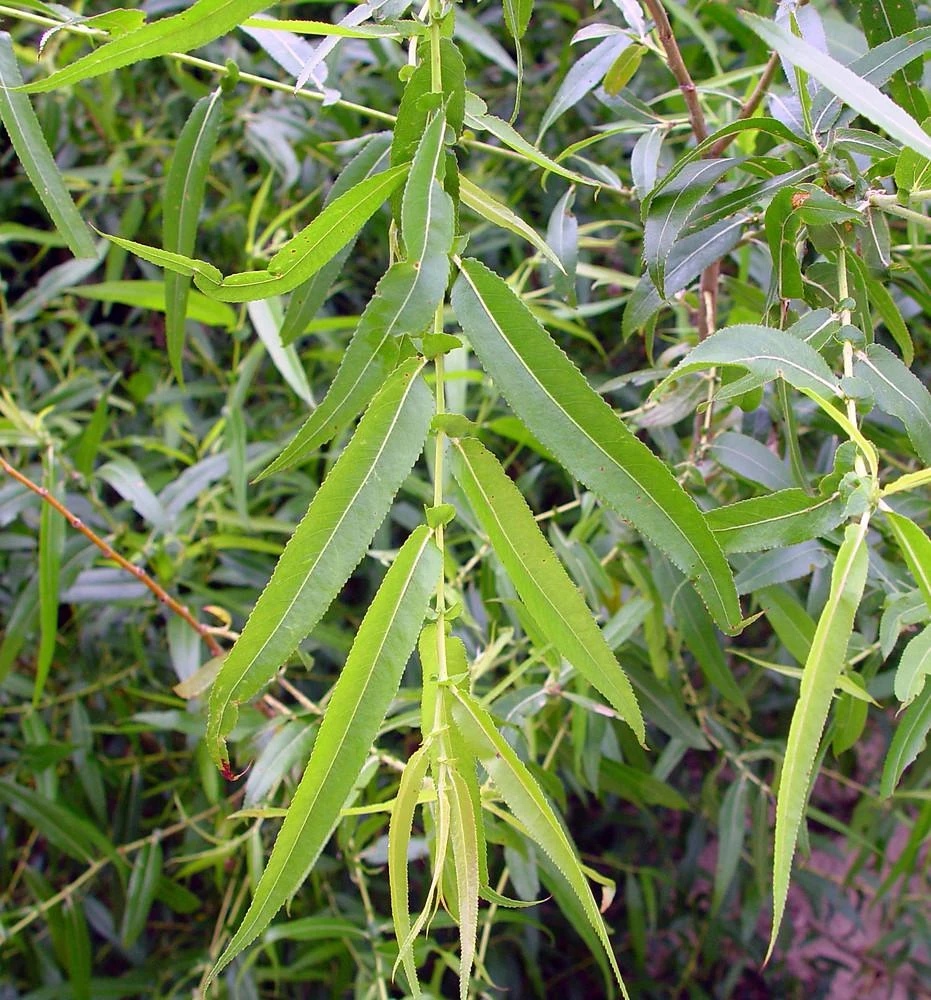
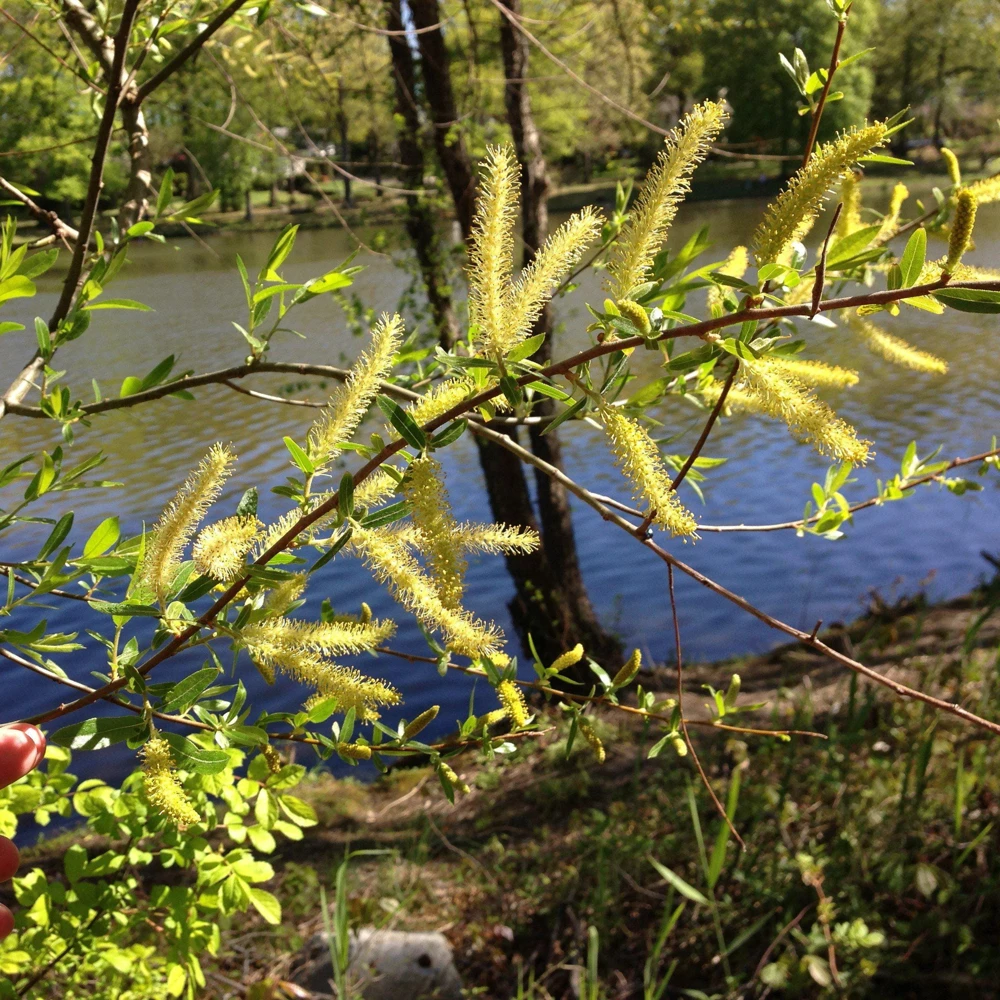
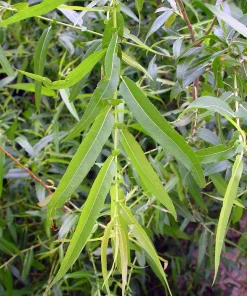
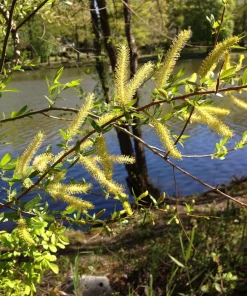
5 Black Willow Tree Salix nigra Live Plant 12-18″ Tall Quart Pot Outdoor
Original price was: $123.99.$98.99Current price is: $98.99.
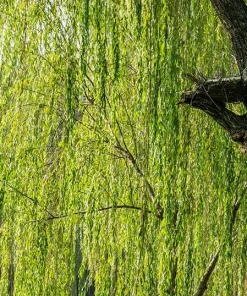
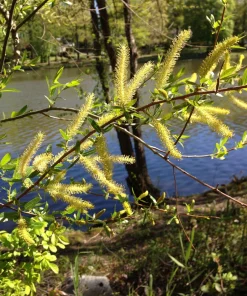
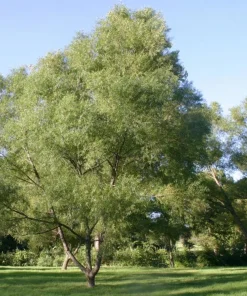
Cultivate a striking landscape with a 5-pack of black willow tree live plant specimens. These Salix nigra tree plants are 12-18″ tall and come in quart pots, ready for planting. Known for their fast growth and preference for wet soils, they are an excellent choice for naturalizing areas or creating a rapid privacy screen.
Estimated arrival
Sep 29
Oct 04 - Oct 06
Oct 09 - Oct 13
Shop With Confidence
30-Day Plant Health Guarantee
Arrives damaged? We’ll replace it free — see our return policy.
Responsive Support
Email us anytime, we reply within 1 business day.
Expert Packaging
Temperature-controlled shipping to protect your plants in transit.
Secure Checkout
Pay safely with Visa, Mastercard, PayPal.
Plant Specifications
-
USDA Hardiness Zone
USDA zones 4-9 -
Soil Type
Moist to wet soil, adaptable to various types -
Sunlight Exposure
Full sun to partial shade -
Expected Planting Period
Spring to early fall
Overview
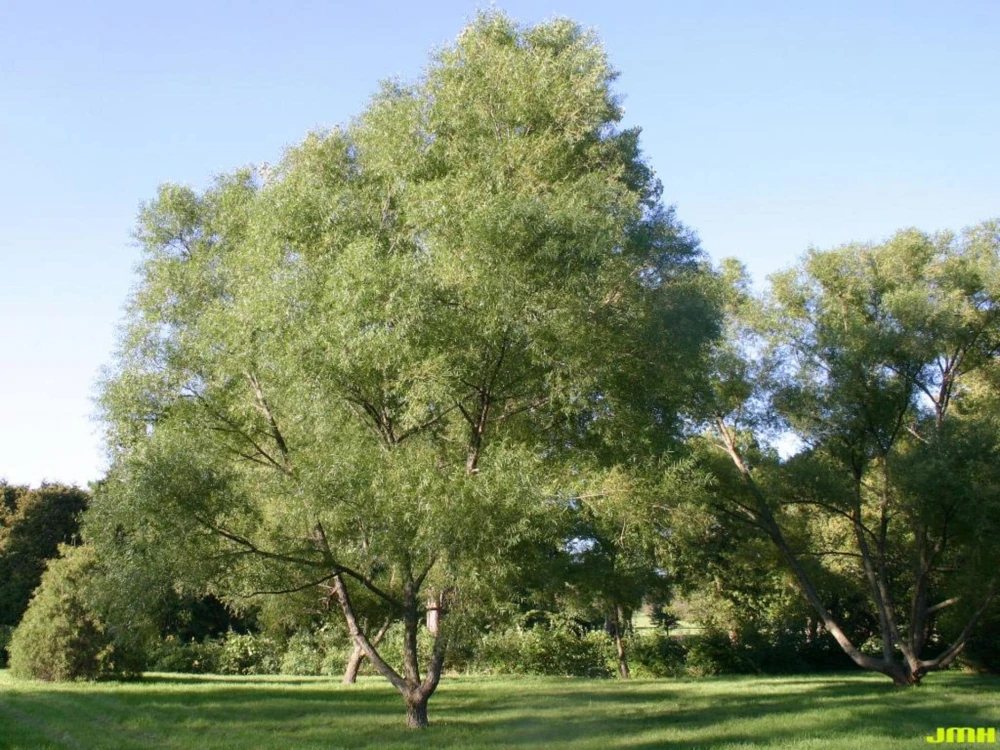
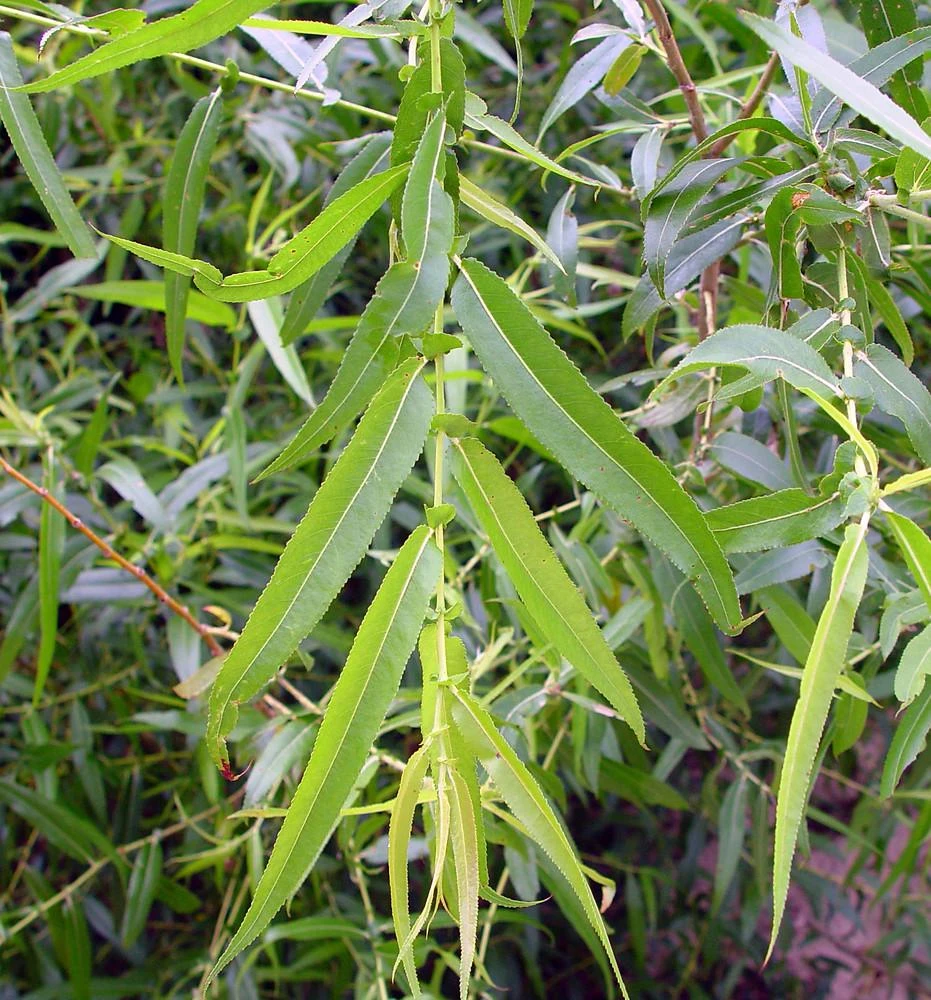
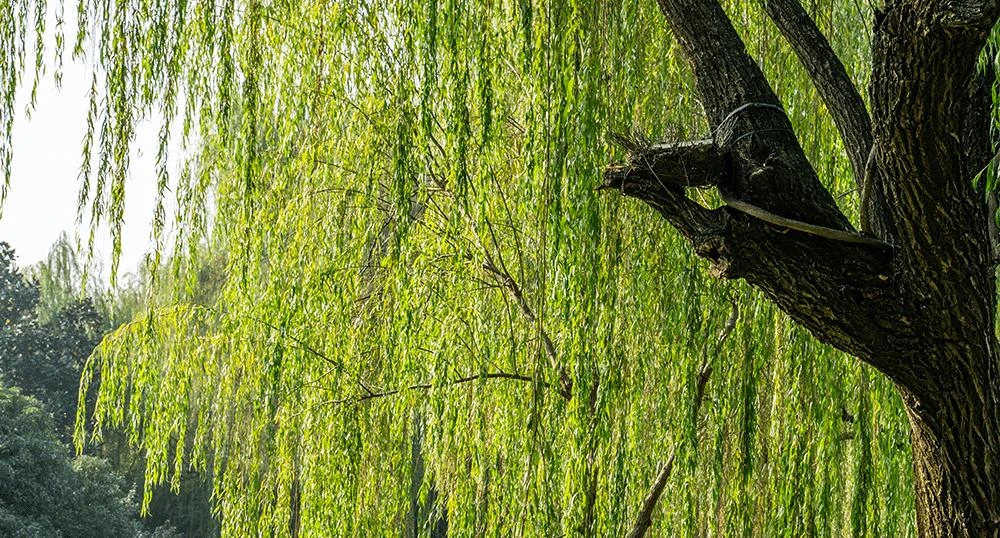
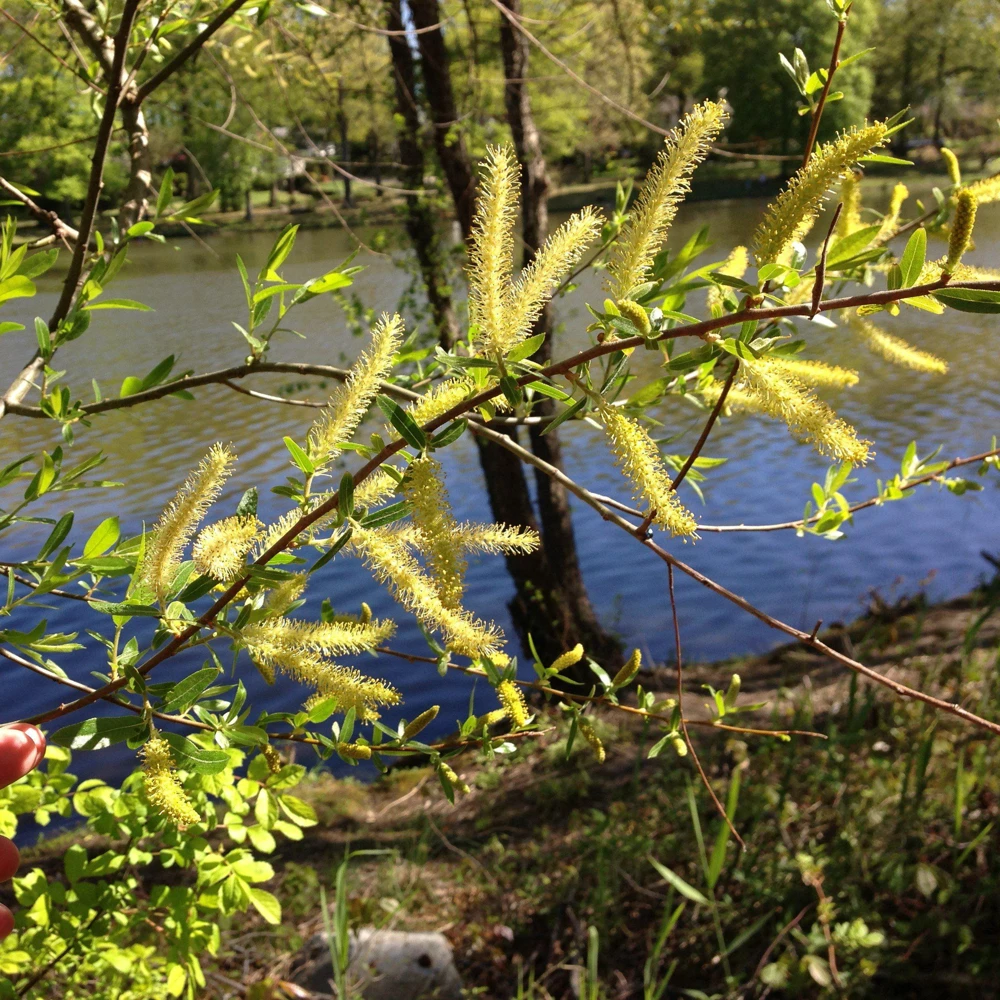
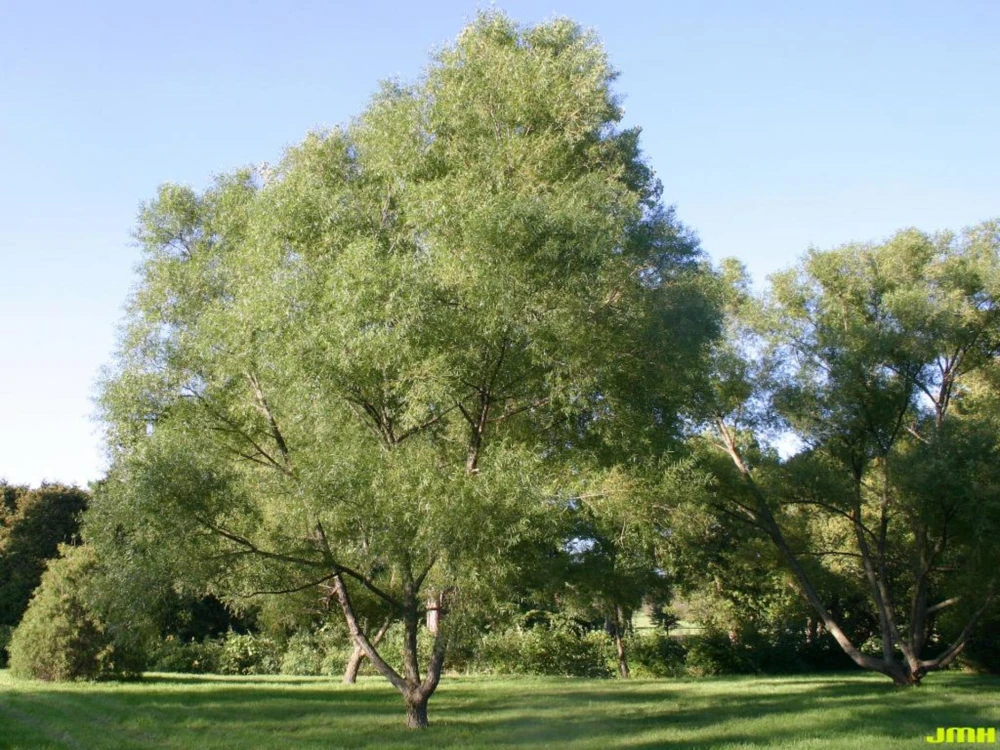
Transform your landscape with the impressive black willow tree live plant, also known by its botanical name, Salix nigra tree. This offering includes five robust live plants, each measuring 12-18 inches tall and supplied in a convenient quart pot, ready for successful transplantation. The black willow is a medium to large, fast-growing deciduous tree native to North America, making it a superb choice for those seeking a rapid-growing, indigenous species. Renowned for its distinctive dark, deeply furrowed bark, the black willow thrives in moist to wet soil conditions, making it an ideal candidate for riparian zones, pond edges, or any area with consistently damp ground. As the largest and only commercially significant native willow species in the United States, it plays a vital ecological role and offers significant aesthetic value. Typically reaching heights of 30-60 feet, with some specimens exceeding 100 feet in optimal environments, these trees quickly establish themselves to create shade, provide wildlife habitat, and enhance biodiversity.
Key Benefits
Adding a black willow tree live plant to your garden provides numerous advantages, from ecological contributions to visual appeal. These trees are not only beautiful but also highly beneficial for various landscapes, especially those with challenging soil conditions. The Salix nigra tree is a versatile and resilient choice for many gardeners.
- Rapid Growth: The black willow is celebrated for its exceptionally fast growth rate, allowing you to establish a mature tree canopy or privacy screen much quicker than many other species. This makes it an excellent investment for immediate landscape impact.
- Native Species: Being a native willow tree to North America, it is well-adapted to local climates and ecosystems, requiring less intervention once established and supporting local wildlife.
- Wet Soil Tolerance: This tree naturally thrives in wet, even waterlogged, soils where many other trees struggle. It’s perfect for low-lying areas, riverbanks, and pond edges, helping with erosion control.
- Wildlife Habitat: The black willow provides essential food and shelter for a variety of wildlife, including birds, insects, and small mammals, contributing to a healthy local ecosystem.
- Erosion Control: Its extensive root system is highly effective at stabilizing soil, preventing erosion along waterways and in flood-prone areas.
- Distinctive Appearance: With its dark, deeply furrowed bark and elegant deciduous foliage, the black willow offers year-round visual interest and a classic, natural aesthetic.
- Low Maintenance: Once established, this hardy black willow tree live plant requires minimal care, making it suitable for both experienced and novice gardeners.
Plant Care & Growing Tips
Caring for your black willow tree live plant is relatively straightforward, especially given its hardy and adaptable nature. These trees are known for their resilience, but understanding their specific needs will ensure optimal growth and health. The key to a thriving Salix nigra tree lies in providing ample moisture and sunlight.
Sunlight requirements: Black willows prefer full sun exposure, meaning at least 6 hours of direct sunlight per day. While they can tolerate partial shade, their growth will be more vigorous and their form more robust in brighter conditions. When planting, choose a location that receives abundant sunlight throughout the day. Watering schedule and soil moisture preferences: This is perhaps the most critical aspect of black willow care. They are naturally found in wet environments and prefer consistently moist to wet soils. Regular watering is crucial, especially during dry spells and in their first few years of establishment. The soil should never be allowed to dry out completely. Trees for wet soil are a specialty of the black willow. Soil type and drainage requirements: While they love moisture, black willows are not overly particular about soil type, as long as it retains water well. Loamy, clay, or sandy soils are acceptable, provided they remain consistently moist. Good drainage is less of a concern than with many other trees, as they are adapted to saturated conditions. Temperature range and USDA hardiness zone: Black willows are incredibly cold-hardy, thriving in USDA Zones 4-9. They can withstand a wide range of temperatures, from cold winters to hot summers, as long as their water needs are met. Fertilization schedule and type: Generally, black willows do not require heavy fertilization. If planted in rich soil, they may not need any. If growth appears stunted or leaves are pale, a balanced, slow-release granular fertilizer applied in early spring can be beneficial. Avoid over-fertilizing, which can lead to excessive, weak growth. Common problems and solutions: Black willows are generally robust but can be susceptible to certain pests and diseases, such as willow blight, cankers, and various leaf-eating insects. Maintaining good air circulation, ensuring proper watering, and promptly removing any diseased branches can help prevent issues. Consulting a local arborist for severe problems is recommended to keep your native willow tree healthy.
Size & Details
This offering includes five individual black willow tree live plant specimens, each carefully grown to a height of 12-18 inches. They are provided in quart-sized nursery pots, ensuring a healthy root system for successful transplanting. The black willow is known for its impressive growth potential, typically reaching a mature height of 30-60 feet with a spread of 20-40 feet. Under ideal conditions, particularly with ample water and sunlight, these trees can exceed 100 feet, making them one of the tallest native willow species. They exhibit a relatively fast growing willow rate, often adding several feet of height per year once established. These plants are supplied as young, vigorous saplings, allowing you to shape their growth from an early stage. Expect them to develop into stately, spreading trees with age, providing significant shade and ecological benefits. Their deeply furrowed bark will become more prominent as the trees mature, adding to their distinctive character. These trees for wet soil are an excellent investment for long-term landscape development.
Frequently Asked Questions
- Q: How big does this black willow tree live plant get at maturity? A: Black willow trees typically grow 30-60 feet tall with a spread of 20-40 feet. In optimal conditions, especially with consistent moisture, they can even exceed 100 feet, making them a very large and impressive shade tree.
- Q: What size pot does the tree come in? A: Each Salix nigra tree in this 5-pack is shipped in a quart-sized nursery pot, providing a well-established root system for successful planting in your garden.
- Q: Is this an indoor or outdoor plant? A: The black willow is an outdoor tree. It requires significant space to grow and thrives in full sun and wet soil conditions, making it unsuitable for indoor cultivation. It is a true native willow tree for outdoor landscapes.
- Q: How much sunlight does it need? A: Black willow trees perform best in full sun, meaning they need at least 6 hours of direct sunlight daily. While they can tolerate some partial shade, ample sunlight promotes the most vigorous growth and best overall health.
- Q: Is this plant easy to care for? A: Yes, once established, the black willow is considered a relatively low-maintenance tree. Its primary requirement is consistently moist to wet soil. As a fast growing willow, it will quickly establish itself.
- Q: What condition will it arrive in? A: Your black willow tree live plant will arrive as a healthy, actively growing sapling, carefully packaged to ensure its safety during transit. It will be ready for immediate planting upon arrival.
- Q: When is the best time to plant a black willow? A: The best time to plant black willows is typically in spring or early fall when temperatures are moderate. This allows the tree to establish its root system before extreme summer heat or winter cold.
- Q: Will it survive winter in my zone? A: Yes, the black willow is very cold-hardy and thrives in USDA Hardiness Zones 4 through 9, making it suitable for a wide range of climates across the United States.
- Q: Are these trees for wet soil truly tolerant of waterlogged conditions? A: Absolutely. The black willow is exceptionally adapted to wet and even periodically waterlogged soils, making it an ideal choice for areas where other trees might struggle, such as along streams, ponds, or in low-lying areas.
- Q: What is the expected growth rate for these trees? A: Black willows are known for being a fast growing willow species, often adding several feet of growth per year once established. This rapid growth makes them excellent for quick landscaping solutions and creating shade.
Be the first to review “5 Black Willow Tree Salix nigra Live Plant 12-18″ Tall Quart Pot Outdoor”
People Also Viewed


Reviews
There are no reviews yet.