
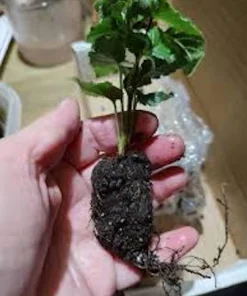
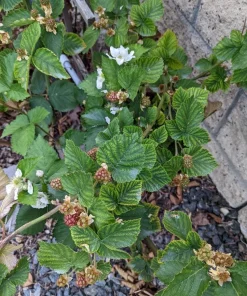
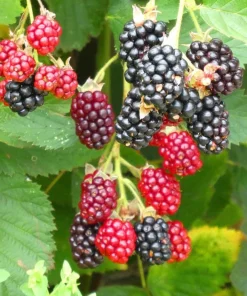
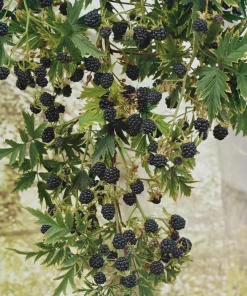
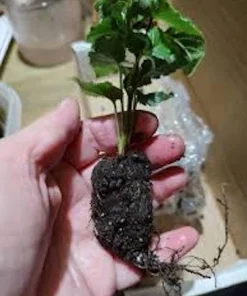
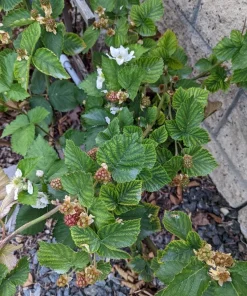
10 Arapaho Thornless Blackberry Starter Plugs – Rubus fruticosus Live Plant
Original price was: $159.99.$134.99Current price is: $134.99.
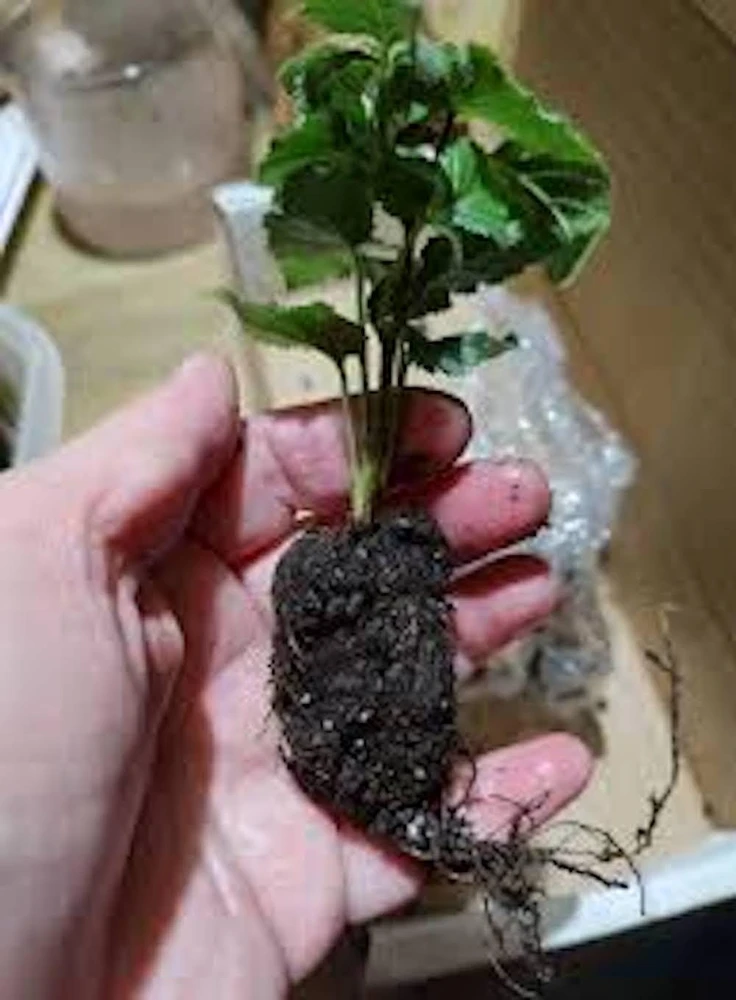
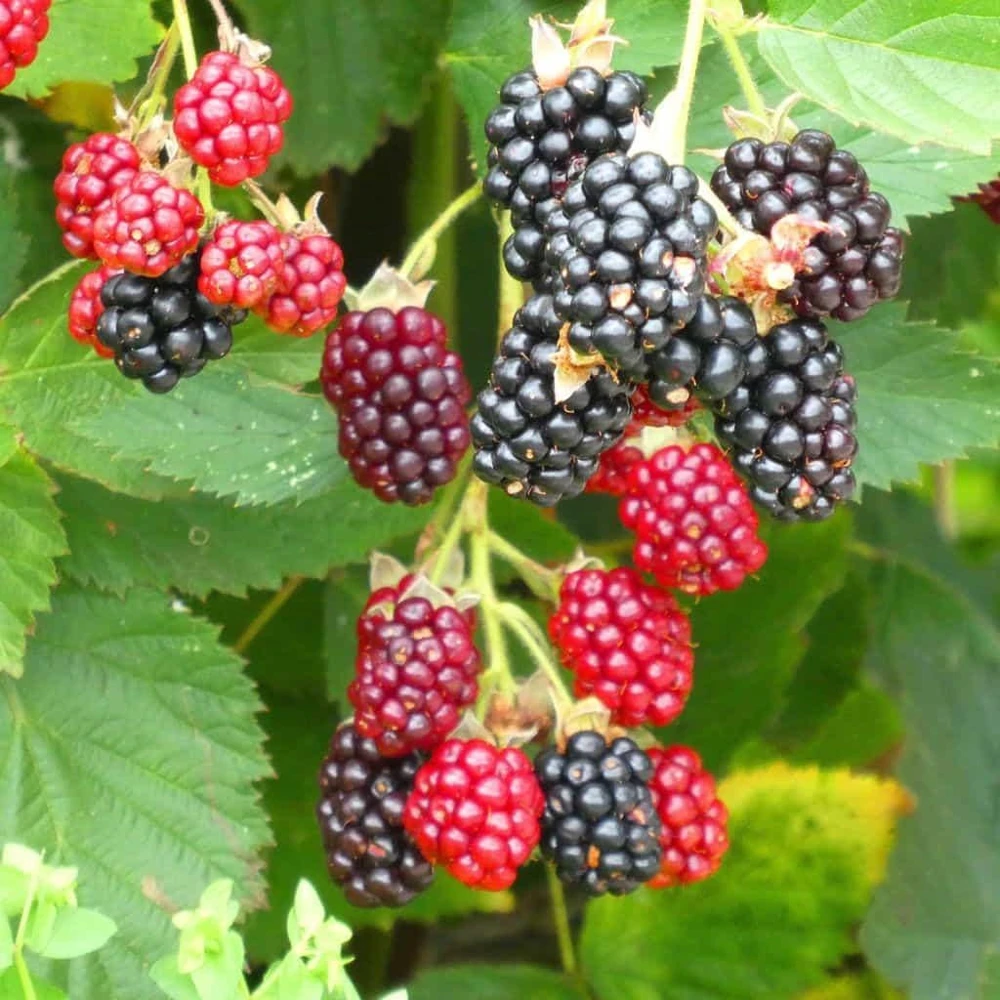
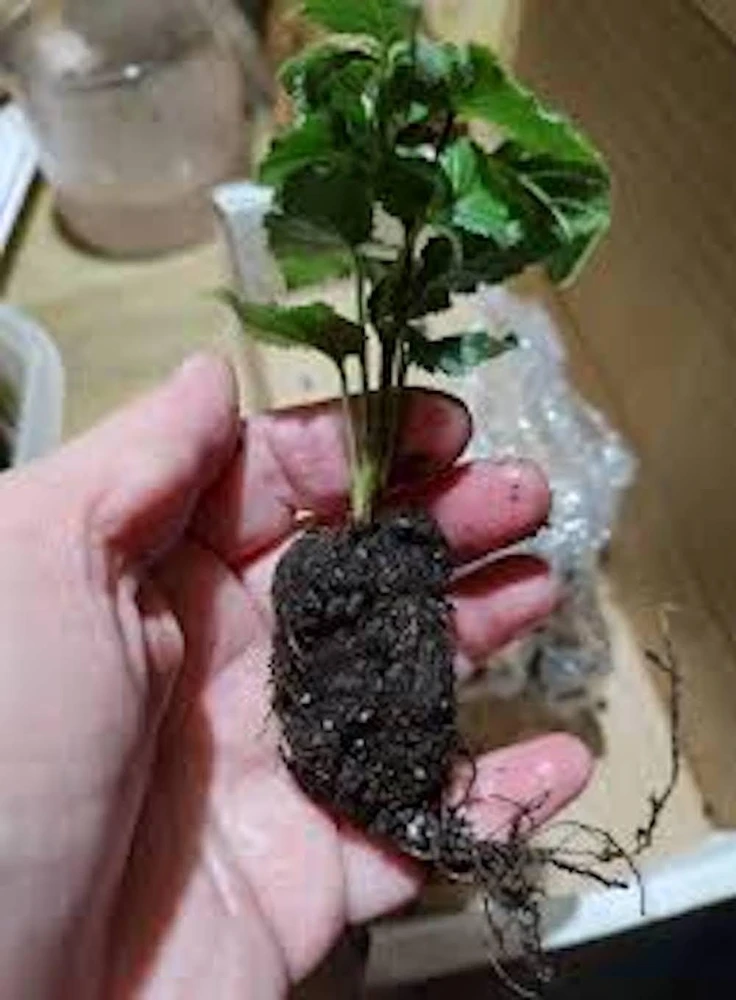
Cultivate your own delicious berries with these Arapaho thornless blackberry starter plugs. Known for their sweet, firm fruit and erect canes, these plants are a favorite for home gardens. Enjoy easy harvesting and disease resistance with these thornless blackberry plant young plants.
Estimated arrival
Sep 29
Oct 04 - Oct 06
Oct 09 - Oct 13
Shop With Confidence
30-Day Plant Health Guarantee
Arrives damaged? We’ll replace it free — see our return policy.
Responsive Support
Email us anytime, we reply within 1 business day.
Expert Packaging
Temperature-controlled shipping to protect your plants in transit.
Secure Checkout
Pay safely with Visa, Mastercard, PayPal.
Plant Specifications
-
USDA Hardiness Zone
USDA Zones 4-9 -
Soil Type
Well-draining, slightly acidic soil -
Sunlight Exposure
Full sun (6-8+ hours daily) -
Expected Planting Period
Early spring or early fall
Overview
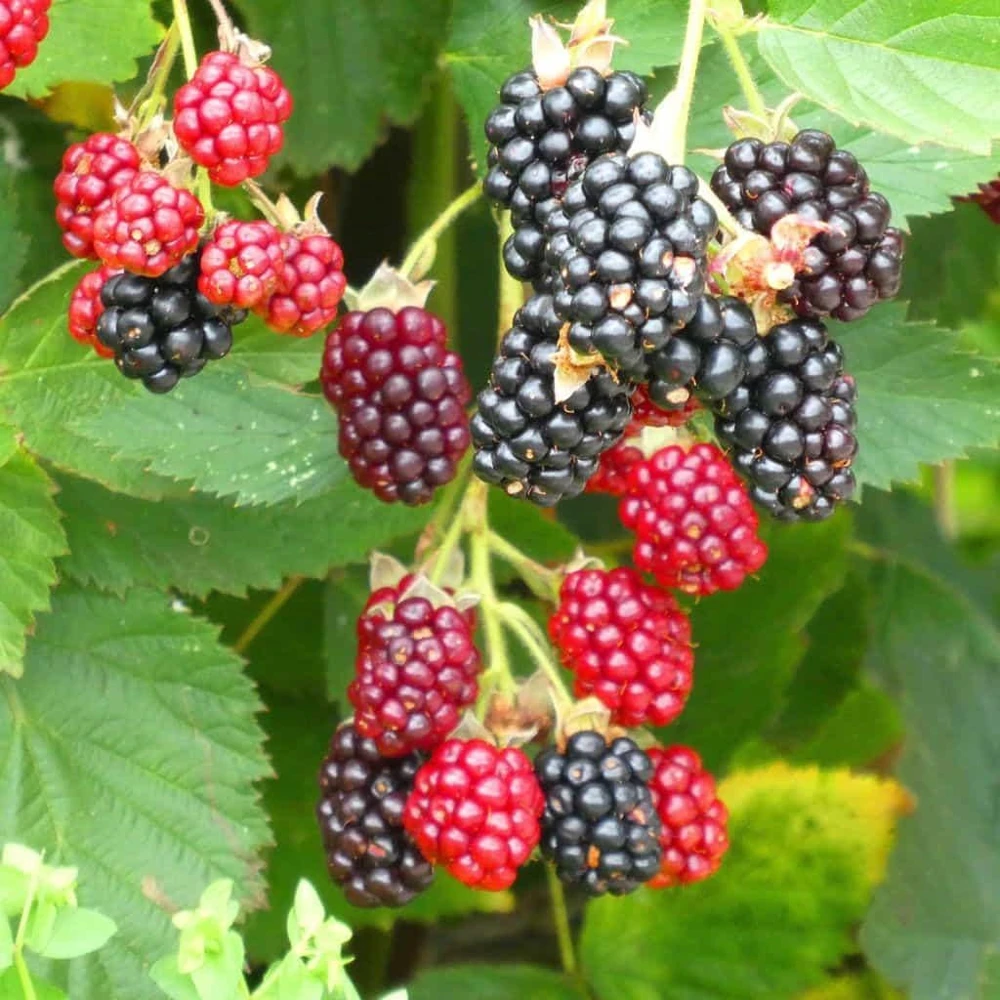
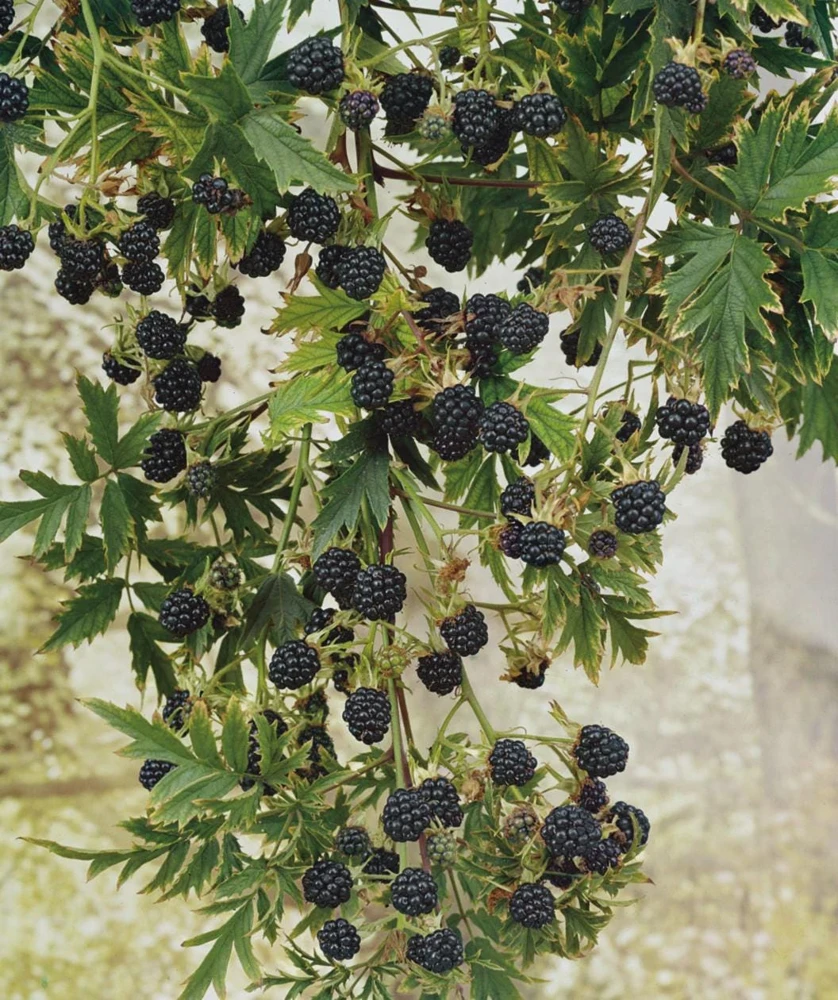
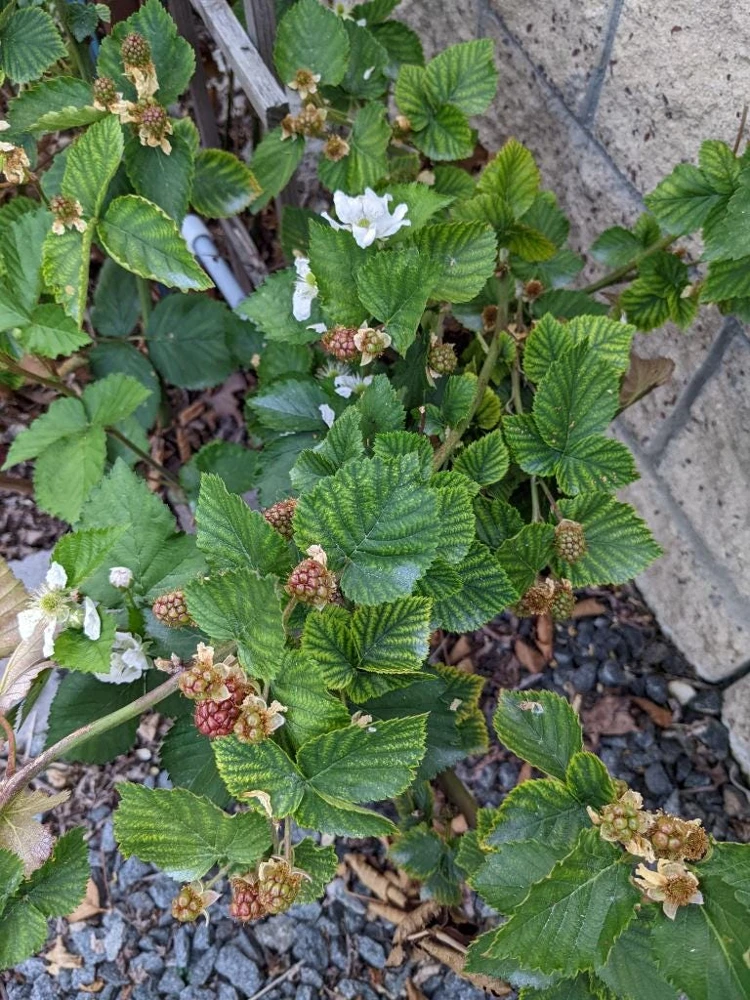
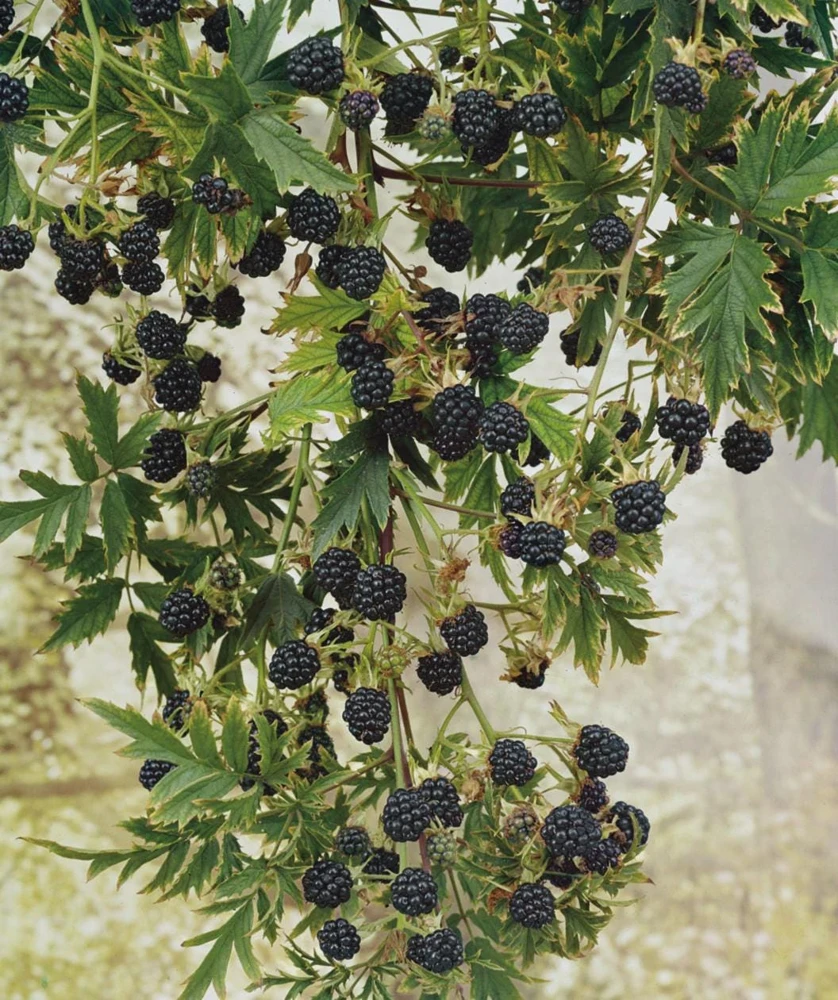
Bring the joy of fresh, homegrown berries to your garden with the Arapaho thornless blackberry starter plugs. This offering includes 10 young live plants of the highly sought-after ‘Arapaho’ cultivar (Rubus fruticosus ‘Arapaho’), renowned for its exceptional qualities. Developed by the University of Arkansas, this variety stands out for its completely thornless canes, making harvesting a pleasure without the usual pricks. These plants are early-ripening, producing abundant crops of sweet, firm berries that are perfect for eating fresh, baking, or preserving. The erect, self-supporting canes simplify garden management, eliminating the need for extensive trellising. Ideal for both novice and experienced gardeners, the Arapaho thornless blackberry is a robust and reliable choice for adding a productive and beautiful element to your landscape.
Each of the 10 starter plugs is a healthy young plant, ready to be established in your garden. The ‘Arapaho’ cultivar is celebrated for its vigorous growth and consistent yields, ensuring a rewarding berry-growing experience. Its natural disease resistance further enhances its appeal, minimizing the need for chemical interventions and allowing for more organic cultivation practices. Plant these thornless blackberry plant plugs and look forward to a bountiful harvest of delicious berries year after year.
Key Benefits
Choosing the ‘Arapaho’ cultivar for your garden brings a multitude of advantages, making it a top choice among berry enthusiasts. These Arapaho thornless blackberry plants offer a combination of convenience, productivity, and delicious fruit.
- Thornless Canes for Easy Harvesting: One of the most significant benefits is the complete absence of thorns on the canes. This feature transforms the harvesting process, allowing you to pick berries comfortably and without injury, making it an excellent choice for families with children.
- Sweet and Firm Berries: The ‘Arapaho’ produces high-quality berries that are consistently sweet and firm. Their excellent texture makes them ideal for fresh eating, while their robust flavor shines in pies, jams, and other culinary creations.
- Early Ripening: Enjoy your first harvest sooner! The early ripening blackberry characteristic of the ‘Arapaho’ means you can start enjoying fresh berries earlier in the season compared to many other varieties, extending your berry-picking pleasure.
- Erect and Self-Supporting Growth: The canes grow upright and are largely self-supporting, reducing the need for extensive trellising or complicated support structures. This makes maintenance simpler and saves valuable garden space.
- Disease Resistance: Developed for resilience, the ‘Arapaho’ cultivar exhibits good resistance to common blackberry diseases. This inherent hardiness contributes to healthier plants and more consistent yields with less effort.
- Cold-Hardy: These plants are remarkably cold-hardy, thriving in USDA Hardiness Zones 4-9. This wide adaptability ensures that gardeners in various climates can successfully grow and enjoy the benefits of this exceptional blackberry.
- Versatile Use: Beyond fresh eating, the berries are excellent for freezing, canning, making preserves, or incorporating into desserts. Having your own supply of Rubus fruticosus Arapaho berries opens up a world of culinary possibilities.
Plant Care & Growing Tips
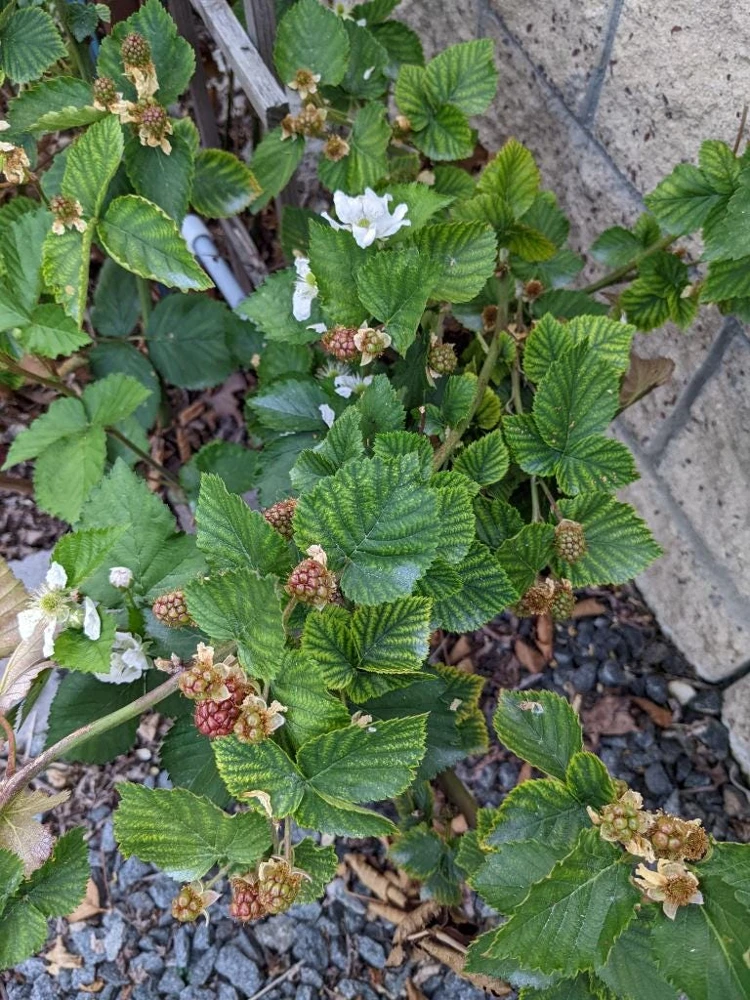
Successfully growing Arapaho thornless blackberry plants requires attention to a few key environmental factors and regular care. These plants prefer a location that receives full sun, meaning at least 6-8 hours of direct sunlight per day. Adequate sunlight is crucial for maximizing fruit production and ensuring the sweetest berries. While they tolerate some partial shade, yields may be reduced. When planting your 10 starter plugs, choose a site with well-draining soil. Blackberries are not tolerant of waterlogged conditions, which can lead to root rot. Amending heavy clay soils with organic matter like compost can significantly improve drainage and provide essential nutrients for healthy growth.
Watering is critical, especially during establishment and fruit development. Keep the soil consistently moist but not soggy. A good rule of thumb is to water deeply once or twice a week, or more frequently during dry spells or in hot climates. Mulching around the base of the plants with a 2-4 inch layer of organic material such as wood chips or straw can help retain soil moisture, suppress weeds, and regulate soil temperature. Fertilize your thornless blackberry plant in early spring with a balanced slow-release fertilizer or a granular fertilizer formulated for berries. Avoid over-fertilizing, particularly with high-nitrogen formulas, as this can promote excessive vegetative growth at the expense of fruit production. Pruning is essential for maintaining plant health and maximizing yields. ‘Arapaho’ produces fruit on floricanes (second-year canes). After harvest, prune back the canes that have fruited to the ground. New primocanes (first-year canes) will emerge and produce fruit the following year. Remove any weak, diseased, or crossing canes to ensure good air circulation and light penetration.
The cold hardy blackberry ‘Arapaho’ thrives in USDA Hardiness Zones 4-9. In colder zones (4-5), some winter protection may be beneficial, such as covering the canes with burlap or straw, especially for young plants. Monitor for common pests like aphids or Japanese beetles and address them with appropriate organic or conventional controls if necessary. Disease resistance is a strong point of this cultivar, but ensuring good air circulation through proper spacing and pruning can further prevent fungal issues. With proper care, your Rubus fruticosus Arapaho plants will provide years of delicious harvests.
Size & Details
This offering includes 10 Arapaho thornless blackberry starter plugs, each representing a vigorous young live plant ready for transplanting. These plugs are typically established with a healthy root system, ensuring a strong start in your garden. When mature, the ‘Arapaho’ blackberry plants can reach a height of 5-7 feet with a spread of 3-5 feet, depending on growing conditions and pruning practices. They are known for their erect and self-supporting growth habit, making them easier to manage than some trailing varieties. The growth rate is moderate to fast, with primocanes (first-year canes) developing rapidly and floricanes (second-year canes) producing fruit.
Expected time to first fruit is typically the summer following the year of planting, as fruit is borne on second-year canes. These plants are shipped as carefully packaged starter plugs, ensuring they arrive in optimal condition for planting. The ‘Arapaho’ cultivar is a reliable performer, offering a consistent and abundant yield of berries once established. With its inherent disease resistance and adaptability across a wide range of USDA Hardiness Zones (4-9), this early ripening blackberry is a superb addition to any home garden.
Frequently Asked Questions
- Q: How big do these Arapaho thornless blackberry plants get? A: Mature ‘Arapaho’ blackberry plants typically grow 5-7 feet tall with a spread of 3-5 feet. Their erect growth habit means they are largely self-supporting, though some gardeners may provide minimal support.
- Q: Are these plants suitable for growing in containers? A: While blackberries generally prefer to be planted in the ground, the Arapaho thornless blackberry can be grown in very large containers (at least 15-20 gallons) with excellent drainage. Container-grown plants will require more frequent watering and feeding.
- Q: How much sunlight do these thornless blackberry plant plugs need? A: For optimal fruit production, these plants require full sun, which means at least 6-8 hours of direct sunlight per day. More sun generally leads to sweeter and more abundant berries.
- Q: When is the best time to plant these starter plugs? A: The best time to plant blackberry starter plugs is in early spring after the last frost, or in early fall in milder climates. This allows the plants ample time to establish their root systems before extreme temperatures.
- Q: Is the ‘Arapaho’ truly thornless? A: Yes, the ‘Arapaho’ cultivar is indeed completely thornless, making it a popular choice for easy and comfortable harvesting. This is a key feature of the Rubus fruticosus Arapaho variety.
- Q: How long until I get fruit from these early ripening blackberry plants? A: Since ‘Arapaho’ produces fruit on second-year canes (floricanes), you can expect your first harvest the summer after you plant the starter plugs, assuming they establish well in their first growing season.
- Q: What USDA Hardiness Zones are suitable for the cold hardy blackberry ‘Arapaho’? A: The ‘Arapaho’ blackberry is cold-hardy and thrives in USDA Hardiness Zones 4 through 9, making it adaptable to a wide range of climates across the United States.
- Q: How often should I water my blackberry plants? A: Keep the soil consistently moist, especially during dry periods and when fruits are developing. Water deeply once or twice a week, adjusting frequency based on weather and soil type.
- Q: Do these plants require a pollinator? A: No, the ‘Arapaho’ blackberry is self-fertile, meaning a single plant can produce fruit without needing another variety for cross-pollination. However, planting multiple plants can sometimes lead to even better yields.
- Q: What kind of soil is best for these plants? A: Well-draining, slightly acidic soil (pH 6.0-6.5) is ideal. Amend heavy clay soils with organic matter to improve drainage and fertility.
Be the first to review “10 Arapaho Thornless Blackberry Starter Plugs – Rubus fruticosus Live Plant”
People Also Viewed
Reviews
There are no reviews yet.