
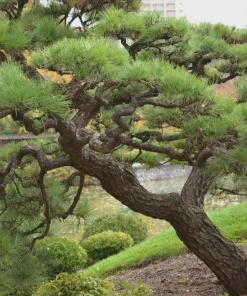
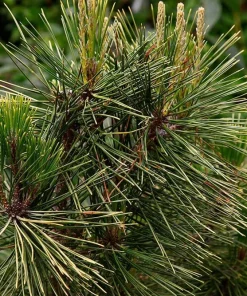
3 Japanese Black Pine (Pinus thunbergii) Bare Root Starter Trees Outdoor
Original price was: $99.99.$74.99Current price is: $74.99.
Bring the iconic beauty of Japan to your landscape with these 3 Japanese Black Pine bare root starter trees. Perfect for creating a distinctive garden feature or beginning your bonsai journey, these Pinus thunbergii starter plants are known for their rugged form and adaptability. Ideal for outdoor cultivation, they promise to add evergreen elegance to your space.
Estimated arrival
Sep 29
Oct 04 - Oct 06
Oct 09 - Oct 13
Shop With Confidence
30-Day Plant Health Guarantee
Arrives damaged? We’ll replace it free — see our return policy.
Responsive Support
Email us anytime, we reply within 1 business day.
Expert Packaging
Temperature-controlled shipping to protect your plants in transit.
Secure Checkout
Pay safely with Visa, Mastercard, PayPal.
Plant Specifications
-
USDA Hardiness Zone
USDA Zones 5-9 -
Soil Type
Well-draining, slightly acidic to neutral soil -
Sunlight Exposure
Full sun -
Expected Planting Period
Late fall or early spring (dormant season)
Overview
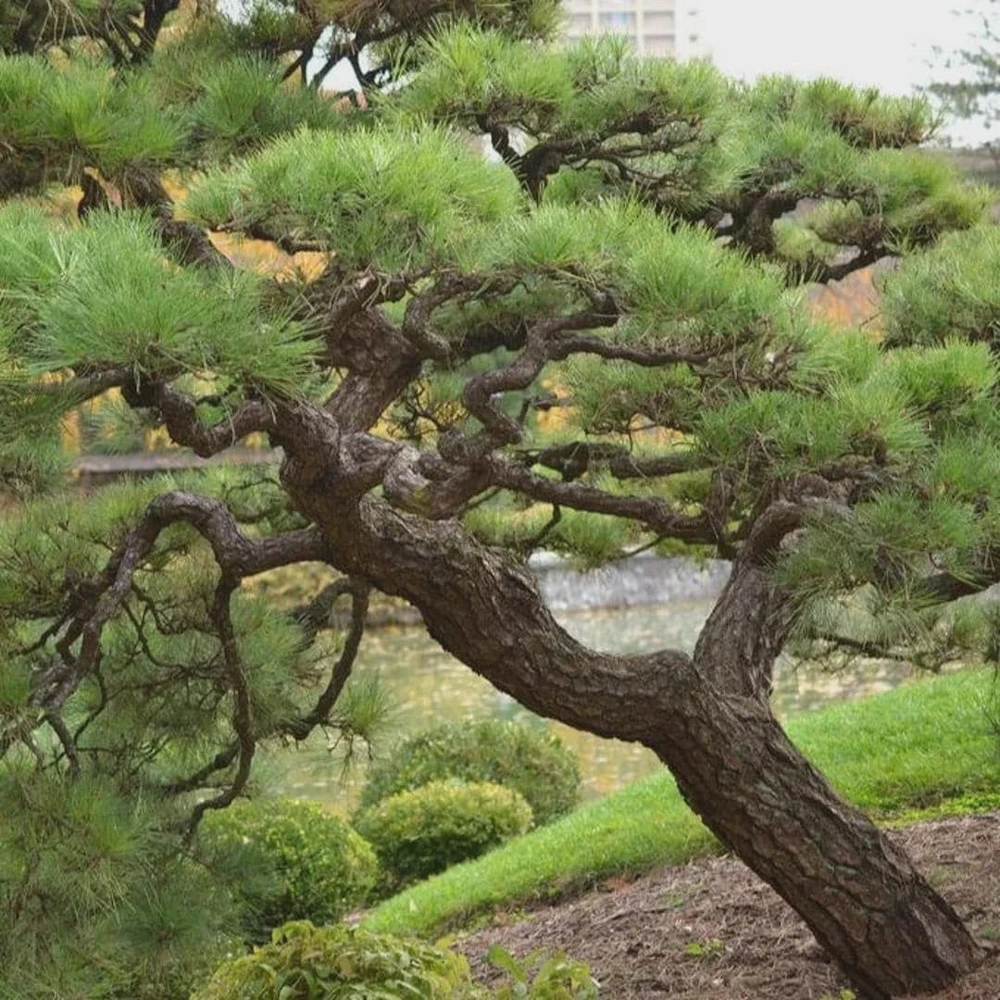
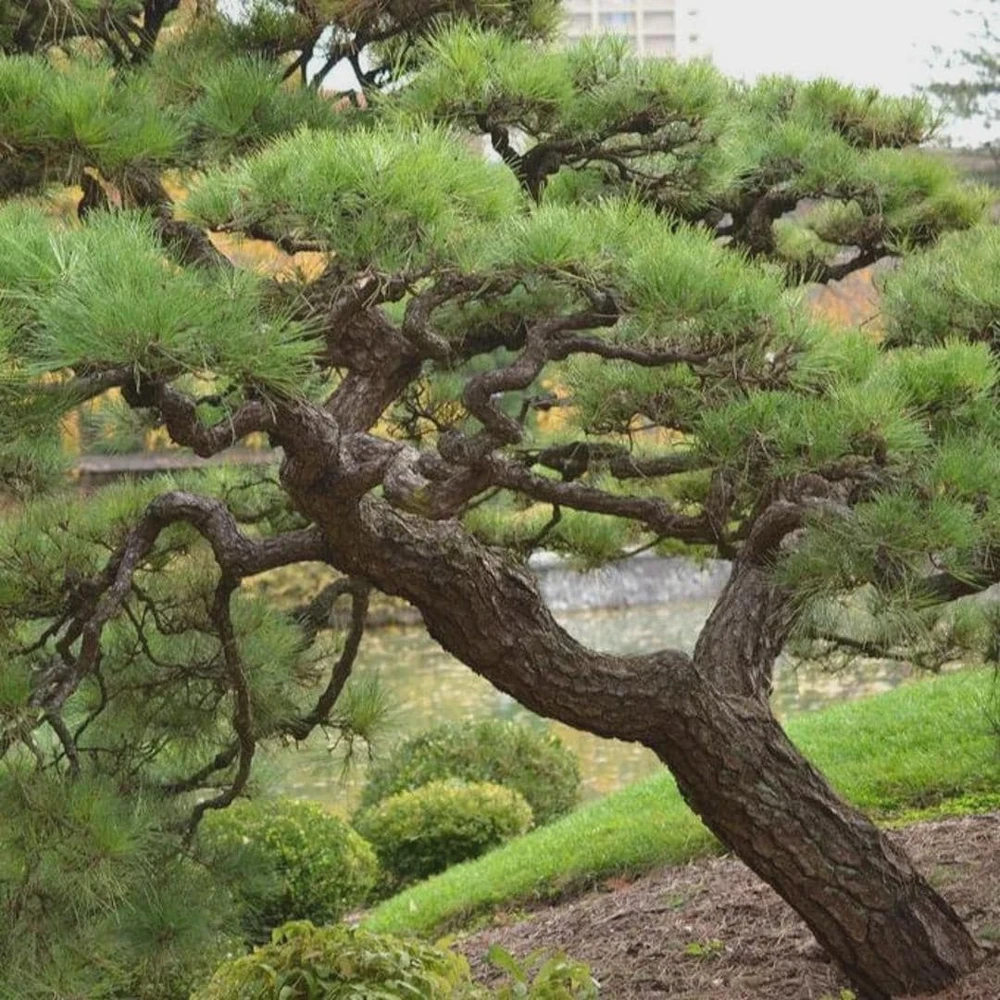
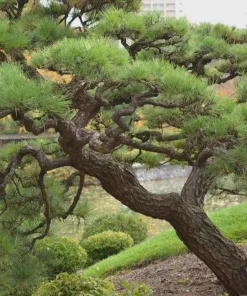
Transform your garden into a serene landscape with our 3 Japanese Black Pine bare root starter trees. The Japanese Black Pine (Pinus thunbergii) is an iconic evergreen conifer, highly prized for its rugged, irregular form and striking dark gray-to-black scaly bark. Native to the coastal regions of Japan and South Korea, this resilient tree is a cornerstone of traditional Japanese gardening and an exceptionally popular choice for bonsai enthusiasts worldwide. These bare root starter trees offer an excellent opportunity to cultivate these magnificent specimens from an early stage, allowing them to adapt and thrive in your specific environment. Known for their strong aesthetic appeal and ability to withstand harsh coastal conditions, Japanese Black Pines are a durable and rewarding addition to any outdoor space.
Whether you’re looking to establish a focal point in your garden, create a natural windbreak, or embark on the intricate art of bonsai, these Pinus thunbergii starter trees provide a robust foundation. Their distinctive appearance and hardy nature make them a favorite among both novice and experienced gardeners. Cultivating a Japanese Black Pine bare root plant allows you to experience the satisfaction of nurturing a plant that will mature into a majestic and characterful tree, symbolizing strength and longevity.
Key Benefits
The Japanese Black Pine bare root offers numerous advantages for any gardener or landscape designer:
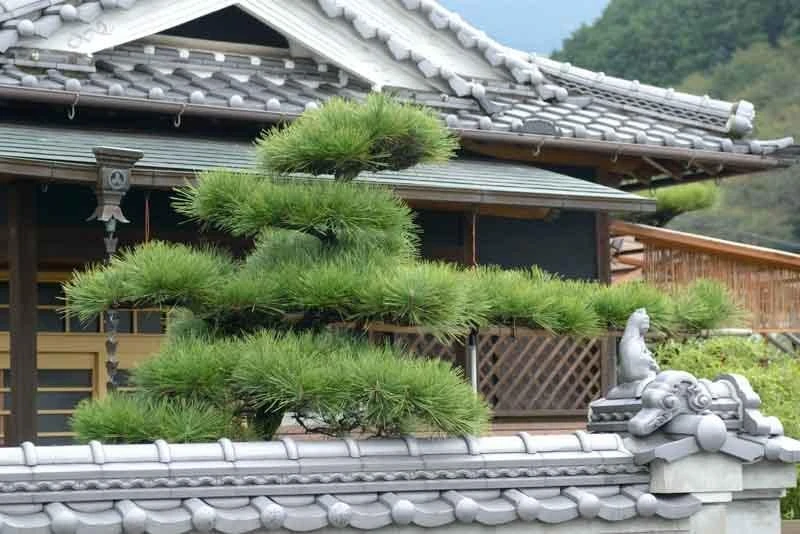
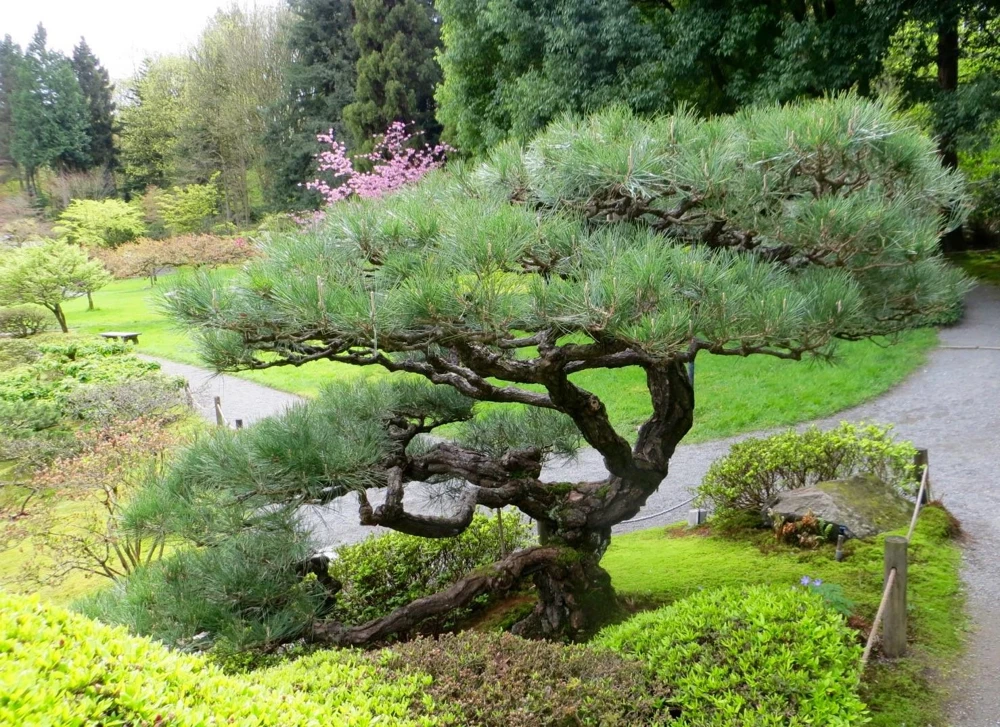
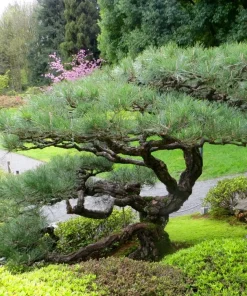
- Distinctive Aesthetic Appeal: Known for its rugged, irregular growth habit and deep green needles, the Japanese Black Pine creates a dramatic and sculptural presence in any garden. Its unique silhouette adds an element of natural artistry.
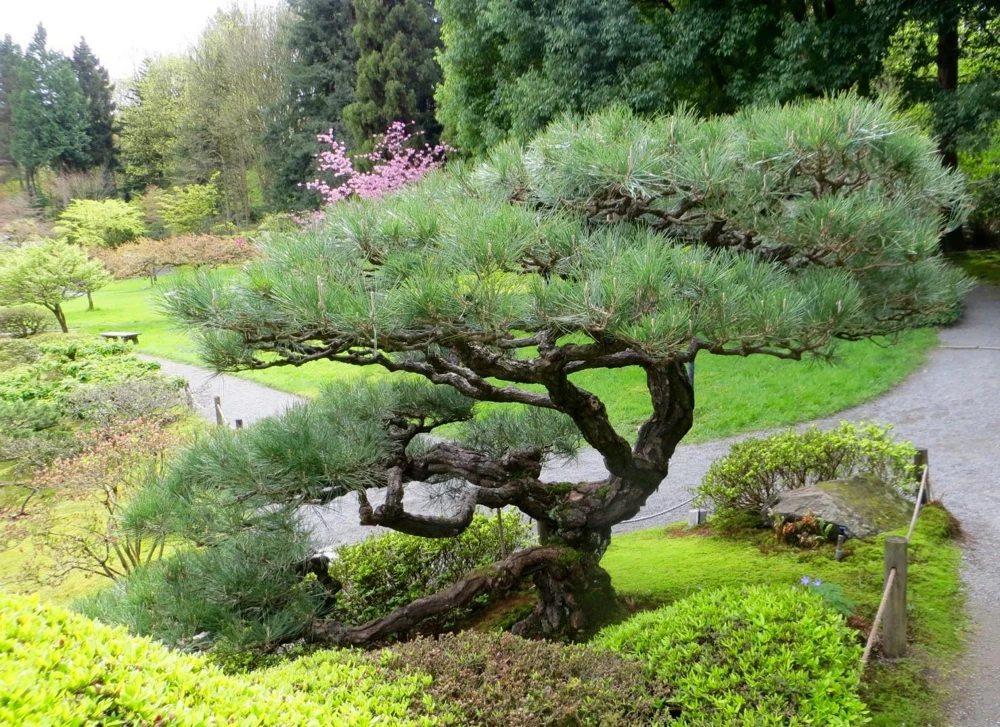
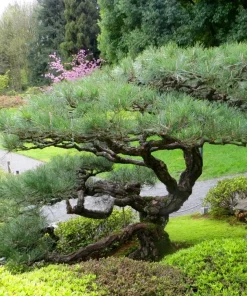
- Excellent for Bonsai: This species is one of the most classic and revered subjects for bonsai, thanks to its strong trunk, adaptable branching, and ability to be trained into various styles. These starter trees are perfect for those who want to grow Japanese Black Pine for bonsai.
- Hardy and Resilient: Tolerant of a wide range of conditions, including salt spray and poor soils, making it ideal for coastal landscapes and challenging environments. It’s a robust choice for durable garden design.
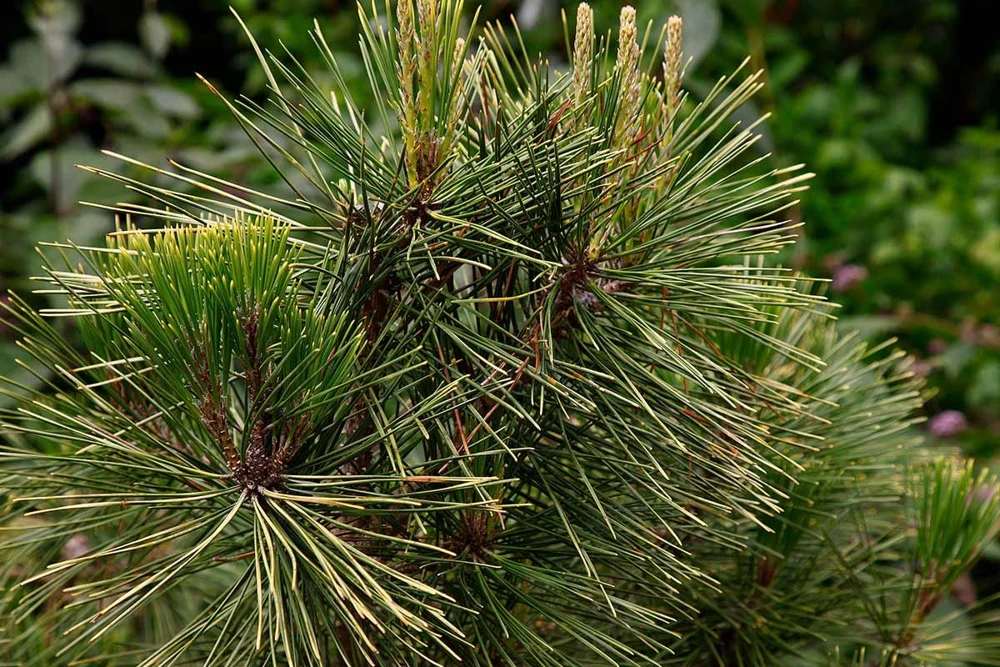
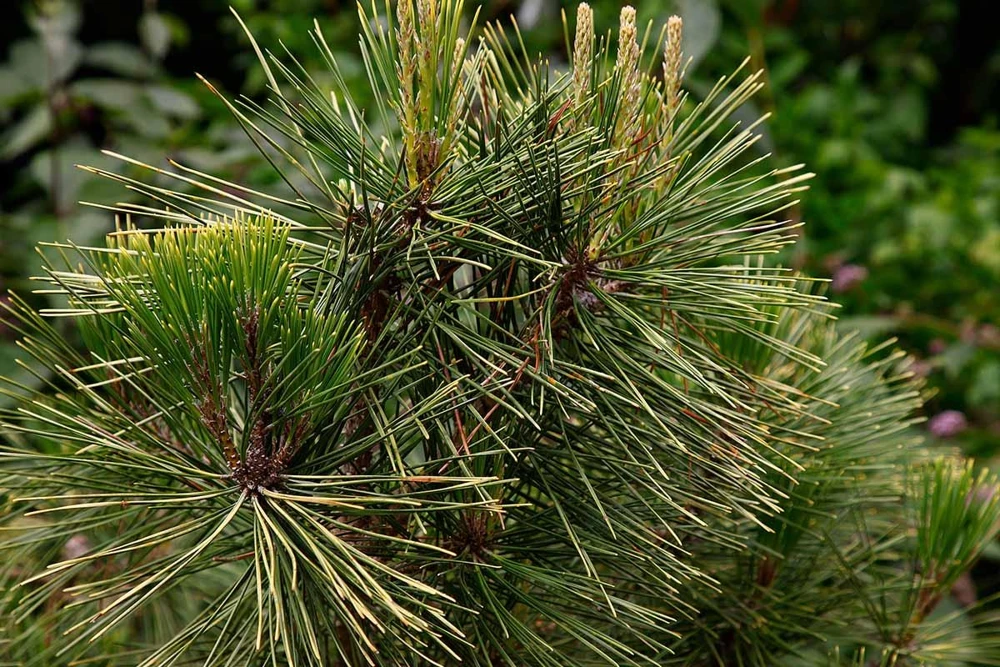
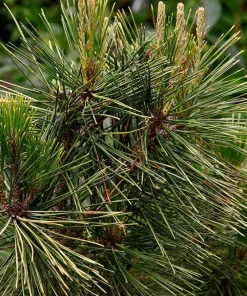
- Evergreen Foliage: Provides year-round interest and structure to the landscape with its vibrant, dark green needles, ensuring your garden remains vibrant even in winter.
- Low Maintenance Once Established: While initial care is important, established Japanese Black Pines are relatively low-maintenance, requiring minimal pruning to maintain their desired shape and health.
- Wildlife Habitat: Provides shelter and nesting sites for various bird species, contributing to local biodiversity and creating a lively garden ecosystem.
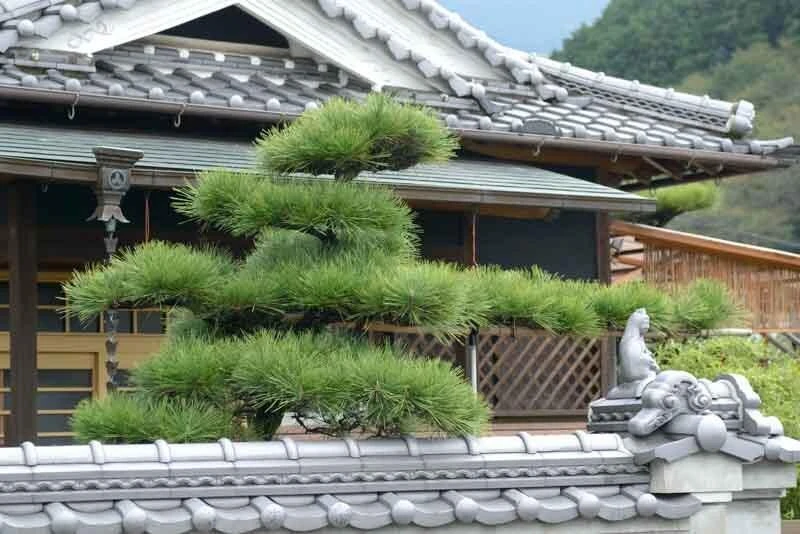
- Symbolic Value: In Japanese culture, the black pine symbolizes longevity, strength, and renewal, adding a deeper layer of meaning to your garden.
Plant Care & Growing Tips
To successfully grow Japanese Black Pine, proper care is essential, especially when starting with bare root specimens. These trees thrive in full sun, requiring at least 6-8 hours of direct sunlight per day. While they are adaptable, a location with good air circulation will help prevent fungal issues. When planting, ensure the site has well-draining soil. Japanese Black Pines prefer slightly acidic to neutral soil (pH 5.0-7.0) and can tolerate sandy or rocky conditions, reflecting their coastal origins. Avoid heavy clay soils that retain too much moisture, as this can lead to root rot.
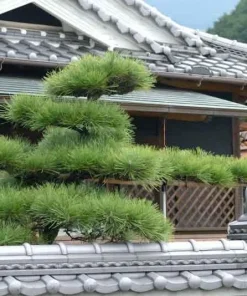
Watering is crucial during the establishment phase. Keep the soil consistently moist but not waterlogged after planting your Pinus thunbergii starter. Once established, Japanese Black Pines are quite drought-tolerant, but occasional deep watering during prolonged dry spells will benefit their health. Fertilize sparingly; these trees are not heavy feeders. A balanced, slow-release fertilizer in early spring can be beneficial, but over-fertilization can harm the tree. Pruning is often done to shape the tree, especially for those aiming for a bonsai black pine. Candle pruning in spring helps control growth and promote denser foliage. Protect young trees from harsh winter winds in colder climates, though mature trees are quite hardy. These pines are generally hardy in USDA Zones 5-9.
Monitor your trees for common pests like pine needle scale or bark beetles, and address any issues promptly with appropriate organic or chemical treatments. Good air circulation and proper watering practices are your best defense against most problems. Understanding how to grow Japanese Black Pine successfully involves patience and attention to these fundamental care principles, ensuring a healthy and long-lived specimen.
Size & Details
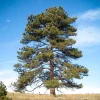
This offering includes 3 Japanese Black Pine bare root starter trees. These young specimens are shipped without soil around their roots, which is the most effective way to transport dormant plants. When received, the roots should be rehydrated and planted promptly. The size of the bare root trees will vary, but they are typically young seedlings ready for transplanting and establishment. Expect these trees to have a moderate growth rate, eventually reaching heights of 20-60 feet in a garden setting, with a spread of 20-40 feet, though they can be kept much smaller with pruning, especially if grown as a bonsai black pine. The mature form is often broad and somewhat flat-topped, with horizontal branches.
These outdoor pine trees are perfect for those who enjoy the process of nurturing a plant from its foundational stage. They are best planted during their dormant season, typically late fall or early spring, to allow the roots to establish before the stress of active growth. With proper care, these starter trees will develop into robust and beautiful specimens, adding significant character to your landscape for decades to come.
Frequently Asked Questions
- Q: How big will these Japanese Black Pine bare root trees get? A: In a garden setting, a mature Japanese Black Pine bare root tree can reach 20-60 feet tall and 20-40 feet wide. However, their size can be significantly controlled through pruning, making them excellent for smaller spaces or bonsai.
- Q: Is this an indoor or outdoor plant? A: The Japanese Black Pine (Pinus thunbergii) is an outdoor tree. It requires significant sunlight and space to thrive. While young specimens can be temporarily kept indoors for very short periods, they are not suited as permanent indoor plants.
- Q: How much sunlight do these Pinus thunbergii starter trees need? A: These trees thrive in full sun, meaning they need at least 6 to 8 hours of direct sunlight daily to grow healthy and strong. Proper sunlight is crucial for the development of their characteristic dense foliage.
- Q: Is this plant easy to care for? Is it good for beginners? A: While establishing a Japanese Black Pine bare root tree requires attention to watering and proper planting, once established, they are relatively low-maintenance. They are a good choice for beginners interested in growing hardy outdoor pine trees, especially if not pursuing complex bonsai styling immediately.
- Q: What condition will it arrive in? Is it shipped in soil? A: Your order will arrive as 3 Japanese Black Pine bare root starter trees. This means they are shipped without soil, with their roots carefully packaged to maintain moisture during transit. This method is standard for dormant plants.
- Q: When is the best time to plant these bare root pines? A: The ideal time to plant bare root trees is during their dormant season, which is typically in late fall after leaf drop or in early spring before new growth begins. This allows the roots to establish without the stress of supporting active foliage.
- Q: Will these Japanese Black Pines survive winter in my zone? A: Japanese Black Pines are quite hardy and are generally suitable for USDA Hardiness Zones 5-9. They are tolerant of cold temperatures, though very young plants may benefit from some winter protection in the colder end of their range.
- Q: Can I grow a bonsai black pine from these starter trees? A: Absolutely! The Japanese Black Pine is one of the most popular species for bonsai. These starter trees provide an excellent foundation for cultivating your own bonsai black pine, allowing you to train and shape them from a young age.
- Q: What kind of soil is best for growing Japanese Black Pine? A: These pines prefer well-draining soil, ideally slightly acidic to neutral. They can tolerate a range of soil types, including sandy or rocky soils, but absolutely require good drainage to prevent root issues.
- Q: How often should I water my newly planted bare root pine? A: For newly planted bare root pines, it’s important to keep the soil consistently moist but not waterlogged for the first few months. Once established, they are quite drought-tolerant, but deep watering during dry periods is beneficial.
Be the first to review “3 Japanese Black Pine (Pinus thunbergii) Bare Root Starter Trees Outdoor”
People Also Viewed

Reviews
There are no reviews yet.