
3 Kousa Dogwood Live Plants, Cornus kousa, 12-24in Tall, Quart Pot, Bare Root
Original price was: $101.99.$76.99Current price is: $76.99.
Introduce the beautiful kousa dogwood live plant to your landscape. This pack includes 3 japanese dogwood tree starter plants, each 12-24 inches tall and shipped bare root. Enjoy disease resistance and four seasons of ornamental interest.
Estimated arrival
Sep 29
Oct 04 - Oct 06
Oct 09 - Oct 13
Shop With Confidence
30-Day Plant Health Guarantee
Arrives damaged? We’ll replace it free — see our return policy.
Responsive Support
Email us anytime, we reply within 1 business day.
Expert Packaging
Temperature-controlled shipping to protect your plants in transit.
Secure Checkout
Pay safely with Visa, Mastercard, PayPal.
Plant Specifications
-
USDA Hardiness Zone
USDA zones 5-8 -
Soil Type
Well-draining, acidic to neutral soil -
Sunlight Exposure
Full sun to partial shade -
Expected Planting Period
Early spring
Overview
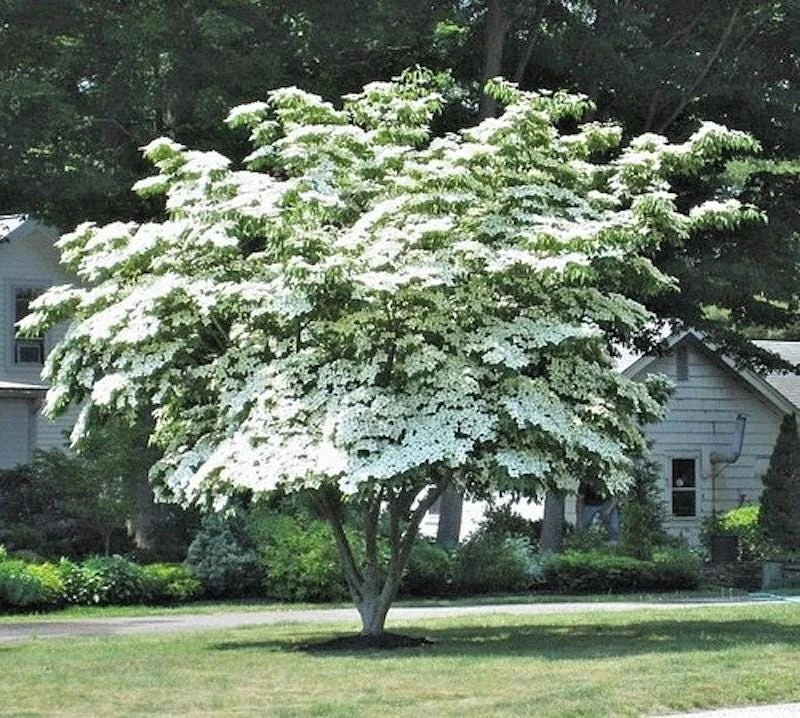
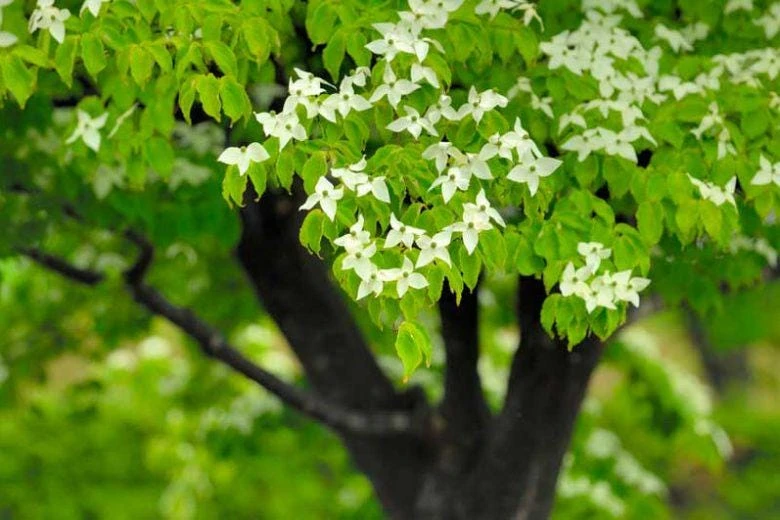
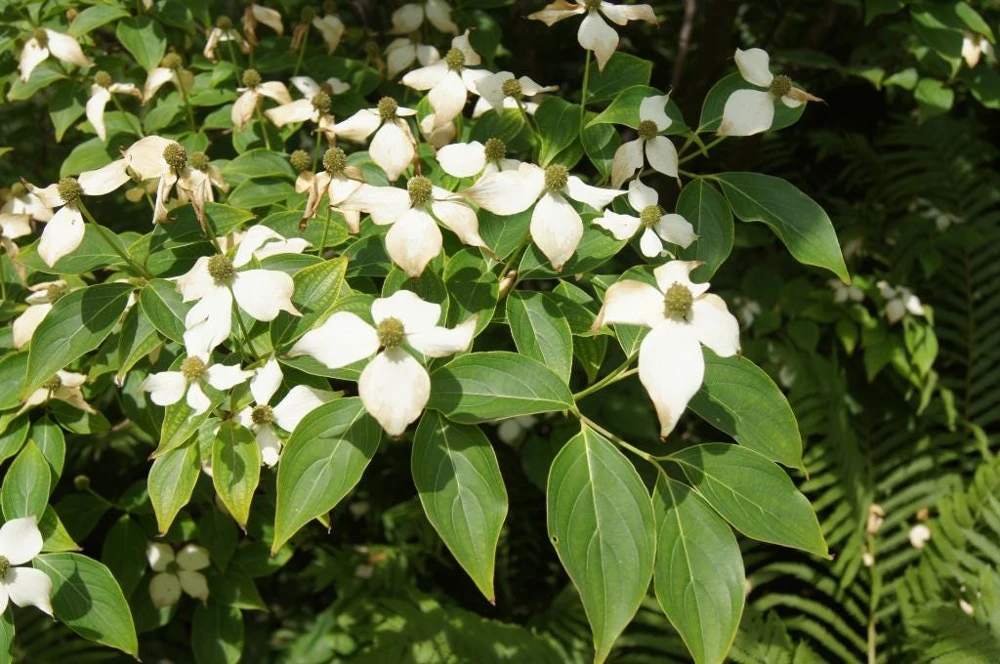
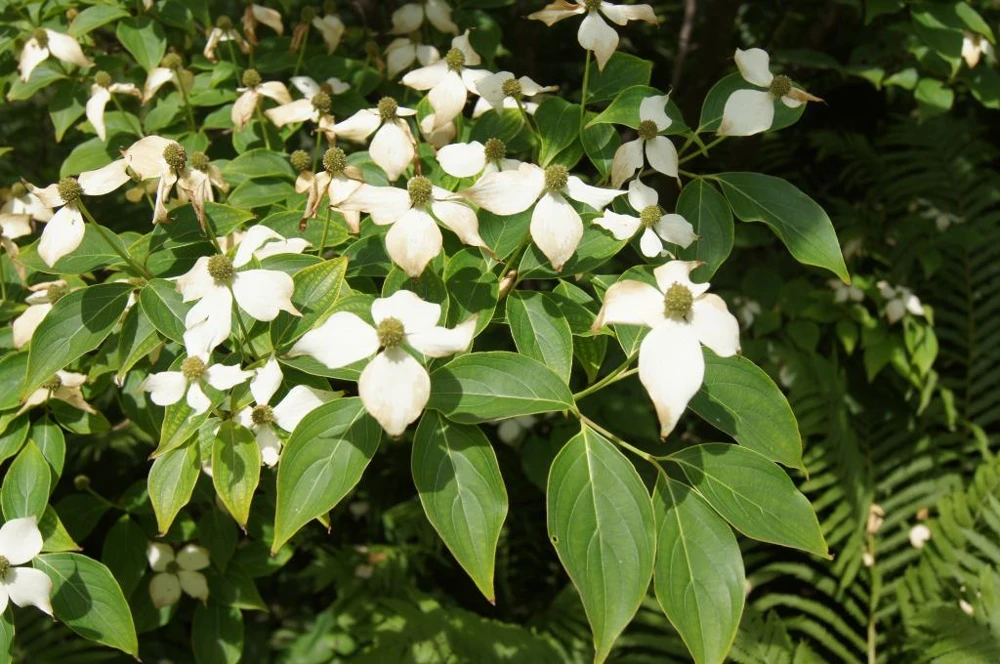
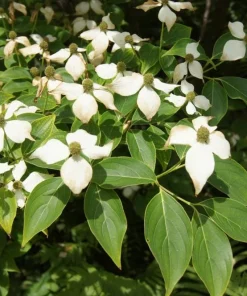
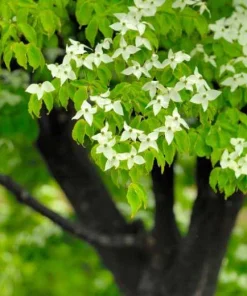
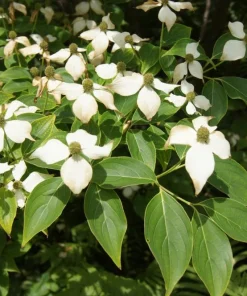
Transform your garden with this exceptional offering of 3 kousa dogwood live plant specimens. The Kousa dogwood, scientifically known as Cornus kousa, is a highly esteemed ornamental tree, often referred to as the japanese dogwood tree or chinese dogwood plant. These robust starter plants, measuring 12-24 inches tall and arriving bare root, are celebrated for their remarkable disease resistance, a significant advantage over the native American flowering dogwood (Cornus florida). Offering captivating beauty throughout all four seasons, these trees provide an enduring focal point for any garden. Their showy, star-like white or sometimes pink bracts, which are modified leaves, emerge in late spring to early summer, blooming approximately a month after the leaves unfurl. This extended blooming period adds to their charm and appeal, making the cornus kousa tree a truly distinguished choice for discerning gardeners.
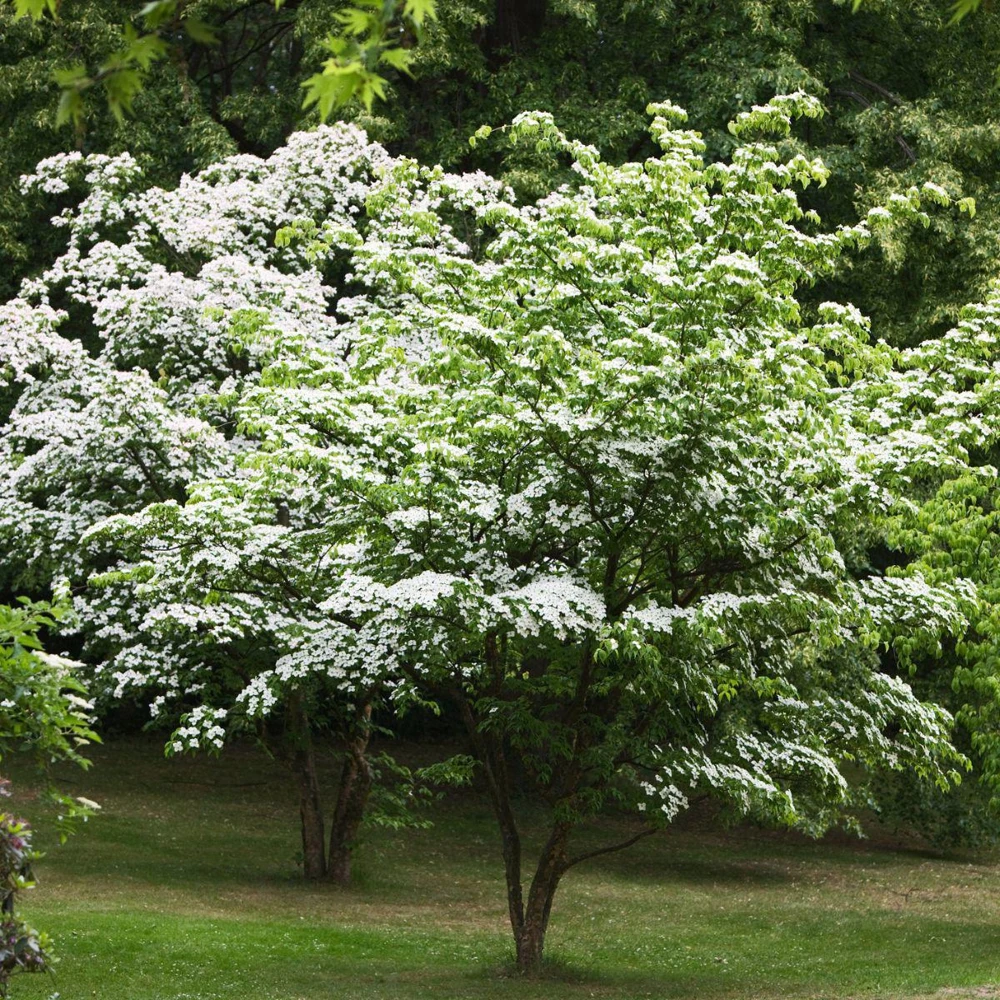
Our kousa dogwood live plant selection is ideal for those looking to establish a resilient and visually stunning tree in their landscape. Each of the three starter plants is carefully nurtured to ensure healthy growth and successful establishment in your garden. The Kousa dogwood’s elegant form, coupled with its seasonal changes, from vibrant spring blooms to rich autumn foliage and intriguing winter bark, ensures continuous visual interest. This makes it a perfect addition to a variety of garden styles, from formal to naturalistic, and a wise investment for long-term enjoyment.
Key Benefits
Choosing the kousa dogwood live plant brings a multitude of advantages to your outdoor space, combining aesthetic appeal with practical resilience. These trees are not just beautiful; they are also a smart choice for sustainable landscaping:
- Exceptional Disease Resistance: Unlike many other dogwood varieties, the kousa dogwood live plant is notably resistant to common dogwood diseases, ensuring a healthier and more vigorous tree with less maintenance. This resilience makes it a superior option for gardeners seeking a trouble-free ornamental tree.
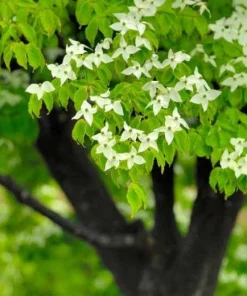
- Four Seasons of Interest: Enjoy year-round beauty with this tree. From its striking spring blooms and lush summer foliage to vibrant fall colors and unique winter bark, the japanese dogwood tree provides continuous visual appeal, making it a dynamic centerpiece in any garden.
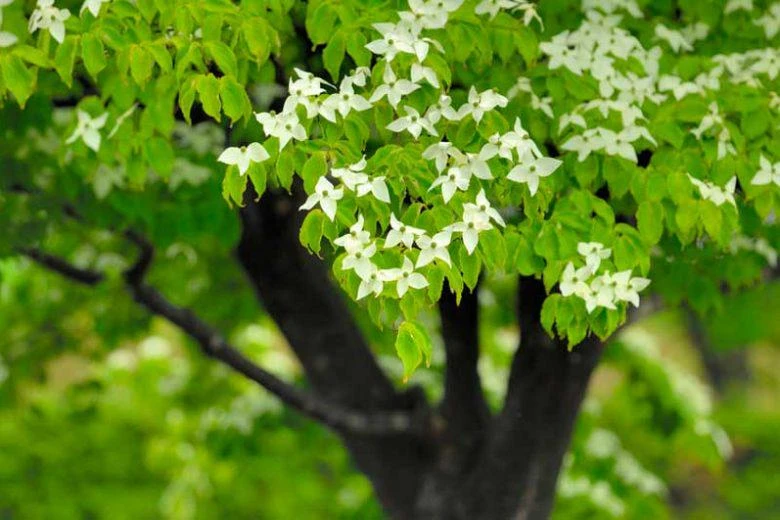
- Showy Bracts: The Kousa dogwood produces elegant, star-shaped white or pink bracts in late spring to early summer, creating a stunning floral display that lasts for several weeks. These showy structures are the tree’s most iconic feature, attracting admiring glances.
- Attractive Fruit: Following the blooms, unique, raspberry-like red fruits develop in late summer, adding another layer of ornamental value. These edible fruits are also attractive to birds, enhancing wildlife activity in your garden.
- Adaptable and Hardy: The chinese dogwood plant is known for its adaptability to various soil types and climates, thriving in a range of conditions. Its hardiness contributes to its reputation as a reliable and long-lived garden specimen.
- Versatile Landscape Use: Perfect as a specimen tree, part of a mixed border, or even in a naturalized woodland setting, the cornus kousa tree integrates beautifully into diverse garden designs, offering shade, beauty, and structure.
- Low Maintenance: Once established, the disease resistant dogwood requires minimal care, making it an excellent choice for gardeners who desire high impact with low effort. Its robust nature reduces the need for constant attention and treatments.
Plant Care & Growing Tips
Caring for your kousa dogwood live plant is relatively straightforward, ensuring years of beauty with proper initial establishment. These trees prefer a site with full sun to partial shade. In hotter climates, some afternoon shade is beneficial to protect the foliage from scorching. Aim for at least 6 hours of direct sunlight for optimal flowering and fruit production. The Kousa dogwood thrives in well-draining, acidic to neutral soil that is rich in organic matter. Avoid heavy, compacted soils that retain too much moisture, as this can lead to root issues. Incorporating compost or other organic amendments into the planting hole will significantly improve soil structure and fertility.
Watering is crucial during the first few growing seasons to help establish a strong root system. Water deeply and regularly, especially during dry spells, ensuring the soil remains consistently moist but not waterlogged. Once established, the japanese dogwood tree is moderately drought-tolerant but will benefit from supplemental watering during prolonged dry periods. Fertilize in early spring with a balanced, slow-release granular fertilizer formulated for trees and shrubs. Follow the manufacturer’s instructions for application rates. Pruning is generally minimal, focused on removing dead, damaged, or crossing branches to maintain a healthy structure. The best time to prune is in late winter or early spring before new growth begins. The chinese dogwood plant is generally quite resilient, but keep an eye out for common pests like aphids or borers, though serious problems are rare due to its inherent disease resistance.
The cornus kousa tree is hardy and adaptable, making it a favorite for many landscapes. Providing adequate care, especially during its formative years, will result in a magnificent tree that enhances your garden for decades. Regular mulching around the base of the tree will help retain soil moisture, suppress weeds, and regulate soil temperature, further contributing to the health of your disease resistant dogwood.
Size & Details
This offering includes three individual kousa dogwood live plant starter specimens, each measuring approximately 12-24 inches in height. These plants are shipped bare root, a common and effective method for deciduous trees, promoting robust root development upon planting. Bare root plants are dormant when shipped, reducing transplant shock and allowing them to establish quickly in their new environment. Upon arrival, it is important to plant them as soon as possible, or temporarily heel them into moist soil if immediate planting isn’t feasible.
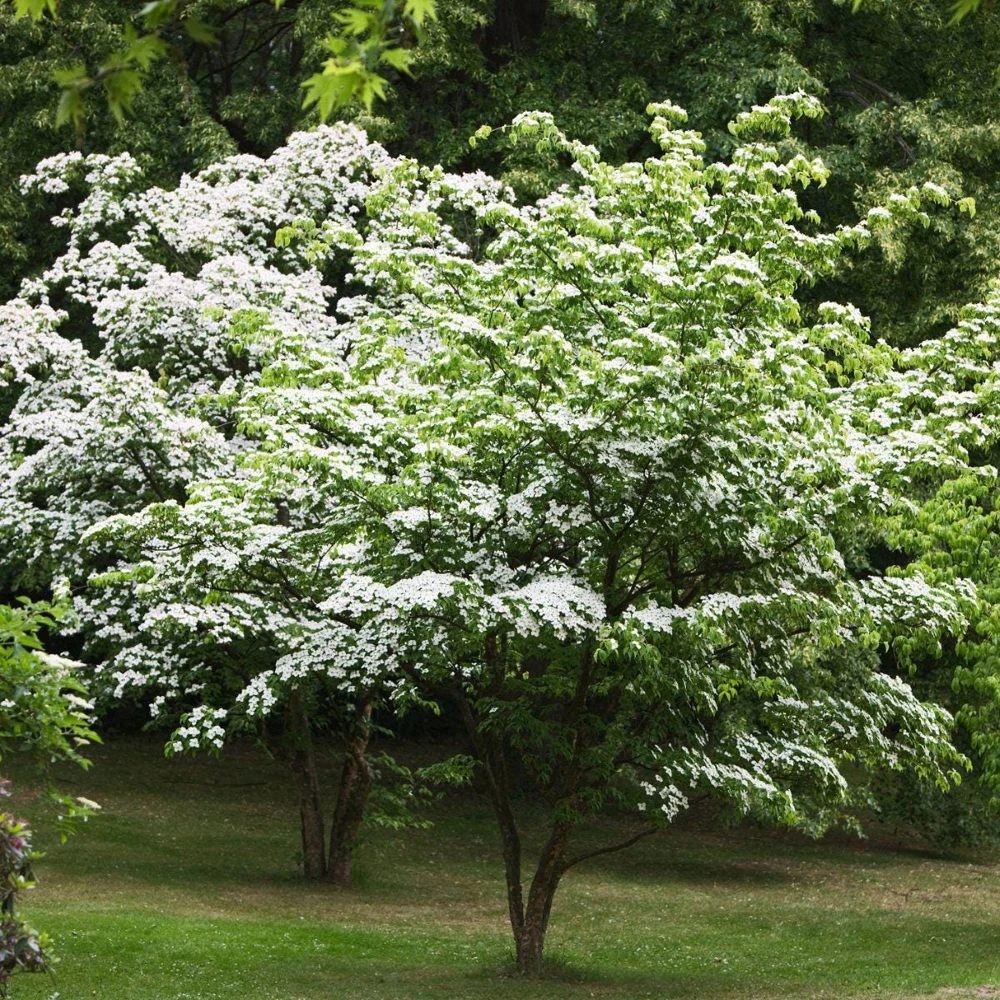
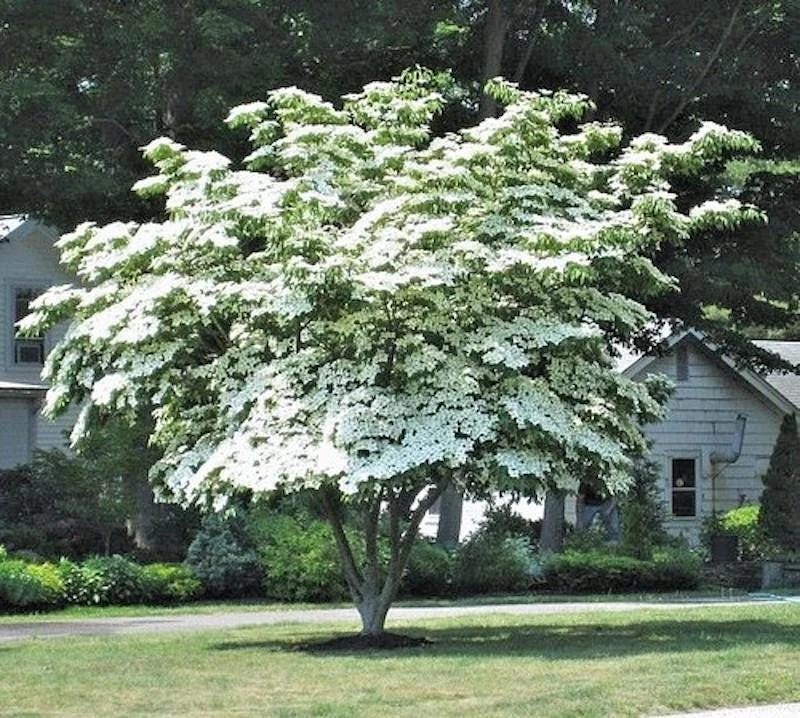
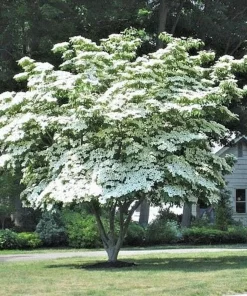
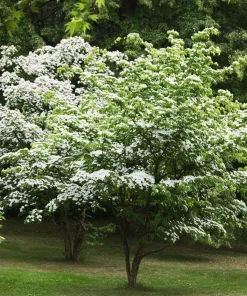
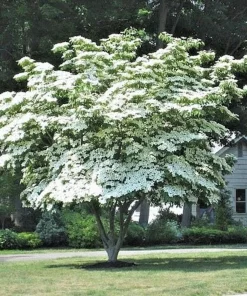
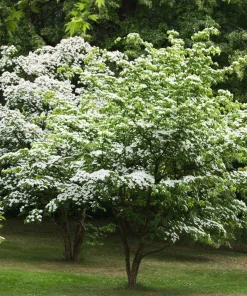
Kousa dogwoods are moderate growers, typically adding 1-2 feet per year once established. They eventually mature into an attractive small to medium-sized tree, reaching a height of 15-30 feet and a similar spread, forming a beautiful, often vase-shaped or rounded canopy. The quart pot designation in the original listing indicates the size of the container they were grown in prior to being prepared for bare root shipping, signifying a well-developed young plant ready for transplanting into your garden. Expect these japanese dogwood tree specimens to begin flowering within 3-5 years after planting, with their full ornamental potential realized as they mature.
Frequently Asked Questions
- Q: How big will my kousa dogwood live plant get? A: A: The Kousa dogwood typically matures to a height of 15-30 feet with a similar spread, forming a beautiful, often vase-shaped or rounded canopy. These starter plants are 12-24 inches tall upon arrival.
- Q: Is this an indoor or outdoor plant? A: The Kousa dogwood is an outdoor ornamental tree, well-suited for temperate climates. It requires significant space to grow and thrive in a garden or landscape setting.
- Q: How much sunlight does the japanese dogwood tree need? A: This tree prefers full sun to partial shade. In hotter regions, providing some afternoon shade can prevent leaf scorch, but at least 6 hours of direct sunlight is ideal for best flowering and fruit production.
- Q: What condition will the plants arrive in? A: These chinese dogwood plant specimens are shipped bare root, meaning they will arrive without soil around their roots. This is a common and effective method for deciduous trees, promoting healthy root growth upon planting.
- Q: Is the cornus kousa tree easy to care for? A: Yes, once established, the Kousa dogwood is considered relatively low-maintenance. Its natural disease resistance contributes to its ease of care, making it a good choice for both experienced and novice gardeners.
- Q: When is the best time to plant these dogwood starter plants? A: The best time to plant bare root Kousa dogwoods is in early spring, after the last threat of hard frost has passed but before the tree breaks dormancy. This allows the roots to establish before the stress of summer heat.
- Q: Will the disease resistant dogwood survive winter in my zone? A: The Kousa dogwood is generally hardy in USDA zones 5-8. If you are within these zones, your tree should thrive and withstand typical winter conditions, provided it is well-established.
- Q: What kind of soil does the Kousa dogwood prefer? A: This tree thrives in well-draining, acidic to neutral soil that is rich in organic matter. Good drainage is crucial, so avoid areas with standing water or heavy clay soils.
- Q: How long until my kousa dogwood live plant blooms? A: Kousa dogwood starter plants typically begin to flower within 3-5 years after planting, with more abundant blooms as the tree matures and establishes itself in your garden.
- Q: Are the fruits of the Kousa dogwood edible? A: Yes, the raspberry-like fruits of the Kousa dogwood are edible, though they are often described as somewhat bland. They are also a favorite food source for birds, adding to the tree’s ecological value.
Be the first to review “3 Kousa Dogwood Live Plants, Cornus kousa, 12-24in Tall, Quart Pot, Bare Root”
People Also Viewed

Trees
Northern Catalpa Tree Live Plant – 6-12″ Tall – Quart Pot – Ornamental Shade Tree (Catalpa speciosa)


Reviews
There are no reviews yet.