

100 Purple Wild Violets Bare Root Plants – Perennial Flowers for Shade
Original price was: $179.99.$159.99Current price is: $159.99.
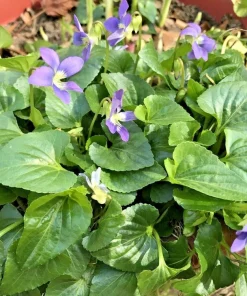
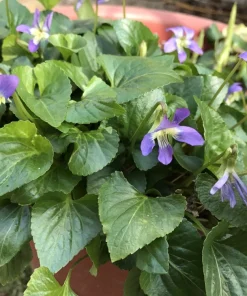
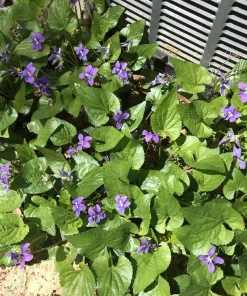
Cultivate a charming display with 100 purple wild violet plants. These bare root violets are hardy perennials, ideal for naturalizing in partial shade. Enjoy their beautiful purple blooms and clumping growth habit with minimal care.
Estimated arrival
Oct 10
Oct 15 - Oct 17
Oct 20 - Oct 24
Shop With Confidence
30-Day Plant Health Guarantee
Arrives damaged? We’ll replace it free — see our return policy.
Responsive Support
Email us anytime, we reply within 1 business day.
Expert Packaging
Temperature-controlled shipping to protect your plants in transit.
Secure Checkout
Pay safely with Visa, Mastercard, PayPal.
Plant Specifications
-
USDA Hardiness Zone
unknown -
Soil Type
Chalk, Clay, Loam, Peat -
Sunlight Exposure
Partial Shade -
Expected Planting Period
Spring, Summer
Overview
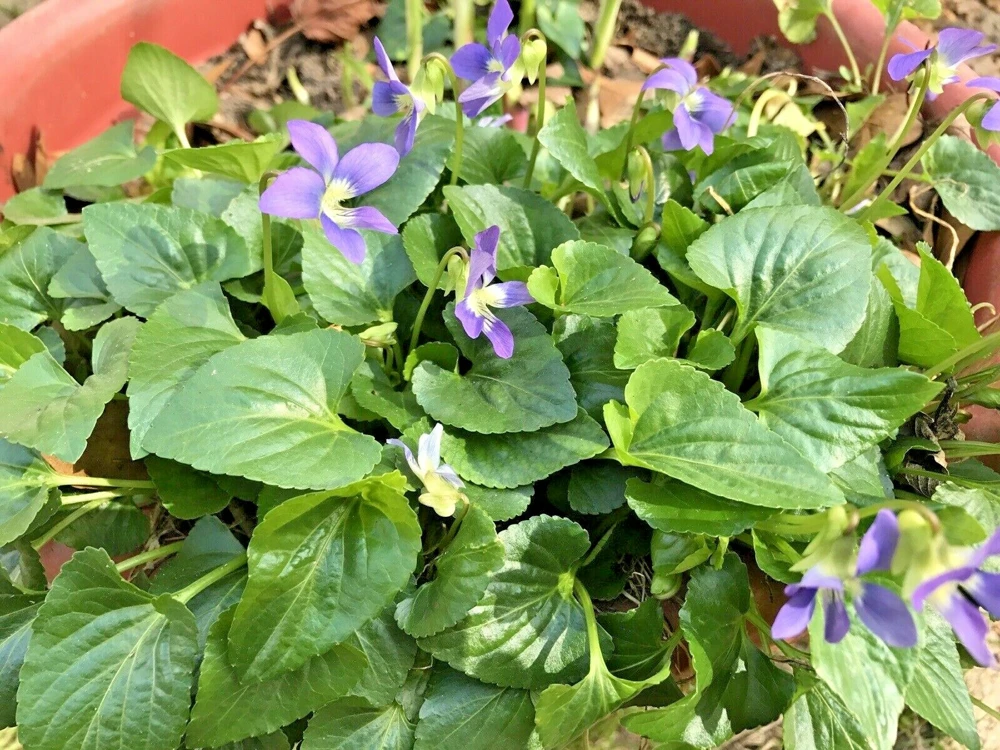
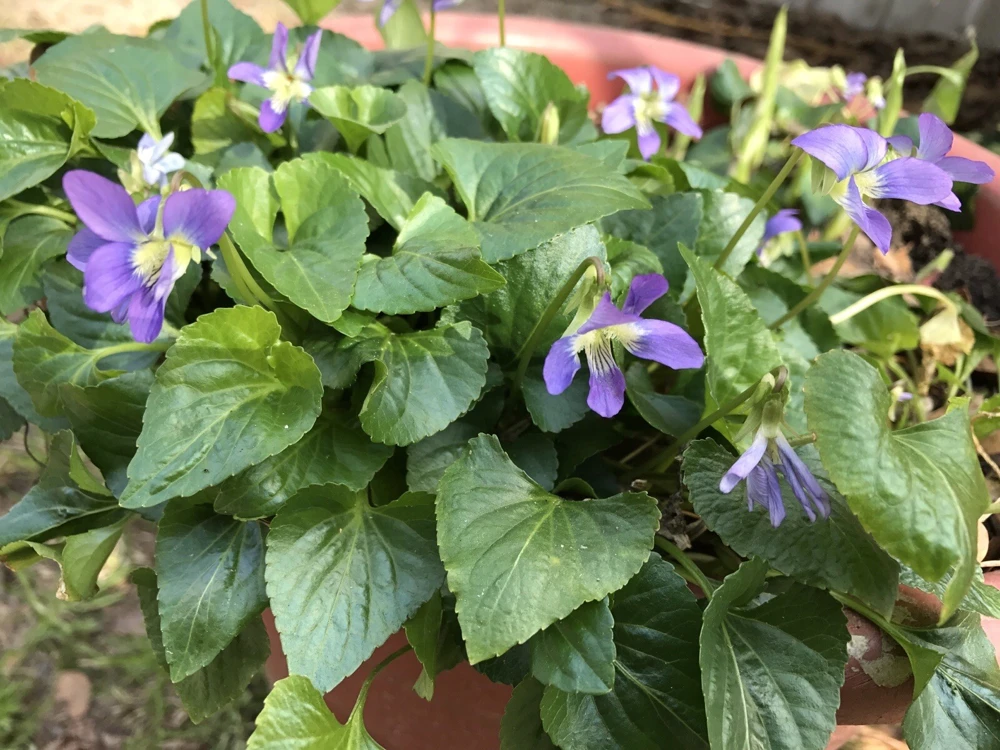
Transform your garden into a whimsical haven with these delightful purple wild violet plants. This offering includes 100 bare root plants, ready to be established in your landscape. Wild violets (Viola) are beloved for their charming purple flowers and their ability to thrive in a variety of conditions, particularly in partially shaded areas where many other plants struggle. These perennial beauties are known for their easy-care nature, making them an excellent choice for both novice and experienced gardeners. Once established, they spread gently, creating a carpet of vibrant green foliage and delicate purple blooms. Perfect for naturalizing under trees, along pathways, or in woodland gardens, these violets bring a touch of natural elegance to any outdoor space.
Each bare root plant is carefully harvested to ensure viability upon arrival. Wild violets are not only aesthetically pleasing but also provide early-season nectar for pollinators, contributing to a healthy ecosystem. Their resilience and ability to return year after year make them a sustainable and rewarding addition to your garden. Experience the simple joy of growing these beautiful and adaptable flowers that will enhance your garden’s charm throughout spring and summer.
Key Benefits
Adding purple wild violet plants to your garden offers numerous advantages, from aesthetic appeal to ecological benefits. These resilient flowers are a fantastic choice for creating naturalized areas and require very little ongoing maintenance.
- Easy to Grow and Maintain: These perennial wild violets are incredibly low-maintenance, thriving with minimal watering once established. They are perfect for gardeners seeking beautiful blooms without extensive effort.
- Beautiful Purple Blooms: Enjoy a profusion of delicate purple flowers that add vibrant color to your garden, especially in spring and summer. Their charming appearance is a classic sign of the season.
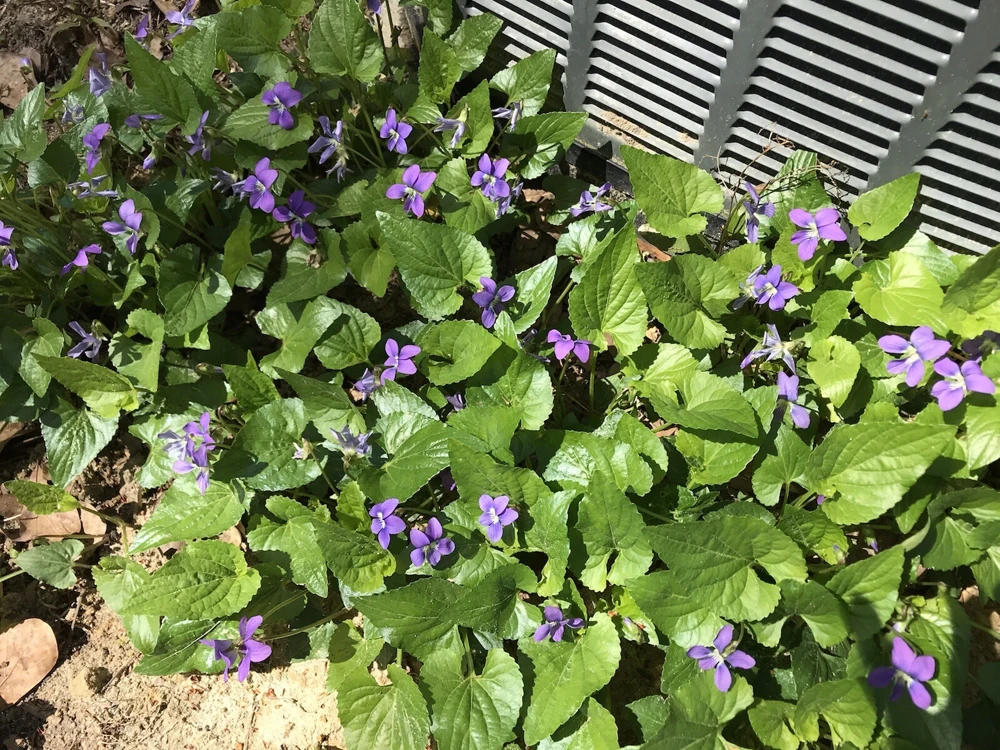
- Excellent for Naturalizing: Wild violets spread naturally, making them ideal for filling in shaded areas, creating ground cover, or naturalizing under trees and shrubs.
- Attracts Pollinators: The early spring flowers provide a valuable nectar source for bees and other beneficial insects, supporting local wildlife and biodiversity.
- Versatile Planting Options: Suitable for both indoor (e.g., porch) and outdoor settings, these plants adapt well to various environments, including garden beds, containers, and borders.
- Child and Pet Safe: These easy grow violets are generally considered safe for children and pets, offering peace of mind for family gardens.
- Hardy Perennials: As perennials, these violets will return year after year, providing lasting beauty and value to your landscape. They die back in winter and re-sprout in spring.
Plant Care & Growing Tips
Caring for your purple wild violet plants is straightforward, making them an excellent choice for gardeners of all skill levels. They are known for their adaptability and resilience. For optimal growth, plant your bare roots in an area that receives partial shade, ideally under trees where they can benefit from dappled light. While they can tolerate some sun, excessive direct sunlight, especially in hotter climates, can scorch their leaves. The best time to plant these bare root violets is in the spring or fall when temperatures are moderate.
Wild violets prefer moist, well-draining soil. They are adaptable to various soil types including chalk, clay, loam, and peat. Ensure the soil is not waterlogged, as this can lead to root rot. Once established, these plants are quite drought-tolerant and require minimal watering; water only if the soil feels dry to the touch, or during prolonged dry spells. They do not typically require heavy fertilization; a light application of a balanced, slow-release fertilizer in early spring can be beneficial but is often not necessary. Remove spent flowers to encourage more blooms and prevent excessive self-seeding if desired. These viola odorata plants are generally robust and disease-resistant.
They are hardy in temperate climates and will die back to the ground in winter, re-emerging with fresh foliage and flowers in the spring. Their clumping and clump-forming growth habit means they will gradually spread, creating a beautiful groundcover. While generally pest-free, keep an eye out for common garden pests and address them with organic solutions if needed. With proper placement and minimal care, your perennial wild violets will flourish and provide years of enjoyment.
Size & Details
This offering includes 100 purple wild violet plants provided as bare roots, ensuring they are freshly dug and ready for planting upon arrival. Each plant typically reaches an approximate height of 4 inches, forming a charming low-growing groundcover. These plants exhibit a clumping and clump-forming growth habit, which allows them to spread gracefully over time, naturalizing effectively in garden settings. They are known for a medium growth rate, establishing themselves well within their first season.
The foliage of these violets dies off in the winter, only to sprout fresh leaves and vibrant purple flowers in the spring, continuing through summer. They are suitable for both indoor (e.g., on a porch) and outdoor environments, making them highly versatile. As perennials, they offer long-term beauty and return each year. The plants will arrive in a bare root form, which is an economical and effective way to establish a large number of plants. Their robust nature ensures they are an excellent choice for creating extensive naturalized areas or adding delicate charm to smaller garden beds.
Frequently Asked Questions
- Q: How big do these purple wild violet plants get? A: These purple wild violet plants typically grow to about 4 inches tall. They have a clumping growth habit and will spread horizontally over time to form a beautiful groundcover.
- Q: Is this an indoor or outdoor plant? A: These wild violets are versatile and can be grown both indoors, such as on a porch, and outdoors in garden beds. They thrive in outdoor naturalized settings.
- Q: How much sunlight do these bare root violets need? A: Bare root violets prefer partial shade, especially in warmer climates. They can tolerate some morning sun but should be protected from intense afternoon sun to prevent leaf scorching.
- Q: Is this plant easy to care for? A: Yes, these are considered easy grow violets. Once established, they are very low-maintenance, requiring minimal watering and generally thriving without extensive intervention.
- Q: What condition will the plants arrive in? A: The plants are shipped as bare roots, meaning they are freshly dug from the ground after your order is placed. This ensures they are ready for planting upon arrival.
- Q: How long until the purple wild violet plants bloom? A: Typically, these perennial wild violets will establish and begin to bloom in the spring season following their planting, continuing through summer. Established plants will bloom annually.
- Q: What’s the best time to plant these violets? A: The ideal time to plant these bare roots is during the spring or fall when the weather is mild. This allows them to establish their root system before extreme temperatures.
- Q: Can these plants survive winter? A: Yes, as perennials, their foliage dies off in winter, but the root system remains viable, and they will re-sprout new leaves and flowers in the spring. They are hardy in temperate climates.
- Q: What type of soil do they prefer? A: These plants are adaptable to various soil types including chalk, clay, loam, and peat, as long as the soil is well-draining.
- Q: Are these plants safe for pets? A: Yes, these viola odorata plants are generally considered child and pet safe, making them a good choice for family gardens.
Be the first to review “100 Purple Wild Violets Bare Root Plants – Perennial Flowers for Shade”
People Also Viewed

Flower Plants
Pink Red Dianthus Live Plant – 3-5 Inch Tall in 4 Inch Pot, Fragrant Carnation Flowers

Reviews
There are no reviews yet.